




Top 20 Most Common Insects in Jeju
Welcome, bug-savvy readers! Insects - our biodiversity beacons, inhabit diverse habitats within Jeju displaying a unique panorama of nature. The vibrant insect diversity across various geographical hotspots in Jeju emphasizes our ecological linkage. Essential eco-players, from pollinators to pests, maintain Jeju's environmental health. Gear up as we unveil our 'Top 20 most common insects in Jeju', narrating their roles in shaping our sun-dappled ecosystem.

Most Common Insects
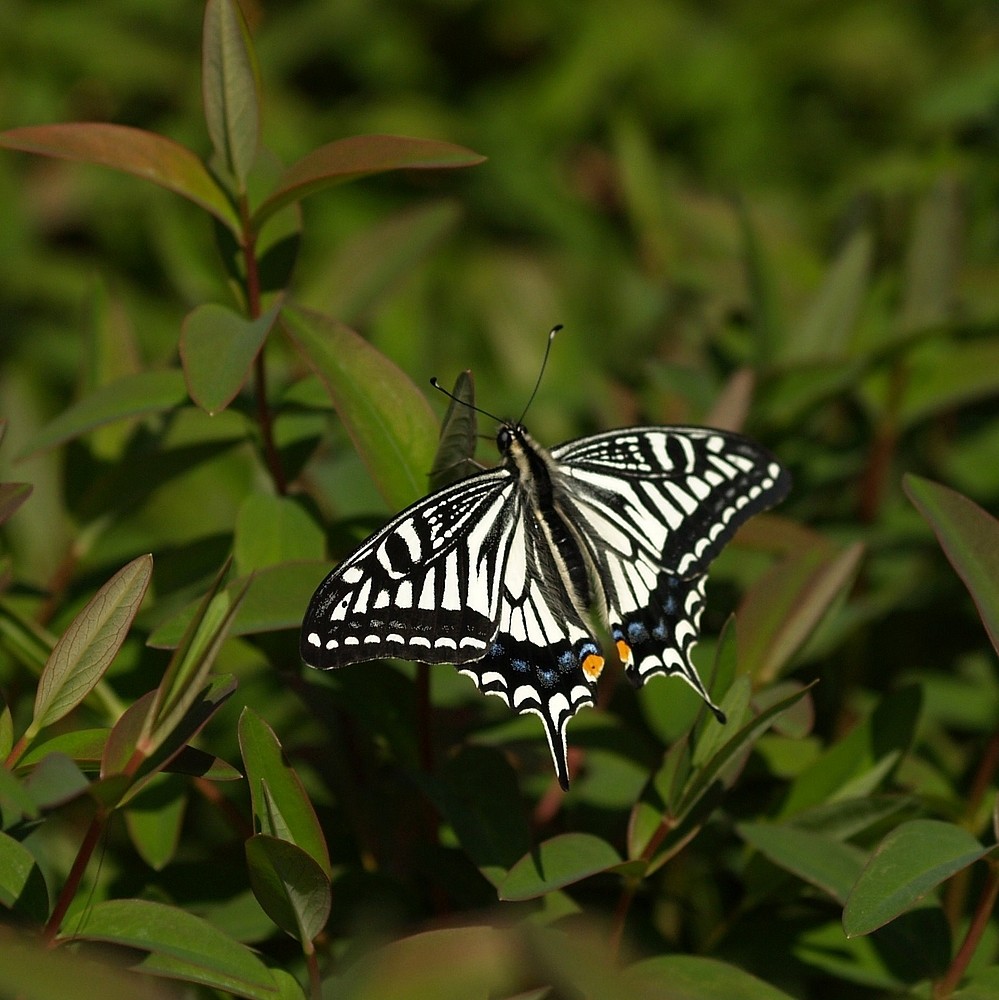
1. Asian swallowtail
The asian swallowtail (Papilio xuthus) is a beautiful yellow and black butterfly that is pretty common. Regardless, they try and mix it up by having multiple mates during their lifetime. This habit gives them a greater chance of genetic diversity. They want to ensure their kids grow up in a good neighborhood, so they keep an eye out for habitat and food quality when looking for a place to lay their eggs.
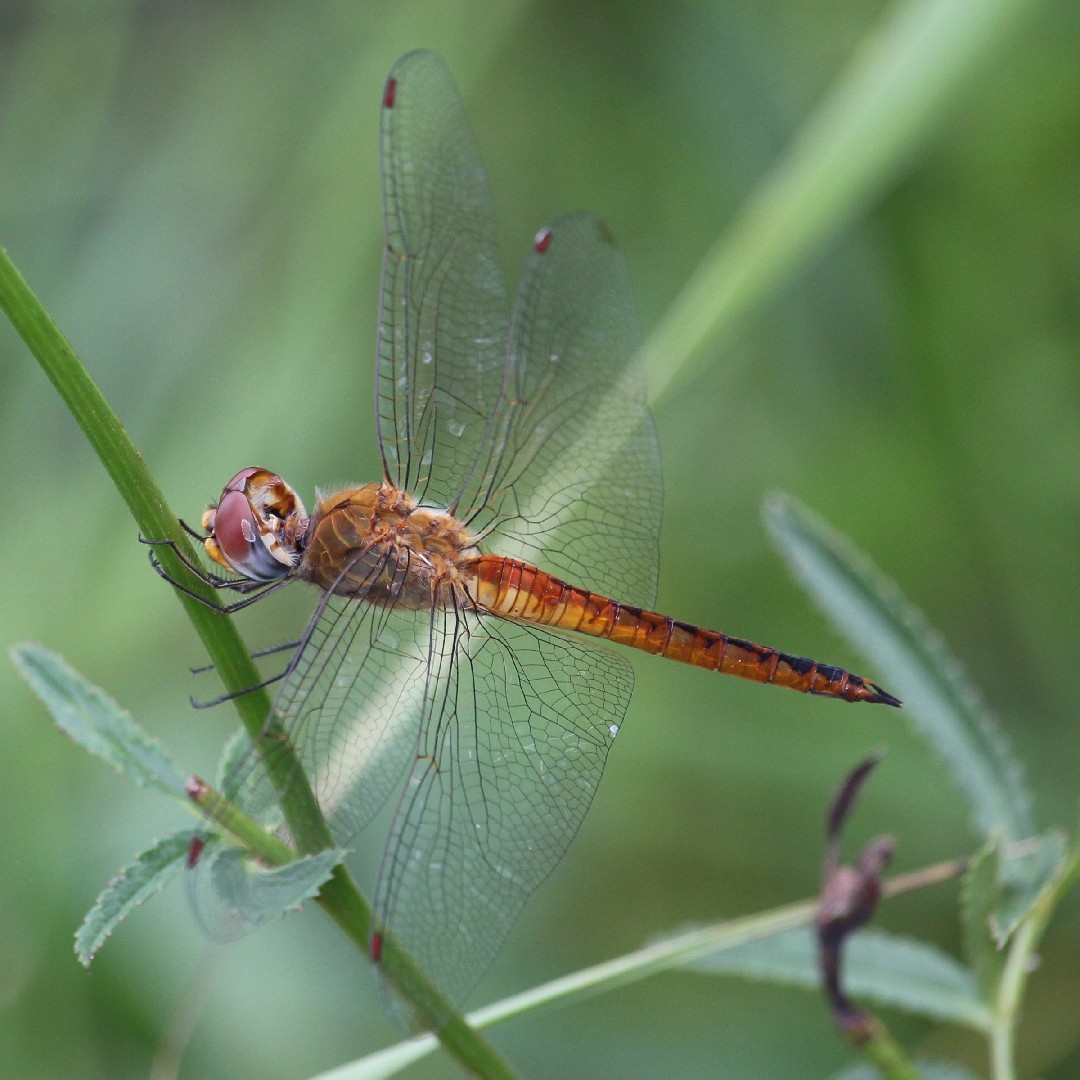
2. Wandering glider
The wandering glider (Pantala flavescens) is a yellow dragonfly that migrates long distances. It's easily recognized by its elegant flight pattern, where it seems to glide across the sky effortlessly, even when it's windy outside. It often lands near still water, which includes ponds and puddles.
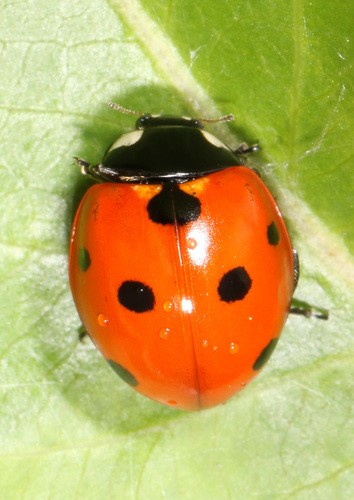
3. Seven-spotted ladybug
Seven-spotted ladybug (Coccinella septempunctata), known in North America as the "seven-spotted ladybug," is the most common species of ladybird in Europe and the official state insect of five U.S. states. While not native to North America, it has established itself there after being introduced to control aphid populations. Its bright coloring deters predators, and it may also play dead or secrete foul-smelling liquids to discourage consumption.
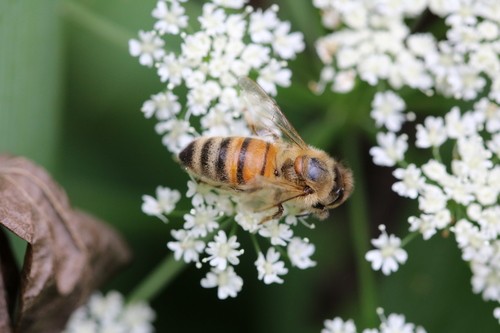
4. Western honey bee
Western honey bee(Apis mellifera) is the most common species of honeybee in the world. Among the first domesticated insects, its cultural and economic impact on humanity has been vast and far-reaching, providing honey, wax and its services as a pollinator. Western honey bee faces challenges worldwide, such as colony collapse disorder, and populations are thought to be decreasing.
5. Cabbage white
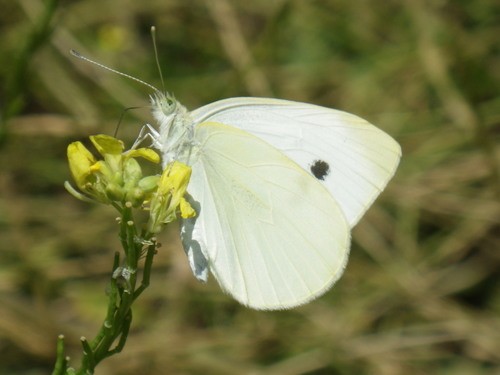
Cabbage white (Pieris rapae) derives its common name from its habits as a caterpillar, which is a ferocious pest for cabbage, kale and broccoli farmers. In North America, it is one of the first butterflies to emerge in spring, heralding the beginning of the season.
6. Japanese common grass yellow
7. Common bluebottle butterfly
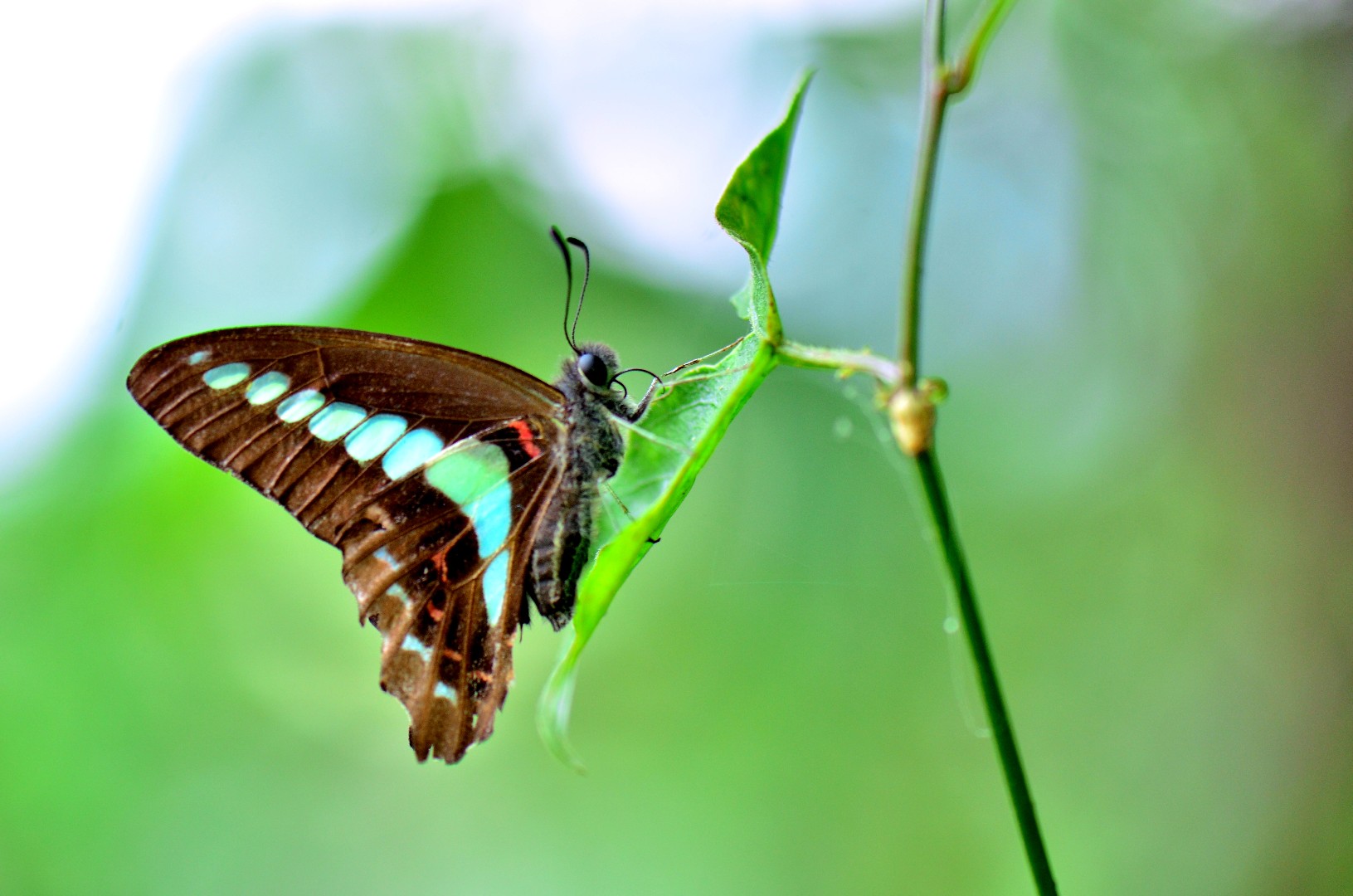
Upperside is opaque black. Forewings and hindwings crossed from above the tornal area on the hindwing to near the apex of the forewing by a semi-hyaline broad pale blue medial band which is broadest in the middle, more or less greenish and macular anteriorly; the portion of the band that crosses interspaces 6, 7 and 8 on the hindwing white; beyond the band on the hindwing there is a sub-terminal line of blue slender lunules. Underside similar, ground colour dark brown. The hindwing has a short comparatively broad sub-basal band from costa to sub-costal vein, and the postdiscal area between the medial blue band and the sub-terminal lunules velvety black traversed by the pale veins and transversely, except in interspaces 6 and 7, by narrow crimson lines; lastly, a crimson spot near the tornal angle with an admarginal yellowish-white spot below it. Antenna, head, thorax and abdomen brown, the head and thorax suffused with greenish grey. The palpi, thorax and abdomen touched with dingy white, the abdomen with two whitish lateral lines. Male has abdominal fold within grey, furnished with a tuft of long, somewhat stiff white hairs. Variously reported with wingspans between 6 cm and 8 cm, the common bluebottle butterfly has black upper wings and brown lower wings. Both forewings and hindwings are marked by a central spot in the form of a blue or blue-green triangle, with apex pointing toward the body. 

8. Multicolored asian ladybeetle
Often confused for the ladybug, multicolored asian ladybeetle (Harmonia axyridis) is a separate species that, unlike the ladybug, is a household pest. It is considered particularly annoying for its habit of returning to places from which it is removed. One of the most variable species in the world, there are many different colors and patterns multicolored asian ladybeetle may display, making identification potentially difficult.
9. Chinese peacock
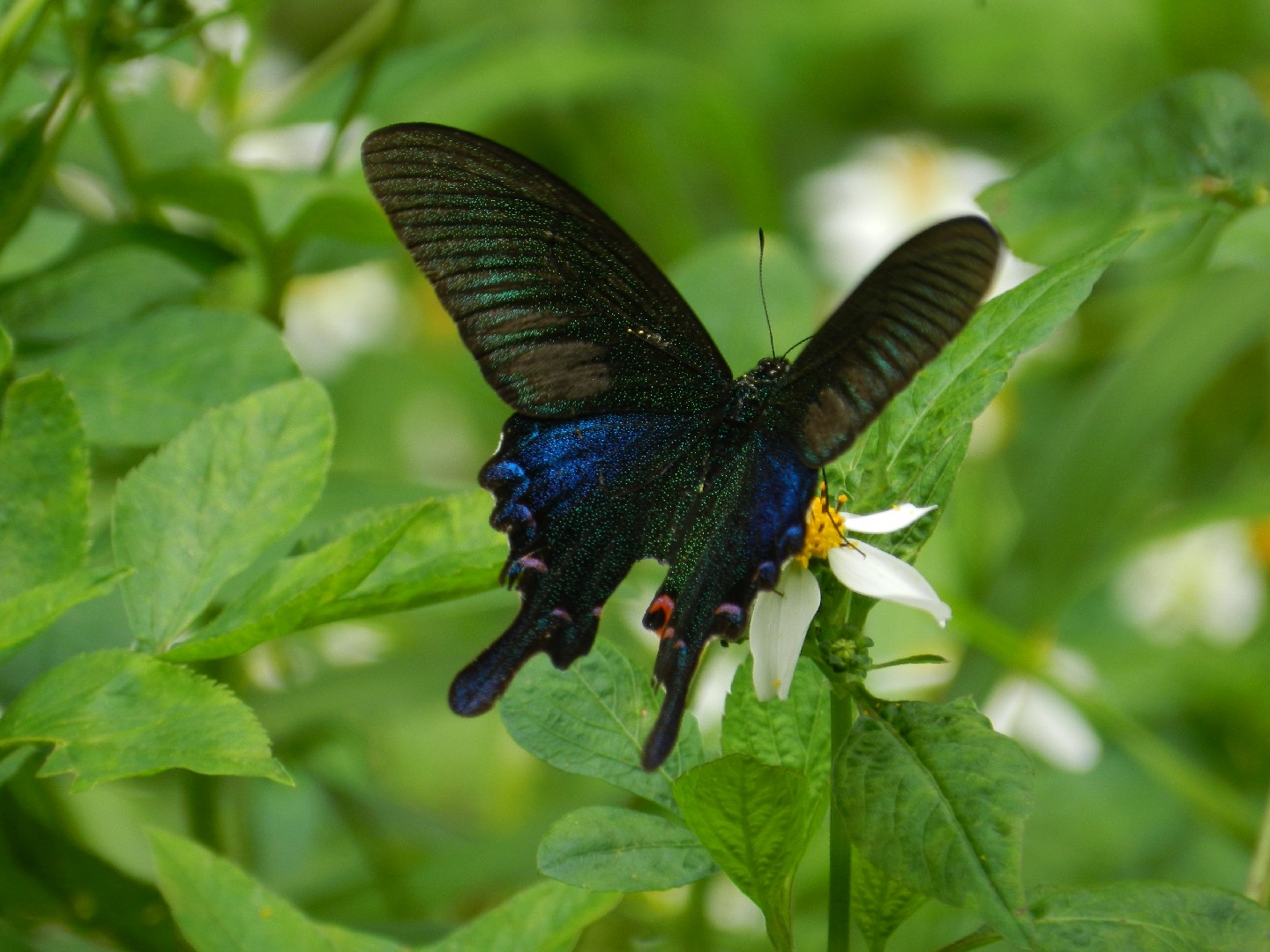
This species is variable in size. Individuals emerged in the spring reach 4 - 8 cm wide, while those emerged in the summer can reach 12 cm. The forewings are black with dark veining and green scales. The undersides are brown, turning white distally with dark veining. The hindwings are tailed and have ridged edges containing reddish eyespots. The body is black with green scales.The male has black hair on the forewings, which the female lacks.
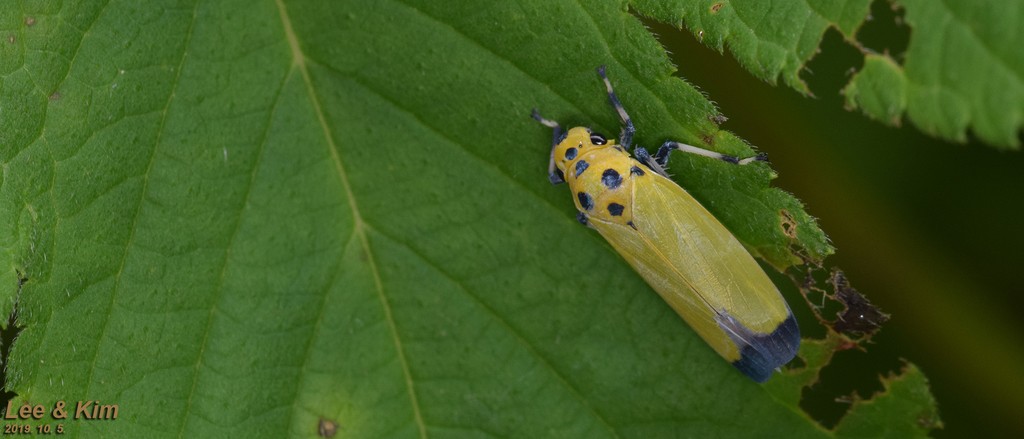
10. Black-tipped leafhopper


More







