




Top 13 Most Common Insects in Sfax
Insects, renowned for their variety and adaptability, play a significant role in the ecosystem of Sfax. Geography greatly influences insect variety, with each area of Sfax providing unique habitats for a diverse range of species. From pests to pollinators, their presence both challenges and enhances our ecosystem, articulating the intricacies of Sfax's life cycle. Let's embark on a journey to discover the top 13 most common insects across this wonderfully diverse region.

Most Common Insects
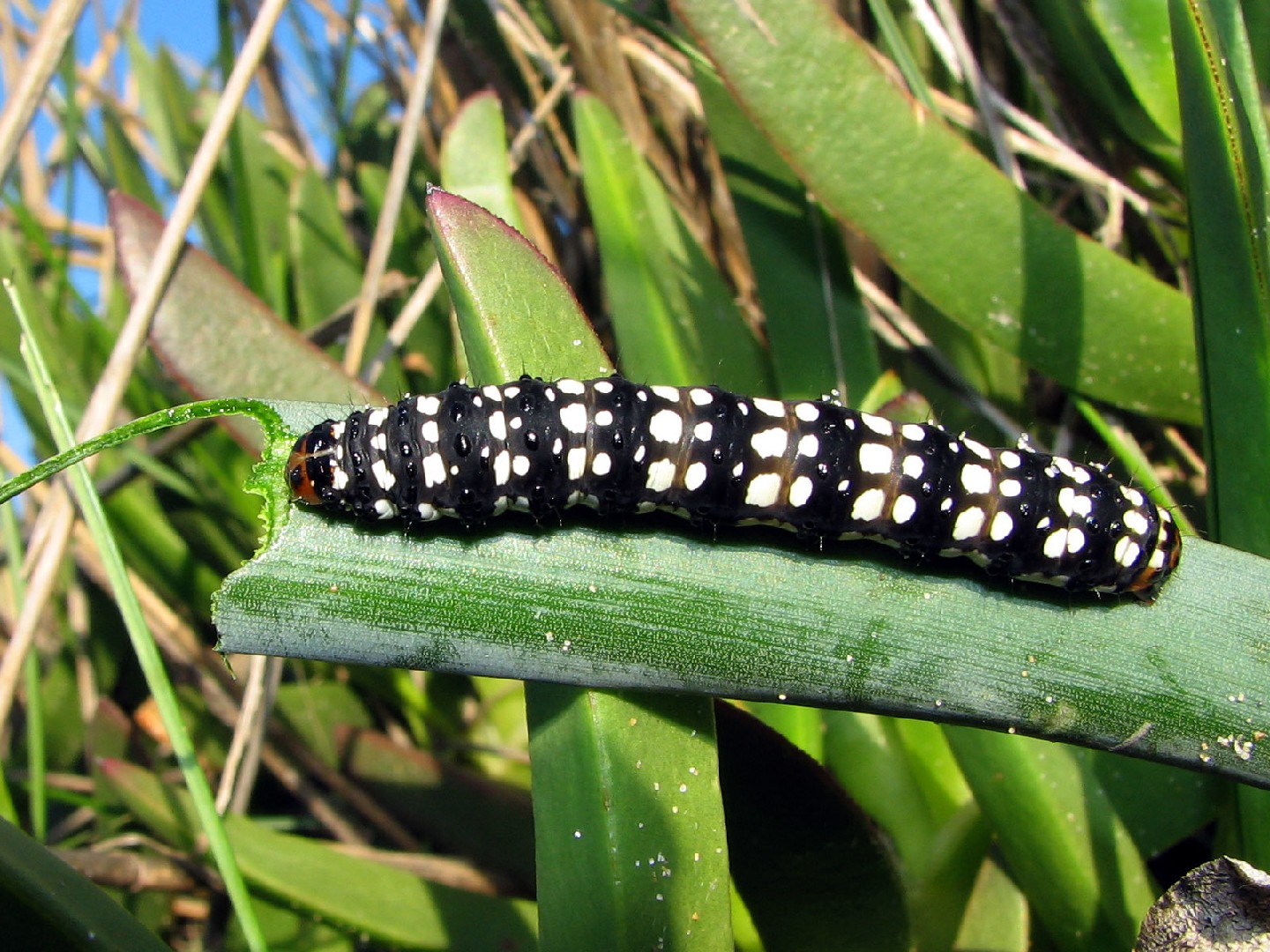
1. Lily borer
The wingspan of the moth is about 4 cm. Its head, thorax and forewings are very dark brown, but paler toward the wingtips. Sub-basal, median and postmedial indistinct waved lines are black. A curved submarginal ochreous line with ferrous colored lunuled found on each side of it. There is a marginal black lunule series. The hindwings are practically white. Tarsi bear black and white stripes. 
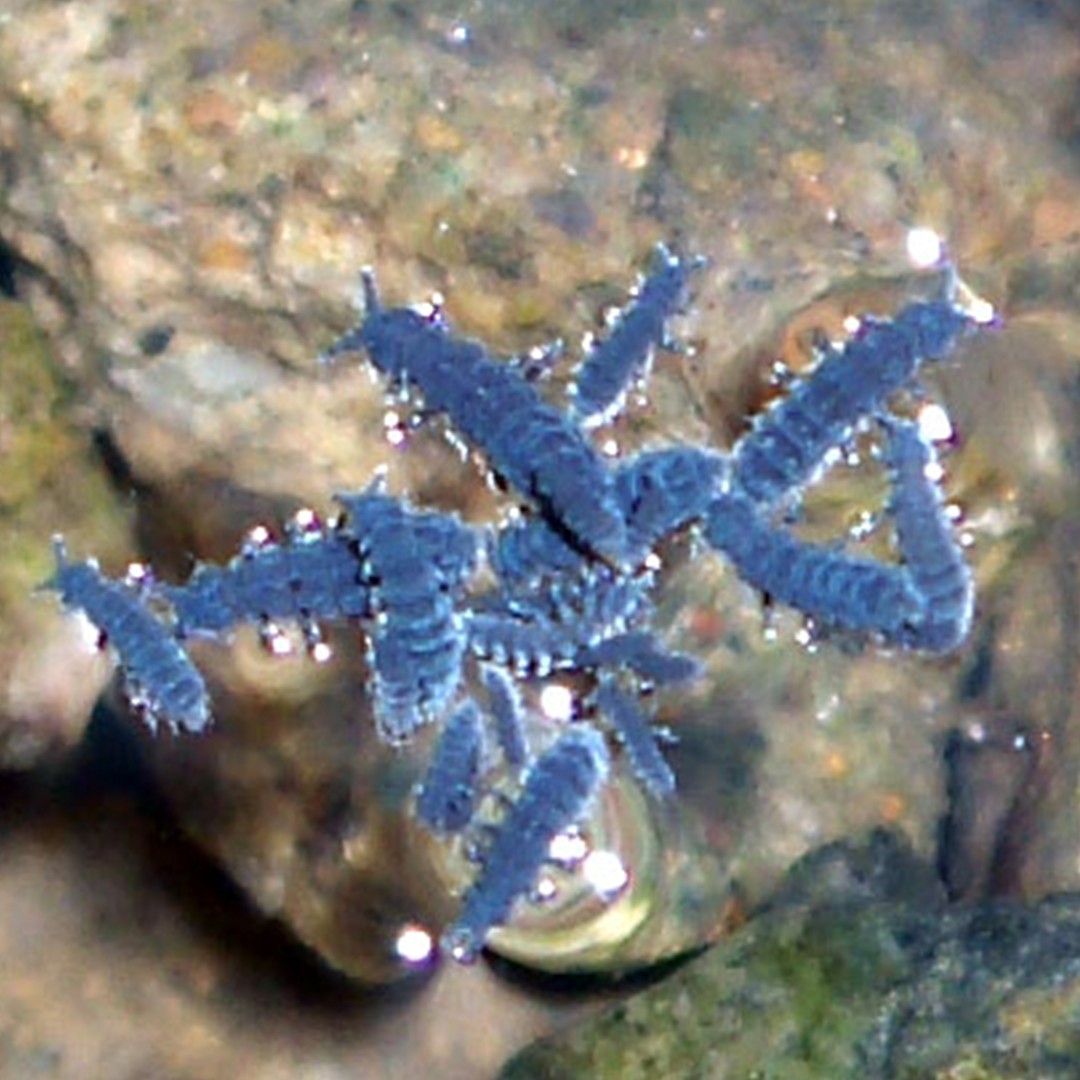
2. Seashore springtail
Seashore springtail is named for its preferred coastal habitat. It is a specialist colonist of the water and rockpools of intertidal zones. This tiny animal is a scavenger that feeds on dead animals. It is covered in water-repelling hairs that allow it to live on the surface of rock pools.
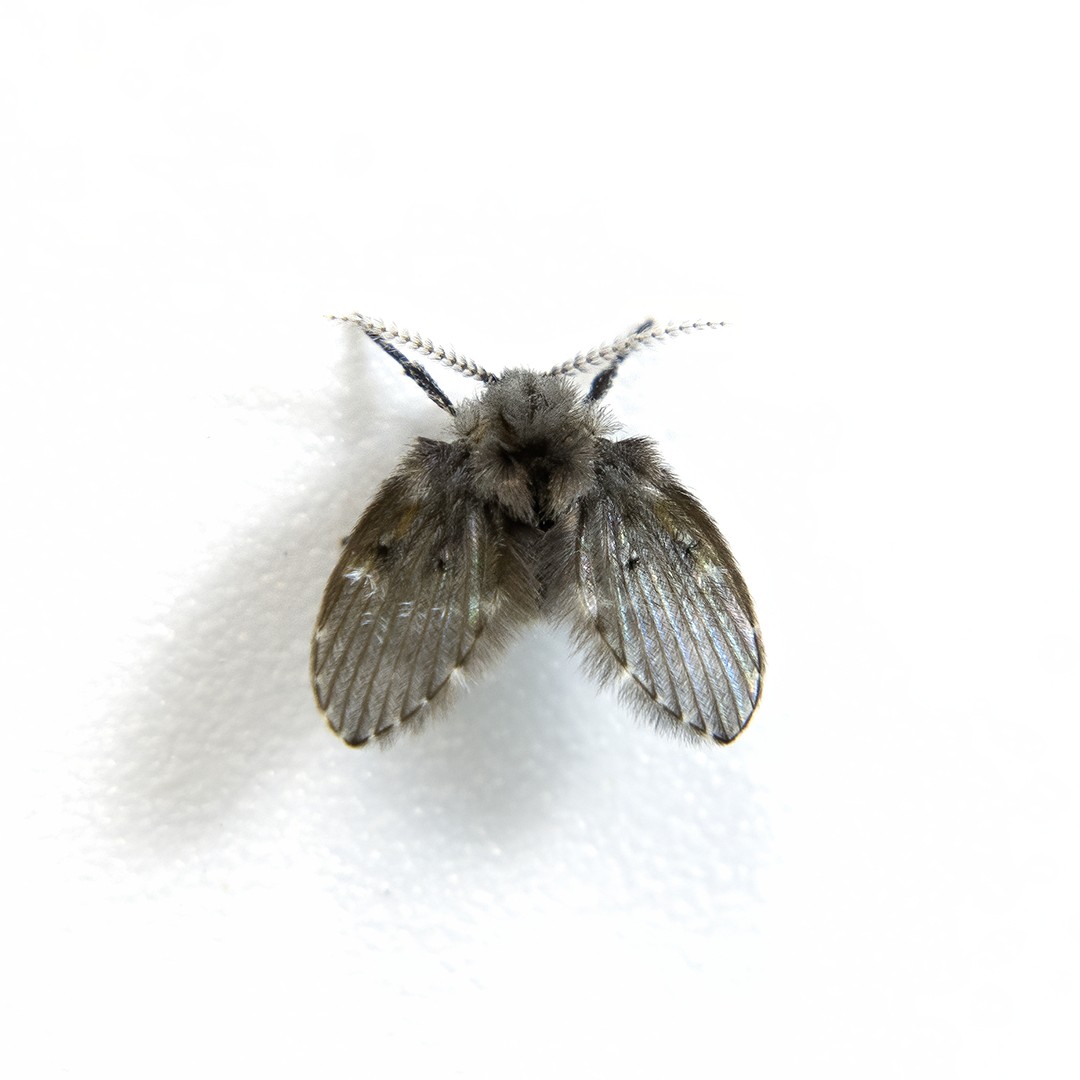
3. Telmatoscopus albipunctata
Telmatoscopus albipunctata is also known as the "mothfly" or "filter fly" due to the small hairs on their wings similar to a moth. The larvae live in mud, decomposing plant matter, and water, and the adults also like to live in dark, moist areas. They are commonly found in human residential areas in drains or sewers.
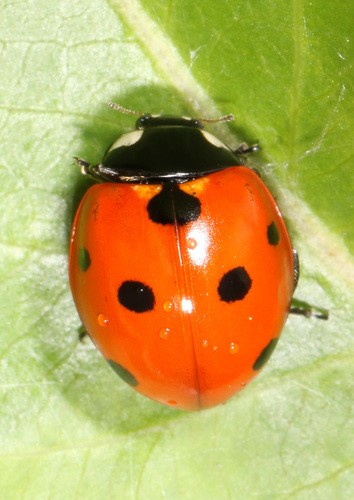
4. Seven-spotted ladybug
Seven-spotted ladybug (Coccinella septempunctata), known in North America as the "seven-spotted ladybug," is the most common species of ladybird in Europe and the official state insect of five U.S. states. While not native to North America, it has established itself there after being introduced to control aphid populations. Its bright coloring deters predators, and it may also play dead or secrete foul-smelling liquids to discourage consumption.
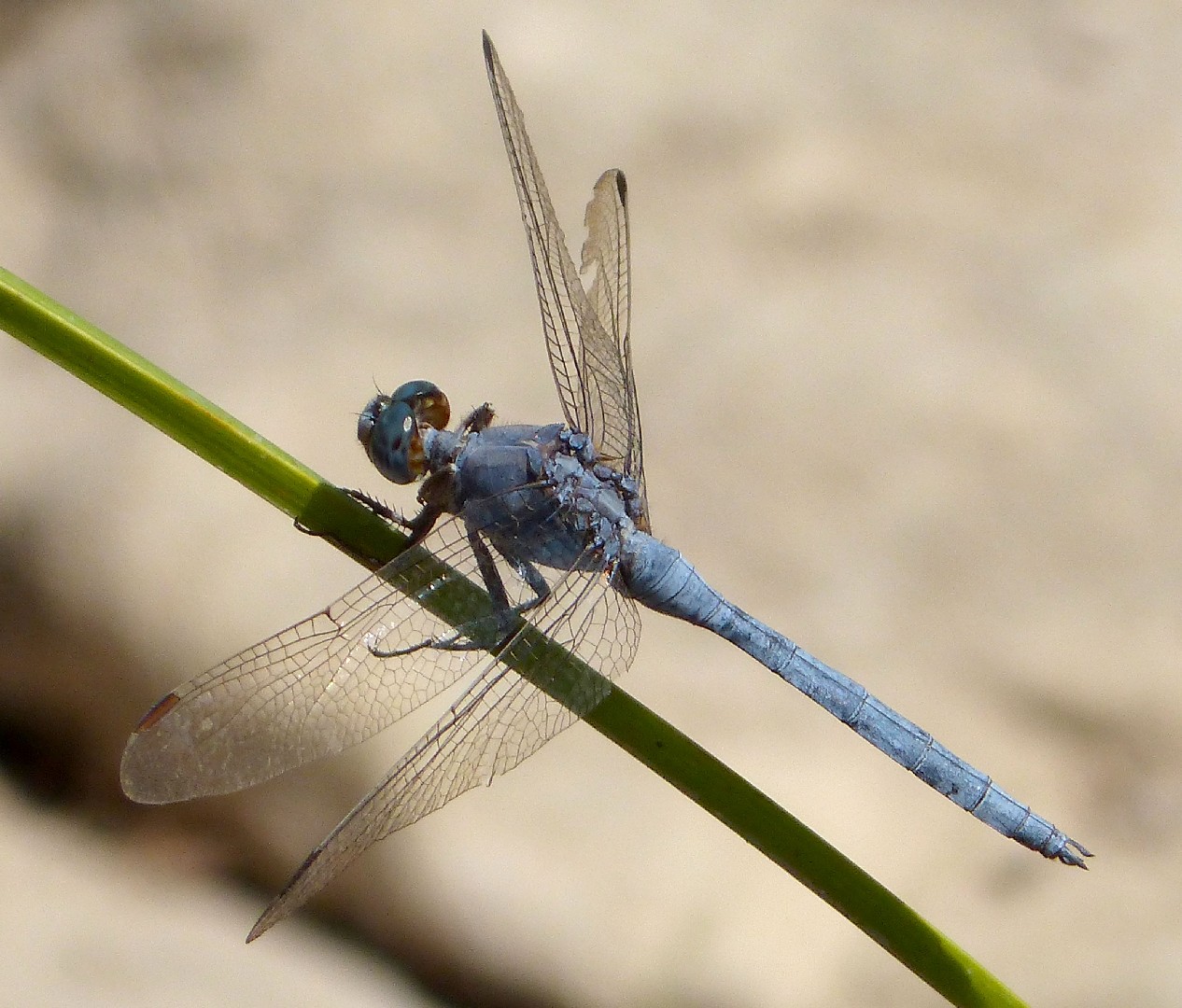
5. Epaulet skimmer
The bodies of adult males are blue, and those of young and females are yellow and brown.
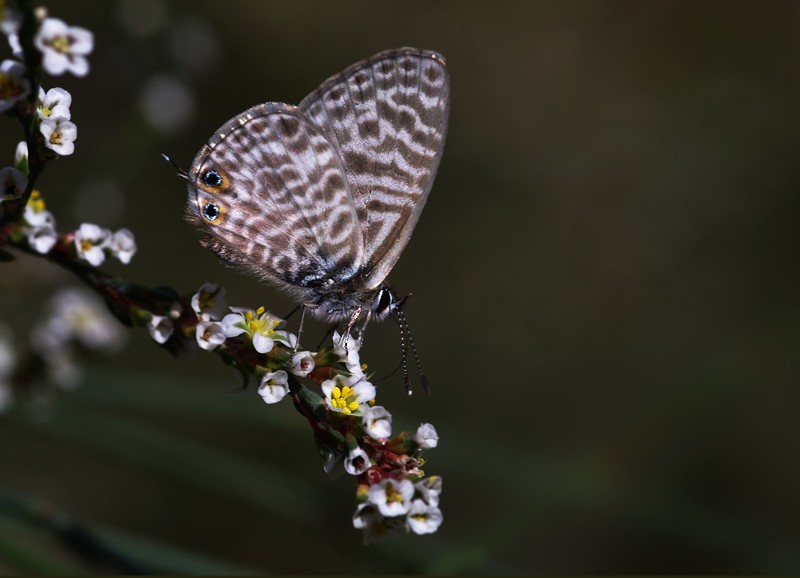
6. Lang's short-tailed blue
Leptotes pirithous is a small butterfly with a wingspan of 21–29 mm in males and 24–30 mm in females. The uppersides of the wings are purple bluish in males, bluish brown in female. The undersides are dark beige striped with white lines. The hindwings show marginal orange and black spots and two small tails.
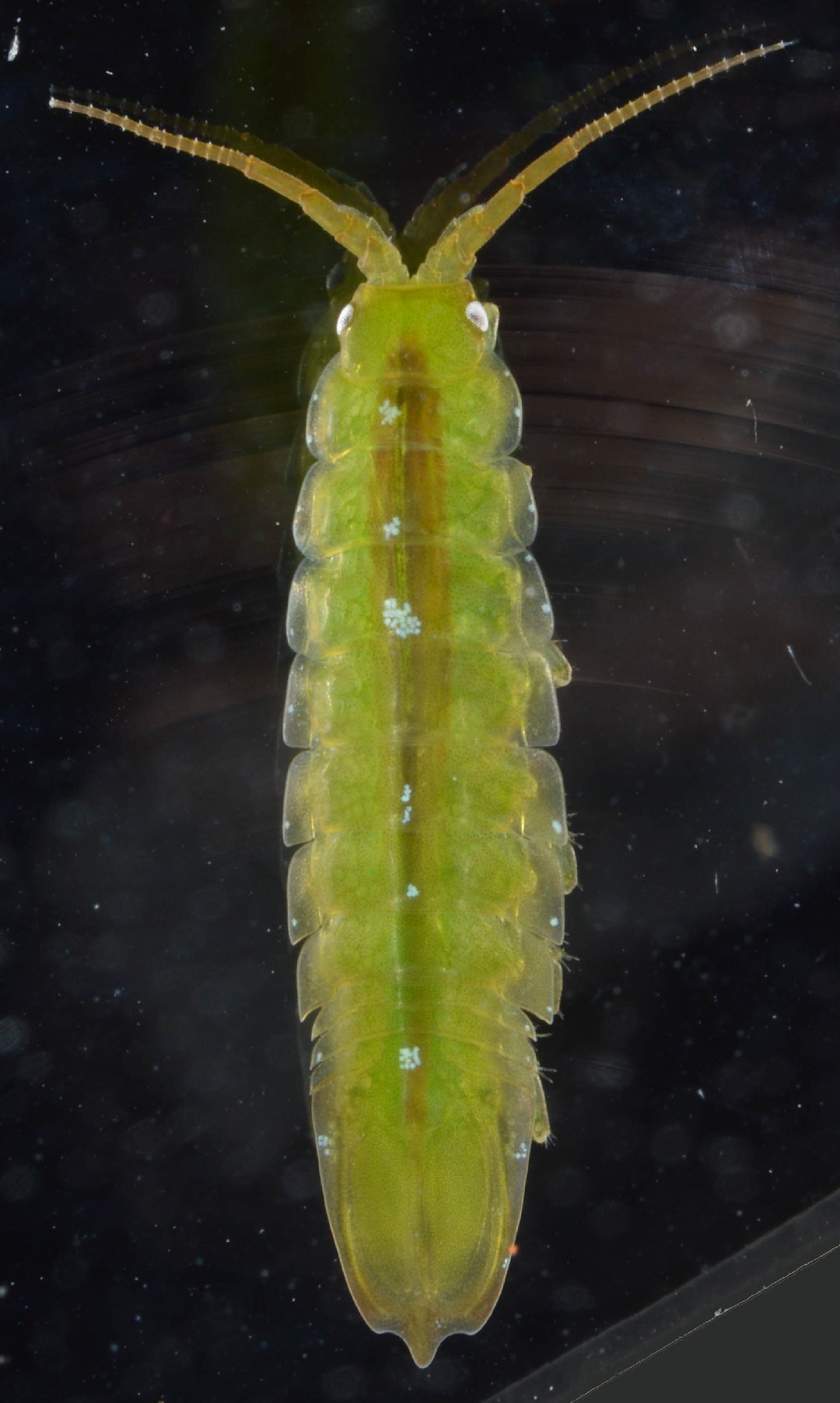
7. Baltic isopod
The common sea louse (Idotea balthica) is a louse from the Idoteidae family. The scientific name of the species was first validly published in 1772 by Pallas.
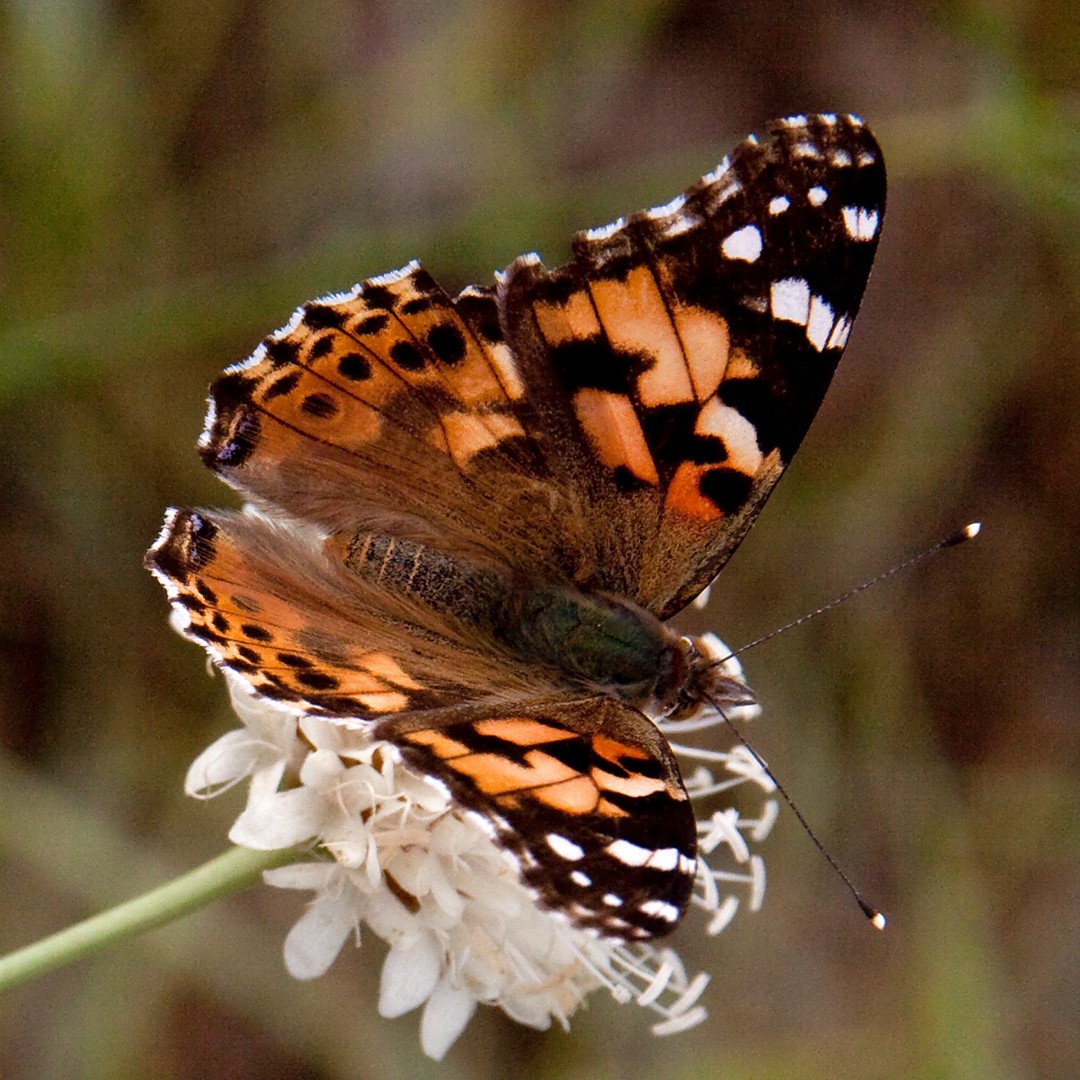
8. Painted lady
The painted lady is a migratory butterfly that spends part of the year in Northern Africa and then migrates to Europe during the warmer months. Although the adults feed on nectar from flowers, the larvae feed on the leaves of nettles and thistles.
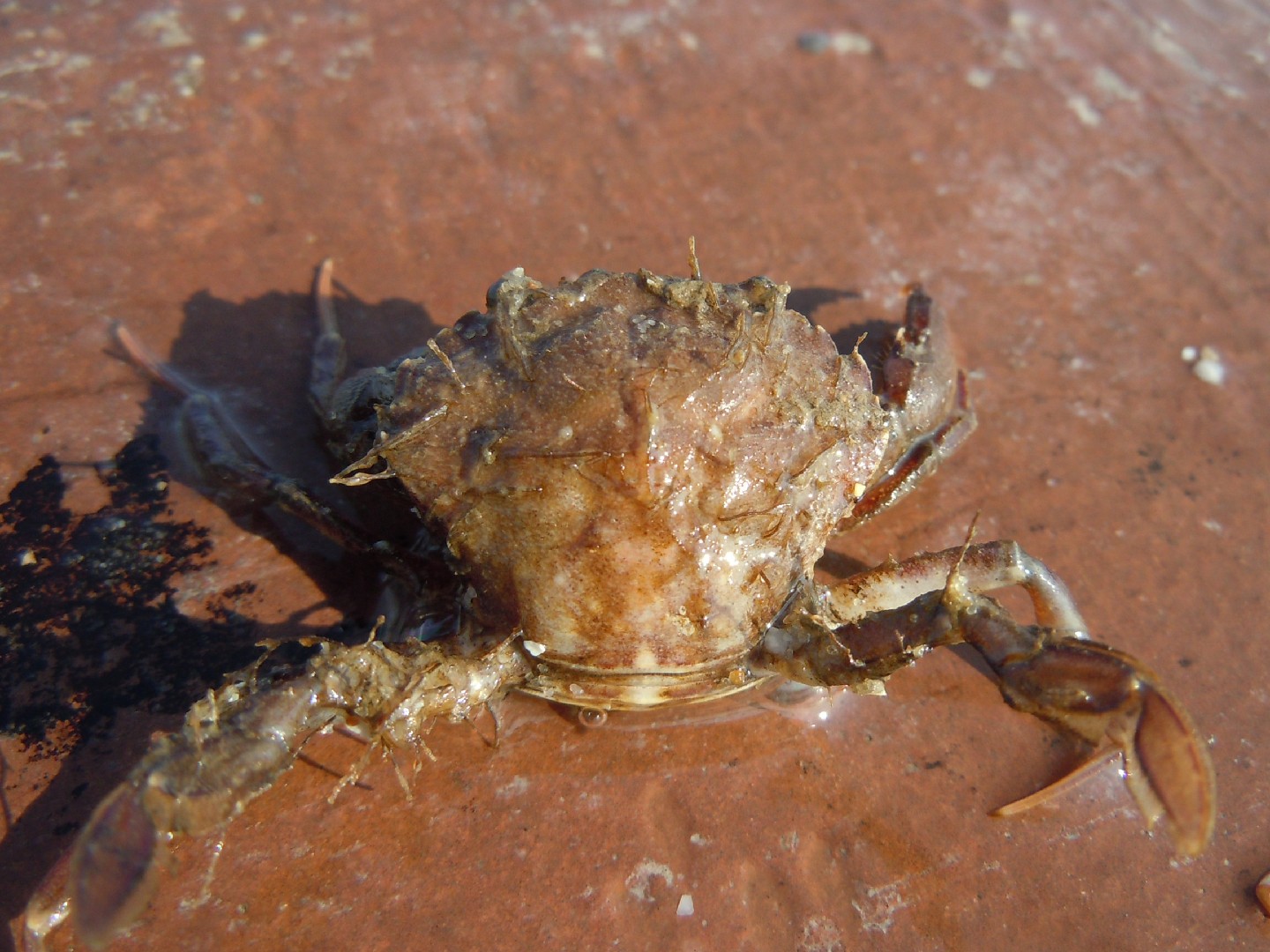
9. Mediterranean green crab
Carcinus aestuarii is a species of crab from the family of the Portunidae. The scientific name of the species was first validly published in 1847 by Nardo.
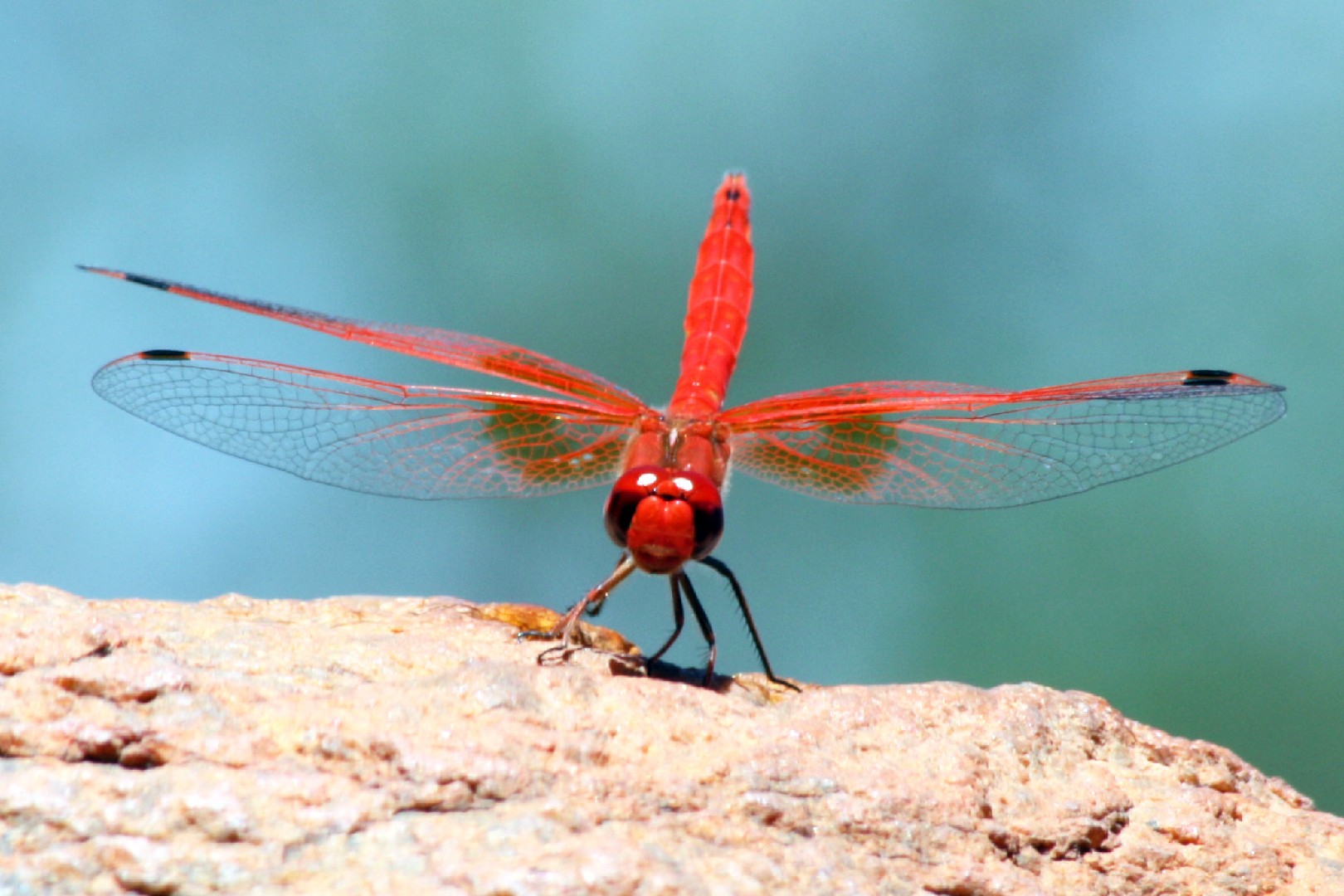
10. Kirby's dropwing
The spotted sun pointer (Trithemis kirbyi) is a dragonfly species from the family of the dragonflies (Libellulidae). Two subspecies are described. The nominate subspecies occurs in India and Sri Lanka, while the insufficiently defined taxon Trithemis kirbyi ardens occurs in the rest of the distribution area, which mainly includes Africa.
More







