




Top 20 Most Common Insects in Ukraine
Welcome to the fascinating world of insects, the tiny creatures flourishing in diverse habitats within the picturesque landscapes of Ukraine. The richness in insect diversity across Ukraine is a testament to the varied geographic locales, climate, and human elements at play. From pests disrupting our day to beneficial bugs nourishing the environment, each insect plays a unique role, beautifully depicting Ukraine's ecological tapestry. Stay tuned to our 'Top 20 Most Common Insects' to discover more!

Most Common Insects
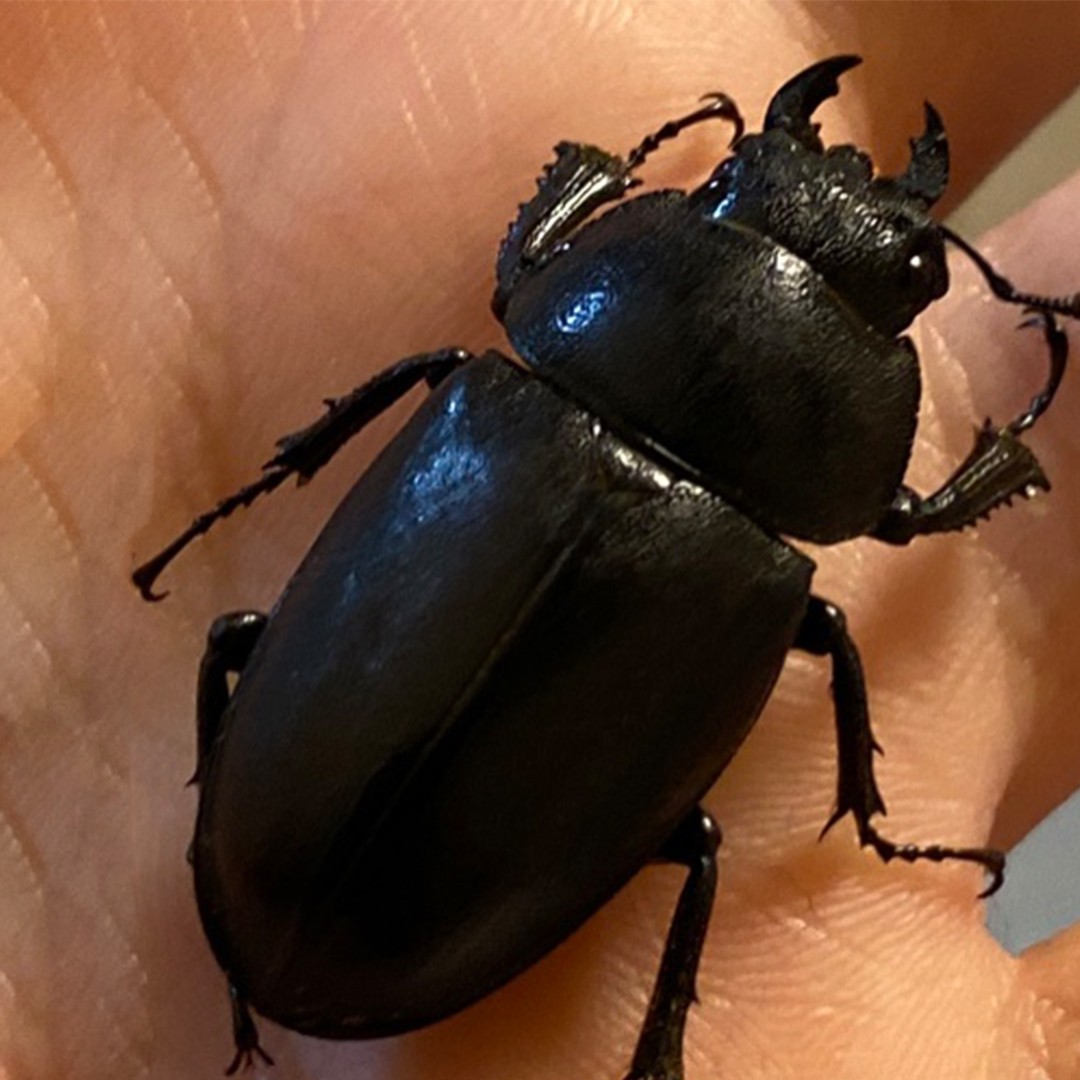
1. Greater stag beetle
The greater stag beetle ( Lucanus cervus ) is popular with insect lovers. The male individual is known for the impressive jaws that look like antlers of a deer. In contrast, females do not have jaws and are much smaller. The adults feed on juices and tree saps while the larvae eat wood. By the way, greater stag beetles are considered a pest in the Middle East where they dig into the root systems of date palms, affecting the date crop.

2. Multicolored asian ladybeetle
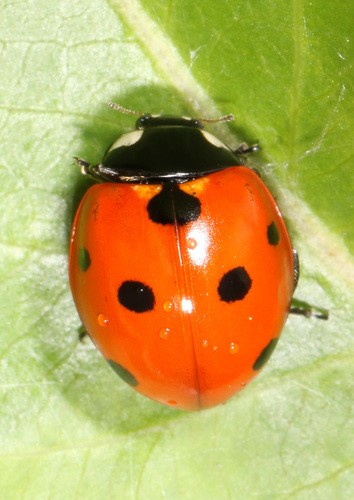
Often confused for the ladybug, multicolored asian ladybeetle (Harmonia axyridis) is a separate species that, unlike the ladybug, is a household pest. It is considered particularly annoying for its habit of returning to places from which it is removed. One of the most variable species in the world, there are many different colors and patterns multicolored asian ladybeetle may display, making identification potentially difficult.
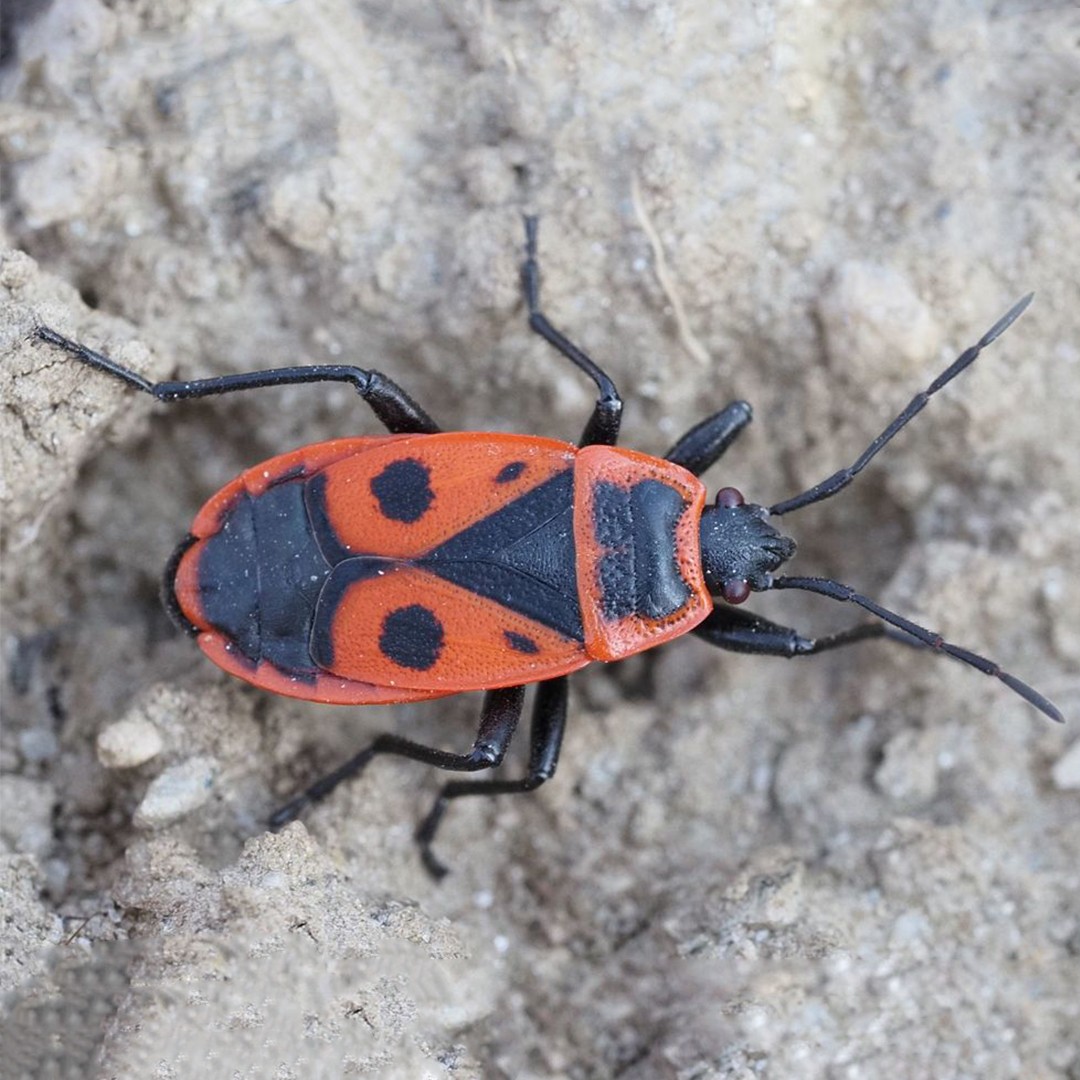
3. European firebug
Named for its striking pattern, european firebug is often described as the "firebug." It is known to congregate in large aggregations reaching as many as one hundred individuals at a time, particularly while still immature. Because they feed upon the seeds of lime trees, clusters of mating individuals can often be found at the bases of these trees in late spring.
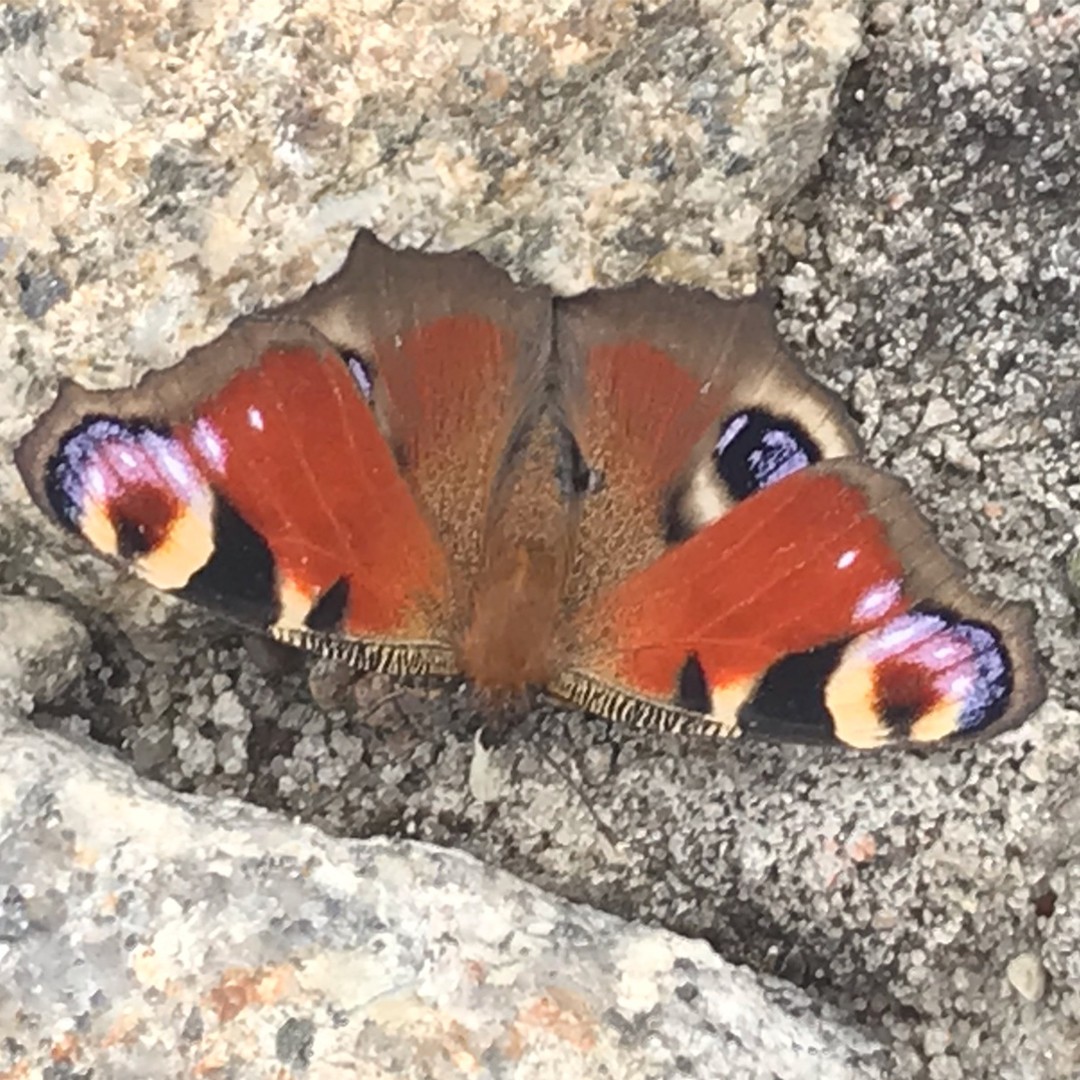
4. European peacock
European peacock (Aglais io) is a colorful butterfly that resides in temperate Asia and Europe – hence its common name. Its prominent eyespots deter would-be predators, who mistake them for the eyes of a bigger, more dangerous species. In recent years, this species appears to be expanding its range into previously uncolonized territory.
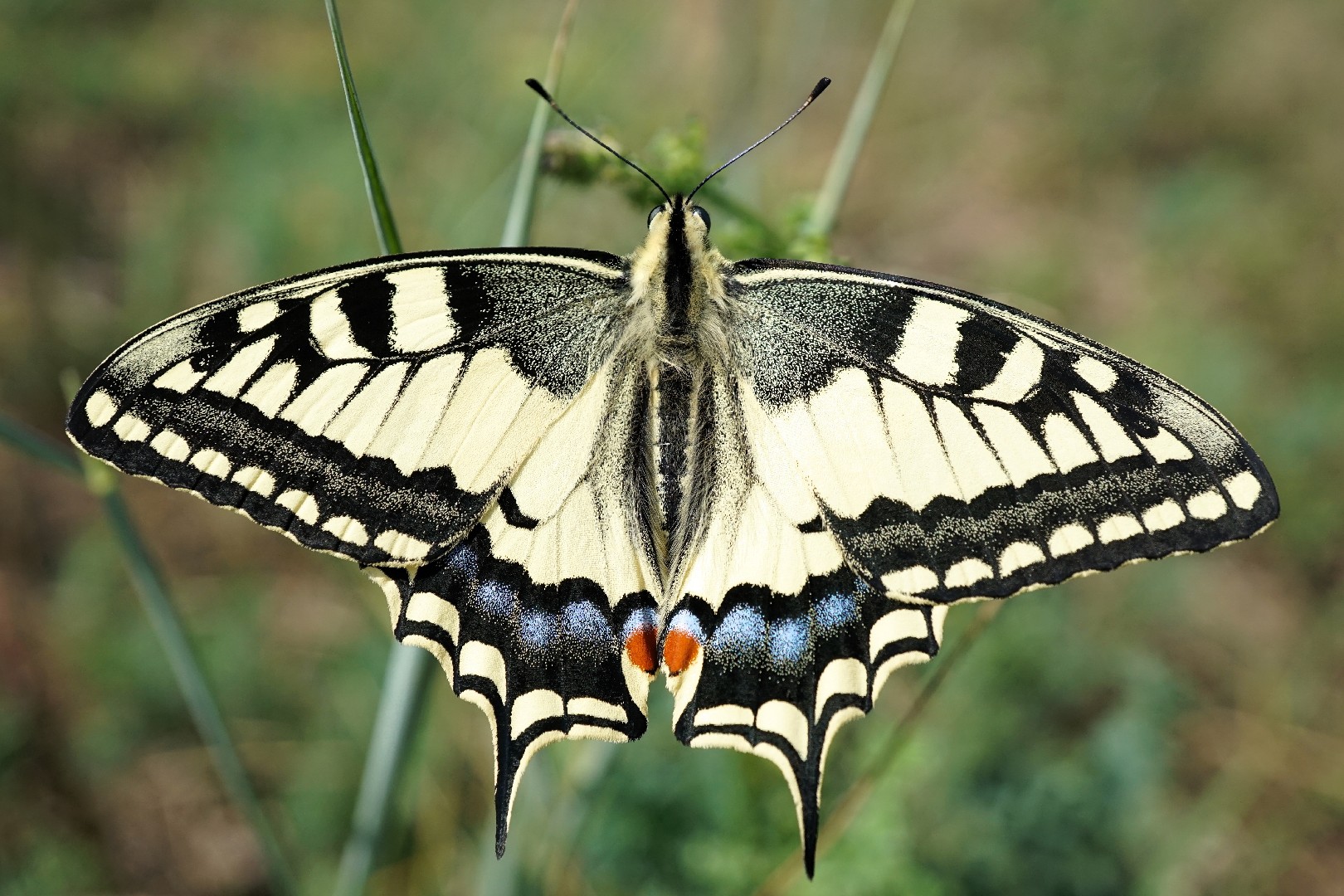
5. Old World swallowtail
The old World swallowtail (Papilio machaon) is commonly just called the "swallowtail," giving it the added title of "old world" to distinguish it and remind us that it comes from the "old world" (Asia, Africa, Europe). The upper side of them is a beautiful combination of pure white with black striping, the underside being a brownish version of the same thing. There is blue and two red dots on its back side.
6. Red admiral
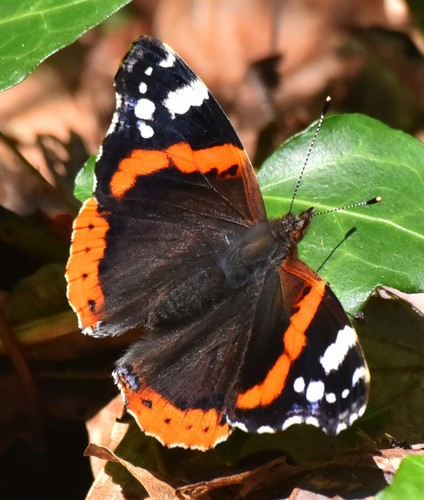
Red admiral (Vanessa atalanta) is a visually striking species of butterfly. Unusually territorial, males will compete for choice areas, and females will only mate with males that maintain their own territories. This butterfly is known for being particularly patient with human interactions, even to the point of perching on clothing or flesh.
7. Green-veined white
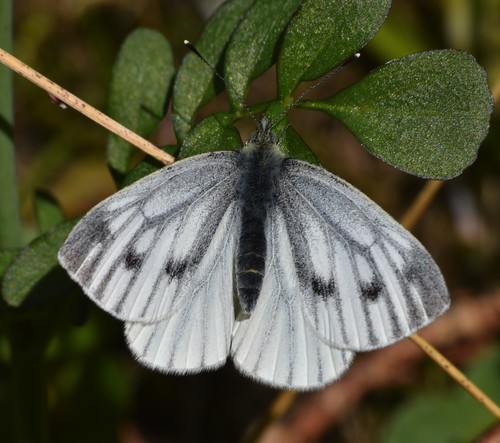
Green-veined white (Pieris napi) is a distinctively white-winged butterfly that lays its eggs in a variety of food plants. This species displays observable differences dependent on sex: males possess only one dark spot on each forewing, whereas females display two. Unlike several of its cousin species, green-veined white prefers not to lay eggs in garden cabbages, rendering it less of a pest to farmers.
8. Scarce swallowtail
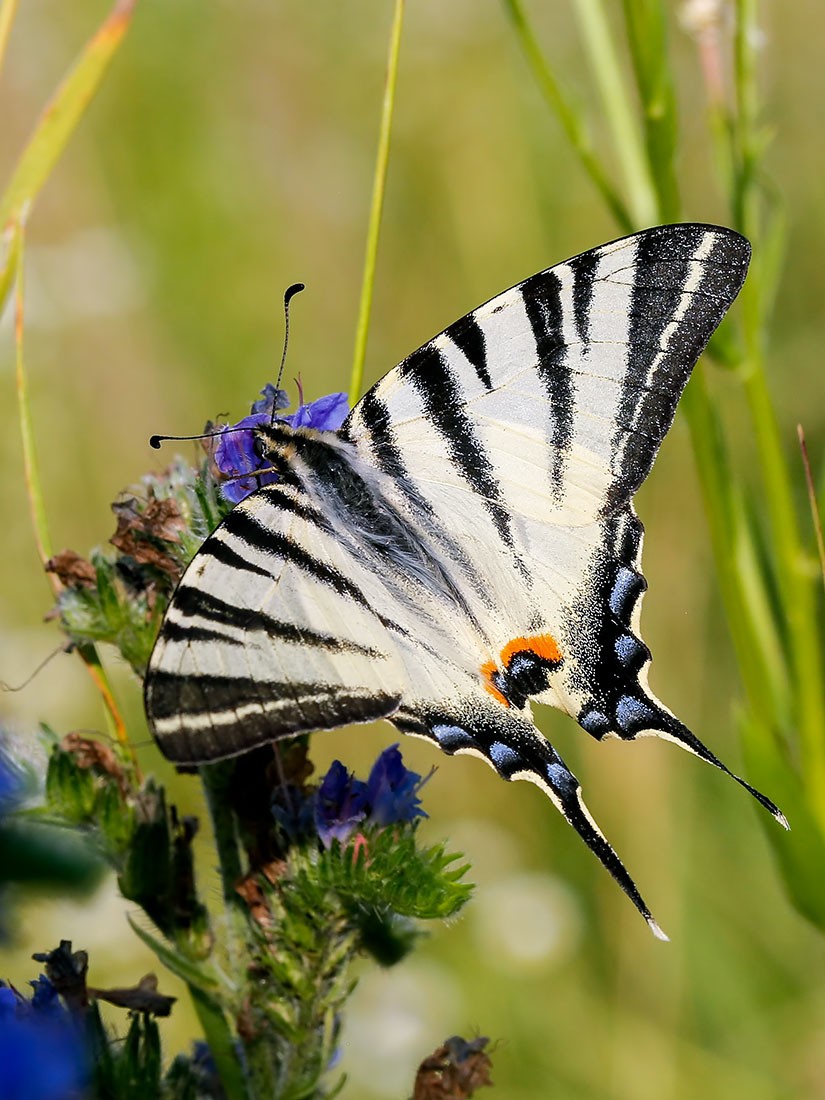
Its slow and floating flight pattern makes it easy to identify the scarce swallowtail as it soars over gardens, orchards, and scrublands. The butterfly has a large presence across Europe, the Middle East, and Asia. The adult lifespan is brief, only two or three weeks. Planting flowers like blackthorn can encourage the butterfly to visit a garden.
9. Meadow brown
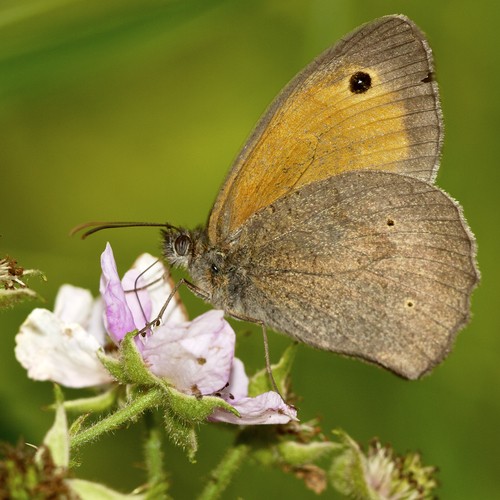
The meadow brown (Maniola jurtina) is similar to the Gatekeeper in the way that it rests with its wings open due to the "eye spots" on either end of its wings that ward off predators. While the color is a deep brown, the caterpillar form is a beautiful bright green with little, white hairs and a dark line leading down its back.
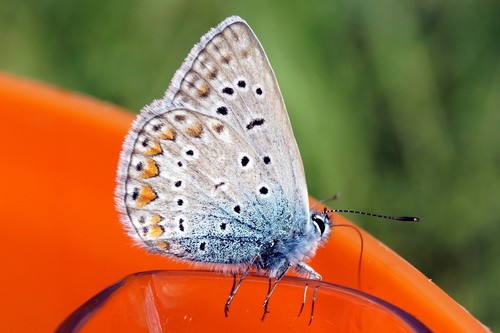
10. Common blue butterfly
Despite its common name, only male specimens of common blue butterfly (Polyommatus icarus) can accurately be described as blue; the females are predominately gray-brown, with only a dusting of blue and a scattering of orange spots. The adults live for only three weeks before dying.


More







