




Top 20 Most Common Insects in Abu Dhabi
Insects, those petite and intricate creatures, hold a vital position in the biodiverse network of Abu Dhabi. They can inhabit a myriad of landscapes, from lush coastal areas to arid desert terrains, each influencing the diversity of species found. While some insects may be seen as pests, others, conversely, play a crucial role in pollinating plants or serving as natural pest control. Our forthcoming list will spotlight the 20 most common insects, indicative of Abu Dhabi's environmental richness and diversity.

Most Common Insects
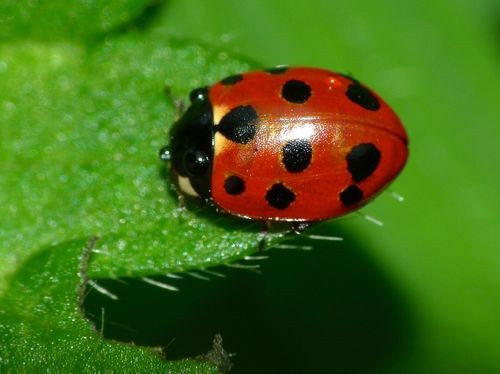
1. Eleven-spot ladybird
The Elfpunkt ladybird (Coccinella undecimpunctata) is a beetle from the family of ladybirds (Coccinellidae).
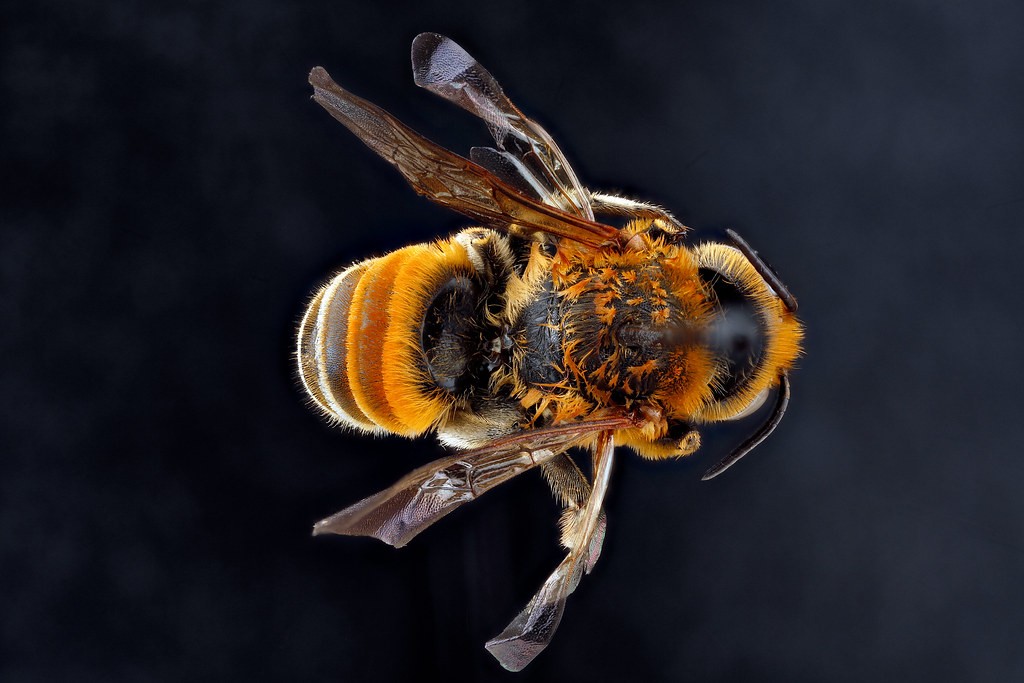
2. Woolly Wall Bee
Megachile lanata is a species of bee in the family Megachilidae. It was described by Johan Christian Fabricius in 1775. 
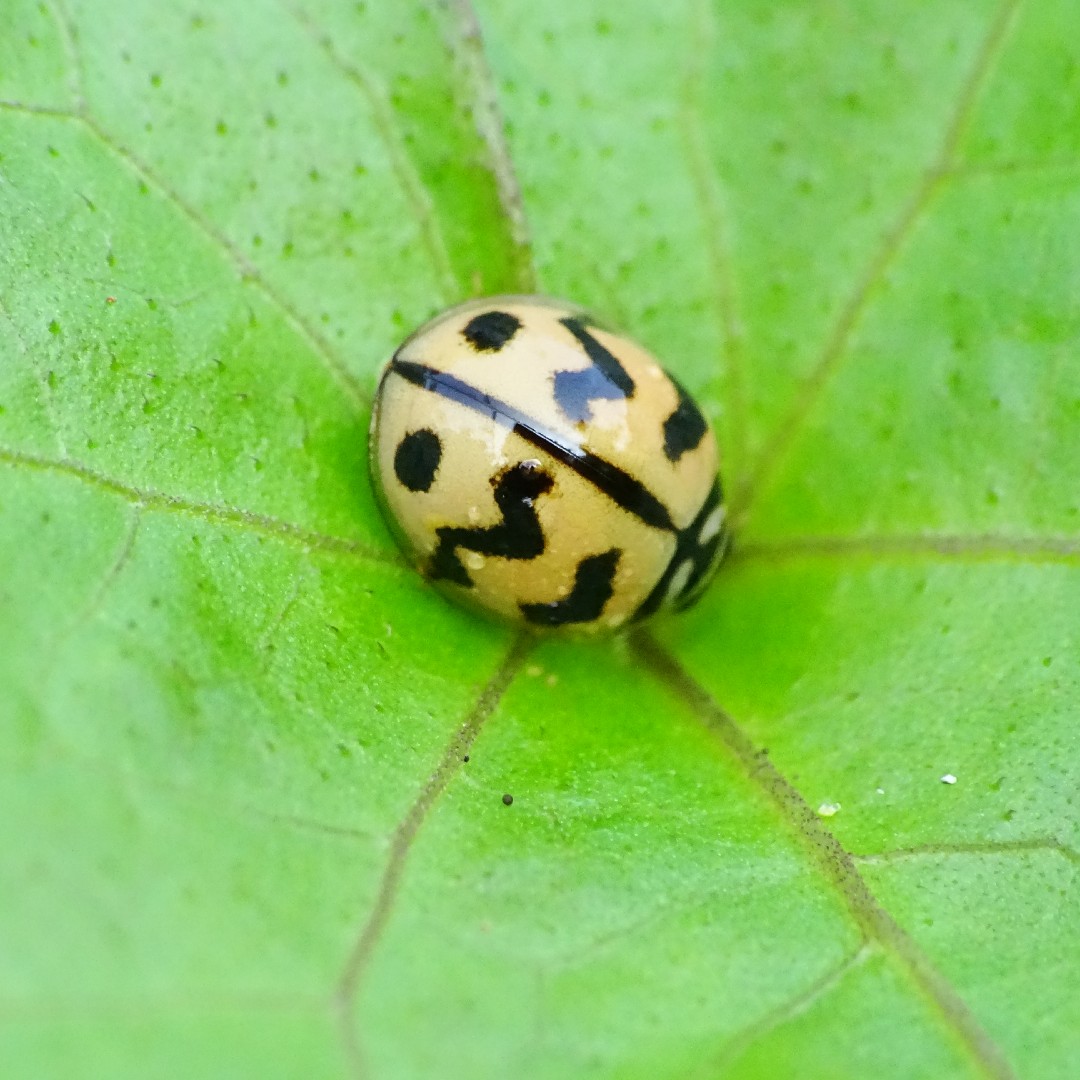
3. Six-spotted zigzag ladybird beetle
The six-spotted zigzag ladybird beetle is a common visitor to agricultural fields in India where it is considered a beneficial insect. It preys on several insects that reduce crop yield and is a more cost-effective and environmentally friendly method of pest control. The insect hibernates in cold temperatures, only appearing from spring through fall.
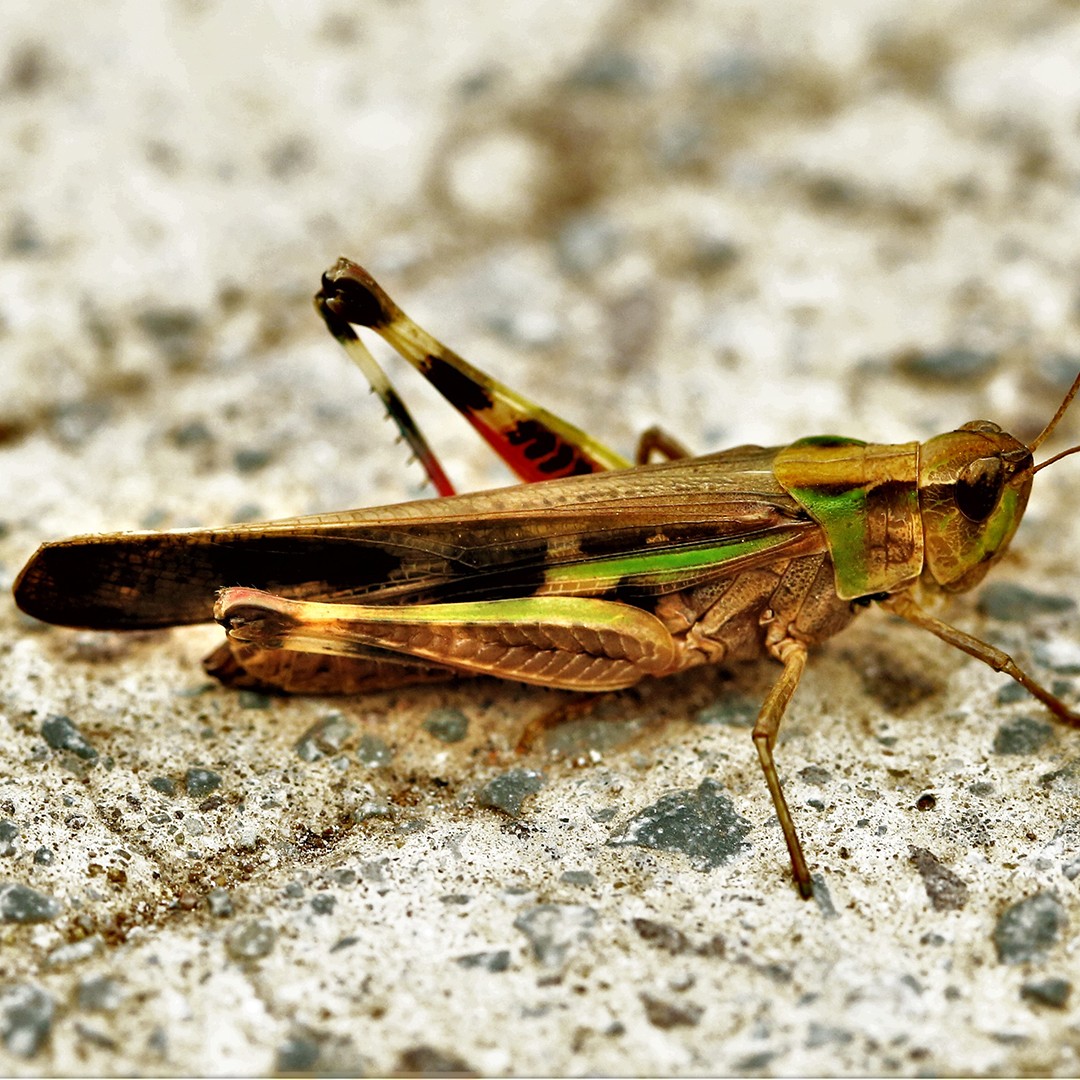
4. Long-winged grasshopper
Aiolopus thalassinus is a species of grasshopper belonging to the family Acrididae, subfamily Oedipodinae. It is present in many countries of Europe (but not the British Isles or Scandinavia), and in the Afrotropical realm to Asia and the Pacific islands. The colouration of this species is generally from clear brown to dark brown. Females have a size of 21–29 mm and males of 15–19 mm.
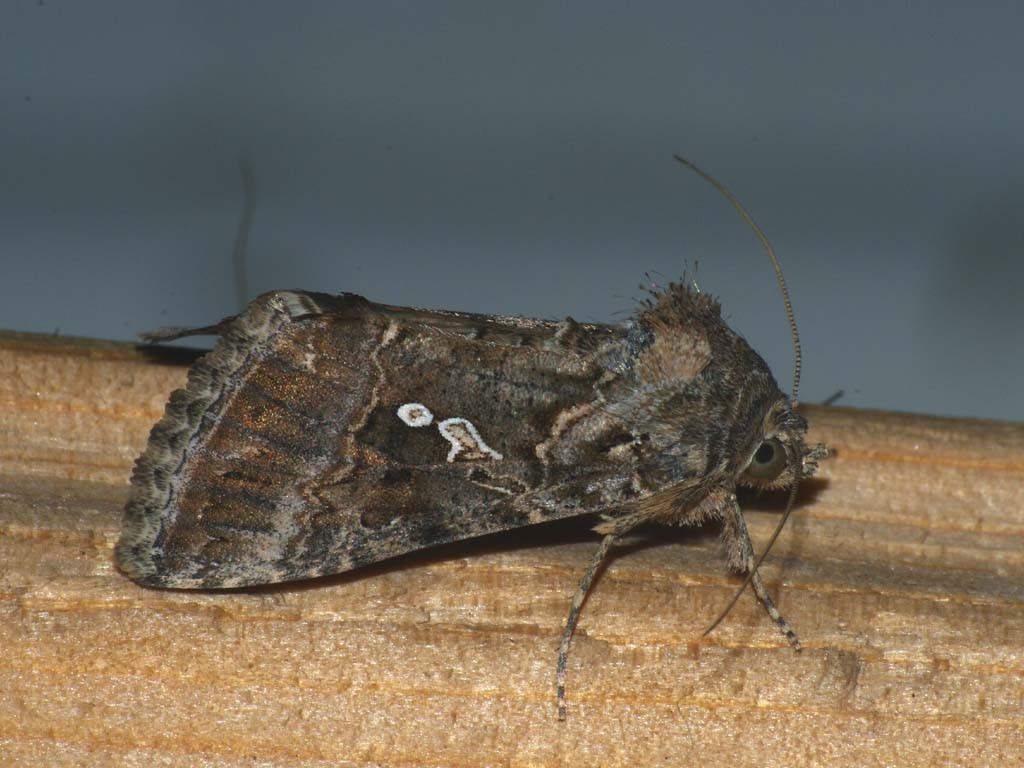
5. Cabbage looper
As its common name suggests, the cabbage looper moth prefers to feed on cabbage plants and other vegetables such as broccoli and kale. It also has the word "looper" in its common name because of the larvae's tendency to arch their bodies into a loop shape as they crawl. These larvae can eat up to three times their body weight in a day.
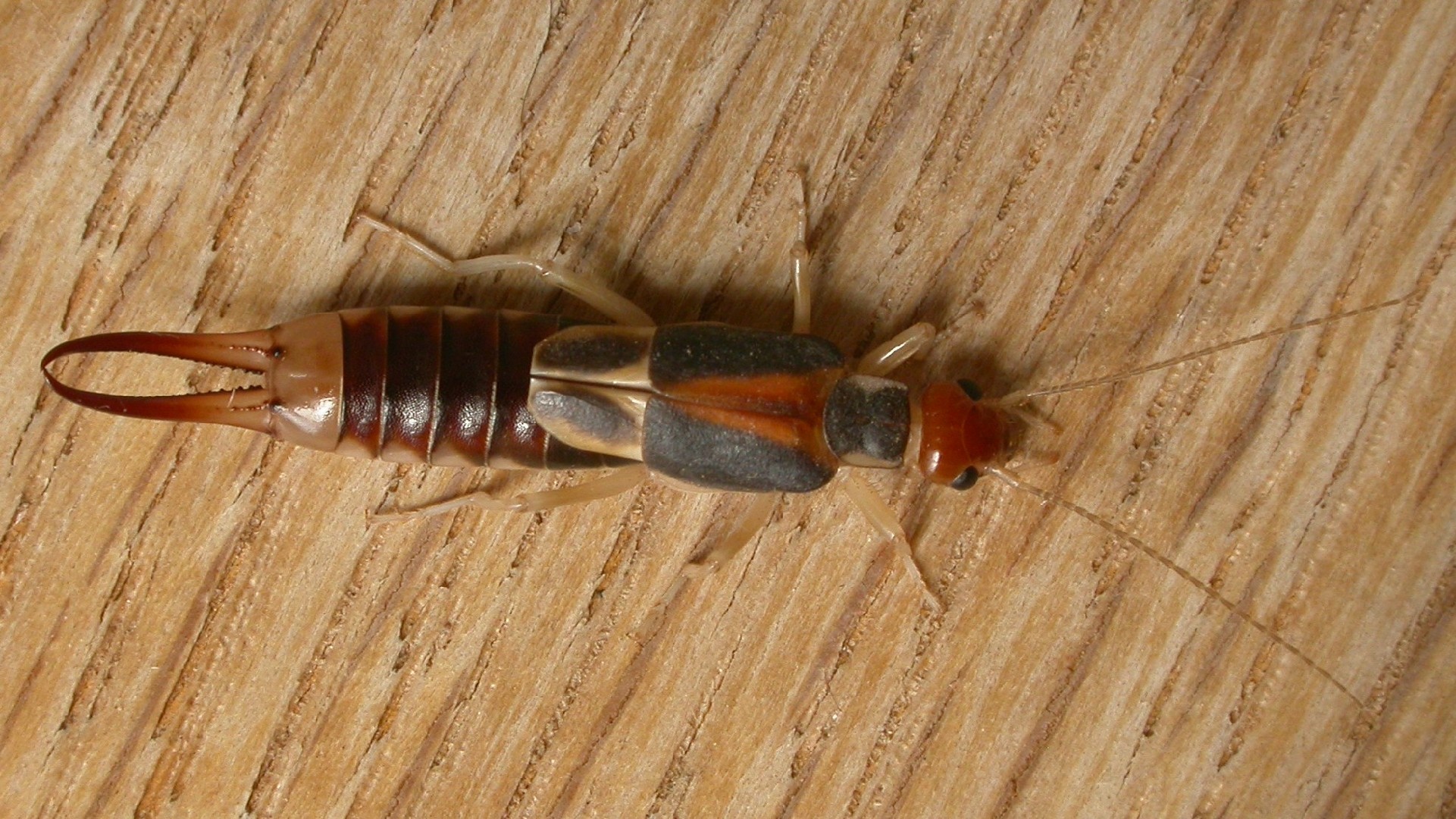
6. Striped earwig
The striped earwig is a good insect to control pests since it preys on a wide range of other insects. It also releases a rotten-smelling pheromone to deter predators. Its main predators are ants. The males have two penises, and they can choose to use either of them. They can produce two to three generations per year, and the last generation will hibernate during the winter.
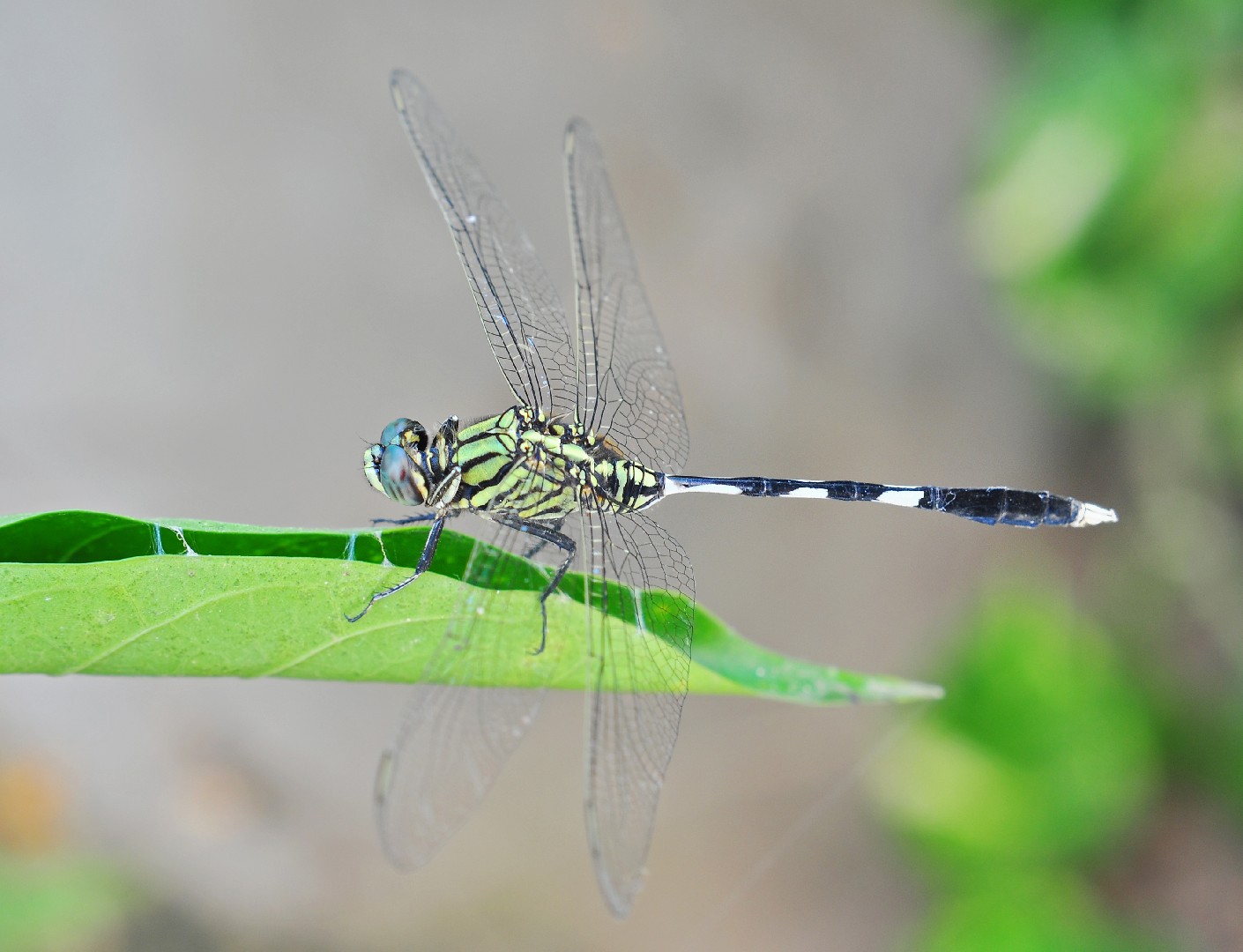
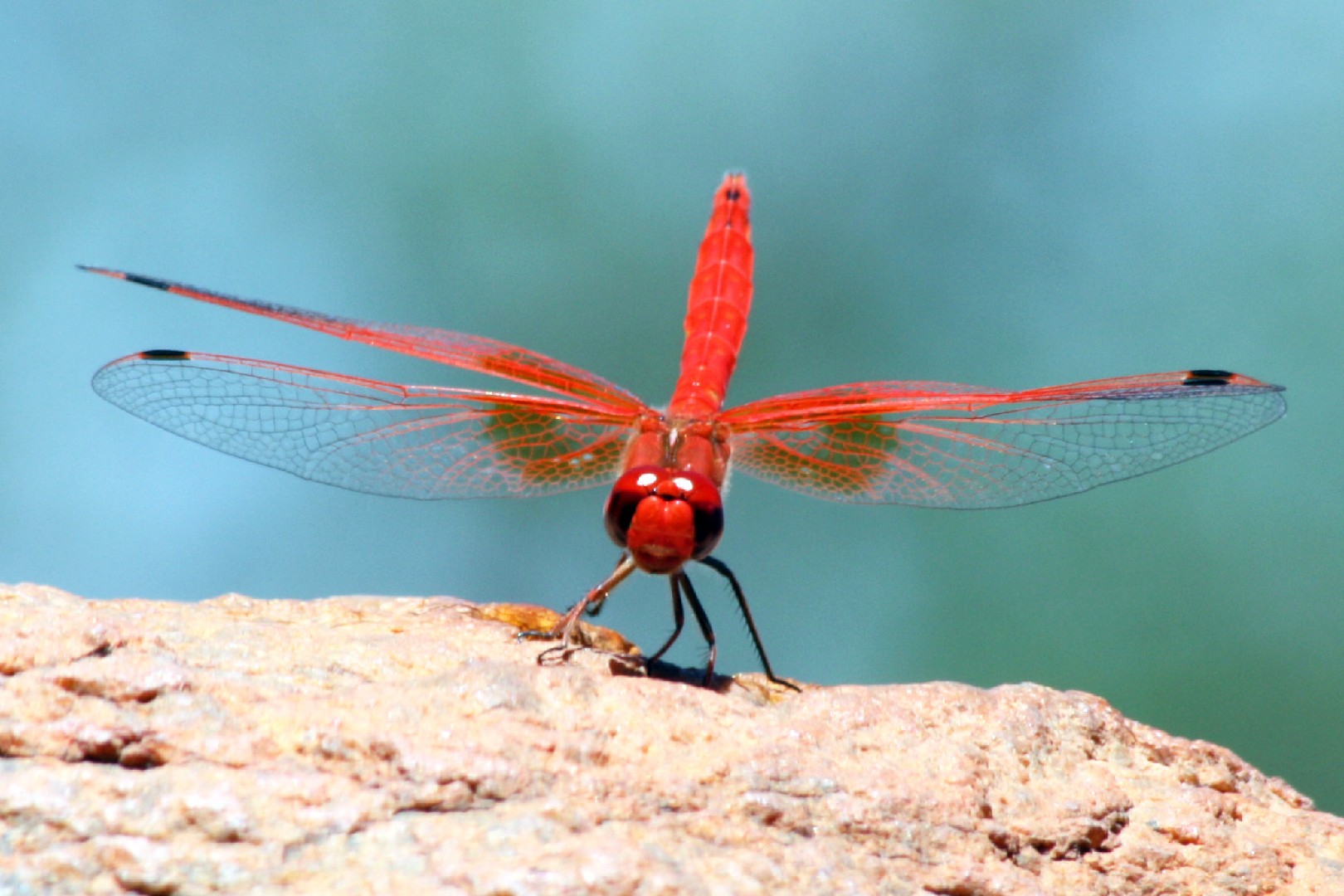
7. Slender skimmer
The species is on the IUCN Red List as not endangered, year of assessment 2009. The slender bank dragonfly occurs from Southeastern Europe and North Africa to Japan and Australia
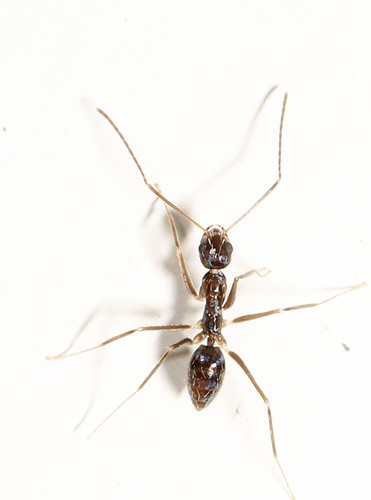
8. Longhorn Crazy Ant
The longhorn Crazy Ant (Paratrechina longicornis) has earned its name through two interesting features. First, the "longhorn" part of their name comes from the 12-segmented antennae, which is incredibly long. The "crazy" part of its name comes from its rebellious nature to move in erratic patterns. Other ants tend to stay in more orderly patterns.
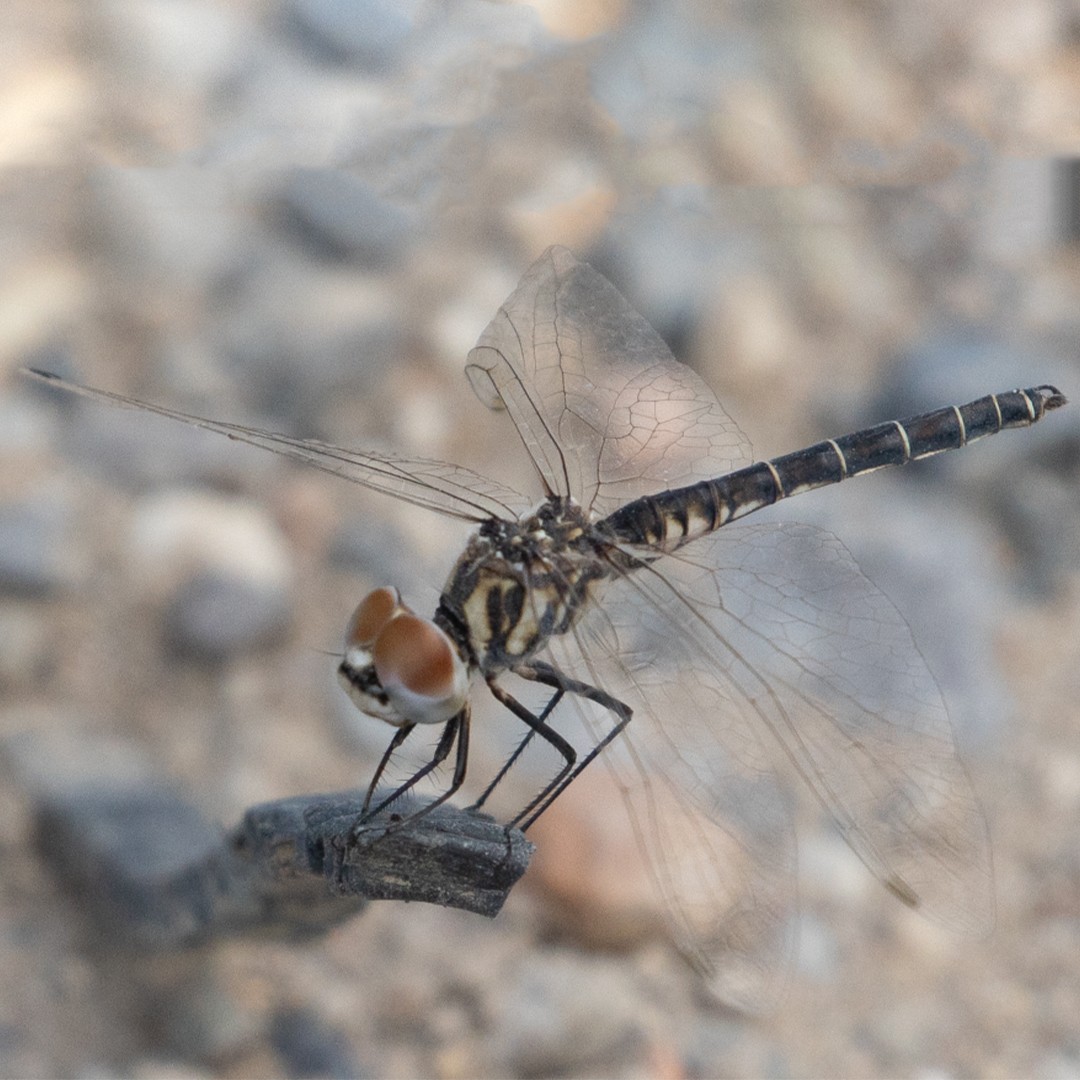
9. Little skimmer
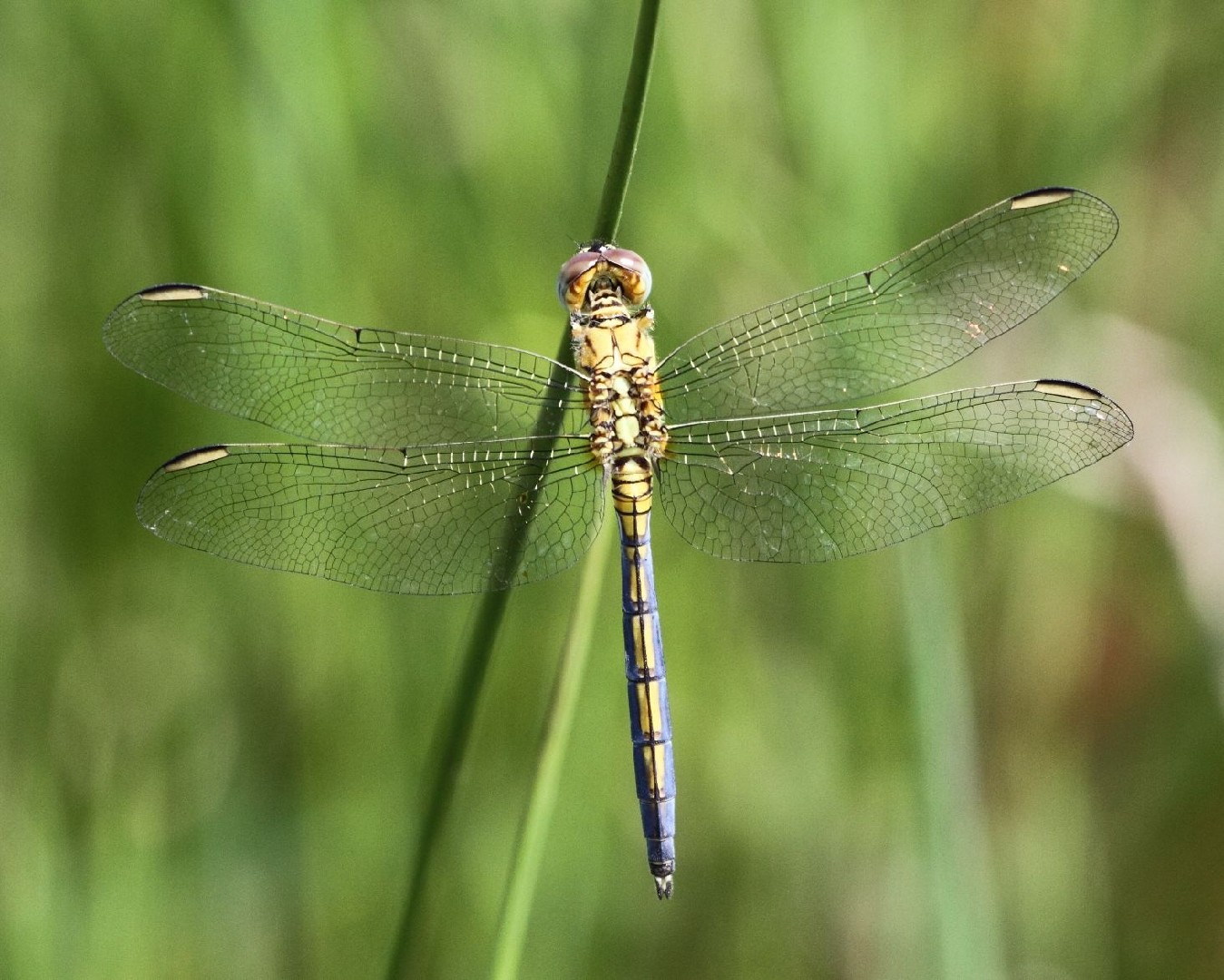
The little skimmer (Orthetrum abbotti) earns its name by being fairly small and skimming across the water. It goes through many evolutions, but it is an insect that typically shows its age. Older females tend to lose their yellow coloring for older greys. Much like our grandparents, their greys remind us that this insect has seen a lot of life.
10. Turkestan cockroach
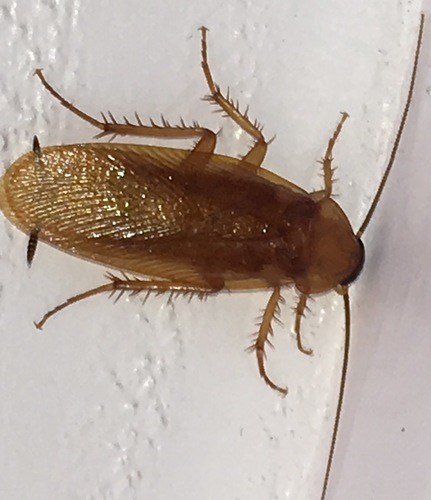
Turkestan cockroachs generally dwell outside, although the males occasionally come indoors for shelter or due to their attraction to light. In the U.S., this species is sometimes used as food for pet reptiles since they do not climb surfaces or burrow into the ground like other types of cockroaches.
More







