




Top 20 Most Common Insects in Seaside
Insects, unique creatures of various shapes and sizes, are integral to the ecosystem of Seaside. From the buzzing bees that aid pollination to ants playing recycling agents, these common 20 bugs contribute well beyond their weight. Despite a few pests, understanding their co-existence with our city landscapes can foster a balanced, healthy environment.

Most Common Insects
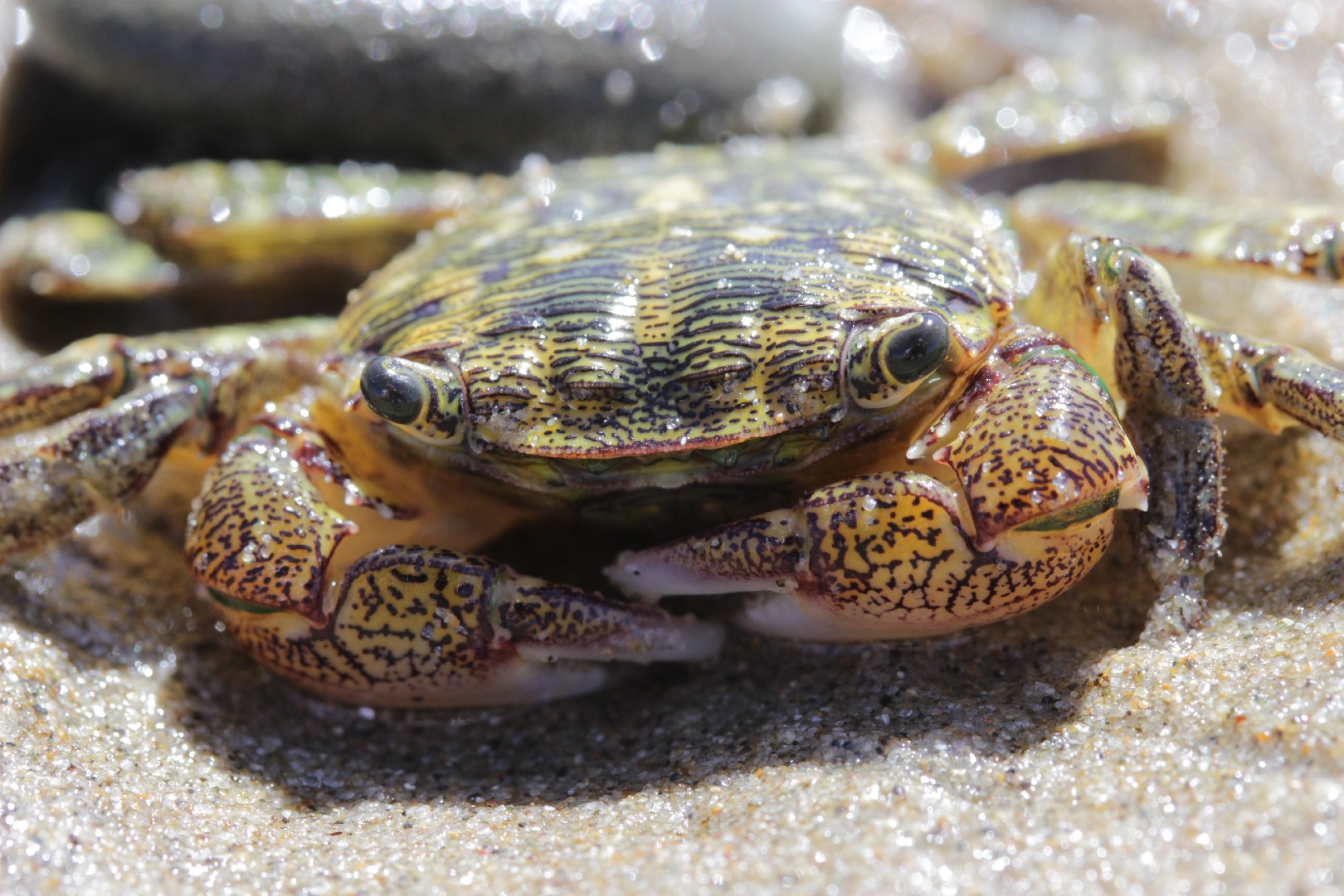
1. The striped shore crab
The striped shore crab spends half of its time out of the water, usually hiding in small cracks among rocks. It is well adapted to semi-terrestrial life and said to be able to thrive on land for up to 70 hours. When night falls and its predators are not active, the the striped shore crab emerges out from rock cervices, seeking food.
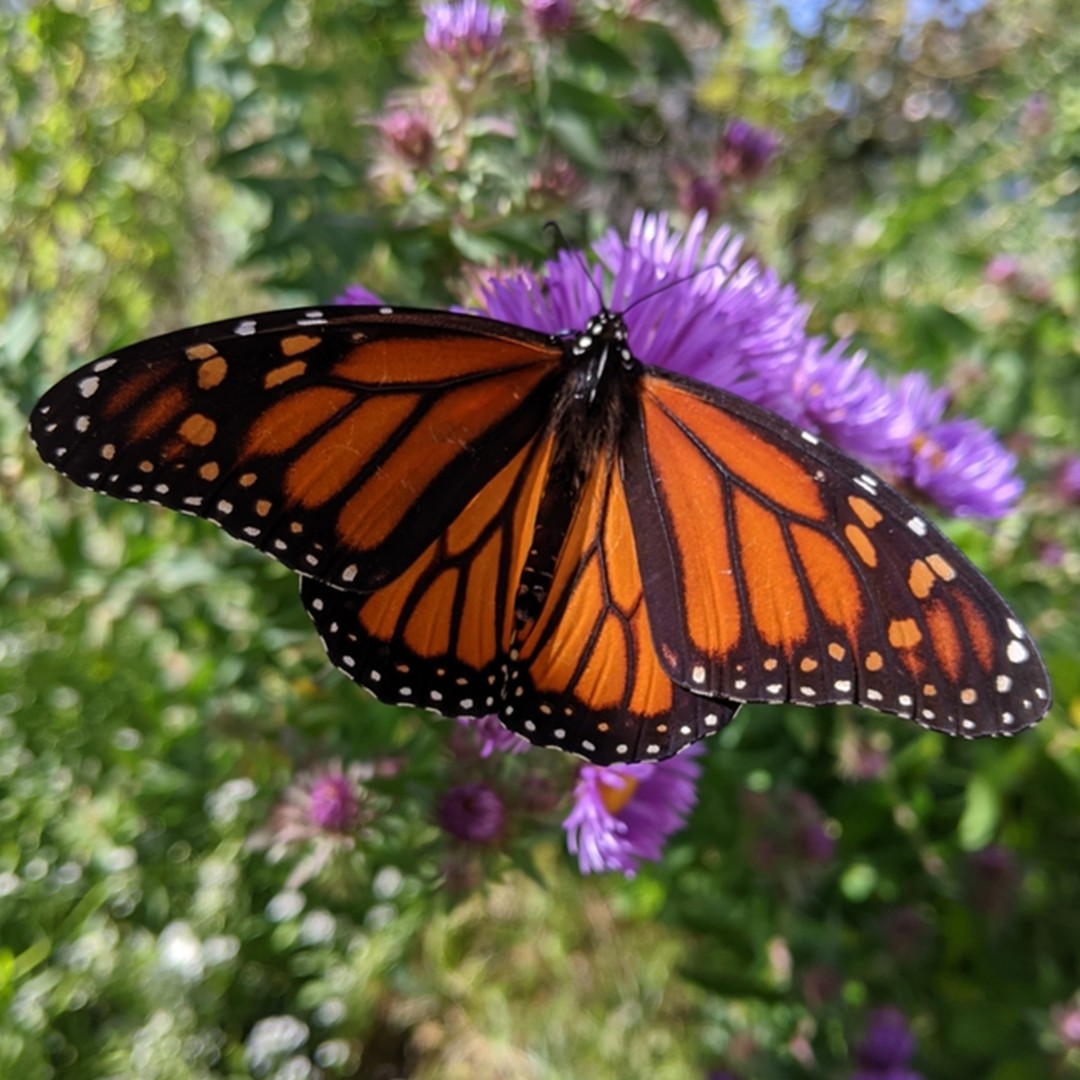
2. Monarch butterfly
The monarch butterfly (Danaus plexippus) is the most recognizable butterfly in North America. It is best known for its appearance, but should be better known for the fact that it has a 3000-mile migration that takes the butterfly 4 generations to complete. Their diet is also a natural deterrent for predators, as they eat milkweed, a poison that induces vomiting.
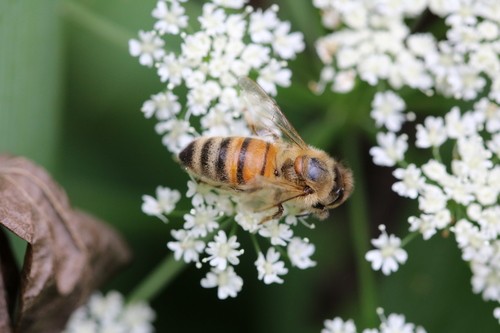
3. Western honey bee
Western honey bee(Apis mellifera) is the most common species of honeybee in the world. Among the first domesticated insects, its cultural and economic impact on humanity has been vast and far-reaching, providing honey, wax and its services as a pollinator. Western honey bee faces challenges worldwide, such as colony collapse disorder, and populations are thought to be decreasing.
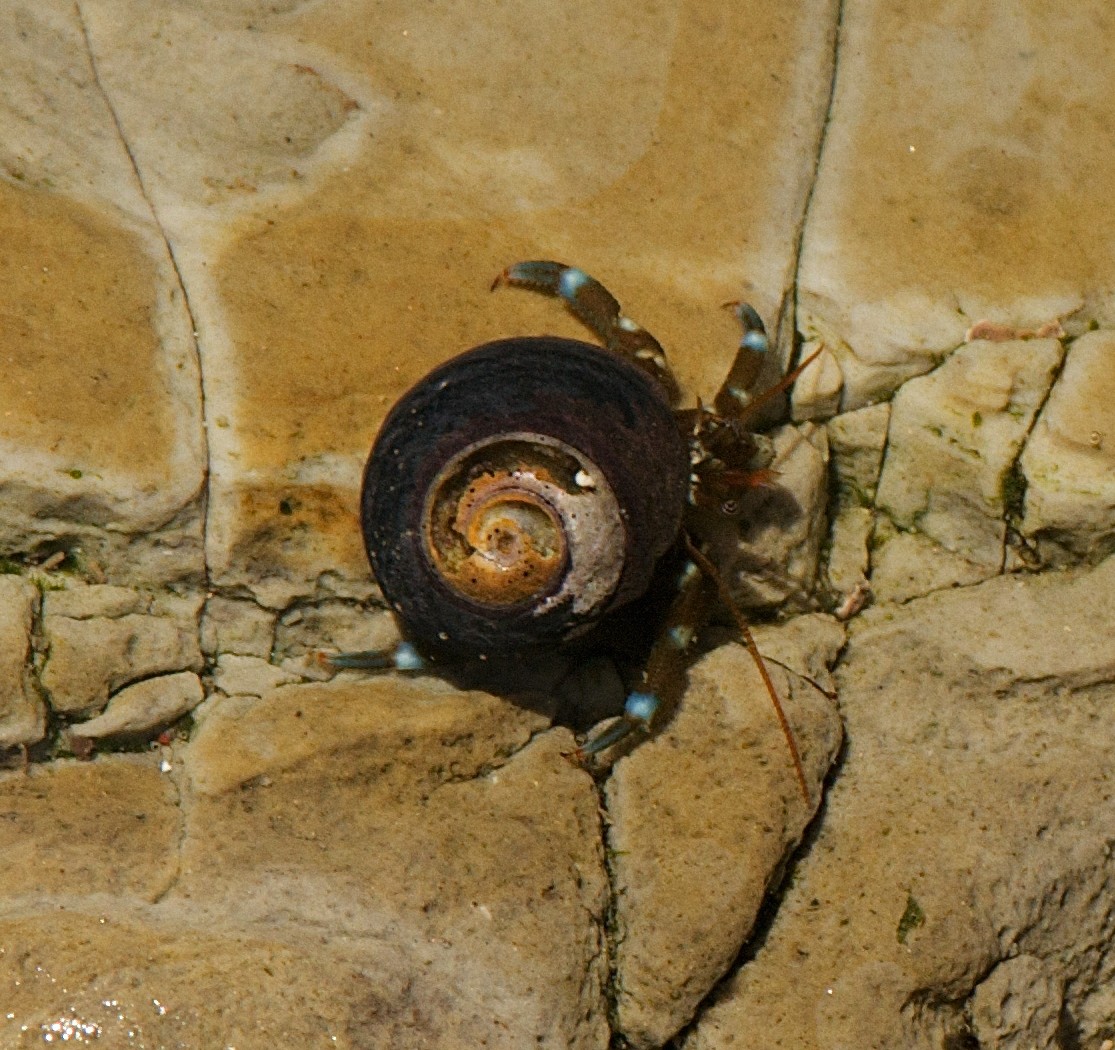
4. Blueband hermit crab
Pagurus samuelis is a small hermit crab, at up to a total length of 40 mm (1.6 in) and a carapace width of up to 19 mm (0.75 in). The base colour of the exoskeleton is brown or green, but the antennae are red, and adults have bright blue bands near the tips of their legs. In smaller individuals, the bands may be white. The legs and carapace are covered in setae, and the rostrum at the front of the carapace is triangular. 

5. California oakworm
The california oakworm (Phryganidia californica) loves to spend time with oak trees. It can be identified with the large wing veins and the tan or grep colorization. During troublesome seasons they have been known to defoliate large groups of trees. Regardless, pesticides are not normally used to address them, as their predators are normally enough to limit the destruction.
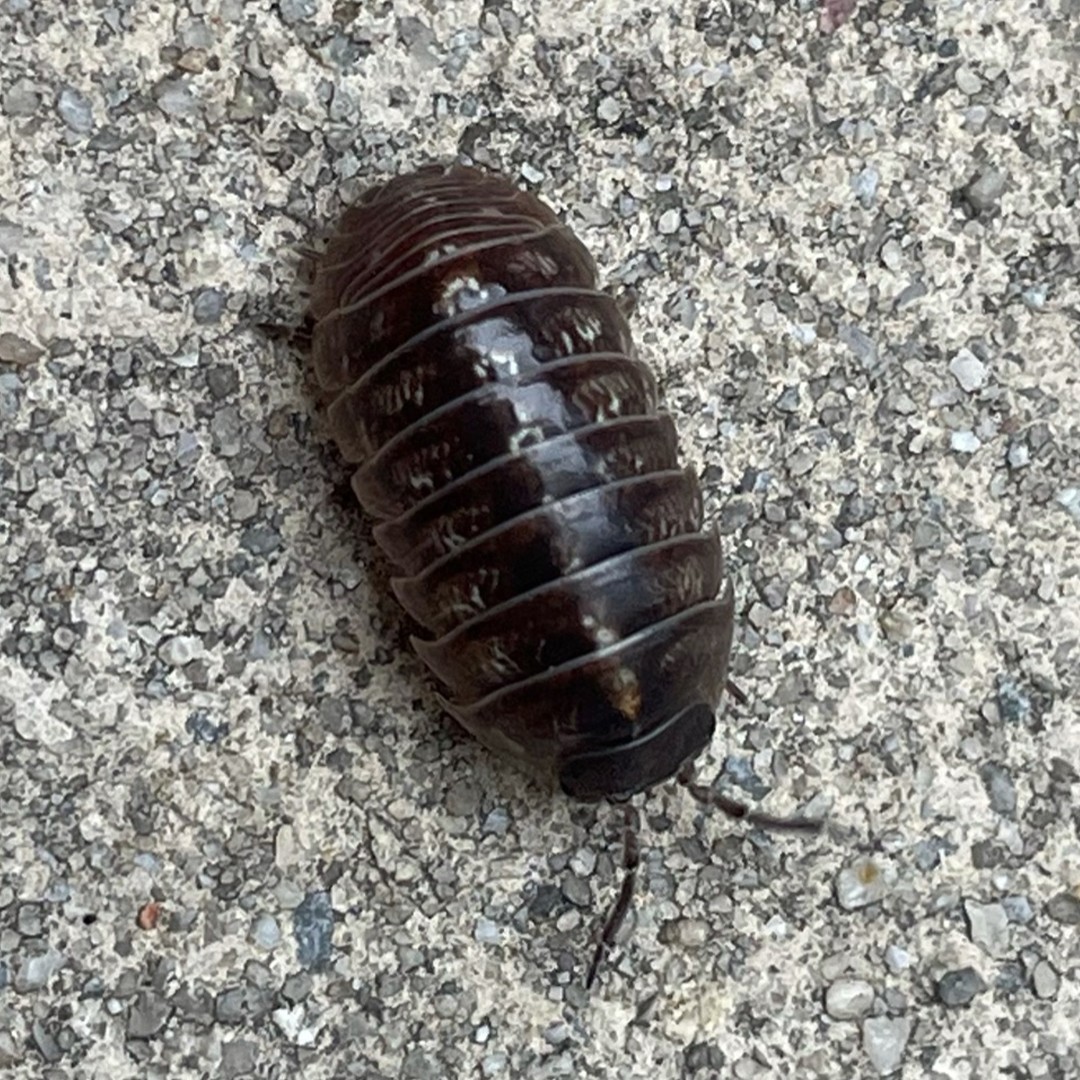
6. Common Pill-Bug
The common Pill-Bug is a nocturnal woodlouse species that's fairly popular among hobbyists and sometimes kept as a pet. When disturbed, this small bug rolls into a ball, resembling a pill or armadillo, hence both its Latin and common English names. Compared to other Armadillidium species, this one is able to withstand drought more than any other.
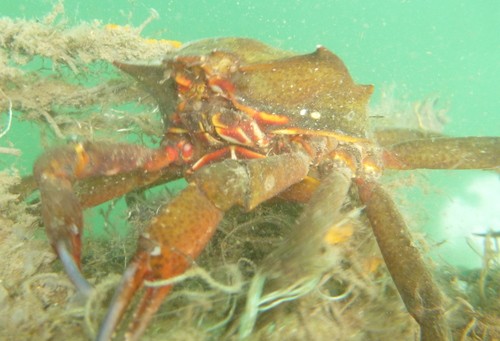
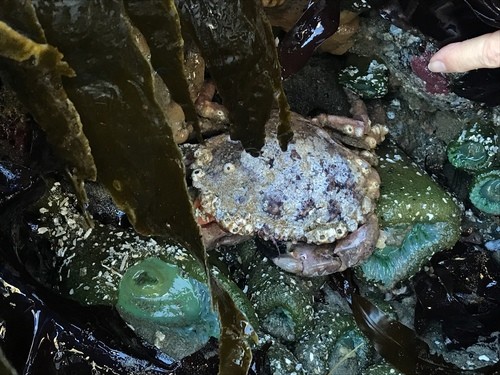
7. Northern kelp crab
Sometimes greenish or reddish in color, the northern kelp crab is a vegetarian that enjoys eating kelp. This nocturnal feeder is commonly found around pier pilings and intertidal areas. The northern kelp crab switches its diet seasonally, turning to mussels and barnacles in winter when the kelp is less plentiful. A favorite food of the sea otter, it often meets its fate when this predator is nearby.
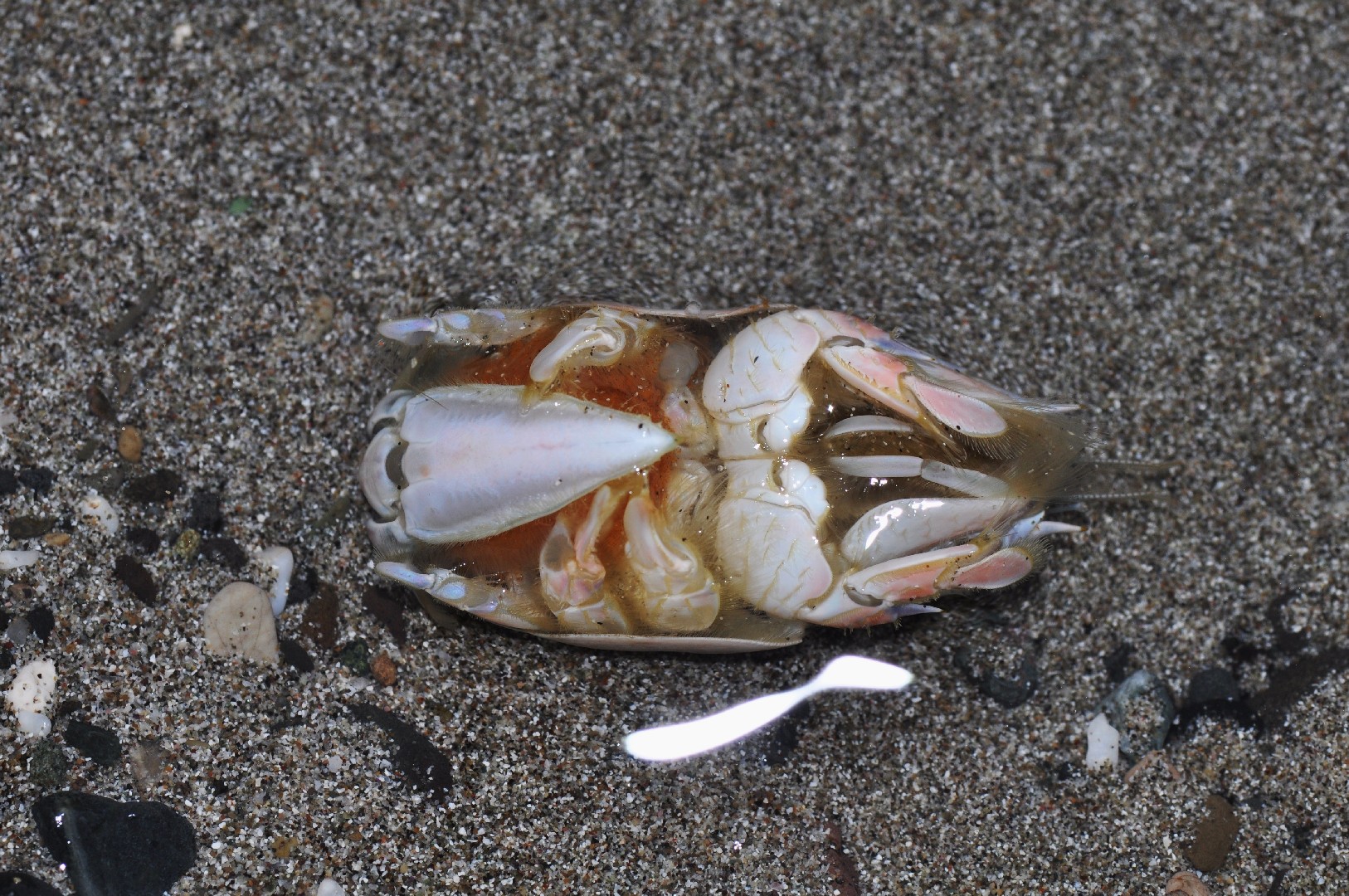
8. Pacific sand crab
Commonly found along the beaches on the Pacific Coast, the pacific sand crab buries itself in the wet sand awaiting the incoming tide. As the waves roll in, this little crustacean extends its eyes and antennae, projecting them above the surface to catch its share of the plankton floating past. It is often used by surf fisherman for bait.
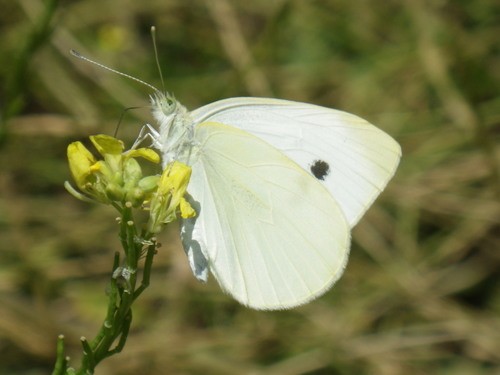
9. Cabbage white
Cabbage white (Pieris rapae) derives its common name from its habits as a caterpillar, which is a ferocious pest for cabbage, kale and broccoli farmers. In North America, it is one of the first butterflies to emerge in spring, heralding the beginning of the season.
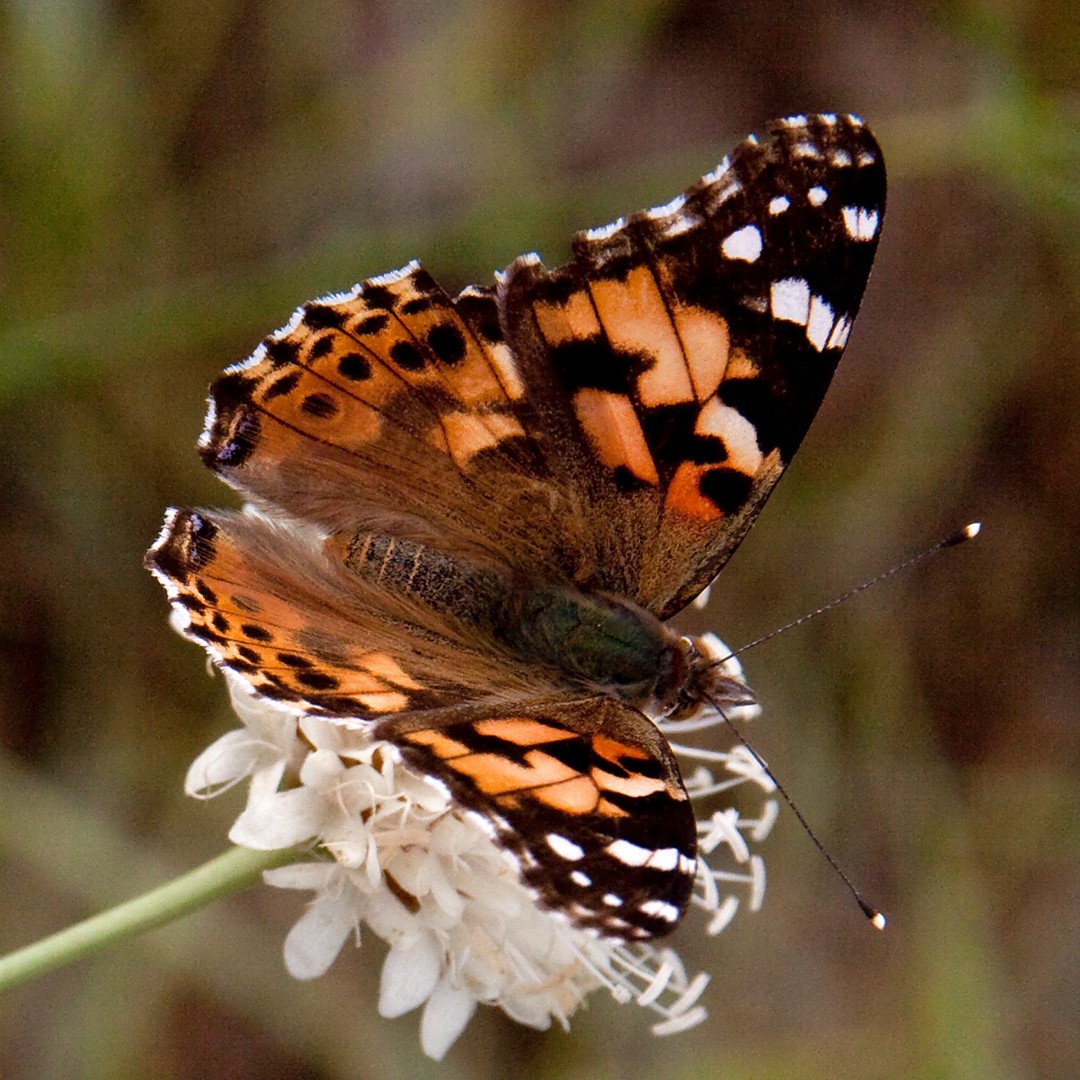
10. Painted lady
The painted lady is a migratory butterfly that spends part of the year in Northern Africa and then migrates to Europe during the warmer months. Although the adults feed on nectar from flowers, the larvae feed on the leaves of nettles and thistles.
More







