




Top 20 Most Common Insects in Wichita
When contemplating the multitudes of insects in Wichita, one commonly envisions a vast assortment of buzzing beauty adorned with myriad colors and patterns. Yet, their role extends beyond aesthetic appeal. These creatures are vital contributors to Wichita's ecosystems, acting as both beneficial organisms and bothersome pests. As we navigate our 'Top 20 most common insects', we will explore how these tiny beings shape, and are shaped by, Wichita's varied environments.

Most Common Insects
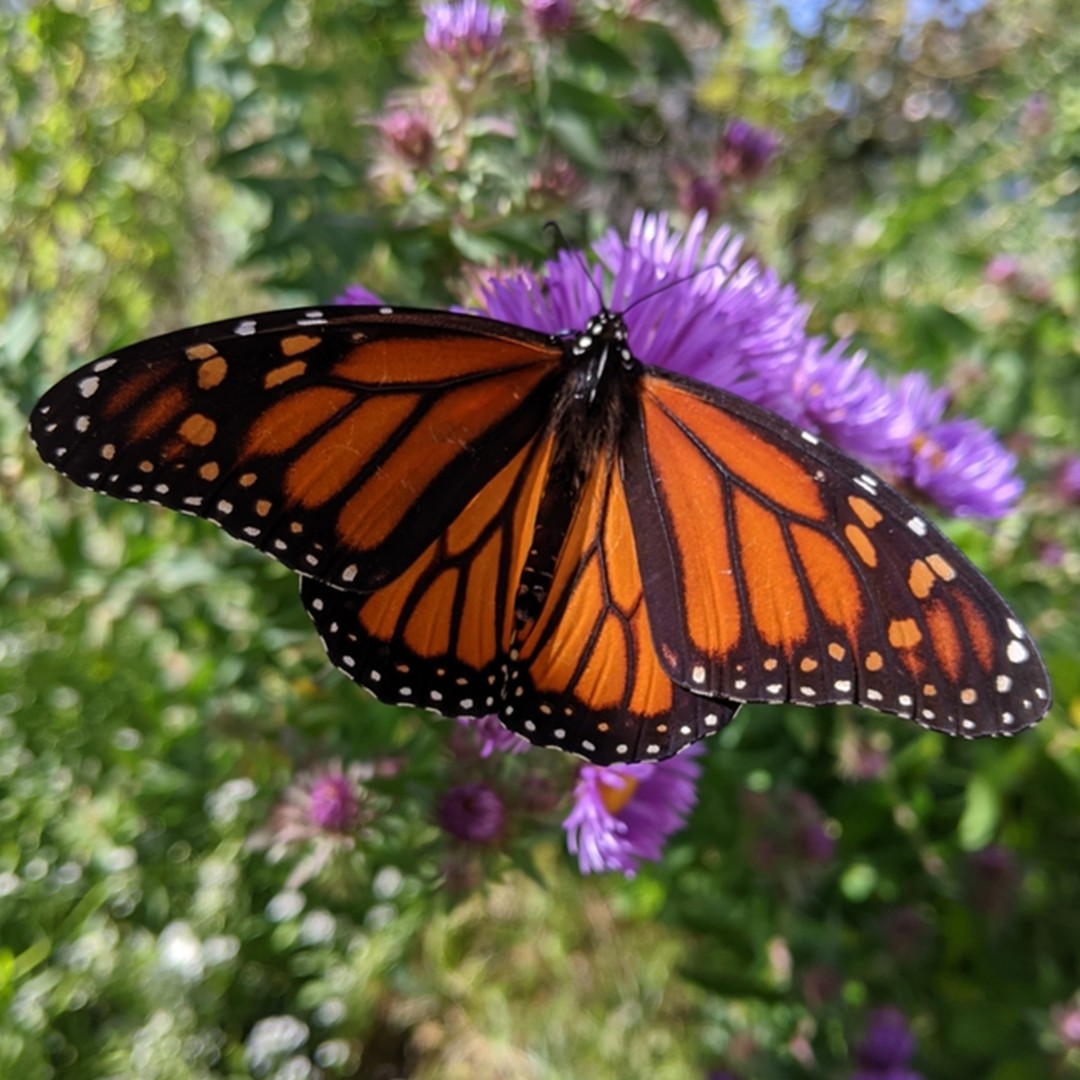
1. Monarch butterfly
The monarch butterfly (Danaus plexippus) is the most recognizable butterfly in North America. It is best known for its appearance, but should be better known for the fact that it has a 3000-mile migration that takes the butterfly 4 generations to complete. Their diet is also a natural deterrent for predators, as they eat milkweed, a poison that induces vomiting.
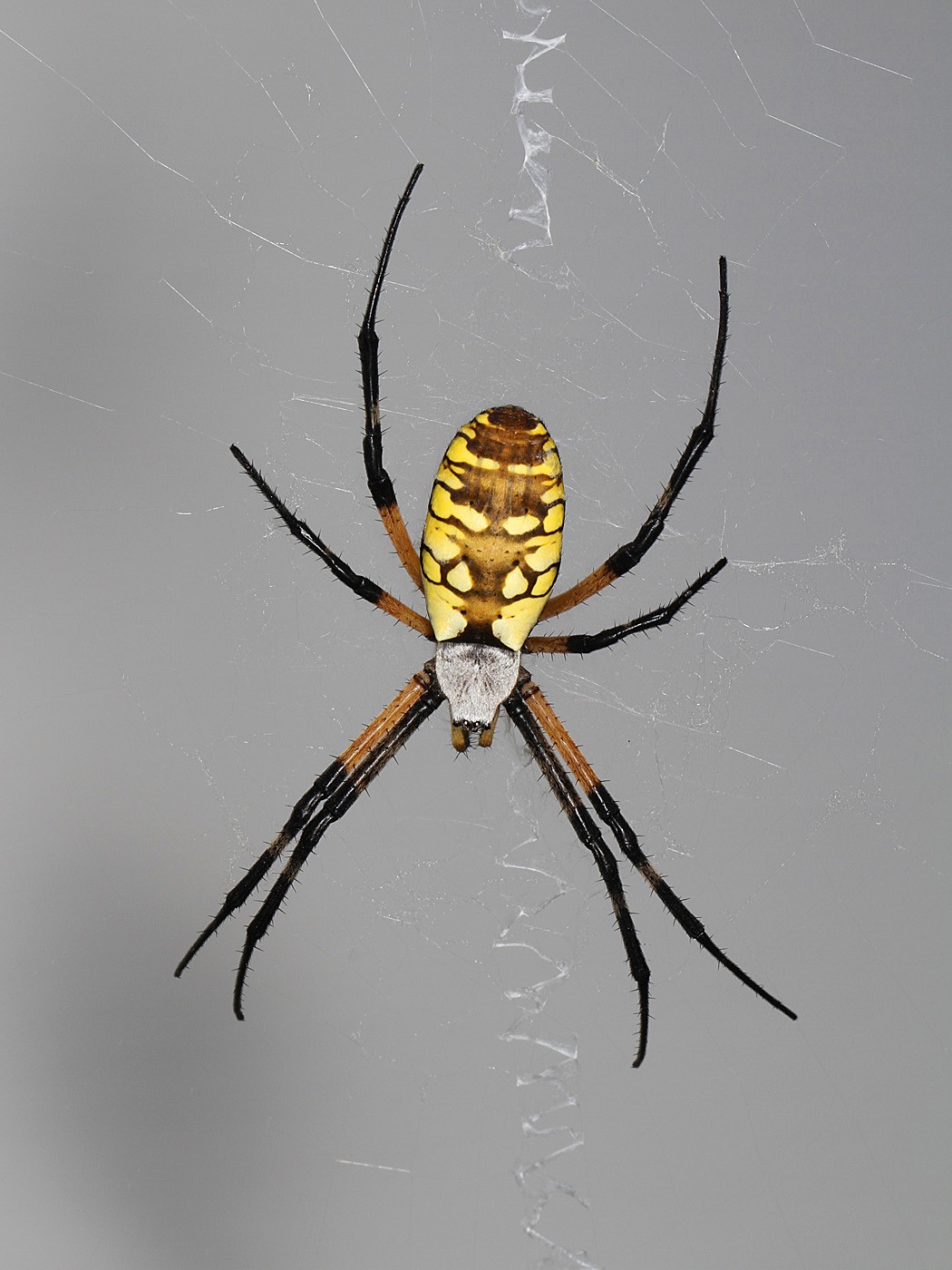
2. Yellow garden spider
The yellow garden spider (Argiope aurantia) is an arachnid that connects itself to its web to feel vibrations that signal to him prey has been caught. Its venom is harmless to humans but perfect for catching smaller insects that might cause harm to your garden. Yellow garden spiders web construction process includes bridge construction and scaffolding, making it among the more complicated web patterns.
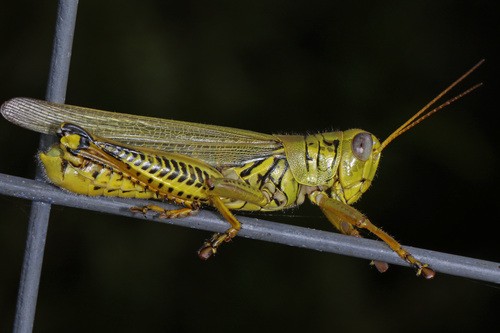
3. Differential Grasshopper
The differential Grasshopper (Melanoplus differentialis) is considered a pest due to its love of grains. It is known to travel great distances in the search for food. One group released in South Dakota was found 20 miles from its released location after a 2 day period.
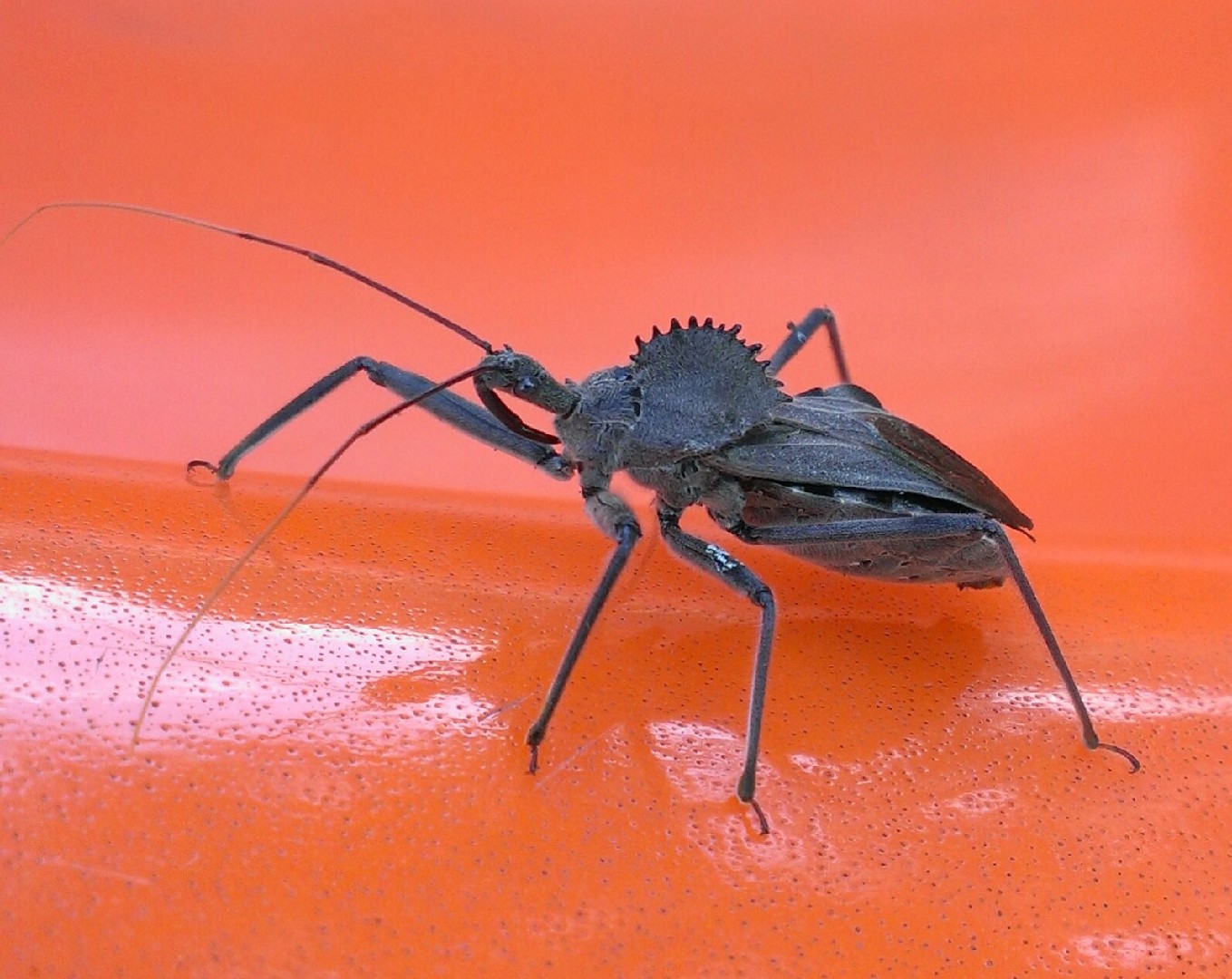
4. Wheel Bug
The wheel Bug (Arilus cristatus) gets its name from the spiked wheel on the top of his head. The punk rock look suits these bugs, as their bite tends to be more painful than a bee sting. Another nickname, assassin bug, is earned through its hunting of many bugs we would consider as crop pests and indoor pests. Their saliva is toxic, usually killing prey within 30 seconds of injection.
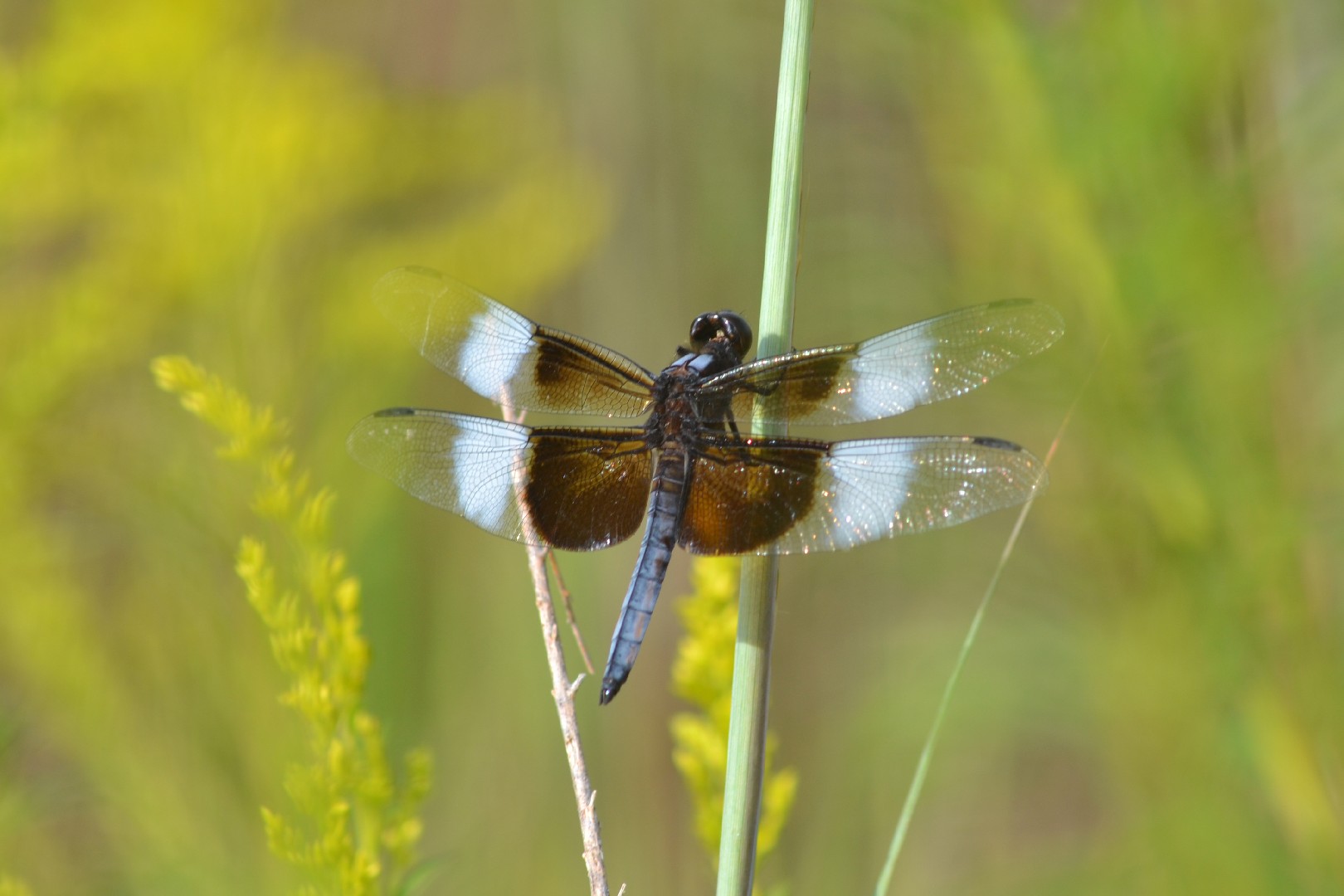
5. Widow skimmer
The widow skimmer (Libellula luctuosa) is a large insect that grows to be incredibly large with a bulbous head and body. As they age, they are known to grow whitish, much like our grandparents' hair. They live in the water until their final molt, where they reveal their wings, it is at this point it reveals why it has part of a group called the king skimmers.
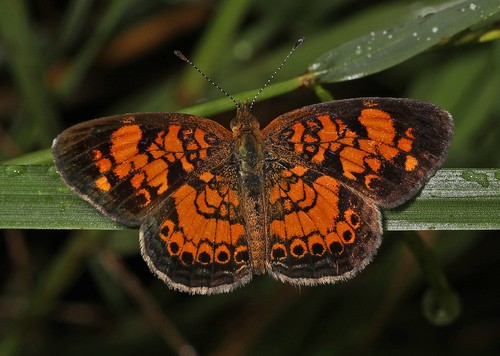
6. Pearl crescent
The pearl crescent (Phyciodes tharos) is an orange butterfly that lives in open areas that are generally moist and sunny. These butterflies are attracted to puddles, and the males will often fight with other male butterflies that land near the same puddle. However, females are not as aggressive and prefer to stay in groups.
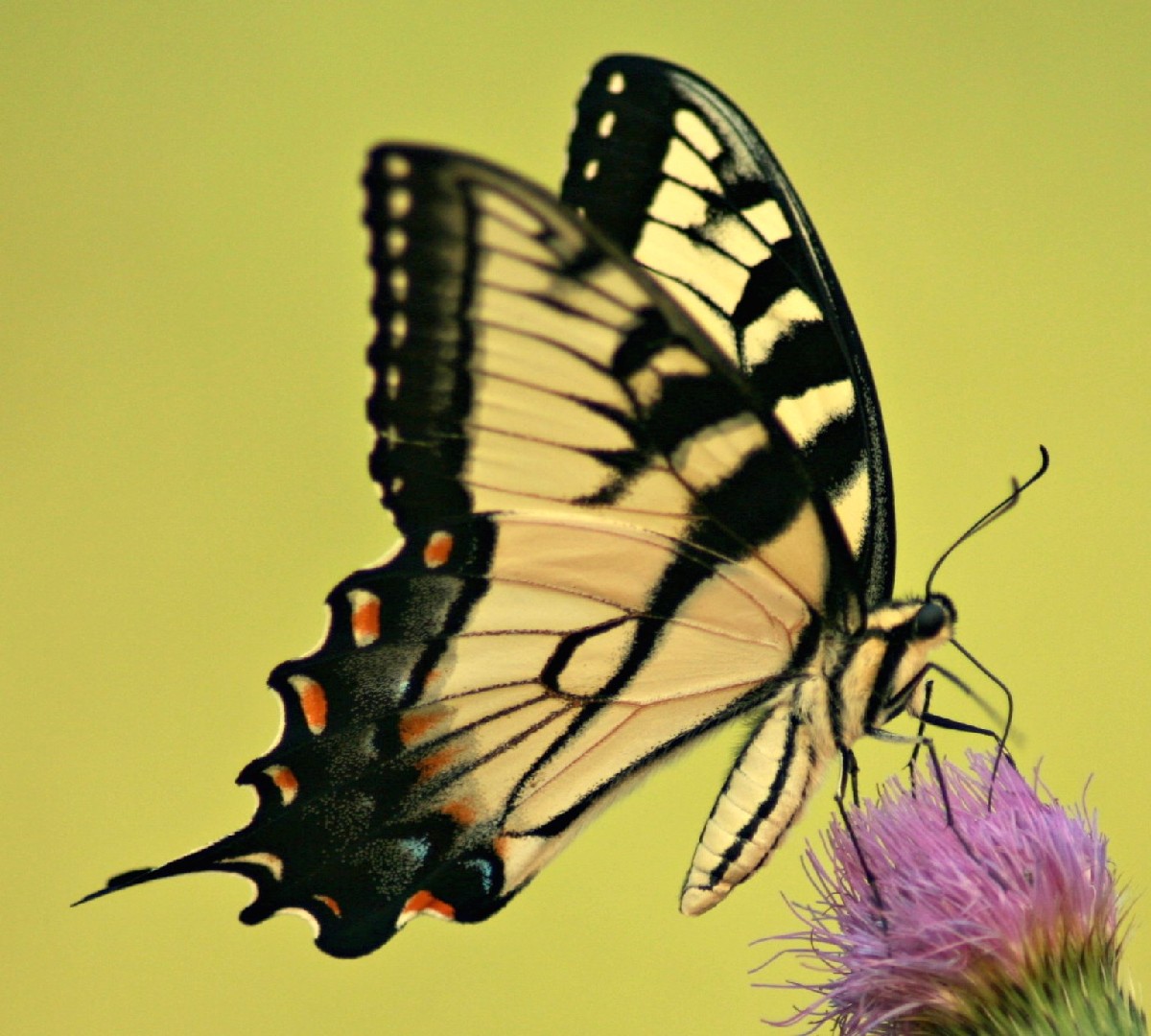
7. Eastern tiger swallowtail
Eastern tiger swallowtail (Papilio glaucus) is among the most recognizable butterflies in the eastern United States, where it inhabits a variety of habitats. This species is diurnal and usually solitary, preferring to fly high above the ground until the time comes to mate. Caterpillars display eyespots to deter birds in between some molting phases.
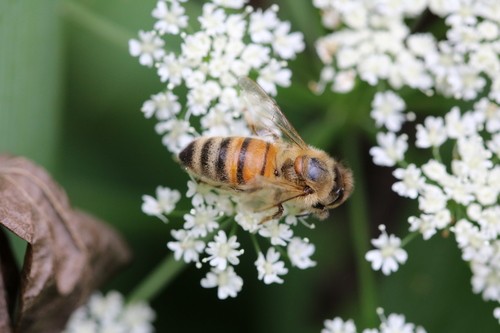
8. Western honey bee
Western honey bee(Apis mellifera) is the most common species of honeybee in the world. Among the first domesticated insects, its cultural and economic impact on humanity has been vast and far-reaching, providing honey, wax and its services as a pollinator. Western honey bee faces challenges worldwide, such as colony collapse disorder, and populations are thought to be decreasing.
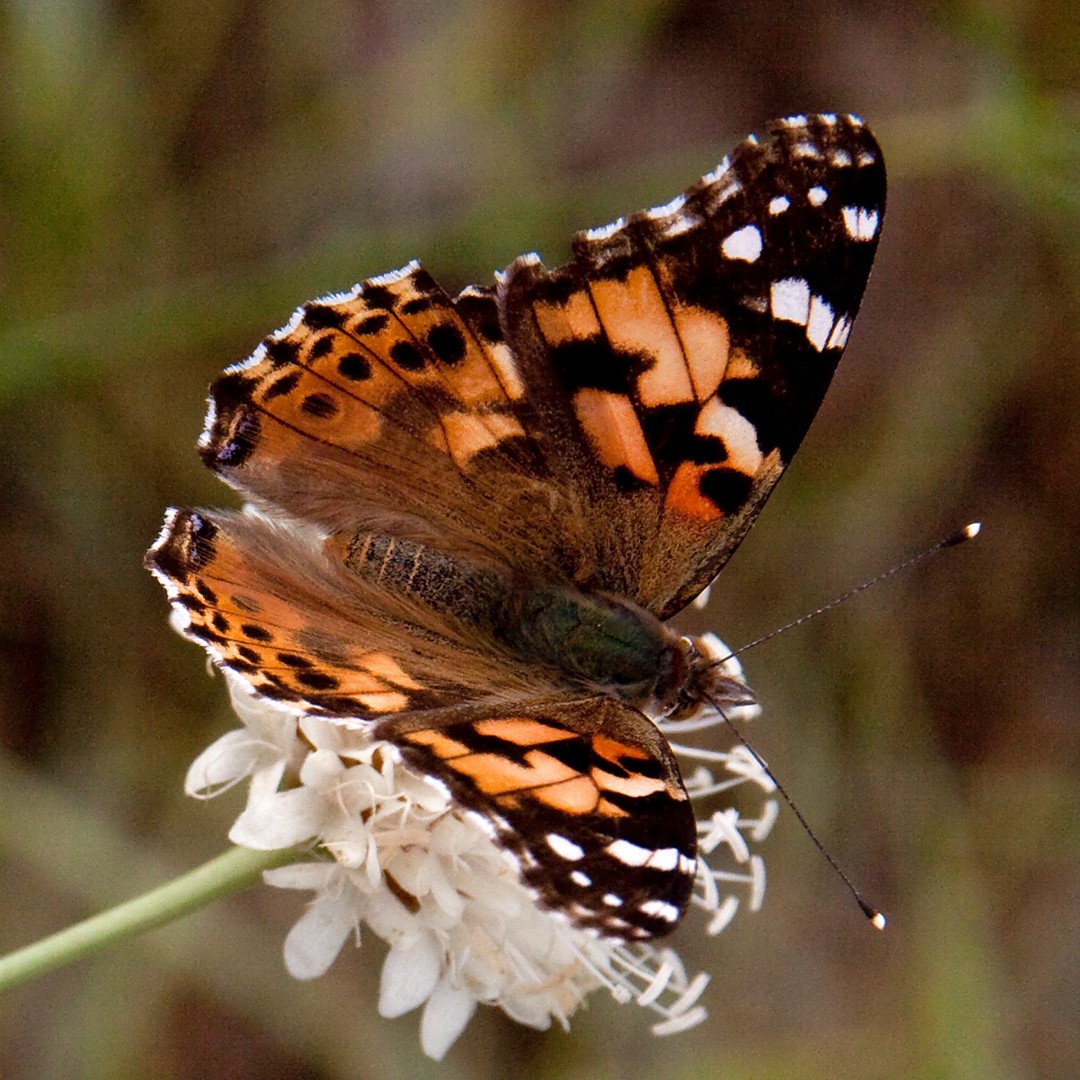
9. Painted lady
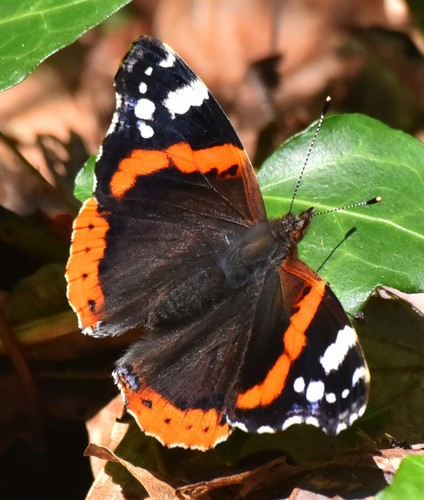
The painted lady is a migratory butterfly that spends part of the year in Northern Africa and then migrates to Europe during the warmer months. Although the adults feed on nectar from flowers, the larvae feed on the leaves of nettles and thistles.
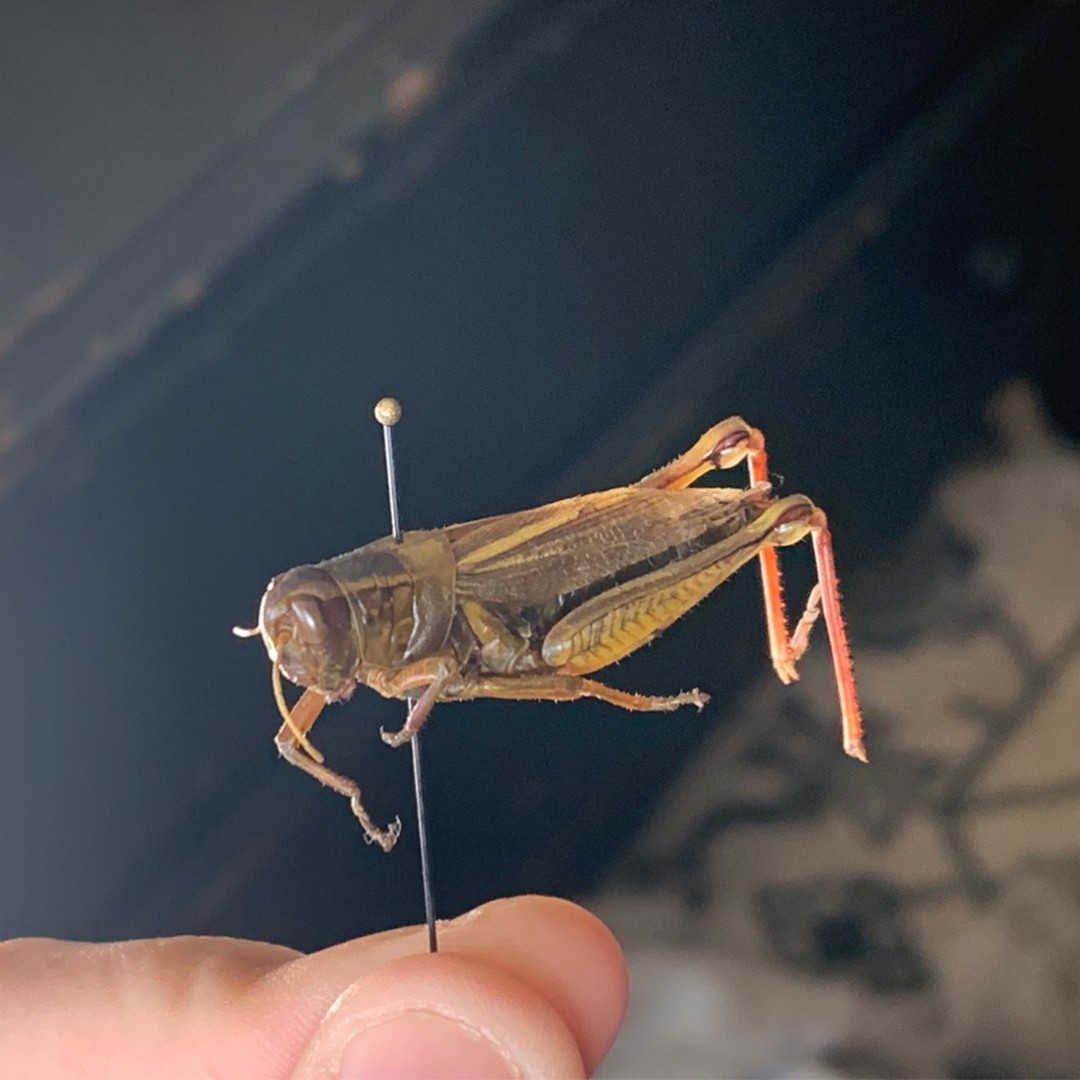
10. Two-striped grasshopper
Melanoplus bivittatus, the two-striped grasshopper, is a poikilothermic species of grasshopper belonging to the genus Melanoplus. It is commonly found in North America, with high quantities inhabiting Canadian prairies and farmland. 

More







