




Top 20 Most Common Insects in Virginia
Insects, a diverse group known for their exoskeletons and segmented bodies, are endemic to various environments within Virginia. The biodiversity of Virginia's environments, ranging from coastal areas to dense forests, nurtures a myriad of insect species. Both pest and beneficial insects play integral roles in Virginia's ecosystem, influencing plant health and biodiversity. Stay tuned to discover the top 20 most common insects in Virginia, a testimony to the fascinating interconnectedness of urban environments and insects.

Most Common Insects
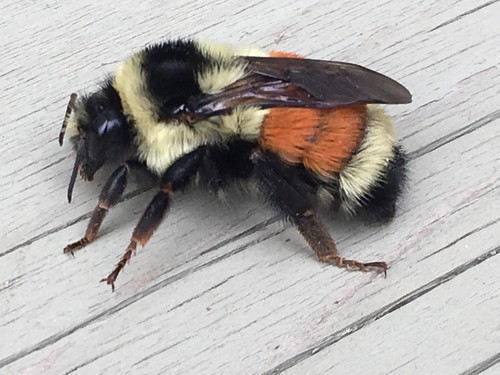
1. Orange-belted bumble bee
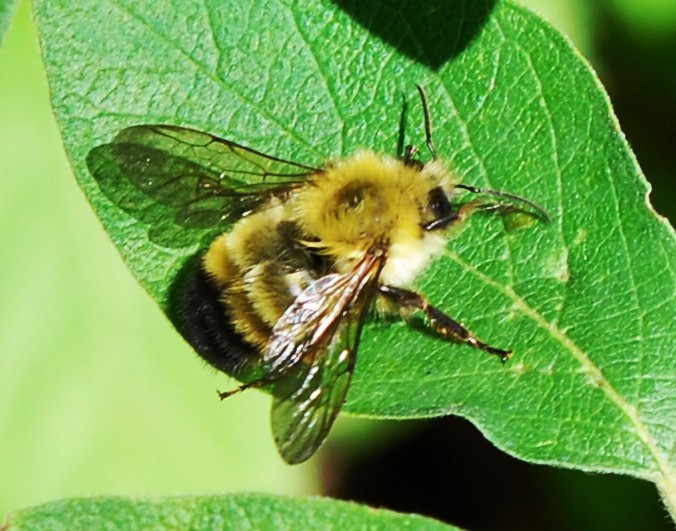
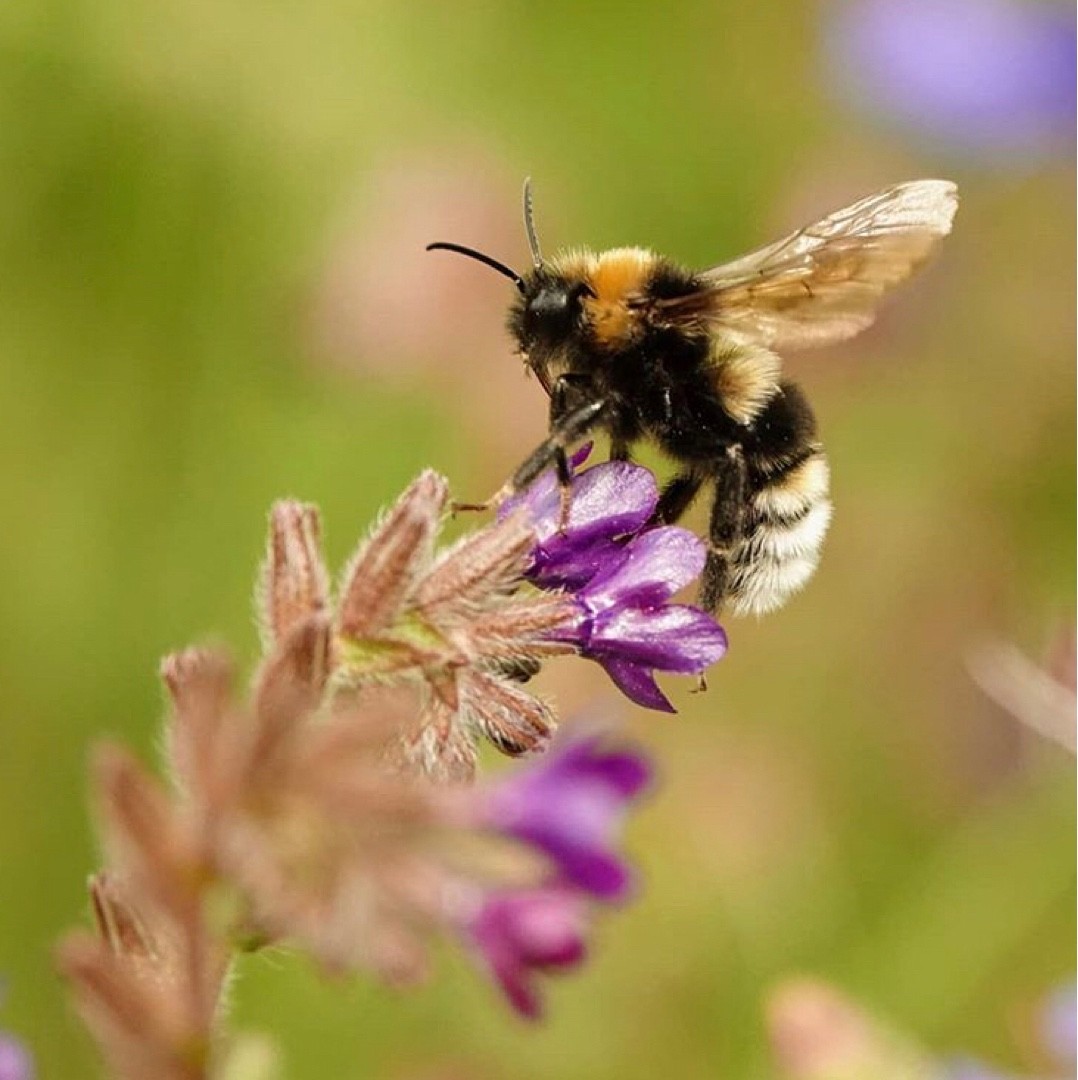
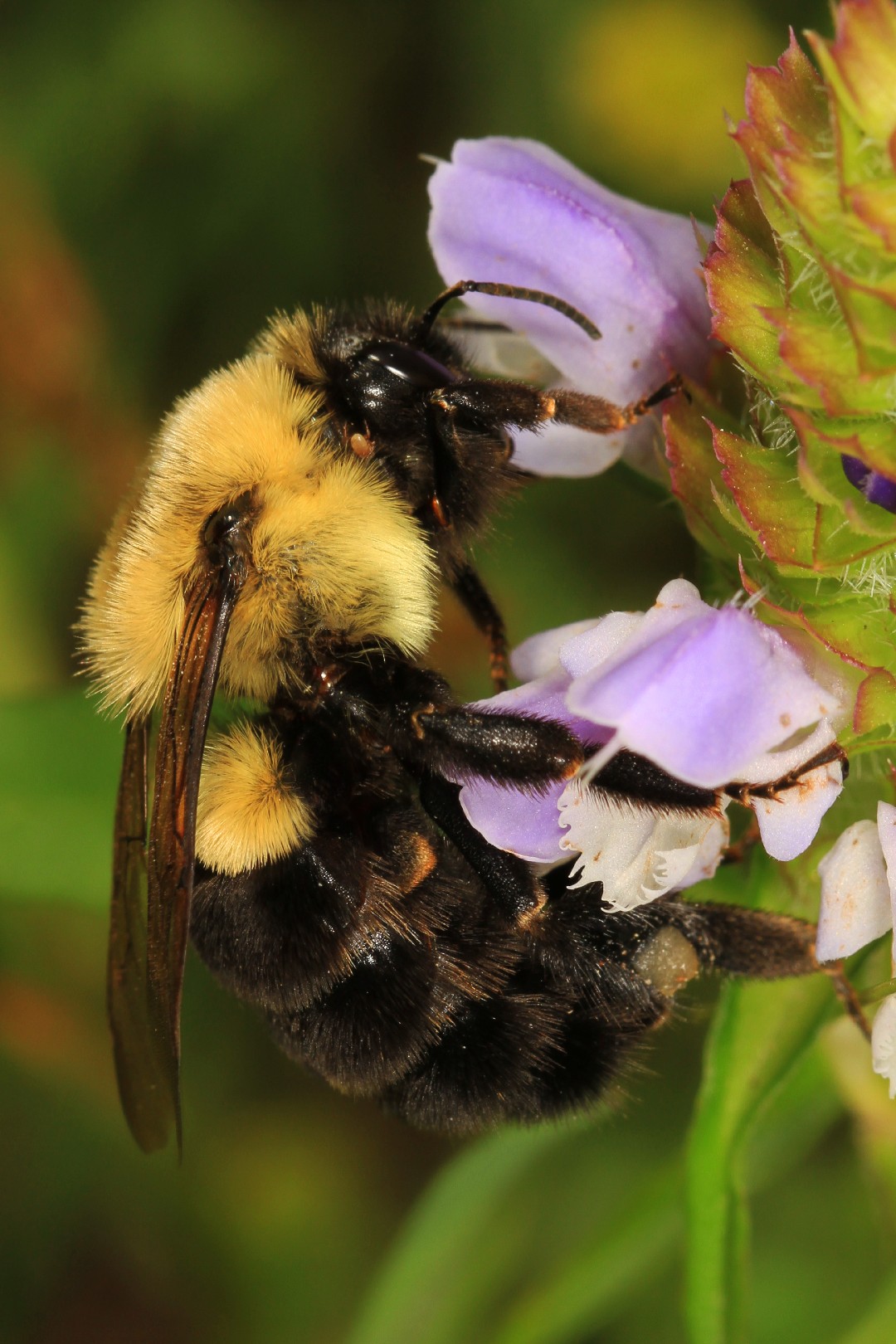
Bombus ternarius is a small, fairly slender bumblebee. The queen is 0.67–0.75 in long and the breadth of the abdomen is 0.33–0.35 in. The workers are 0.31–0.51 in, and the drones are 0.37–0.51 in in length. Both the worker and the drone have abdomens about 0.18–0.22 in in breadth. The queen and workers have black heads, with a few pale yellow hairs. The anterior and posterior thorax and the first and fourth abdominal segments are yellow, abdominal segments 2 to 3 are orange, and the terminal segments are black. The queen and the workers are close in resemblance, and the most striking difference between them is in the size of their fat deposits. Workers have very little fat, particularly in their abdomen, leaving plenty of room for the honey stomach, an enlargement of the oesophagus in which nectar can be stored on foraging trips. In contrast, in young queens, the abdomen is largely full of fat.The drone has a yellow head with a few black hairs. The coloration of the thorax and abdomen is similar to that of the females, with the exception that the last abdominal segments are yellow on the sides. The fur of the drone is longer than that of the females. 
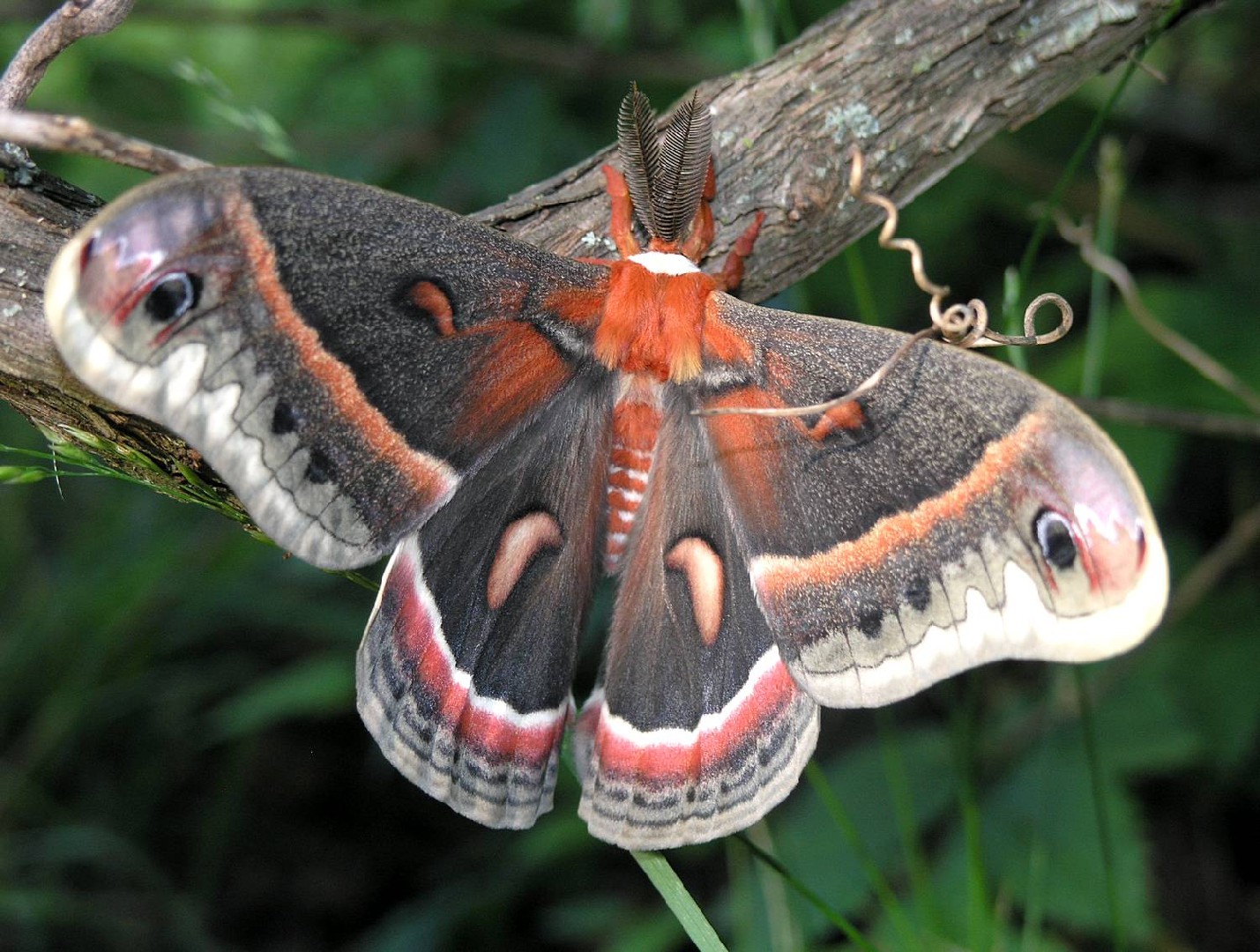
2. Cecropia moth
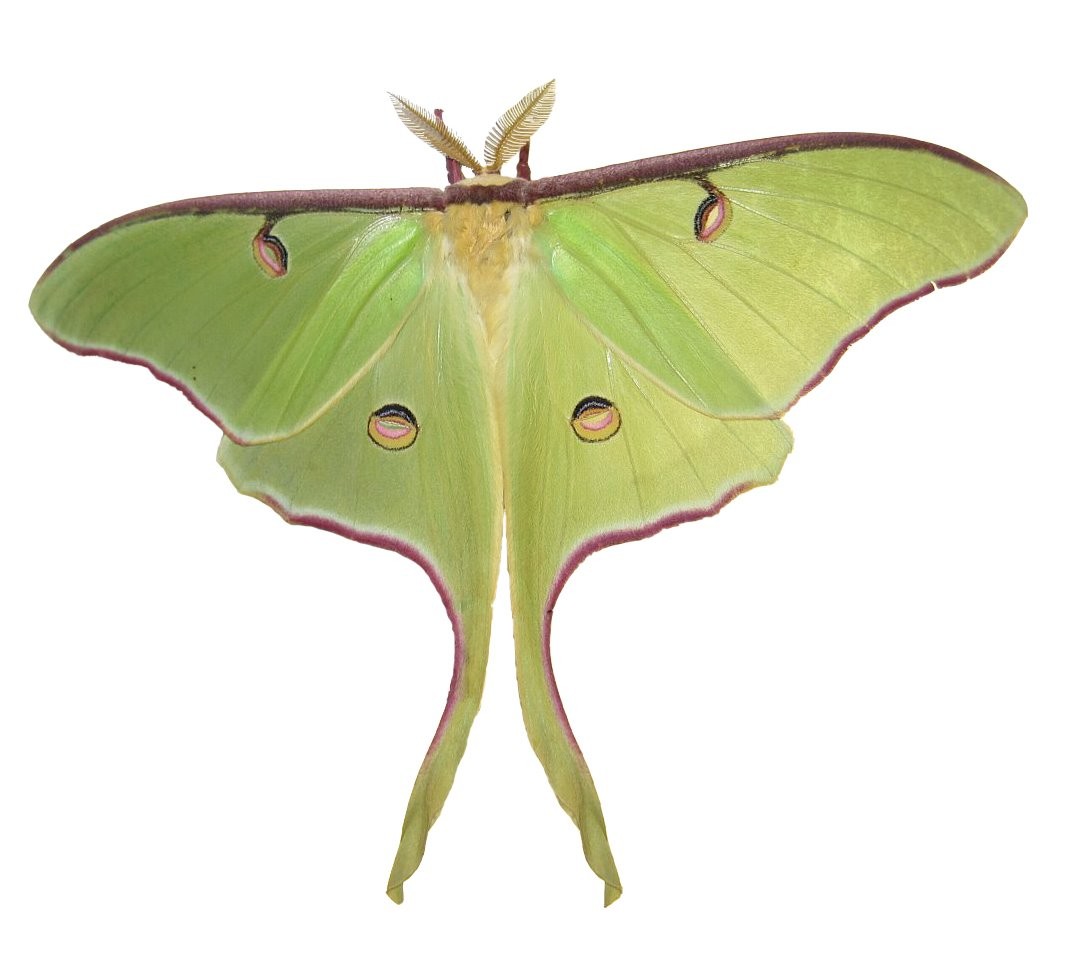
The cecropia moth (Hyalophora cecropia) is nocturnal like most moth species, flying toward lights at nighttime. This moth uses the distant rays of the moon as a navigational tool, but artificial lights often disrupt its flight pattern. It's a favorite moth for collectors and nature lovers because of its large size and beautiful wing designs.
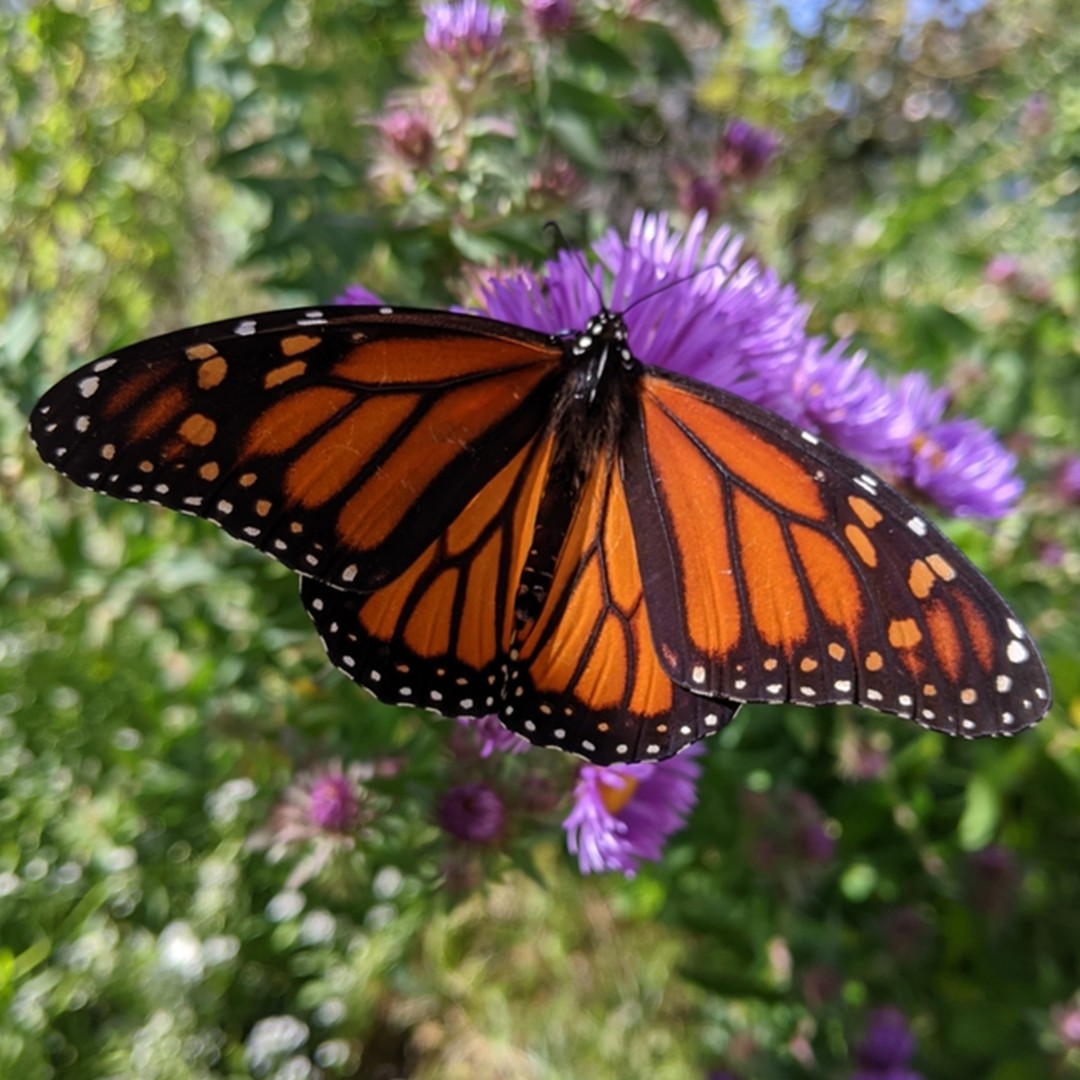
3. Monarch butterfly
The monarch butterfly (Danaus plexippus) is the most recognizable butterfly in North America. It is best known for its appearance, but should be better known for the fact that it has a 3000-mile migration that takes the butterfly 4 generations to complete. Their diet is also a natural deterrent for predators, as they eat milkweed, a poison that induces vomiting.
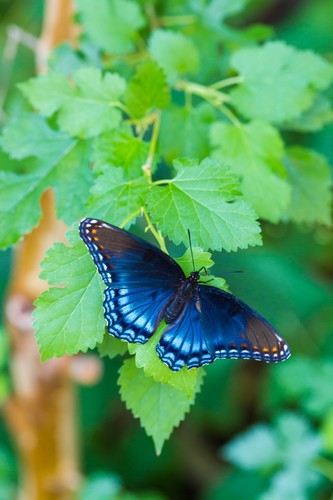
4. Red-Spotted Purple
The red-Spotted Purple (Limenitis arthemis) is a beautiful butterfly that shows off a metallic-blue color. They are also known as White Admirals due to the brilliant, white band that is seen on them. Males are incredibly aggressive in defending areas that have high female traffic. They will regularly patrol these areas to ensure other males do not take over claimed territories.
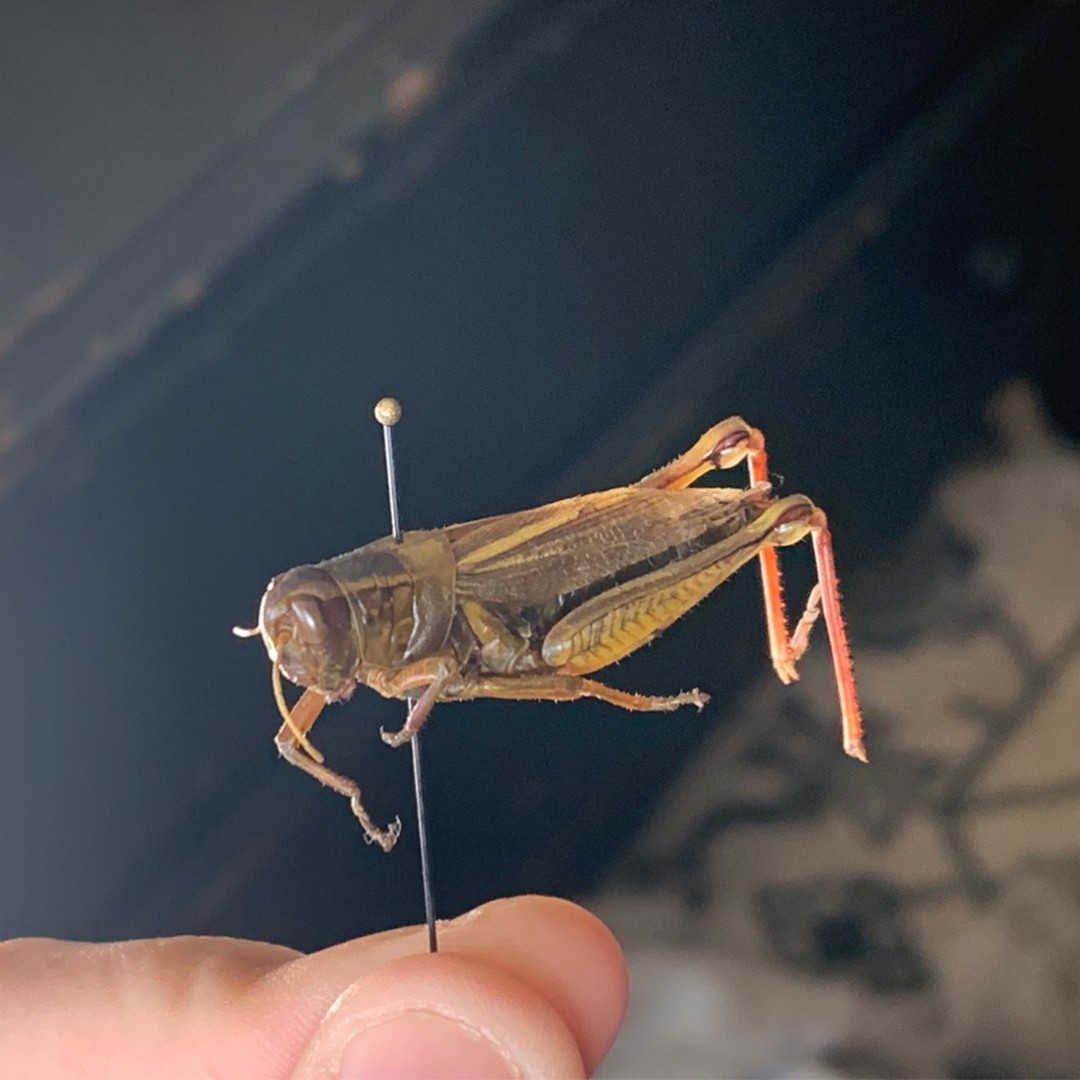
5. Two-striped grasshopper
Melanoplus bivittatus, the two-striped grasshopper, is a poikilothermic species of grasshopper belonging to the genus Melanoplus. It is commonly found in North America, with high quantities inhabiting Canadian prairies and farmland.
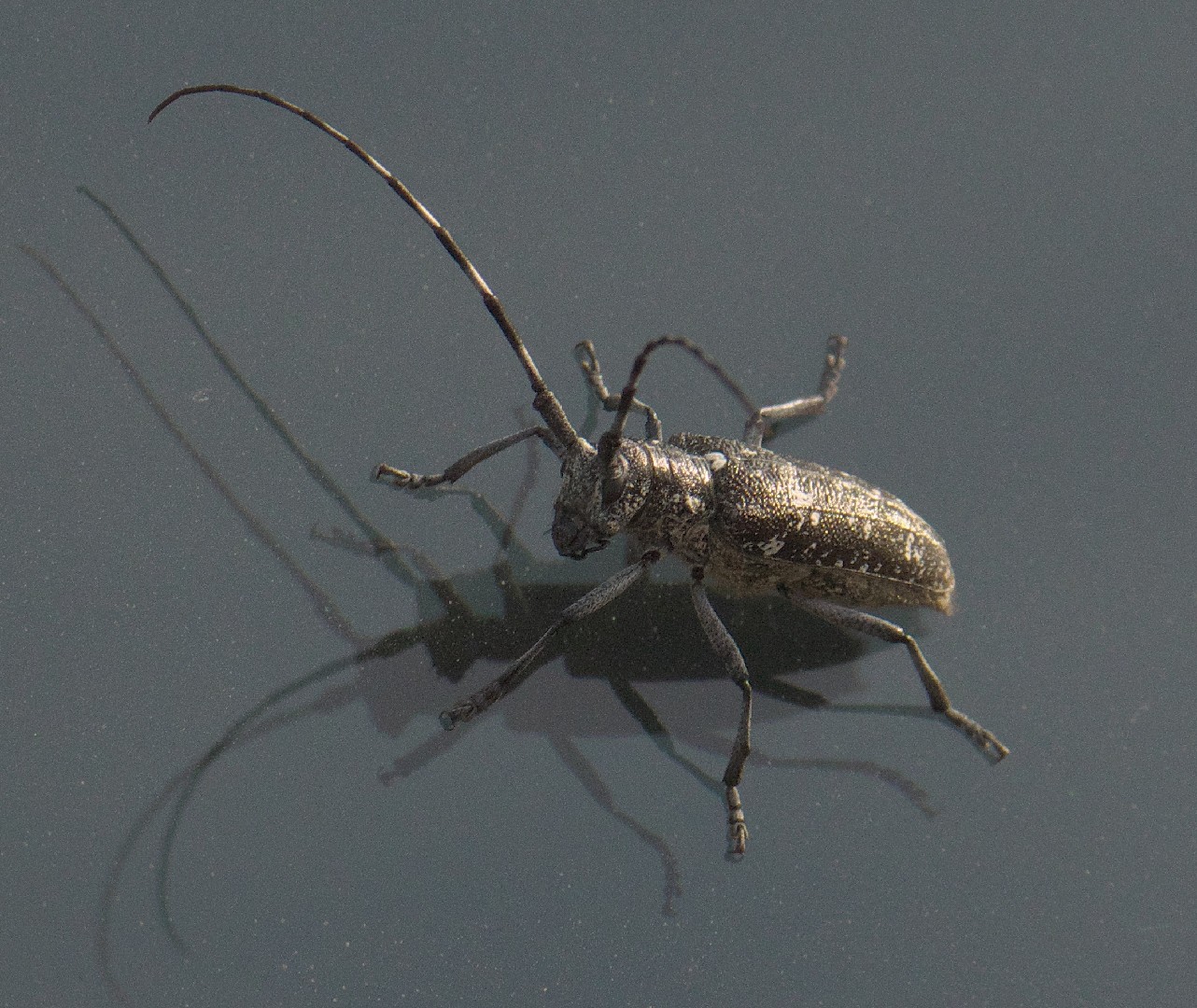
6. White-spotted sawyer
The white-spotted sawyer (Monochamus scutellatus) is a bronze wood-boring beetle with small white specks. It primarily infests dead or dying wood. It's easily confused with the Asian long-horned beetle, and the only significant difference between the two is that the white-spotted sawyer has a white spot between the top of its two wing covers.
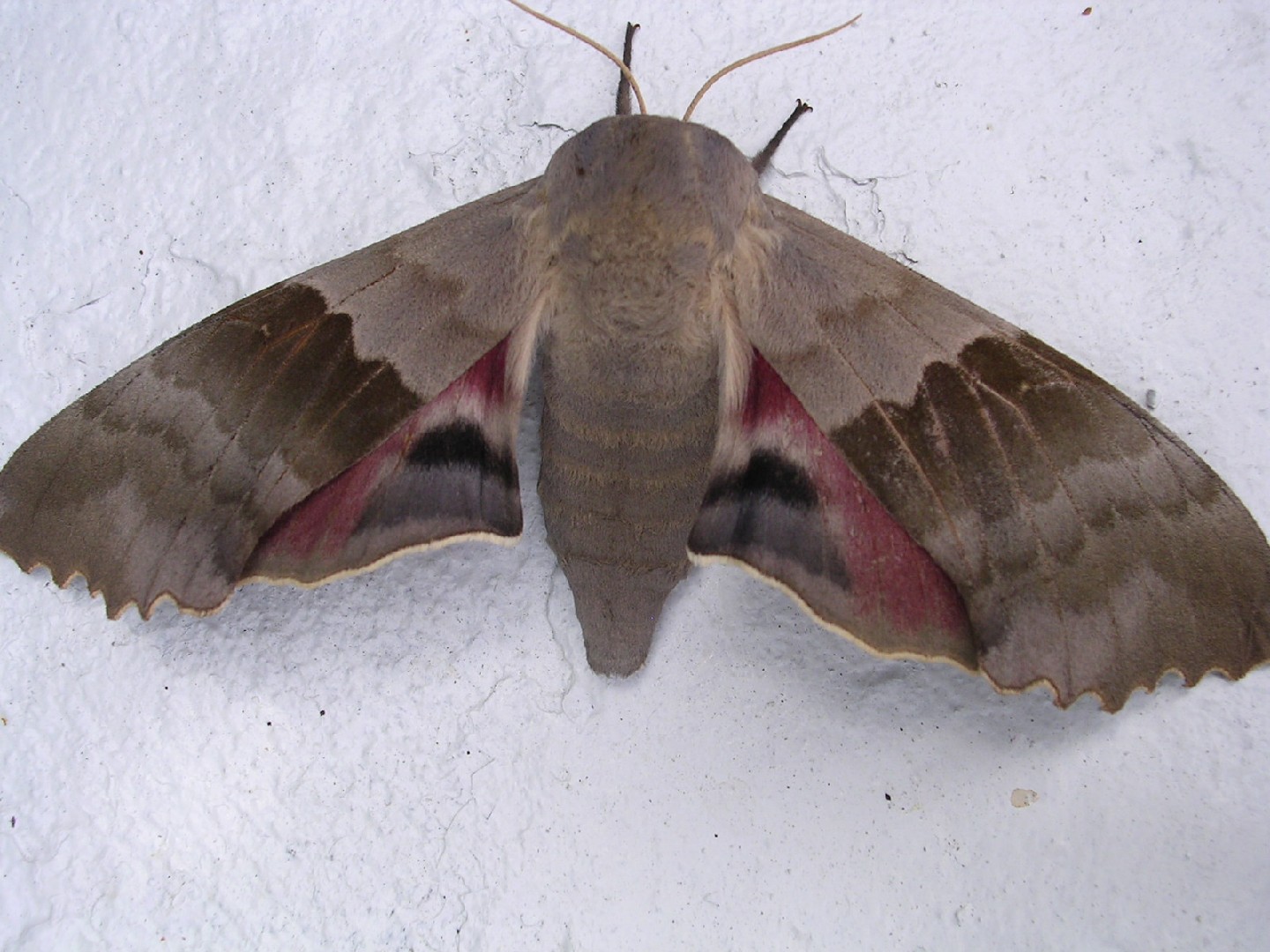
7. Modest sphinx
The modest sphinx (Pachysphinx modesta) earns its name from the "cloak" appearance of its wings, making it appear as though it is dressing modestly. They are pretty easy to identify given their pink-ish hindwings. They love warm locations, which is expressed by their ability to have more than one generation in these climates.
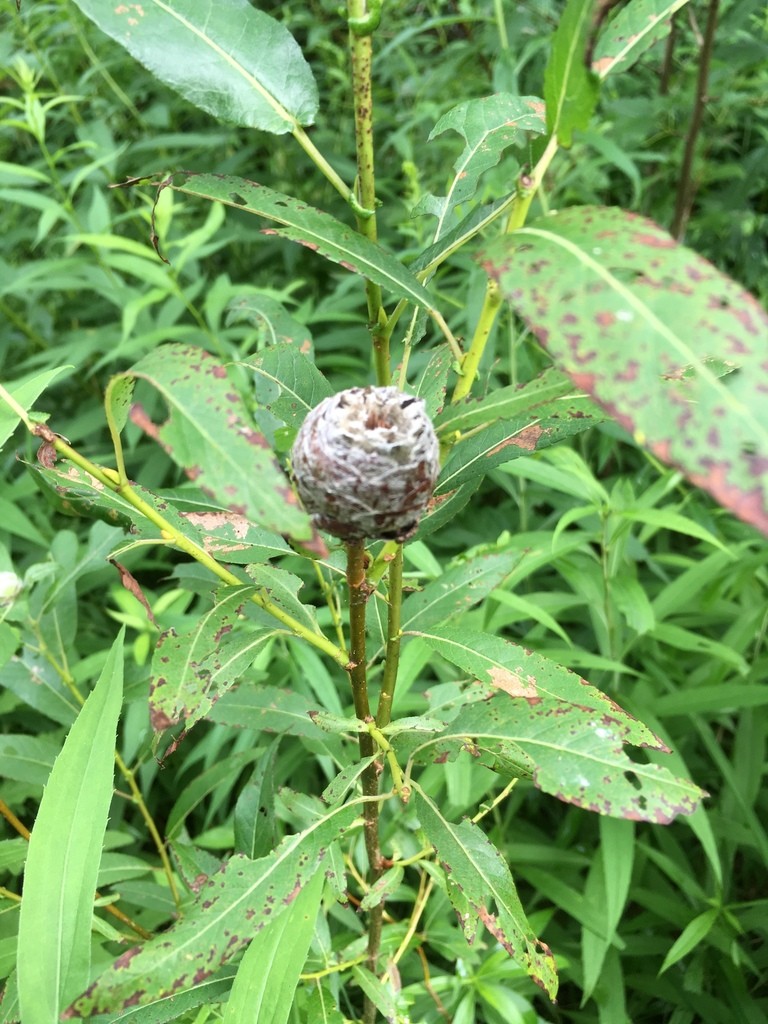
8. Willow pinecone gall midge
Rabdophaga strobiloides is a mosquito species from the family of the gall mosquitoes (Cecidomyiidae). The scientific name of the species was first validly published in 1862 by Osten Sacken.
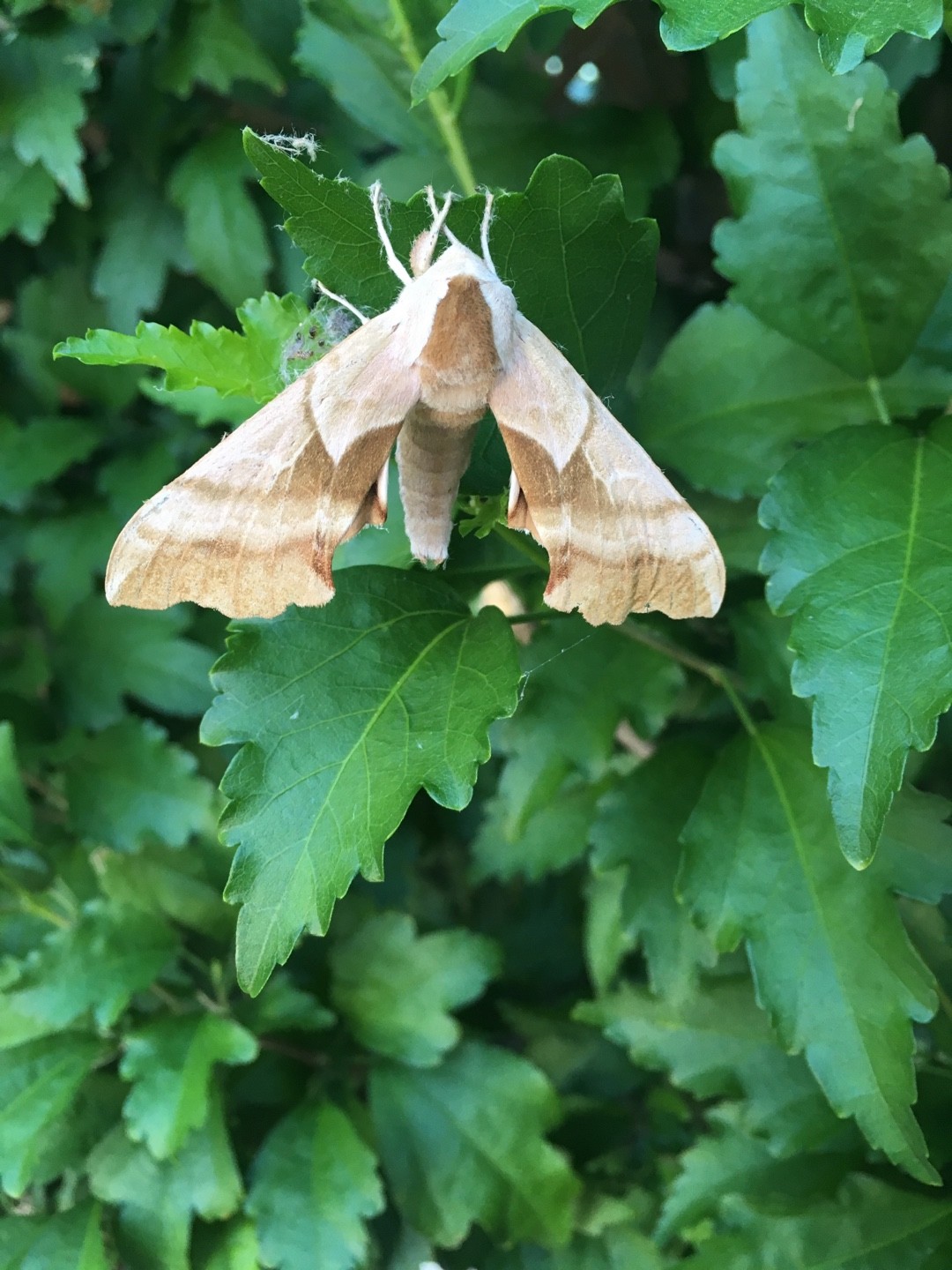
9. One-eyed sphinx
The one-eyed sphinx (Smerinthus cerisyi) has a bit of a misleading name, as it has two eyespots on either wing that are used to spook predators. It's a beautiful combination of red, yellow, tan, and black. It is part of a family known as hawk moths, who are known for their hovering behavior while flying.
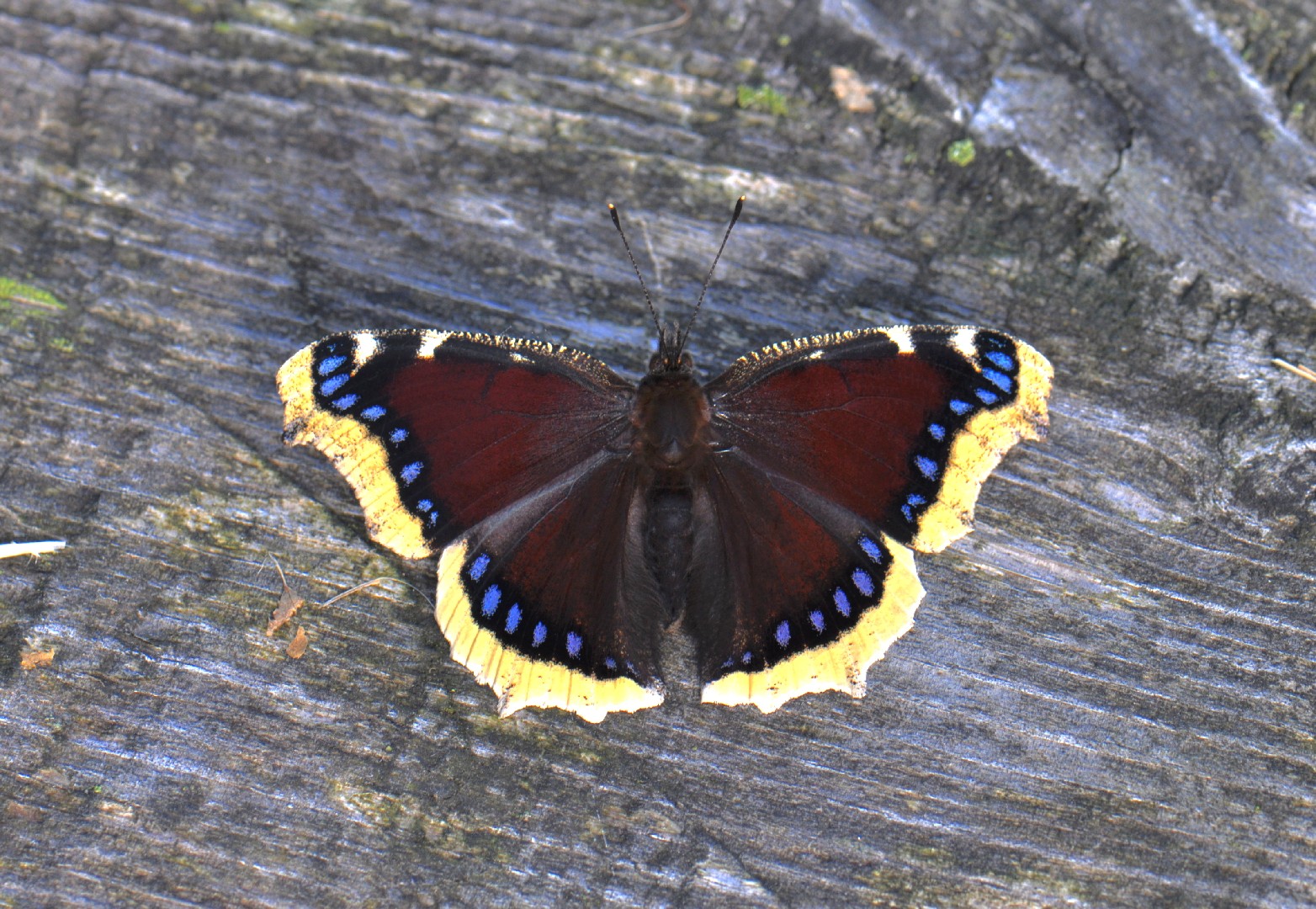
10. Mourning cloak
The state insect of Montana, mourning cloak (Nymphalis antiopa) owes its name to a visual comparison with a girl who, disliking mourning, allows a few inches of color to show from under her mourning garb. Among the longest-lived butterflies, individuals may persist for as long as eleven to twelve months. It is a powerful flier, with vagrants often found many miles from the usual migration paths.
More







