




Top 20 Most Common Insects in Laurel
Insects, with their complexity and variability, have been a fascinating part of Laurel's local ecology. The top 20 most common insects in Laurel not only form an integral part of the ecosystem but also influence the environment, playing roles of both pest and pollinator. It is intriguing how these tiny creatures shape and thrive in our city's distinct environments.

Most Common Insects
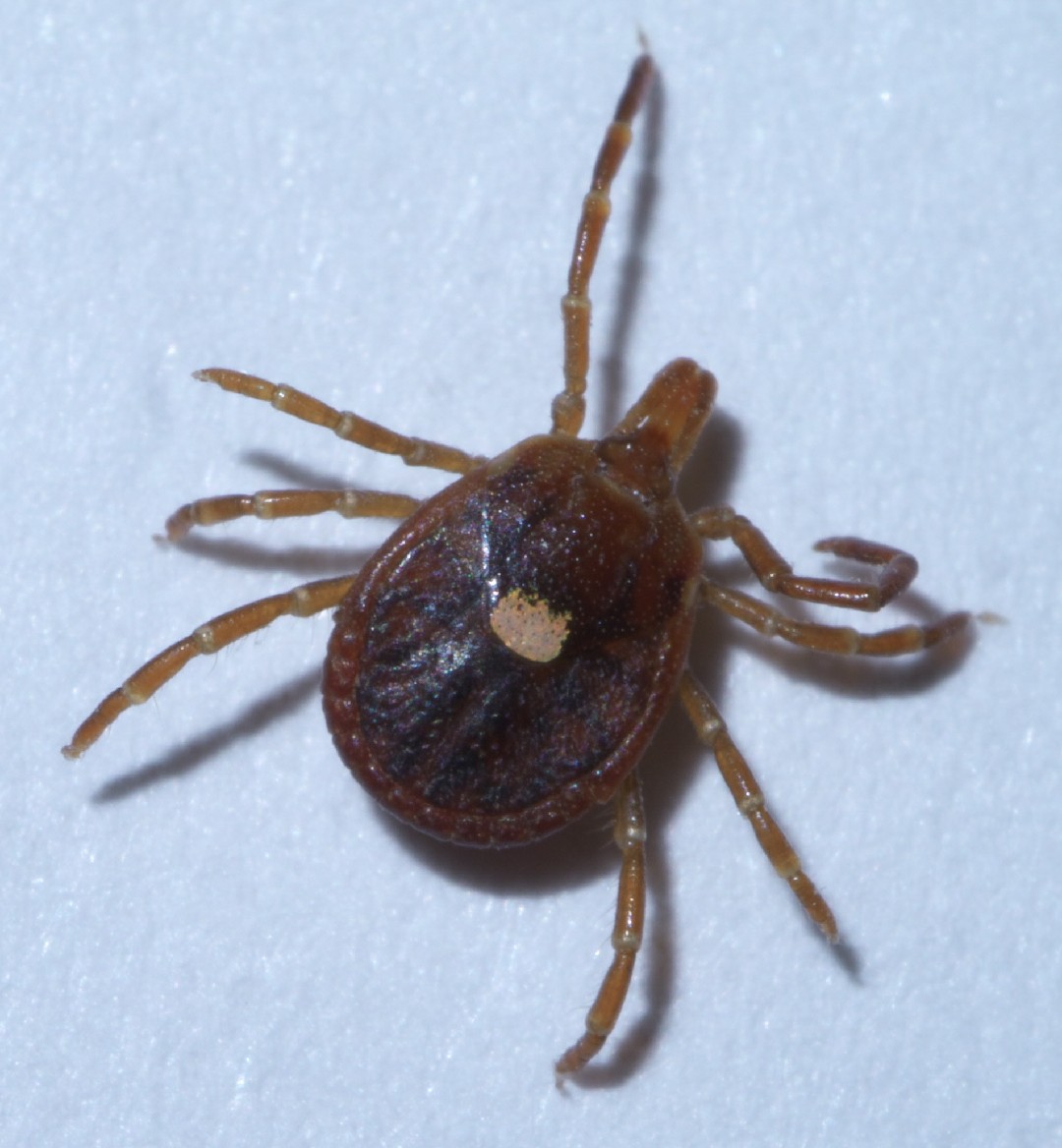
1. Lone star tick
The lone star tick (Amblyomma americanum) has a white dot on its abdomen. This bloodsucker has a taste for turkeys, giving it the nickname "turkey tick." They do not tend to be picky eaters, as they do latch onto humans as well. Humans that have been bitten by this often have Southern Tick Associated Rash Illness (STARI). Symptoms such as fever, headache, and joint pain are resolved quickly using antibiotics.

2. Red Imported Fire Ant
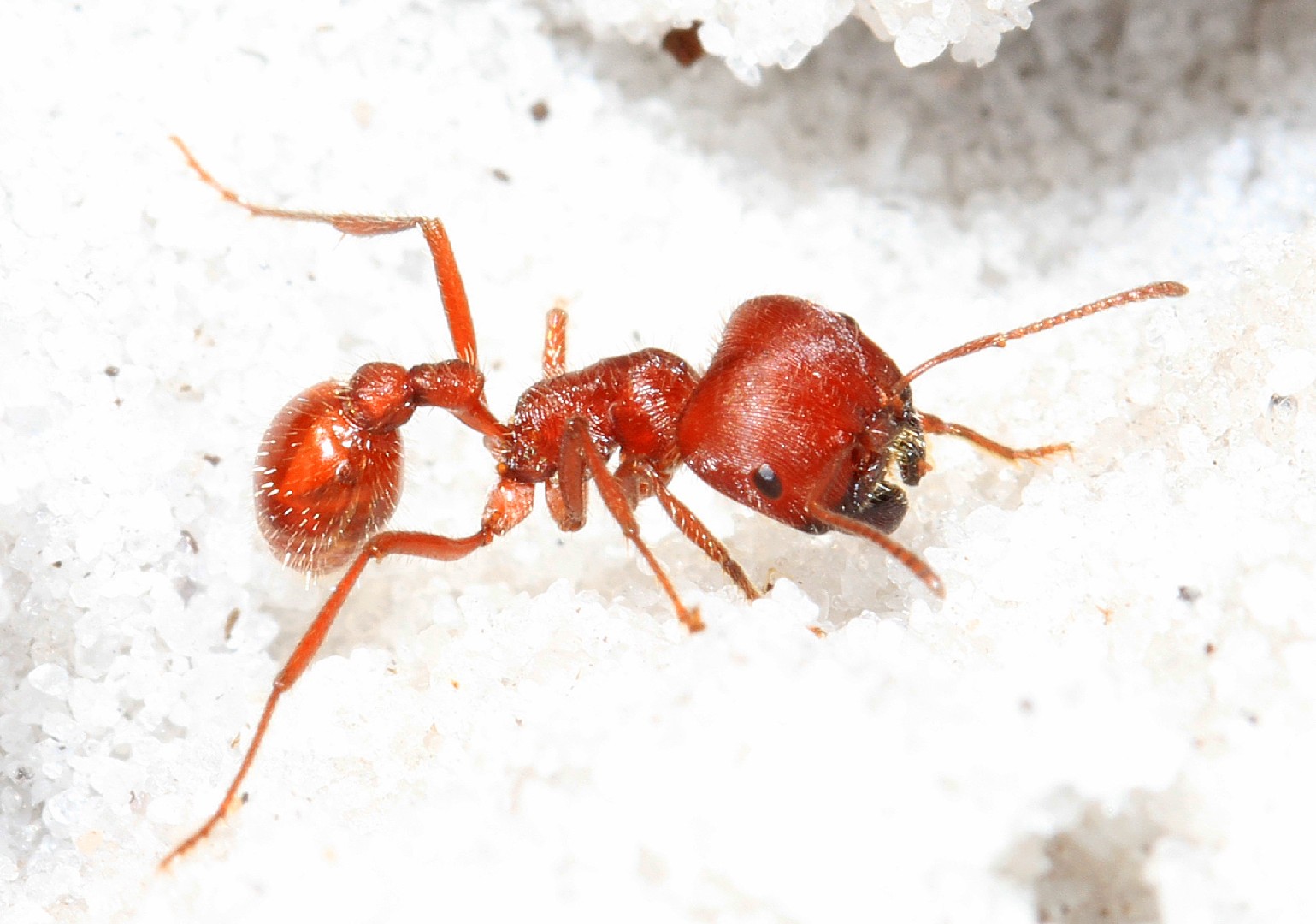
The red Imported Fire Ant( Solenopsis invicta ) is native to central South America. These aggressive ants can pose a serious threat to the health of humans, plants, and animals. The worker ants can sting their enemies repeatedly, unlike honeybee for once, and attack anything that disturbs them. In order to get honeydew easily, they farm aphids on plants, which are also harmful to plants. The red Imported Fire Ant cause billions of loss annually in the US.

3. Multicolored asian ladybeetle
Often confused for the ladybug, multicolored asian ladybeetle (Harmonia axyridis) is a separate species that, unlike the ladybug, is a household pest. It is considered particularly annoying for its habit of returning to places from which it is removed. One of the most variable species in the world, there are many different colors and patterns multicolored asian ladybeetle may display, making identification potentially difficult.
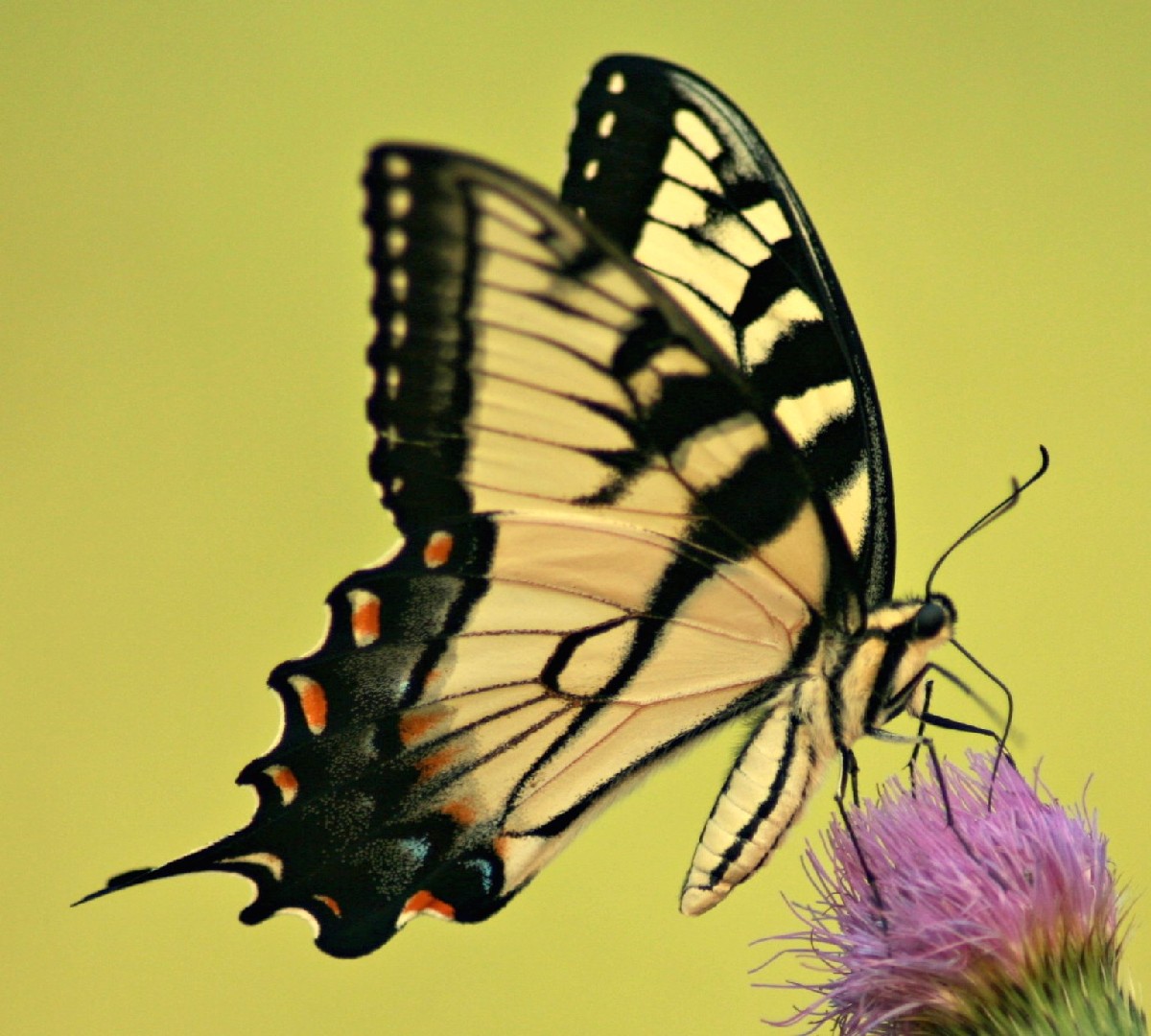
4. Eastern tiger swallowtail
Eastern tiger swallowtail (Papilio glaucus) is among the most recognizable butterflies in the eastern United States, where it inhabits a variety of habitats. This species is diurnal and usually solitary, preferring to fly high above the ground until the time comes to mate. Caterpillars display eyespots to deter birds in between some molting phases.
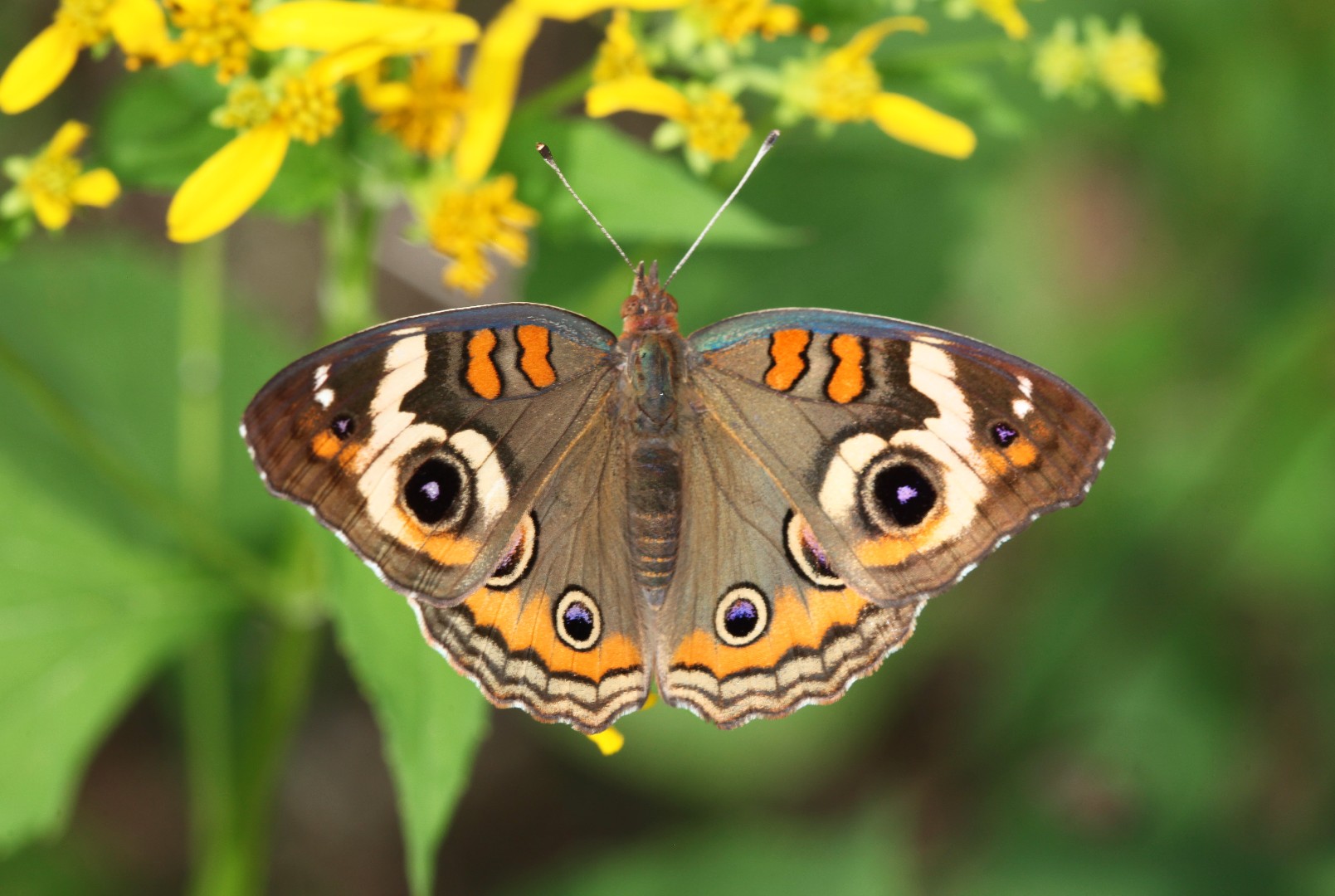
5. Common Buckeye
The common Buckeye (Junonia coenia) has distinguishable target-shaped spots on its dark wings, along with patches of orange and white. It produces multiple generations each year as it migrates to sunny landscapes. When it flies, it moves rapidly in an irregular pattern, often low to the ground.
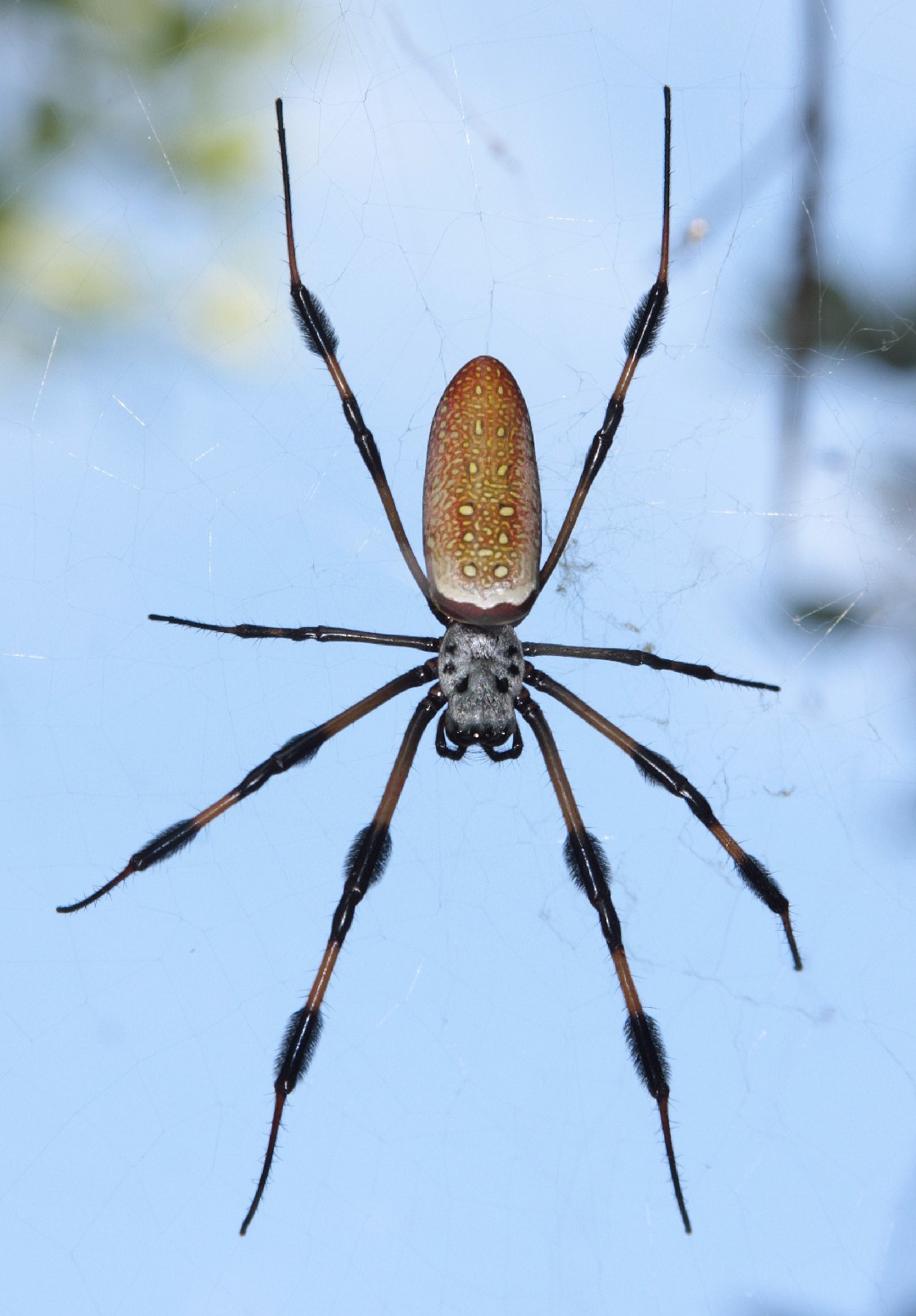
6. Banana spider
The banana spider (Nephila clavipes) is called that because it is commonly found in banana shipments leading from South America. There are many spiders that fit this category (often found in banana shipments), so this one is also called the Golden silk orb-weaver to distinguish them. This name is more related to the strength of its silk, which is stronger than steel based on tensile strength.
7. Yellow garden spider
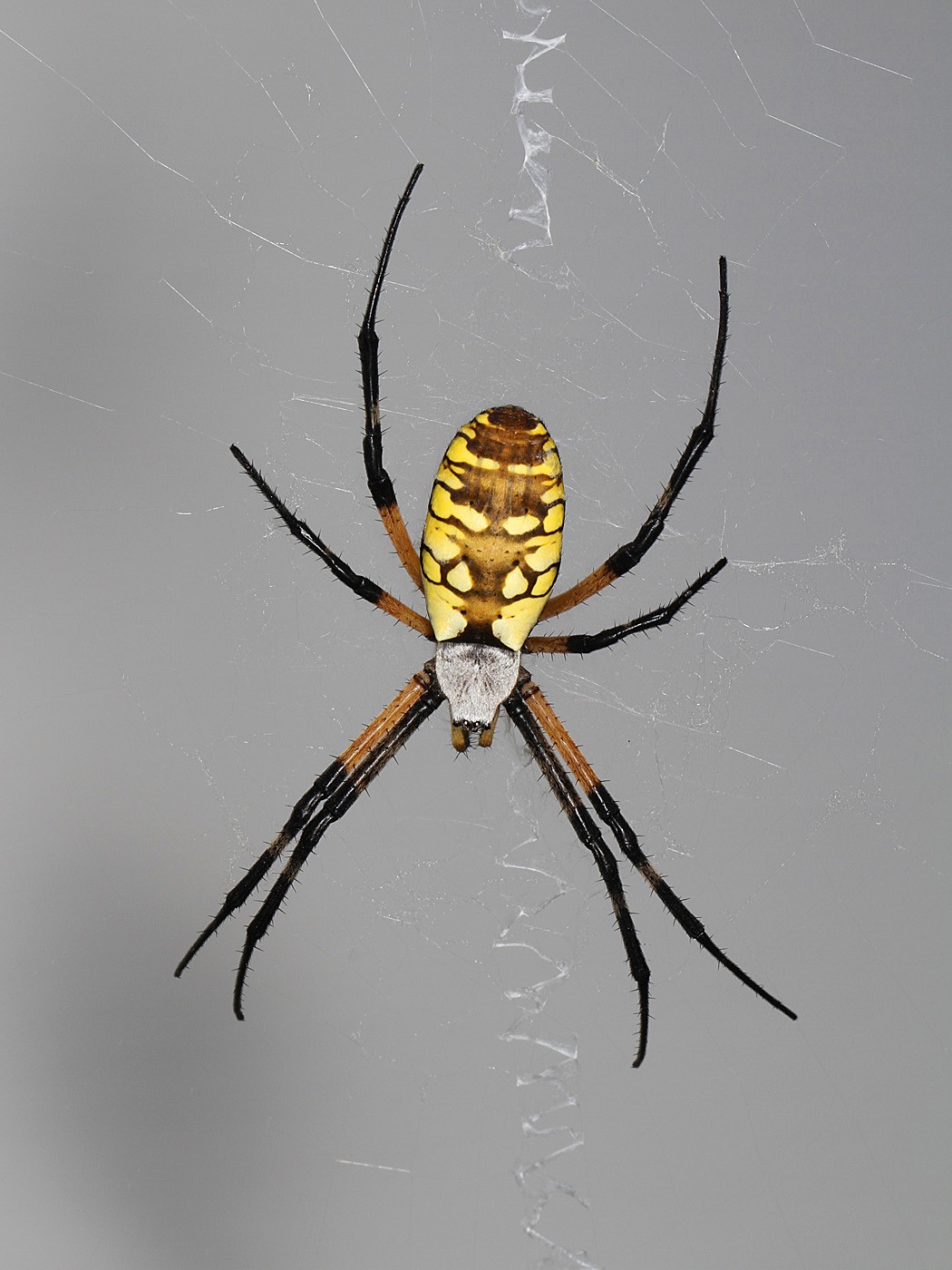
The yellow garden spider (Argiope aurantia) is an arachnid that connects itself to its web to feel vibrations that signal to him prey has been caught. Its venom is harmless to humans but perfect for catching smaller insects that might cause harm to your garden. Yellow garden spiders web construction process includes bridge construction and scaffolding, making it among the more complicated web patterns.
8. Pearl crescent
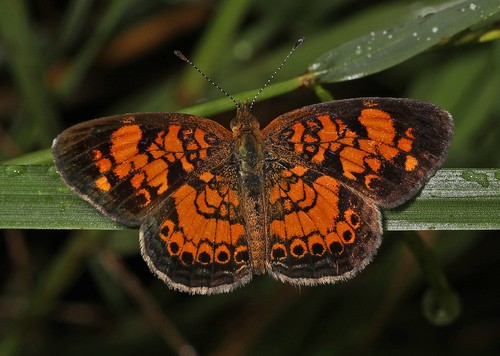
The pearl crescent (Phyciodes tharos) is an orange butterfly that lives in open areas that are generally moist and sunny. These butterflies are attracted to puddles, and the males will often fight with other male butterflies that land near the same puddle. However, females are not as aggressive and prefer to stay in groups.
9. Western honey bee
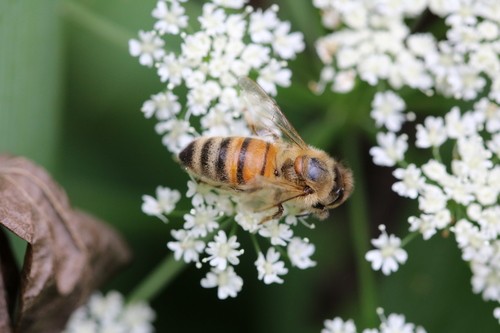
Western honey bee(Apis mellifera) is the most common species of honeybee in the world. Among the first domesticated insects, its cultural and economic impact on humanity has been vast and far-reaching, providing honey, wax and its services as a pollinator. Western honey bee faces challenges worldwide, such as colony collapse disorder, and populations are thought to be decreasing.
10. Double-banded Scoliid Wasp
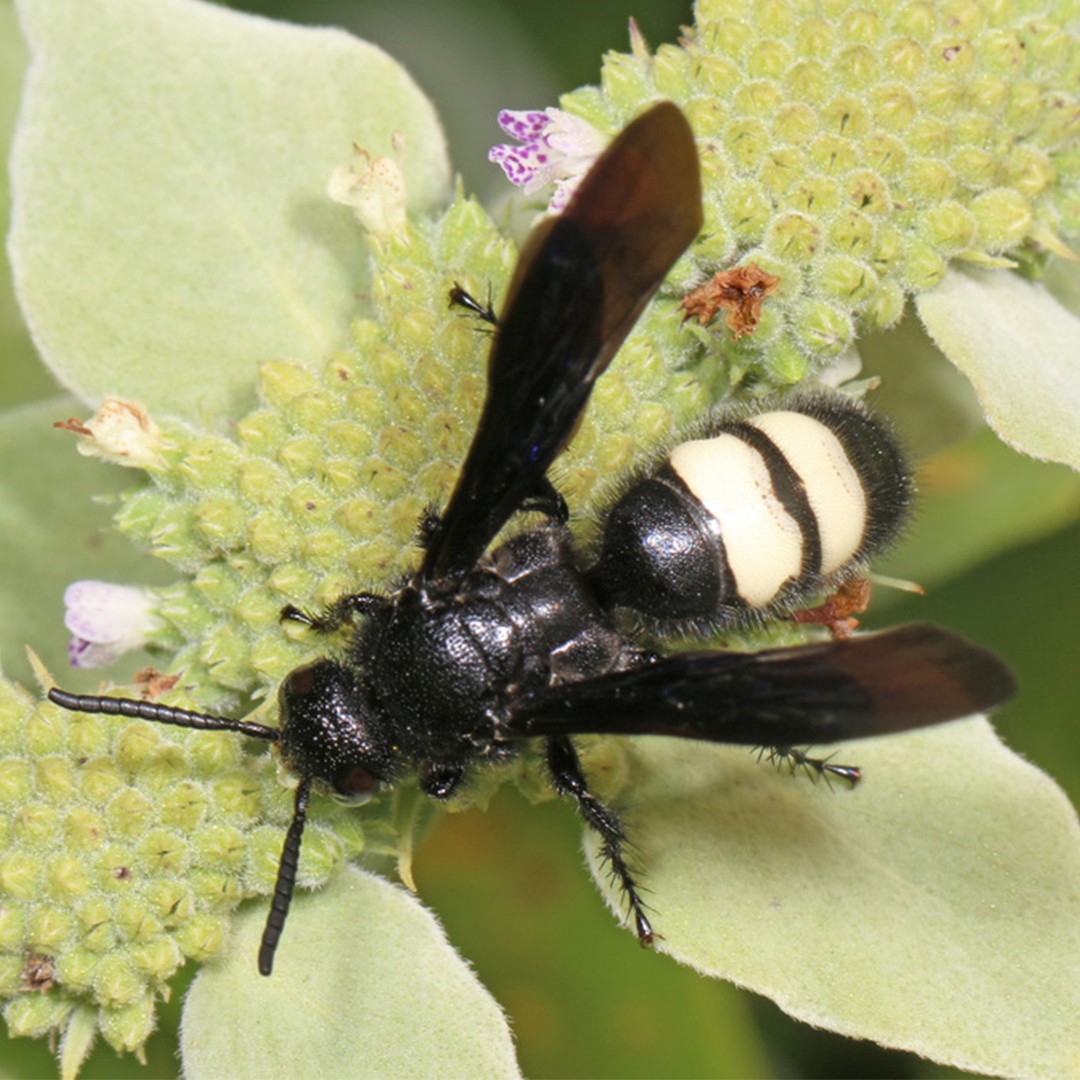
Scolia bicincta, the double-banded scoliid, is a species of scoliid wasp in the family Scoliidae. 
More







