




Top 20 Most Common Insects in Bridgetown
Insects, with their distinctive features, are integral to Bridgetown's ecosystem, both as pests and allies. They inhabit various environments in the city, each playing unique roles from pollination to pest control. Our 'Top 20 Most Common Insects in Bridgetown' offers an inside look into these fascinating creatures, shining a spotlight on their importance while promoting ecological understanding and appreciation.

Most Common Insects
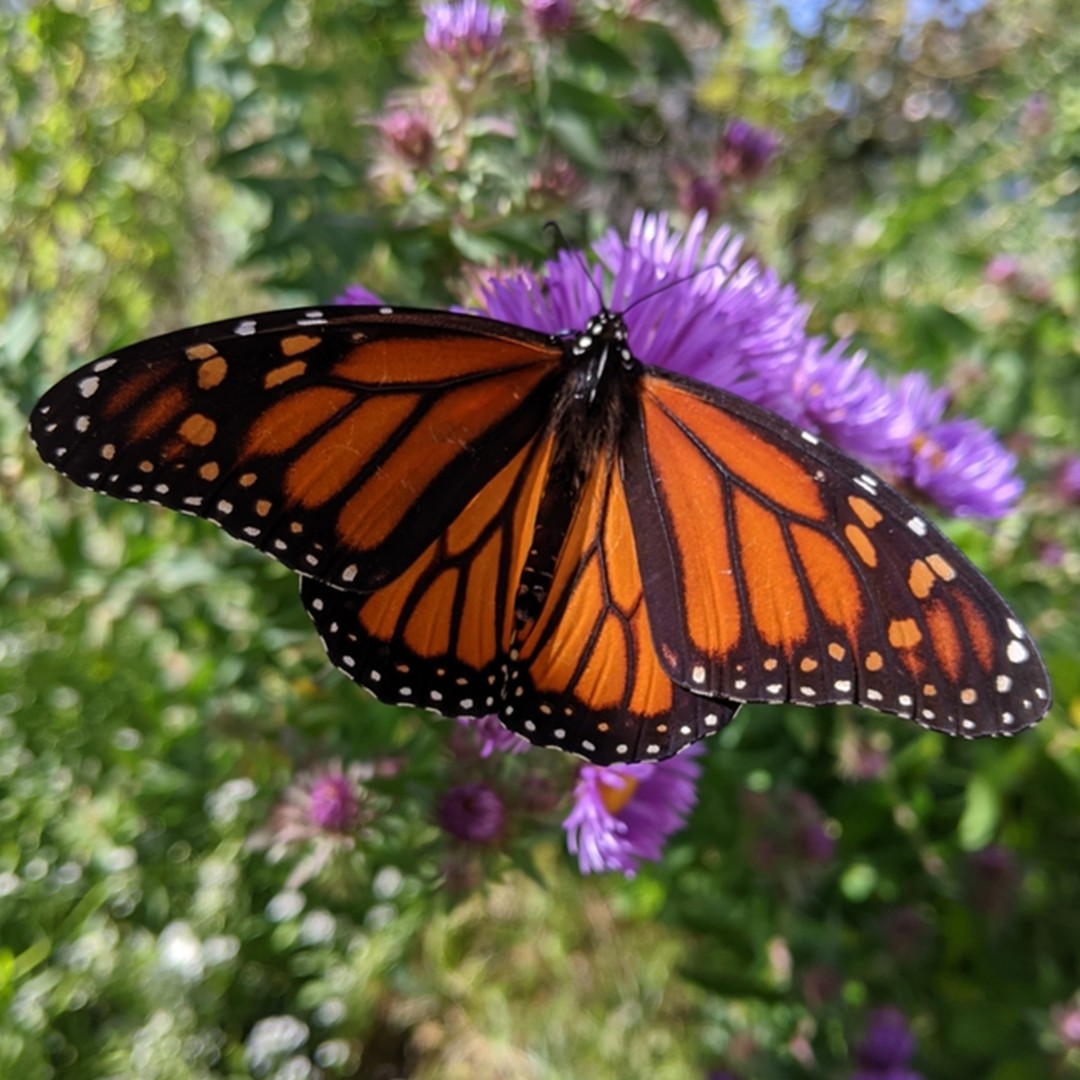
1. Monarch butterfly
The monarch butterfly (Danaus plexippus) is the most recognizable butterfly in North America. It is best known for its appearance, but should be better known for the fact that it has a 3000-mile migration that takes the butterfly 4 generations to complete. Their diet is also a natural deterrent for predators, as they eat milkweed, a poison that induces vomiting.
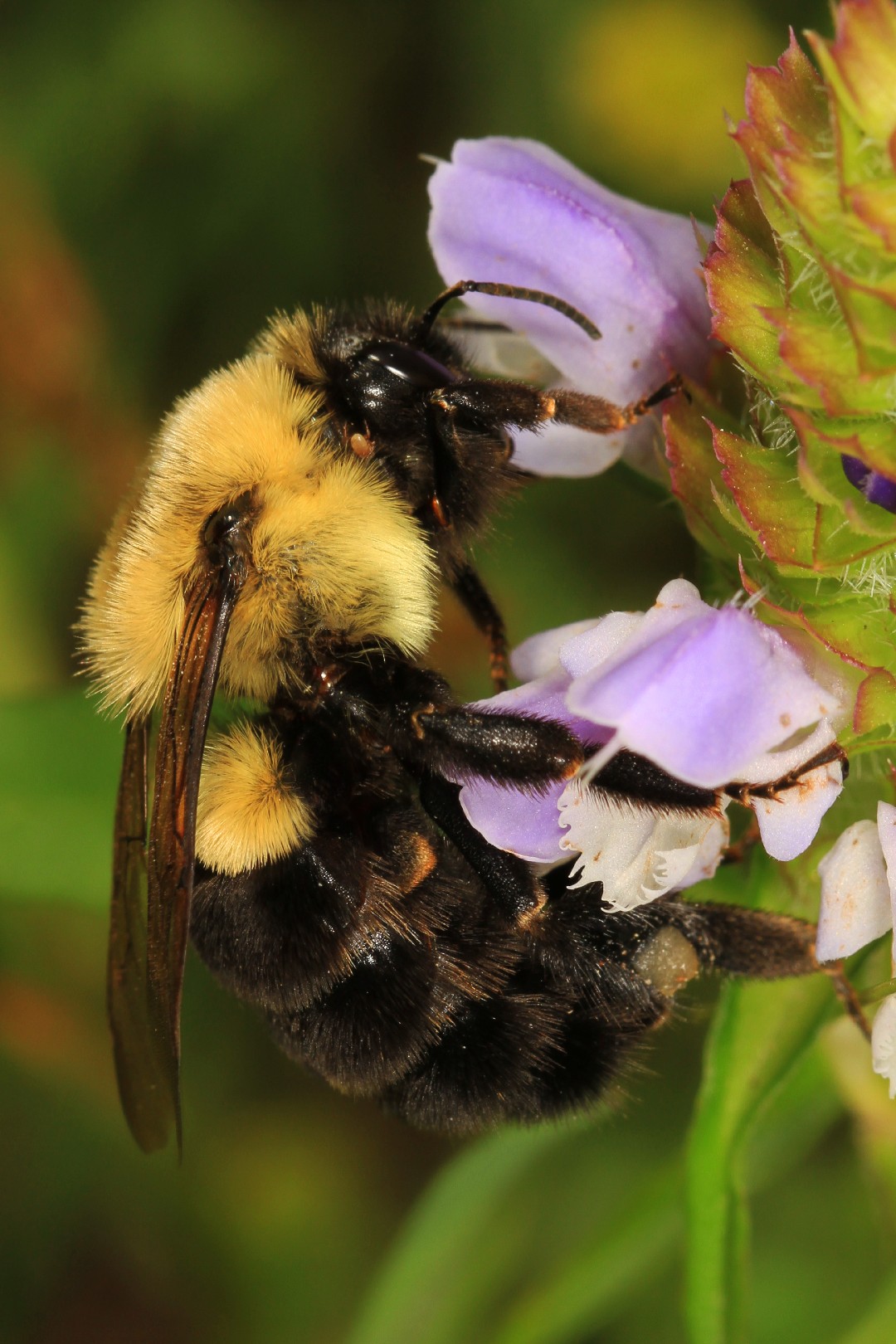
2. Brown-belted bumble bee
The brown-belted bumble bee (Bombus griseocollis) can be distinguished from other bumble bees because of the brown belt on its abdomen. It's often found in urban landscapes, near sunflowers, thistles, and milkweed. The males often fly very high in search of females, and they've even been spotted at the top of the Empire State Building.
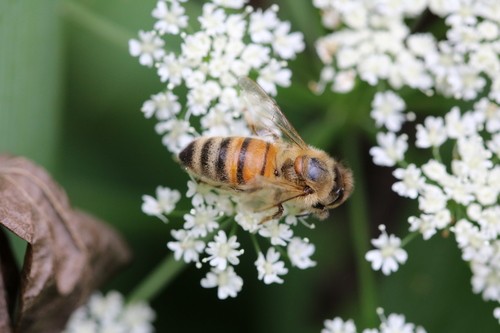
3. Western honey bee
Western honey bee(Apis mellifera) is the most common species of honeybee in the world. Among the first domesticated insects, its cultural and economic impact on humanity has been vast and far-reaching, providing honey, wax and its services as a pollinator. Western honey bee faces challenges worldwide, such as colony collapse disorder, and populations are thought to be decreasing.
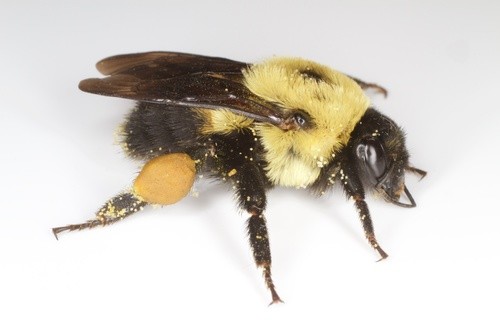
4. Common Eastern Bumble Bee
The common Eastern Bumble Bee (Bombus impatiens) is one of the most important pollinator bees in North America. A decline in the bee population will lead to financial hardships for farmers and reduced food yield. Their efficiency in pollination and foraging comes from their ability to drop "traplines." These lines guide other bees to the correct path for food while informing them of depleted locations.
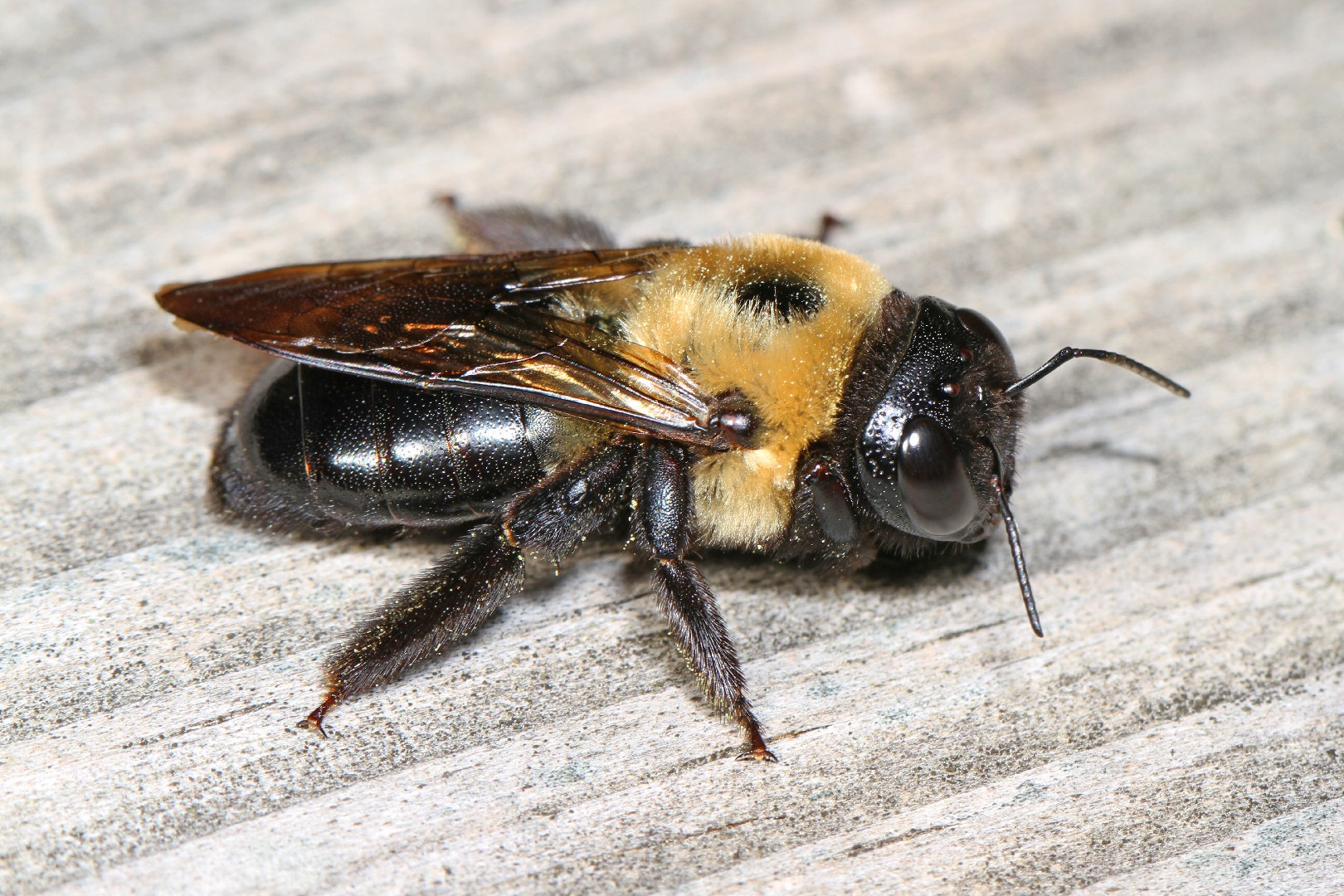
5. Eastern Carpenter Bee
The eastern Carpenter Bee (Xylocopa virginica) is considered a pest and a benefit in the same body. It has earned its pest status from its ability to tunnel into human-made structures and weaken them. They can also stain their excrement on the building as they leave the tunnel. Their benefits as pollinators heavily outweigh any damage they do to structures.

6. Blue dasher
The name Pachydiplax longipennis implies that the blue dasher has long wings due to the "longipennis" section literally translating to it. But this would be misleading, as the insect does not have particularly long wings. Instead, they stick out with vibrant blue colors. The dasher part of their name may be in reference to their voracious diet, as they can eat up to 10 percent of their body weight daily.
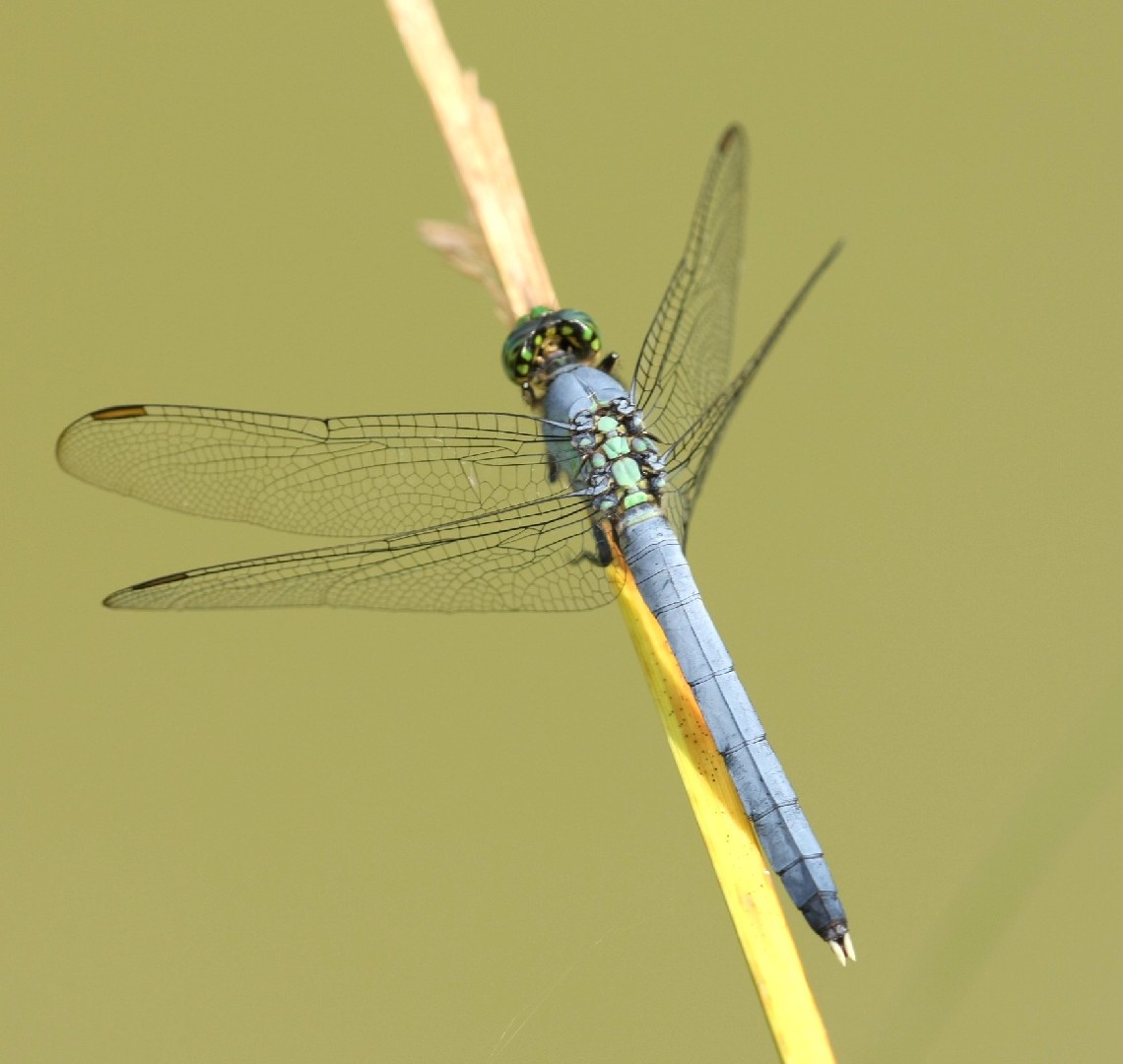
7. Eastern pondhawk
The eastern pondhawk (Erythemis simplicicollis) has much in common with American fishermen, they love living near the sides of ponds. They are a beautiful insect that is easy to distinguish when it comes to different genders. Females are bright green with bands around the abdomen and the males are bright blue with a green face.
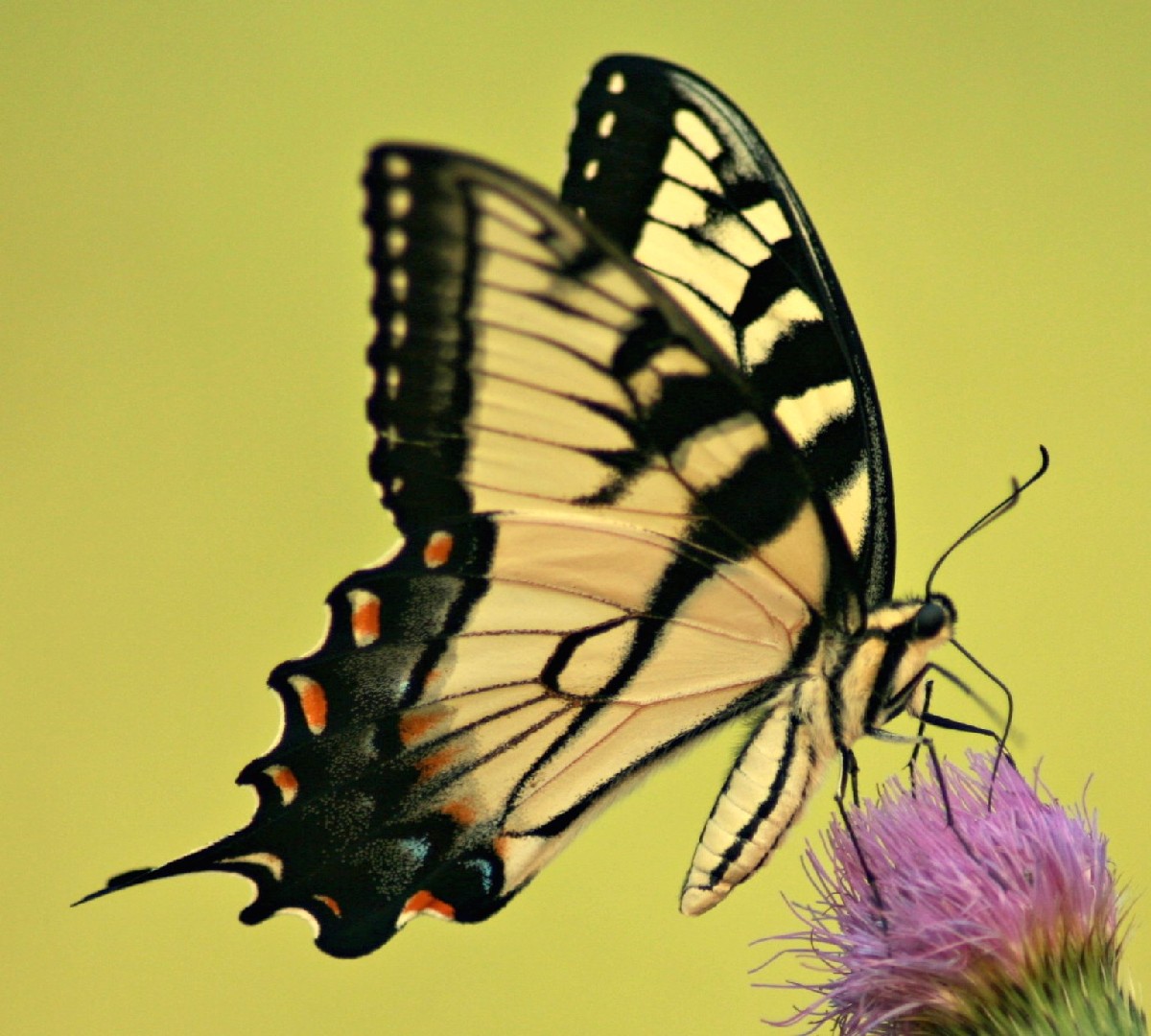
8. Eastern tiger swallowtail
Eastern tiger swallowtail (Papilio glaucus) is among the most recognizable butterflies in the eastern United States, where it inhabits a variety of habitats. This species is diurnal and usually solitary, preferring to fly high above the ground until the time comes to mate. Caterpillars display eyespots to deter birds in between some molting phases.
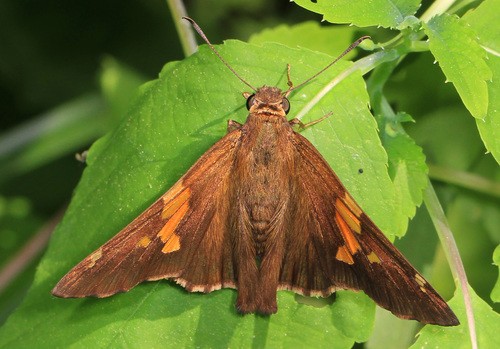
9. Silver-spotted skipper
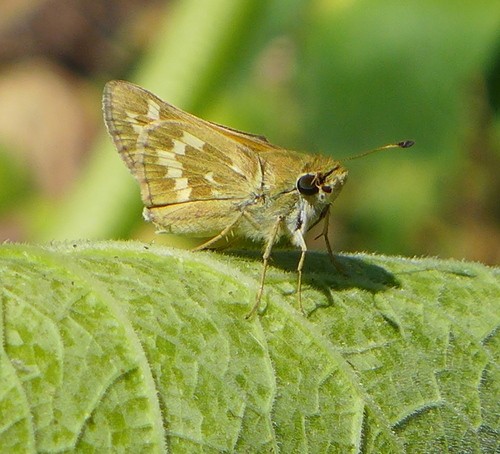
The silver-spotted skipper (Epargyreus clarus) constructs a series of nests throughout its development that depends on its growth stage. Its caterpillar form is considered a major homebody, as they rarely leave the spot they call home. When they are adults, males perch on high branches in order to claim and defend favorable territory. Unusually, silver-spotted skipper adults never visit yellow flowers.
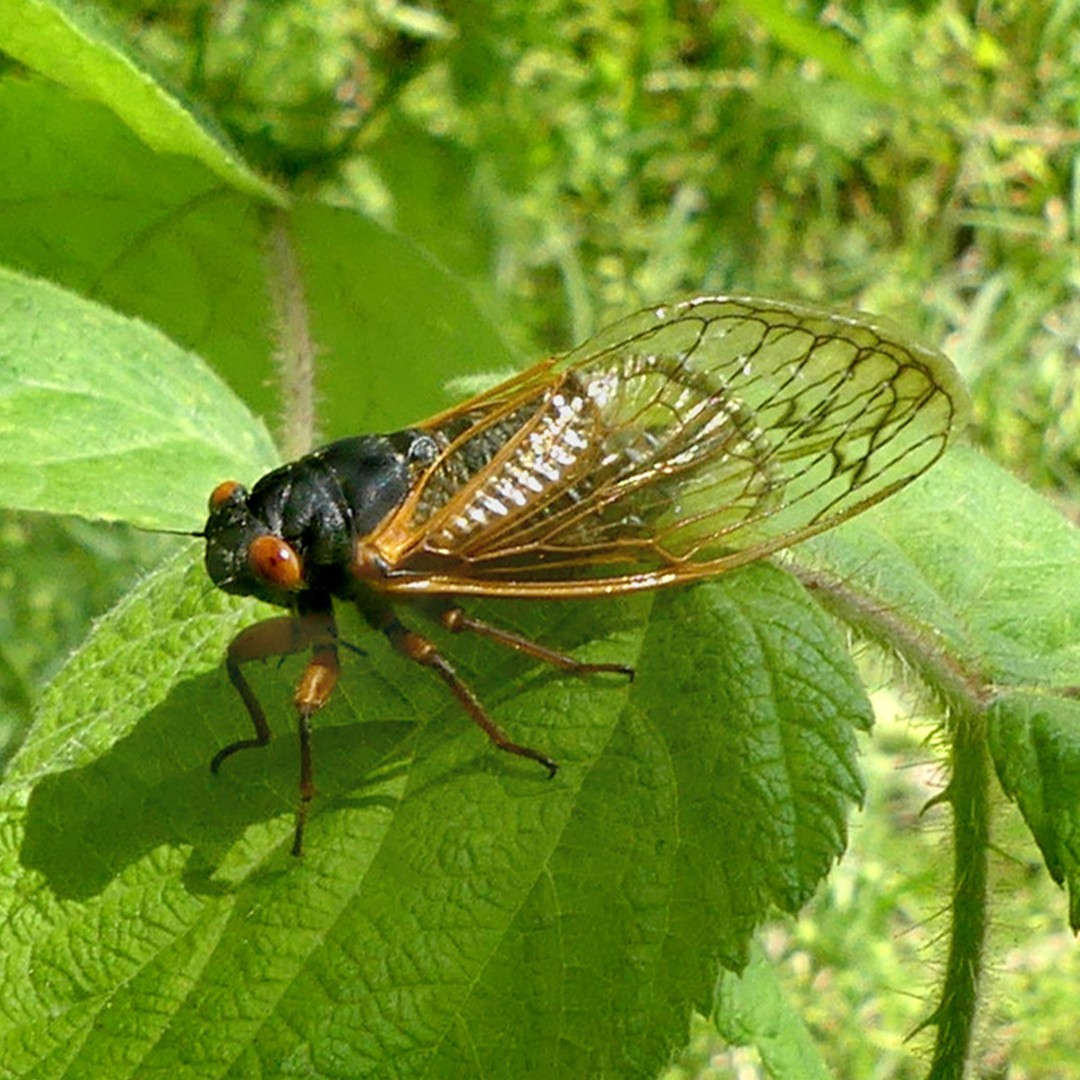
10. Cassin's 17-year cicada
The adult M. cassinii is very similar in appearance to other periodical cicadas. It is between 24 and 27 mm (0.94 and 1.06 in) long, measured from the front of the head to the tip of the wings folded over the abdomen. The head is black, the eyes are large and red, the pronotum is black apart from a narrow orange band at the edge of the sternites, and the abdomen is black. The legs are orange and the wings are translucent, with orange veins and dusky markings near the tips. 

More







