




Top 20 Most Common Insects in Oklahoma
Insects, diverse and fascinating creatures, found in every nook and cranny of Oklahoma. From its lush landscapes to arid plains, each geographical location significantly influences insect biodiversity. As critical ecosystem players, both pest and beneficial insects shape Oklahoma's ecology. As we delve into the '20 most common insects in Oklahoma', we'll explore their habitats, roles, and unique relationships with their environment, making science approachable and engaging for all.

Most Common Insects
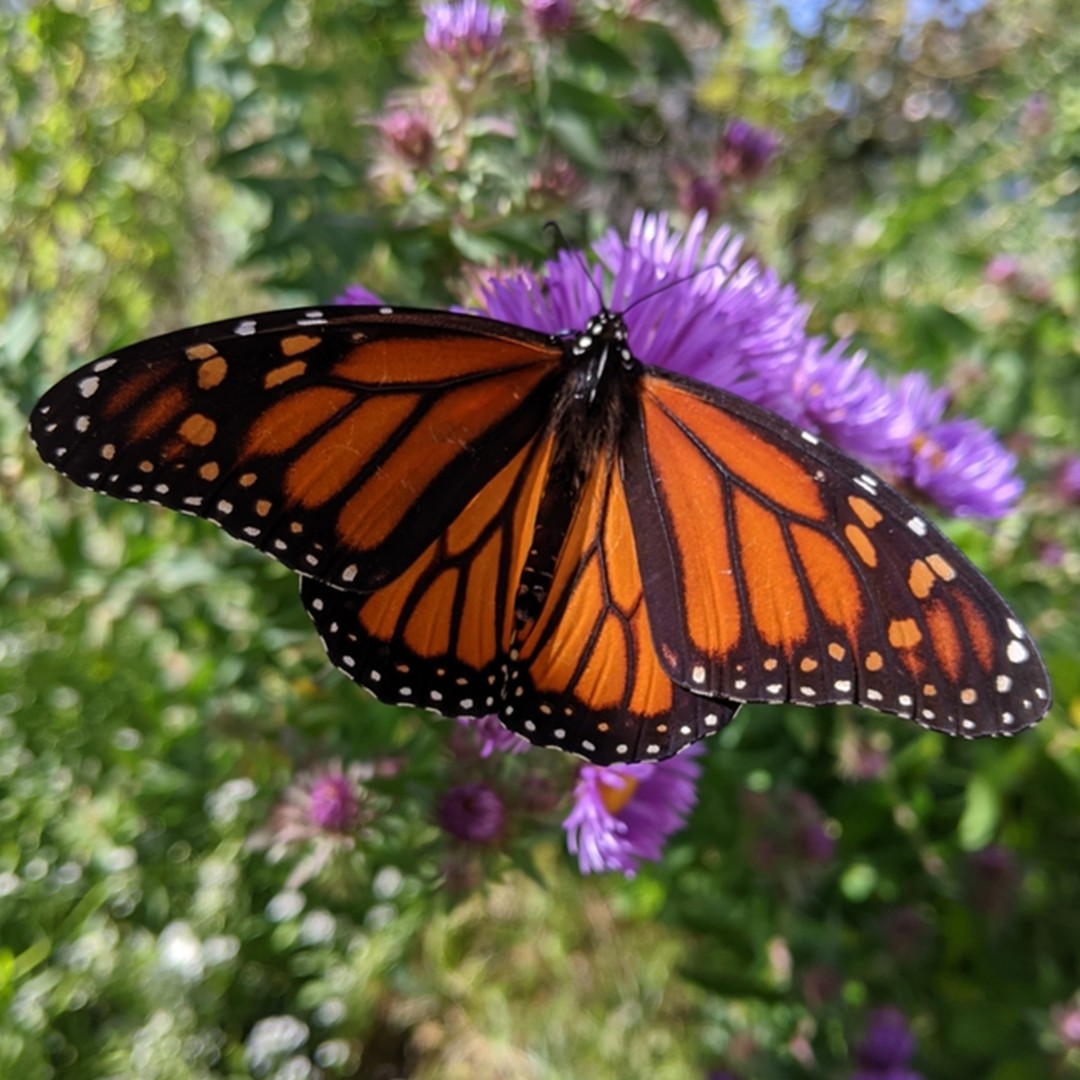
1. Monarch butterfly
The monarch butterfly (Danaus plexippus) is the most recognizable butterfly in North America. It is best known for its appearance, but should be better known for the fact that it has a 3000-mile migration that takes the butterfly 4 generations to complete. Their diet is also a natural deterrent for predators, as they eat milkweed, a poison that induces vomiting.
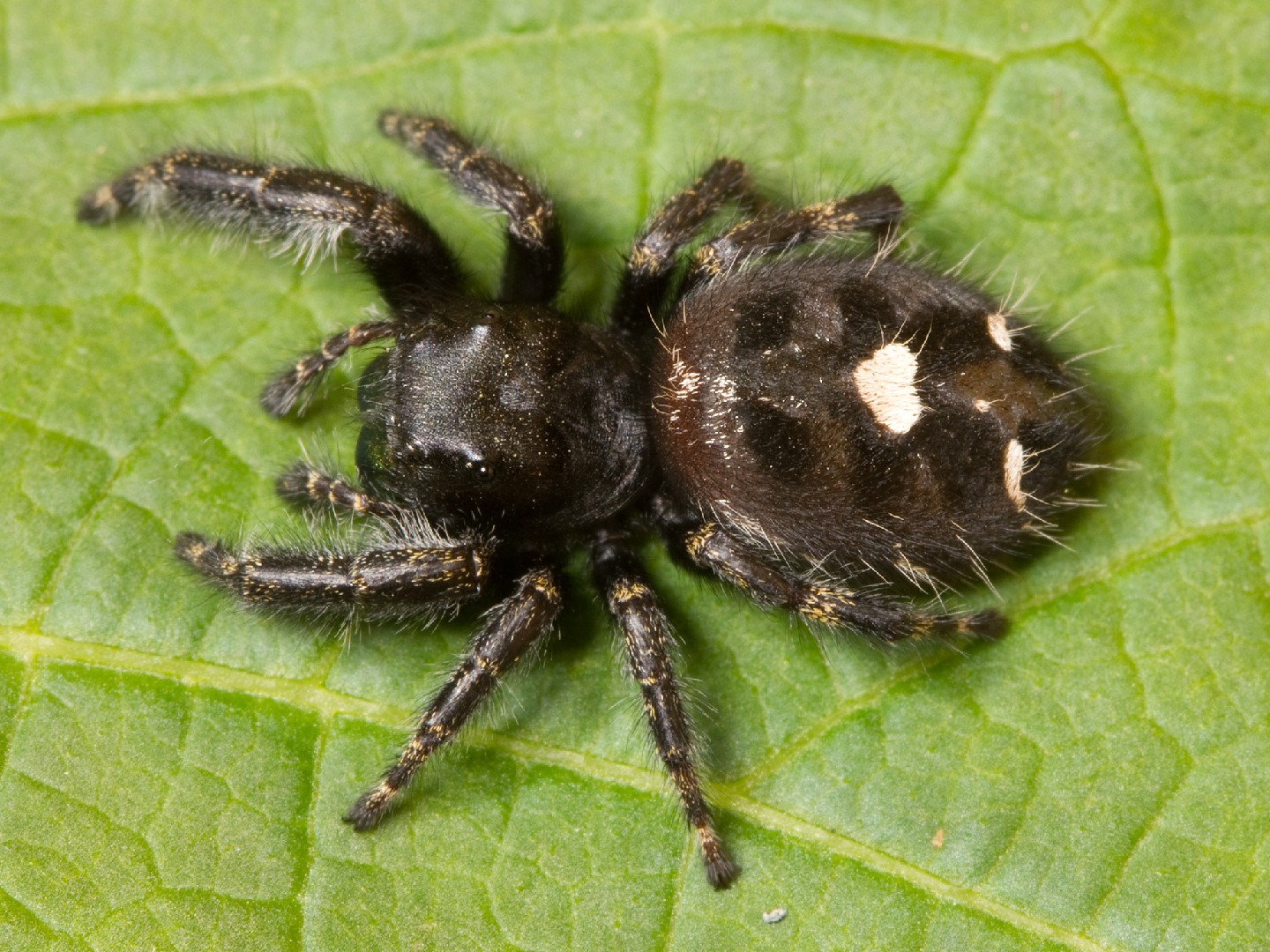
2. Bold jumping spider
The bold jumping spider (Phidippus audax) earned that name from its ability to be sneaky and jump on their prey. Their incredible eyesight allows them to spot prey from greater distances than other spiders. Another possible way it could have earned its name is due to its mating habits. If the female approaches too quickly the male can jump away.
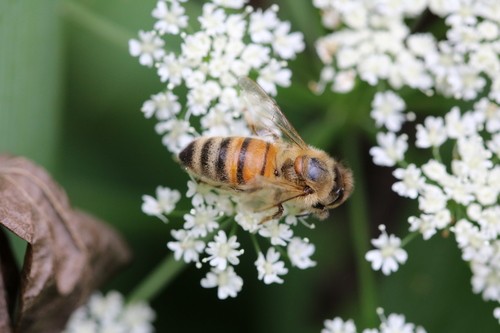
3. Western honey bee
Western honey bee(Apis mellifera) is the most common species of honeybee in the world. Among the first domesticated insects, its cultural and economic impact on humanity has been vast and far-reaching, providing honey, wax and its services as a pollinator. Western honey bee faces challenges worldwide, such as colony collapse disorder, and populations are thought to be decreasing.
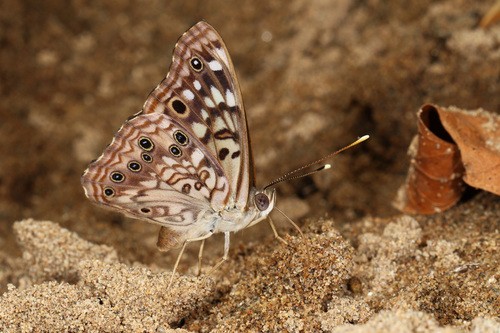
4. Hackberry Emperor
The Asterocampa celtis, also known as the hackberry Emperor, can be easily found in moist places where its favorite Hackberry tree grows. These pretty and naughty creatures are always interested in bright objects, such as a piece of white paper held in the sun. Sometimes they fly to and land on people, in order to drink the sweat for their needs of salt. They also sip moisture and minerals from mud.
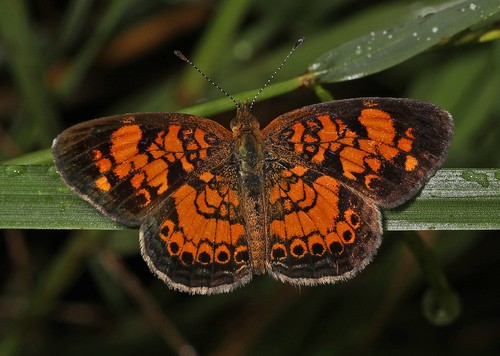
5. Pearl crescent
The pearl crescent (Phyciodes tharos) is an orange butterfly that lives in open areas that are generally moist and sunny. These butterflies are attracted to puddles, and the males will often fight with other male butterflies that land near the same puddle. However, females are not as aggressive and prefer to stay in groups.
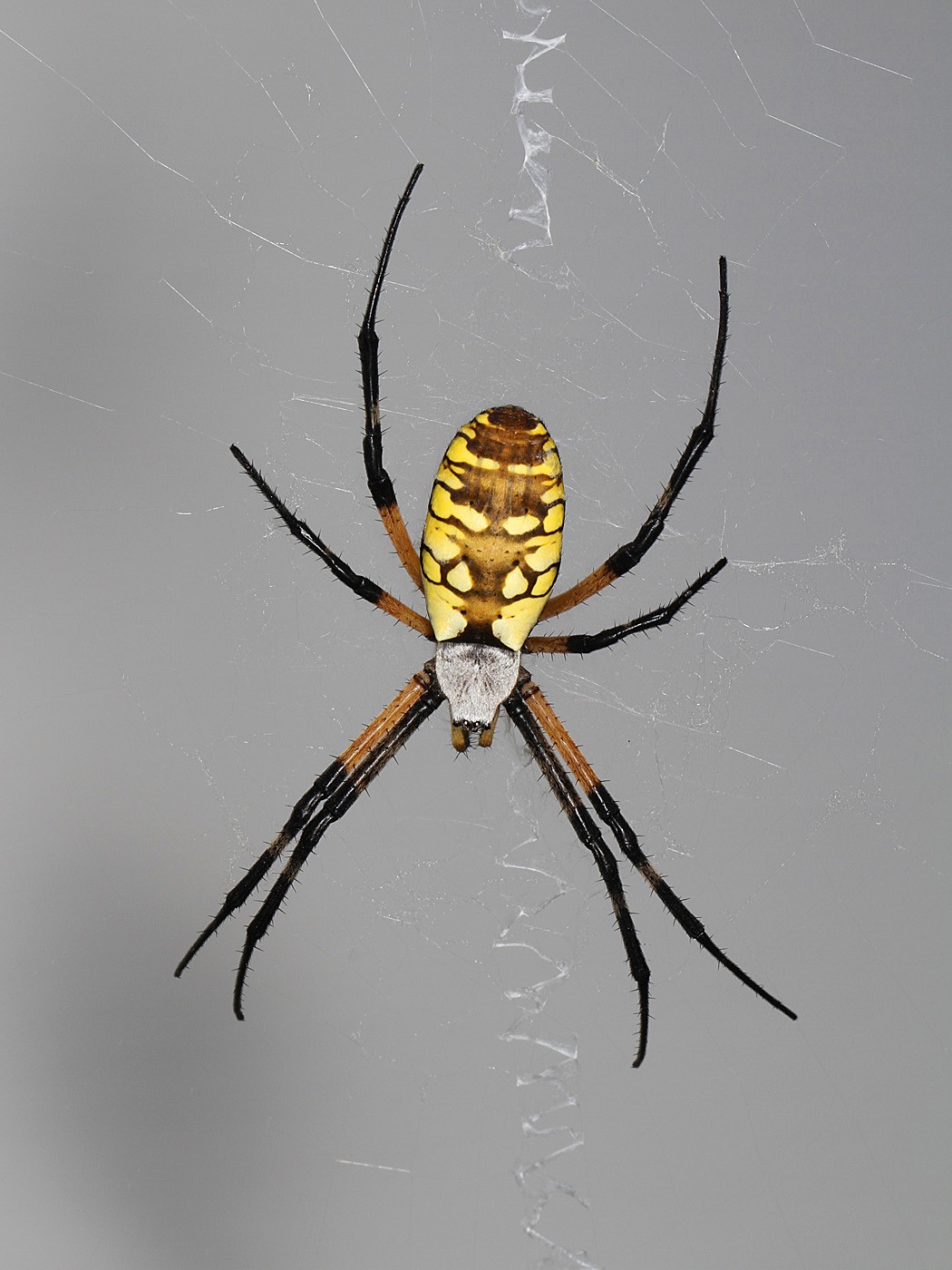
6. Yellow garden spider
The yellow garden spider (Argiope aurantia) is an arachnid that connects itself to its web to feel vibrations that signal to him prey has been caught. Its venom is harmless to humans but perfect for catching smaller insects that might cause harm to your garden. Yellow garden spiders web construction process includes bridge construction and scaffolding, making it among the more complicated web patterns.
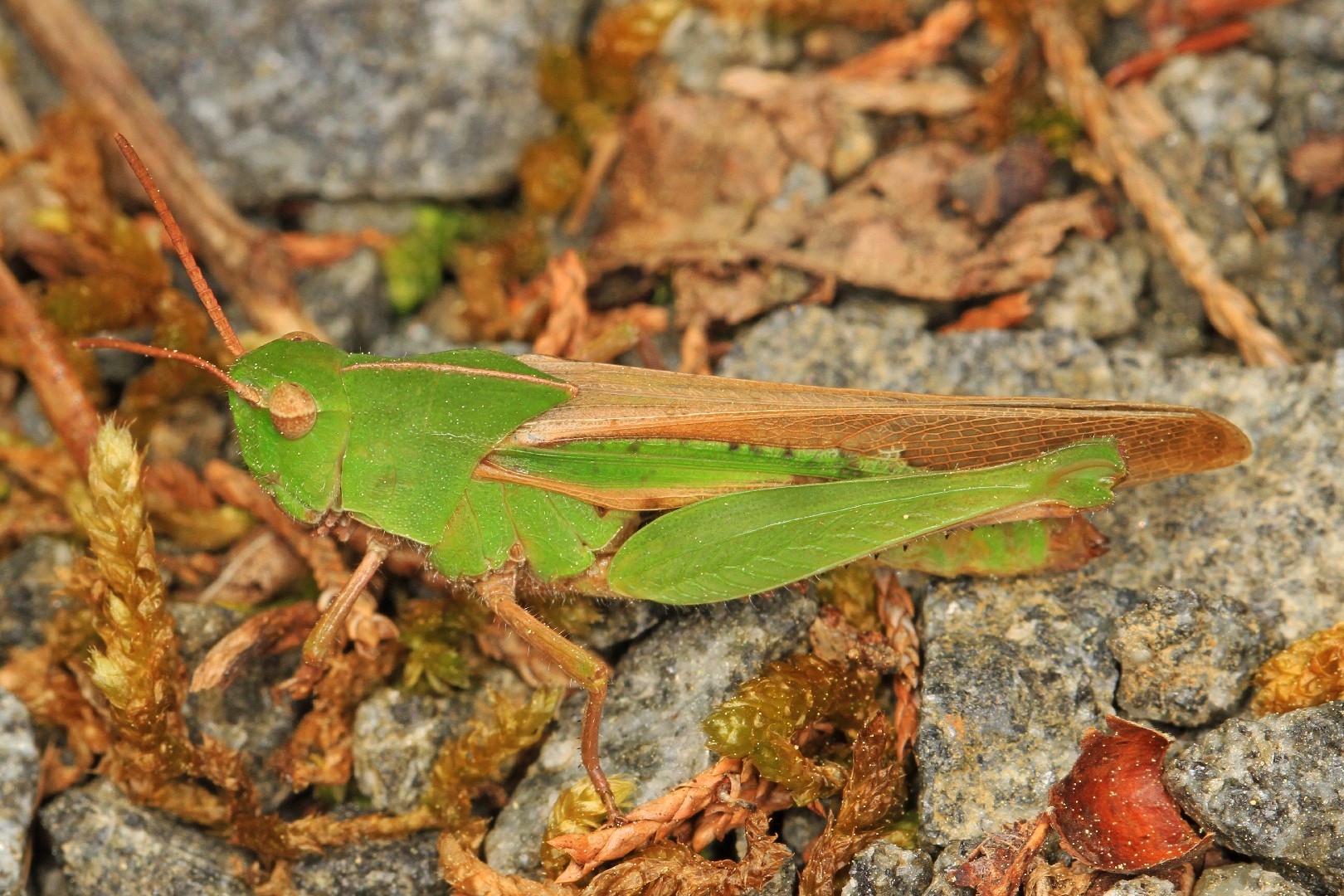
7. Green-striped grasshopper
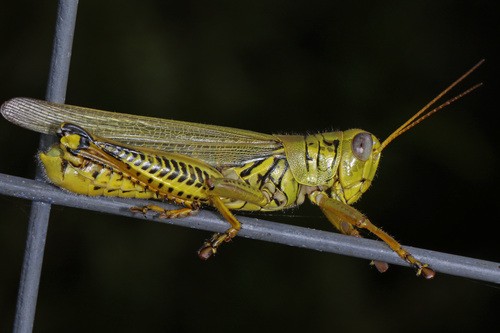
The green-striped grasshopper ( Chortophaga viridifasciata) has very powerful hind legs so that it can jump around one meter long forward. It ranges widely in North America and extends southward into Central America. They are seen most frequently in moist and sunny areas of short grass.
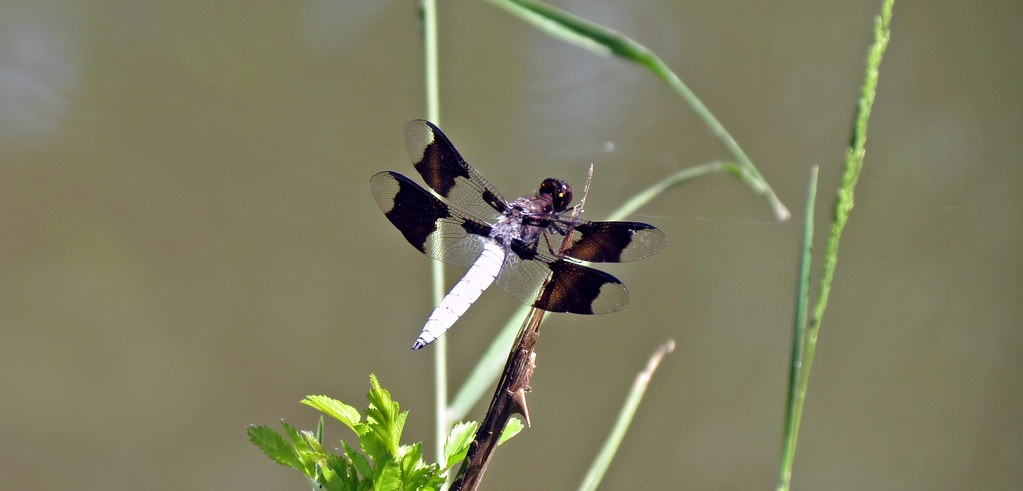
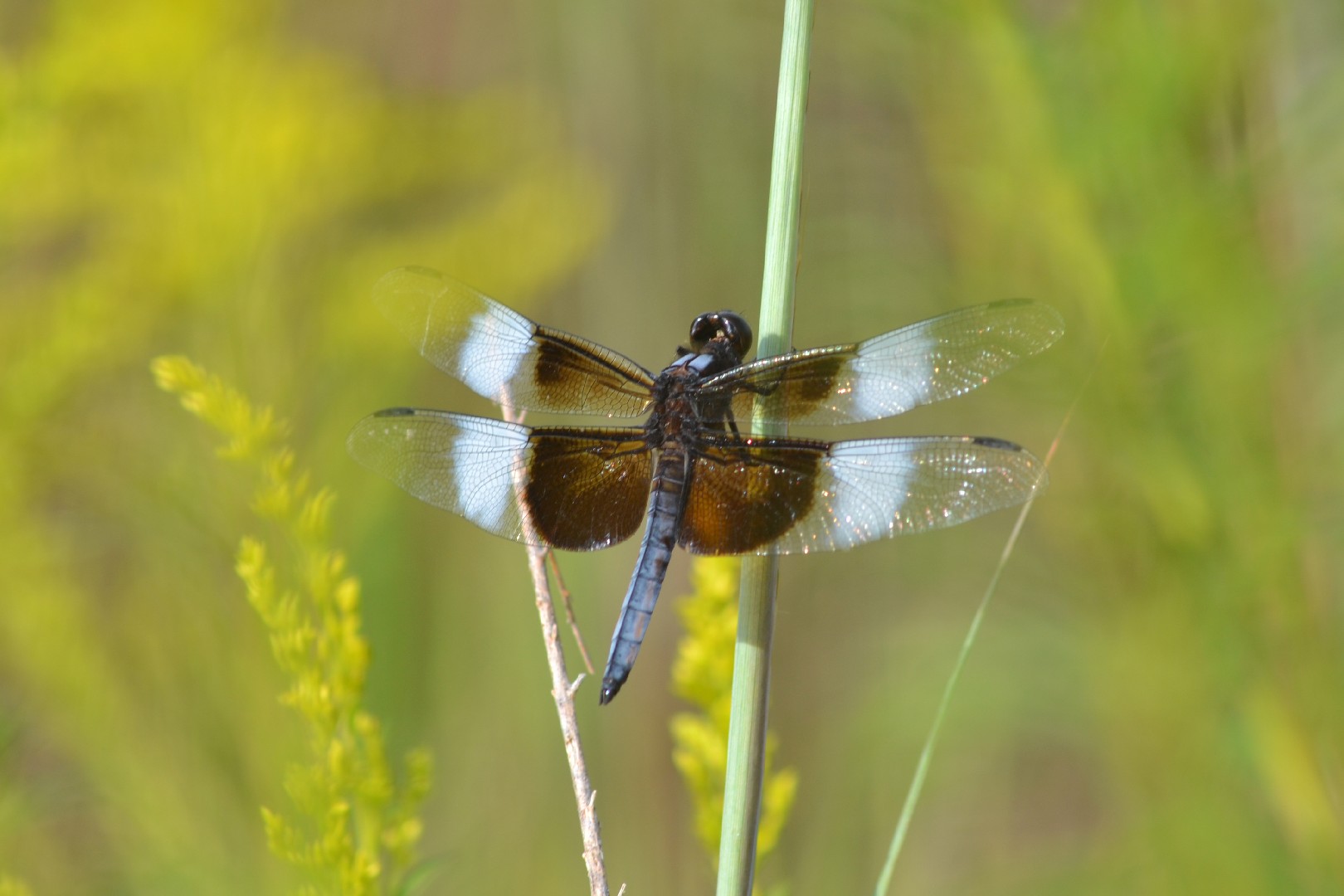
8. Common whitetail skimmer
Common whitetail skimmer has black bands on its translucent wings which make it easy to identify. The common whitetail skimmer is found throughout North America and serves a vital ecological purpose. The dragonfly’s compound eyes provide it with a 360-degree field of vision, allowing it to spot prey like spiders and other nuisance insects.

9. Tan Jumping Spider
Tan Jumping Spider is a very flat spider, which enables it to hide behind tree bark and other very narrow places. These spiders have very good vision and, as their name (Tan Jumping Spider) suggests, are known for their tremendous leaping ability. The tan Jumping Spider is able to jump five times its body length.

10. Multicolored asian ladybeetle
Often confused for the ladybug, multicolored asian ladybeetle (Harmonia axyridis) is a separate species that, unlike the ladybug, is a household pest. It is considered particularly annoying for its habit of returning to places from which it is removed. One of the most variable species in the world, there are many different colors and patterns multicolored asian ladybeetle may display, making identification potentially difficult.
More