




Top 20 Most Common Insects in Nashville
Insects are as fascinating as they are numerous, possessing unique features and a broad range of habitats within Nashville. From pollinators aiding our local flora to pests challenging our living spaces, these tiny creatures play an essential role in maintaining Nashville's ecosystem. This piece aims to explore the top 20 most common insects in Nashville and examine their impact on our city's environment.

Most Common Insects
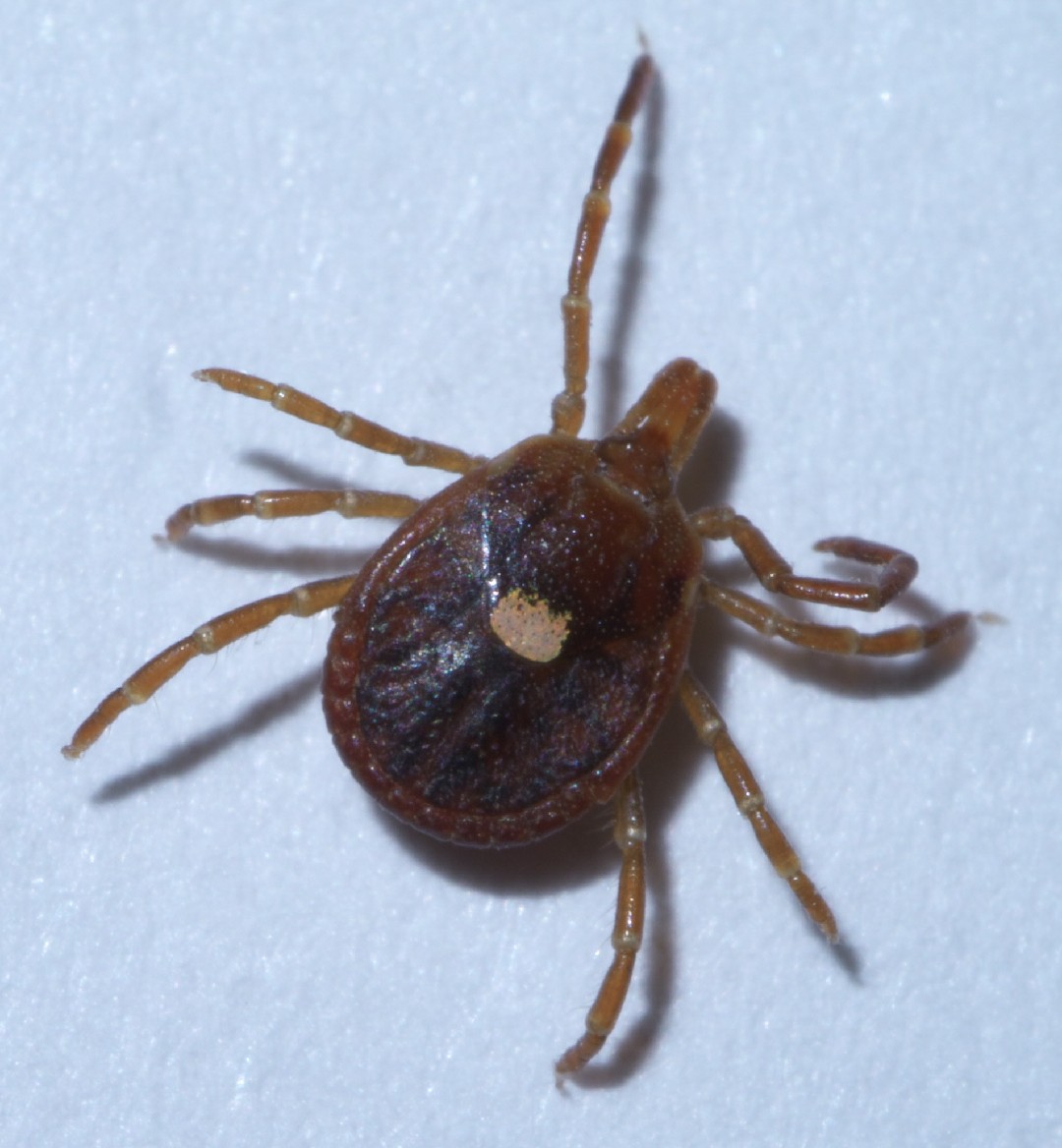
1. Lone star tick
The lone star tick (Amblyomma americanum) has a white dot on its abdomen. This bloodsucker has a taste for turkeys, giving it the nickname "turkey tick." They do not tend to be picky eaters, as they do latch onto humans as well. Humans that have been bitten by this often have Southern Tick Associated Rash Illness (STARI). Symptoms such as fever, headache, and joint pain are resolved quickly using antibiotics.
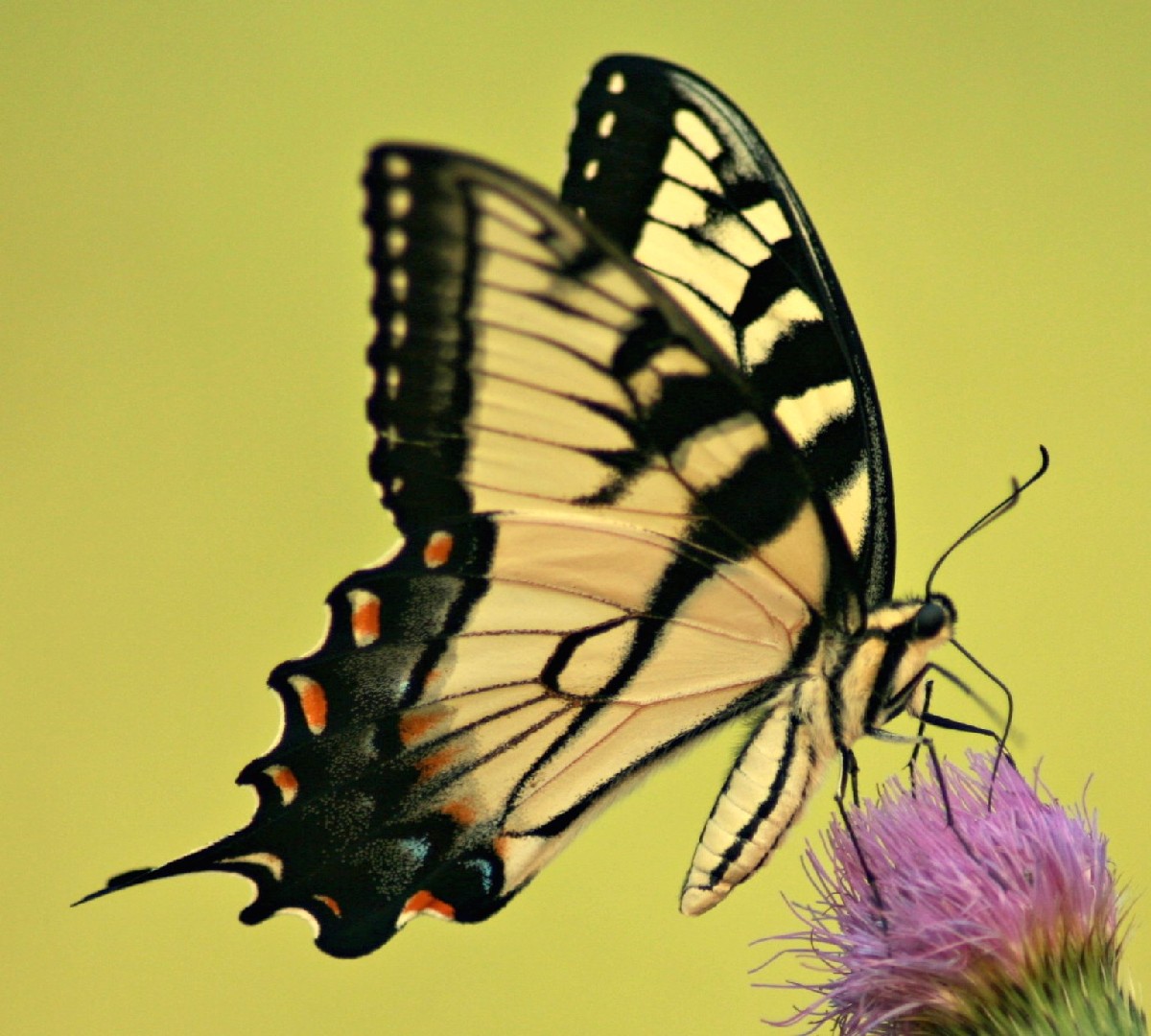
2. Eastern tiger swallowtail
Eastern tiger swallowtail (Papilio glaucus) is among the most recognizable butterflies in the eastern United States, where it inhabits a variety of habitats. This species is diurnal and usually solitary, preferring to fly high above the ground until the time comes to mate. Caterpillars display eyespots to deter birds in between some molting phases.
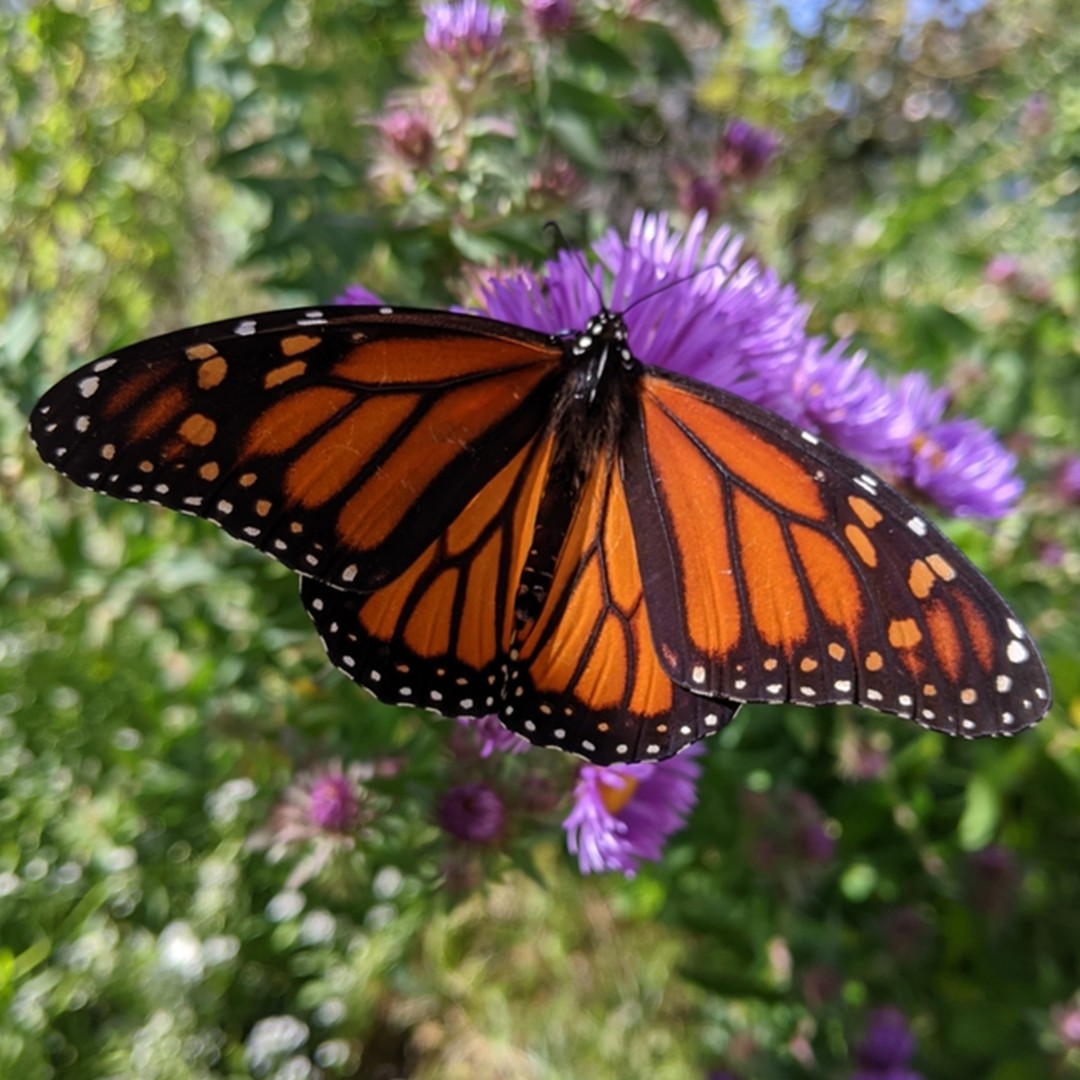
3. Monarch butterfly
The monarch butterfly (Danaus plexippus) is the most recognizable butterfly in North America. It is best known for its appearance, but should be better known for the fact that it has a 3000-mile migration that takes the butterfly 4 generations to complete. Their diet is also a natural deterrent for predators, as they eat milkweed, a poison that induces vomiting.
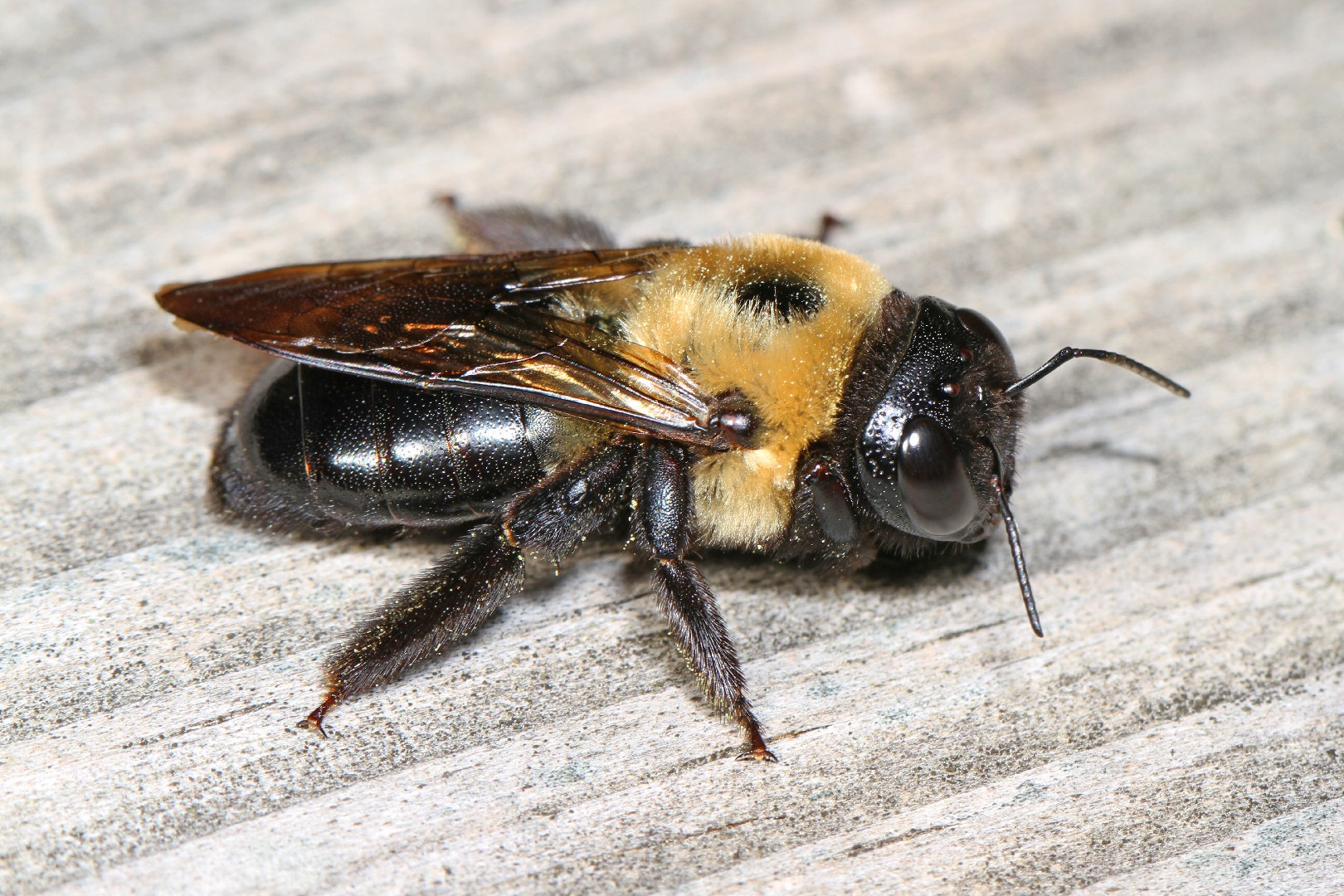
4. Eastern Carpenter Bee
The eastern Carpenter Bee (Xylocopa virginica) is considered a pest and a benefit in the same body. It has earned its pest status from its ability to tunnel into human-made structures and weaken them. They can also stain their excrement on the building as they leave the tunnel. Their benefits as pollinators heavily outweigh any damage they do to structures.
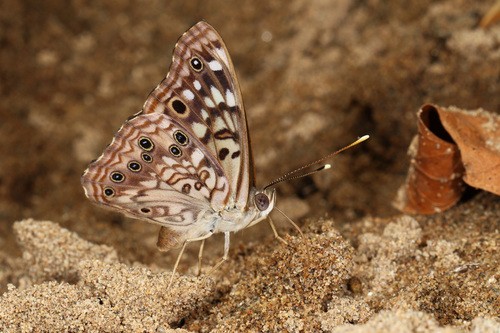
5. Hackberry Emperor
The Asterocampa celtis, also known as the hackberry Emperor, can be easily found in moist places where its favorite Hackberry tree grows. These pretty and naughty creatures are always interested in bright objects, such as a piece of white paper held in the sun. Sometimes they fly to and land on people, in order to drink the sweat for their needs of salt. They also sip moisture and minerals from mud.
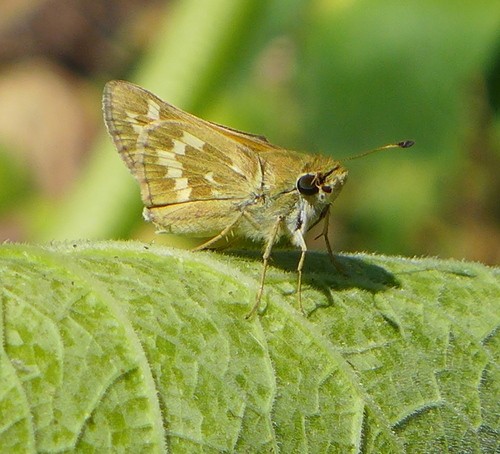
6. Sachem
The sachem (Atalopedes campestris) feeds on the nectar of many flowers, including milkweeds, peppermint, and red clovers. It often spends its time near pastures, meadows, roadsides, parks, and yards. The males spend most of their time on the ground, waiting for females to come.

7. Multicolored asian ladybeetle
Often confused for the ladybug, multicolored asian ladybeetle (Harmonia axyridis) is a separate species that, unlike the ladybug, is a household pest. It is considered particularly annoying for its habit of returning to places from which it is removed. One of the most variable species in the world, there are many different colors and patterns multicolored asian ladybeetle may display, making identification potentially difficult.
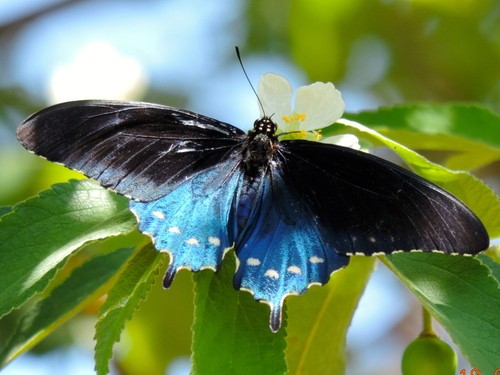
8. Pipevine Swallowtail
The pipevine Swallowtail (Battus philenor) is an insect that is protected globally but is considered a species of special concern in the northern part of their range in Michigan. The name pipevine Swallowtail comes from the common plants that they are hosts of. They are also known as the blue swallowtail due to their brilliant, blue color.
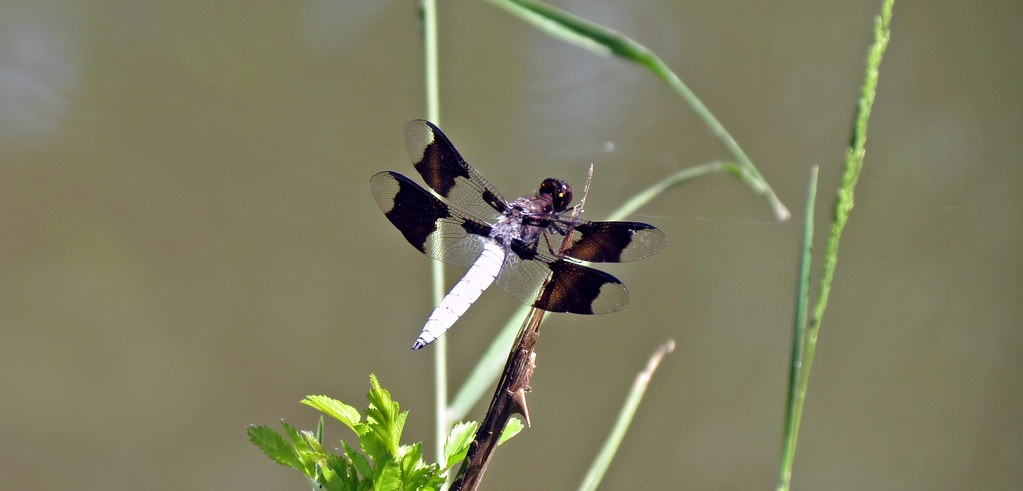
9. Common whitetail skimmer
Common whitetail skimmer has black bands on its translucent wings which make it easy to identify. The common whitetail skimmer is found throughout North America and serves a vital ecological purpose. The dragonfly’s compound eyes provide it with a 360-degree field of vision, allowing it to spot prey like spiders and other nuisance insects.
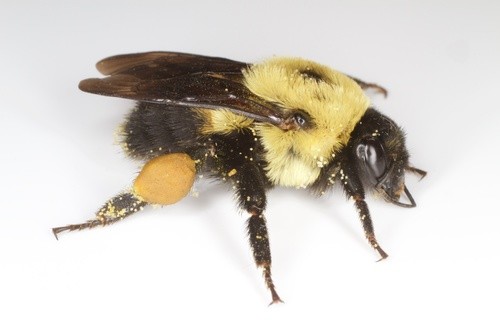
10. Common Eastern Bumble Bee
The common Eastern Bumble Bee (Bombus impatiens) is one of the most important pollinator bees in North America. A decline in the bee population will lead to financial hardships for farmers and reduced food yield. Their efficiency in pollination and foraging comes from their ability to drop "traplines." These lines guide other bees to the correct path for food while informing them of depleted locations.

More







