




Top 20 Most Common Insects in Dallas
Insects - an array of fascinating creatures thriving in Dallas, known for their exoskeletons, three-part bodies, and compound eyes. They play essential roles within Dallas's ecosystem, acting as pollinators, waste recyclers, and, notably, as formidable pests. Their presence in Dallas mirrors the condition of our local environment, showcasing the complex and significant interaction between urban life and nature through these top 20 common insects.

Most Common Insects

1. Southern House Mosquito
The southern House Mosquito is the common pest of the tropical and subtropical world and has spread worldwide from old sailing ships. This nuisance biter makes a meal out of all types of birds and mammals (humans included) and is the main spreader of the disabling disease lymphatic filariasis. The southern House Mosquito has caused massive losses in terms of health and economic damage because of its disease-ridden bites.
2. Monarch butterfly
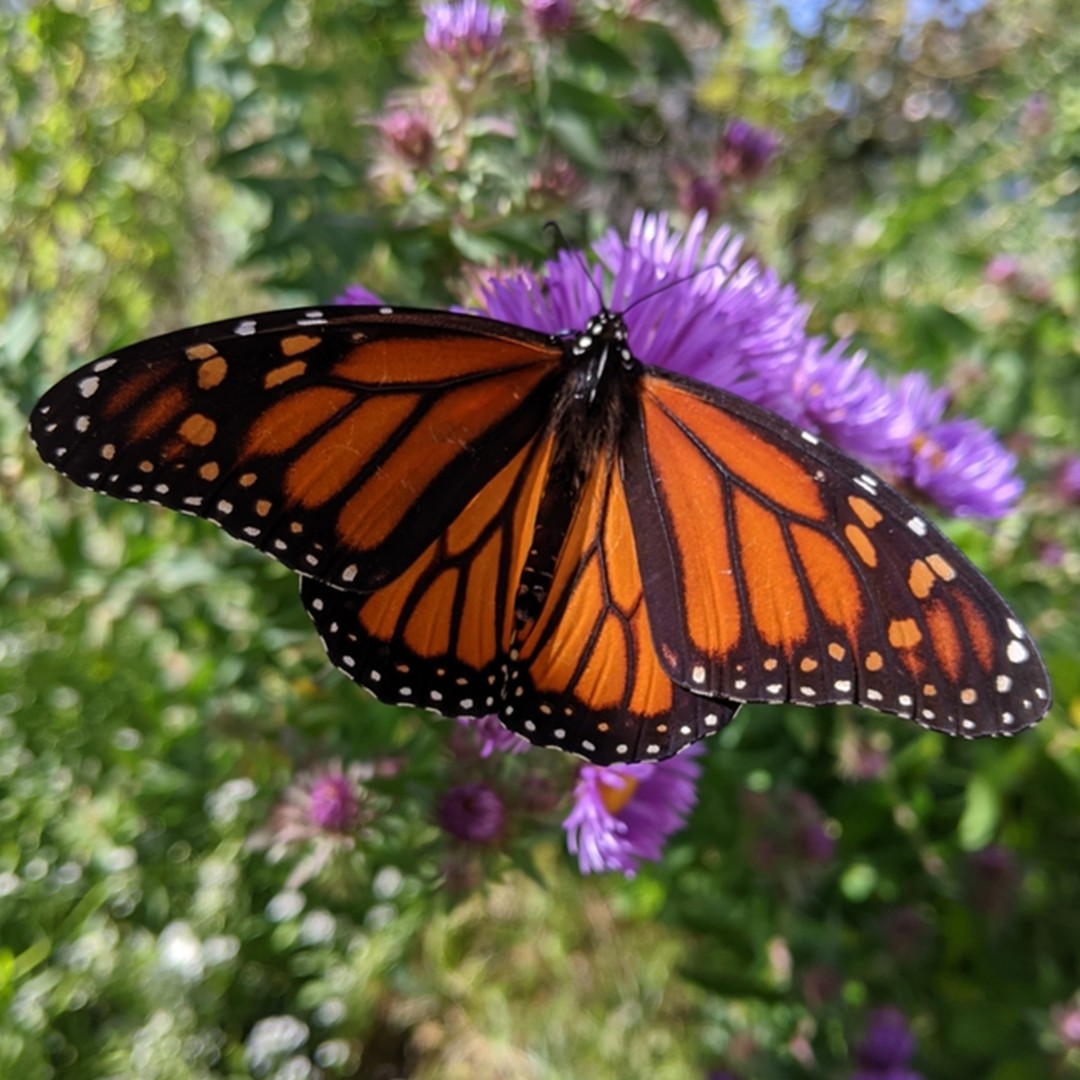
The monarch butterfly (Danaus plexippus) is the most recognizable butterfly in North America. It is best known for its appearance, but should be better known for the fact that it has a 3000-mile migration that takes the butterfly 4 generations to complete. Their diet is also a natural deterrent for predators, as they eat milkweed, a poison that induces vomiting.
3. Yellow fever mosquito
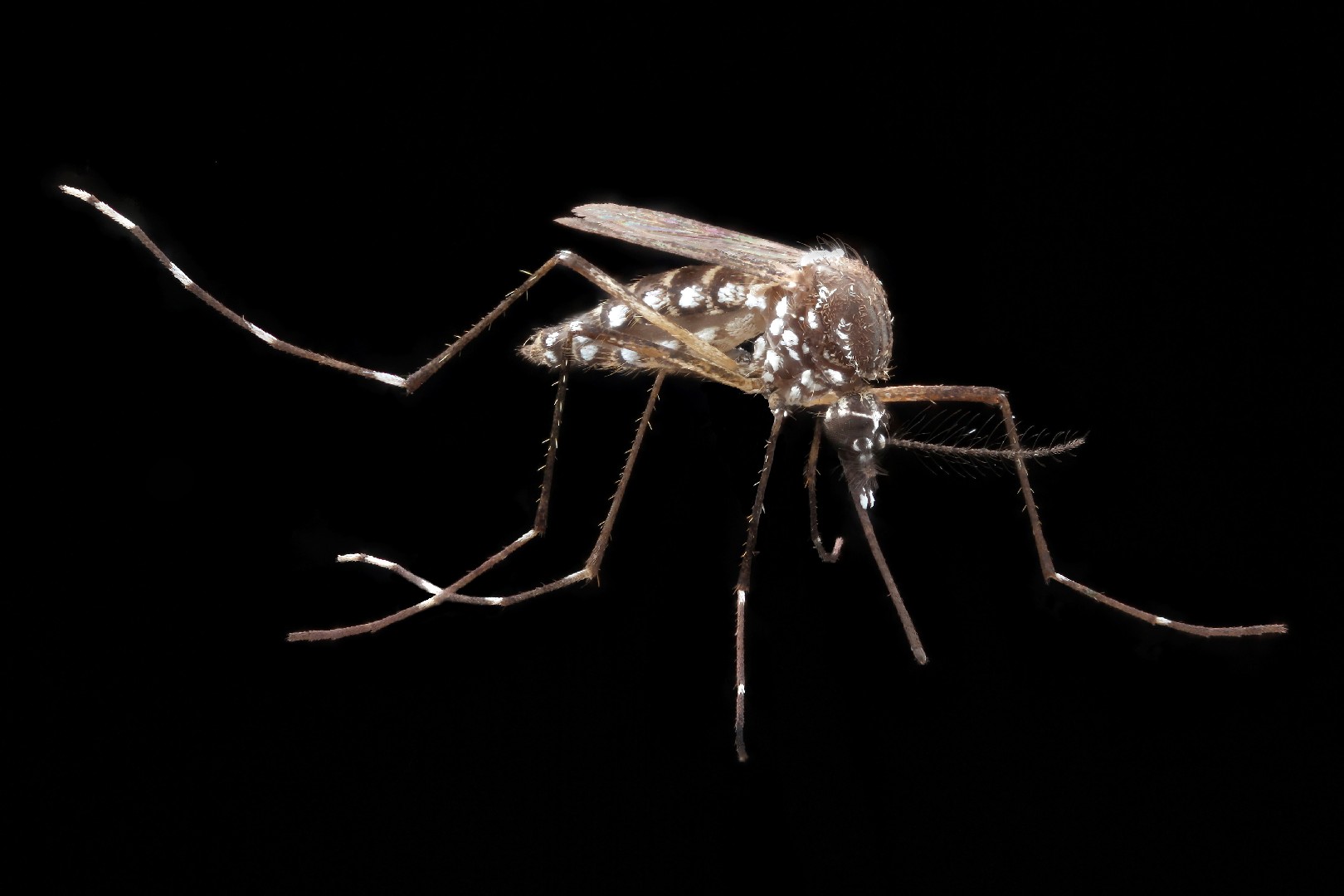
Yellow fever mosquito is notorious for spreading many diseases including dengue, zika, and yellow fevers to name a few. Only the females bite and suck blood, which contributes to the production and maturation of her eggs that they prefer to lay in stagnant water. Researchers have tried to reduce their population by genetically modifying the males to reduce the lifespan of offspring.
4. Asian Tiger Mosquito
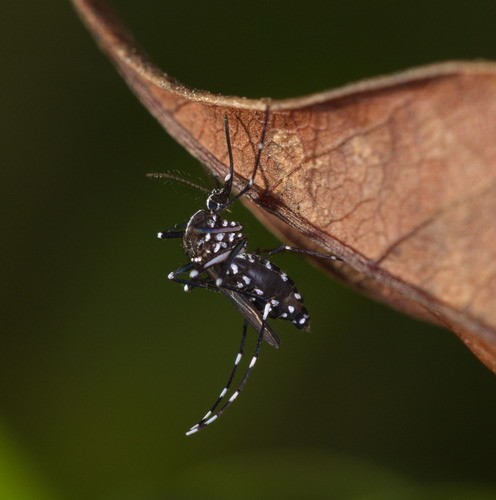
The asian Tiger Mosquito (Aedes albopictus) has recently (the 1970s) infested every corner of the world through the shipment of used tired, lucky bamboo (Dracaena sanderiana), and other similar products. The asian Tiger Mosquito is known to transmit many deadly diseases that include West Nile Virus.
5. Western honey bee
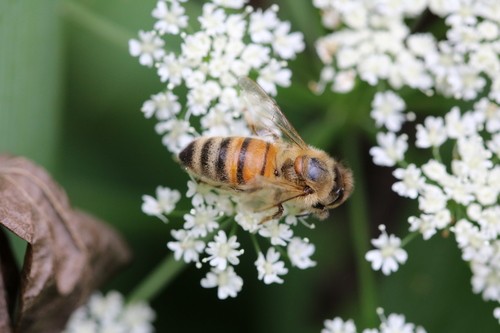
Western honey bee(Apis mellifera) is the most common species of honeybee in the world. Among the first domesticated insects, its cultural and economic impact on humanity has been vast and far-reaching, providing honey, wax and its services as a pollinator. Western honey bee faces challenges worldwide, such as colony collapse disorder, and populations are thought to be decreasing.
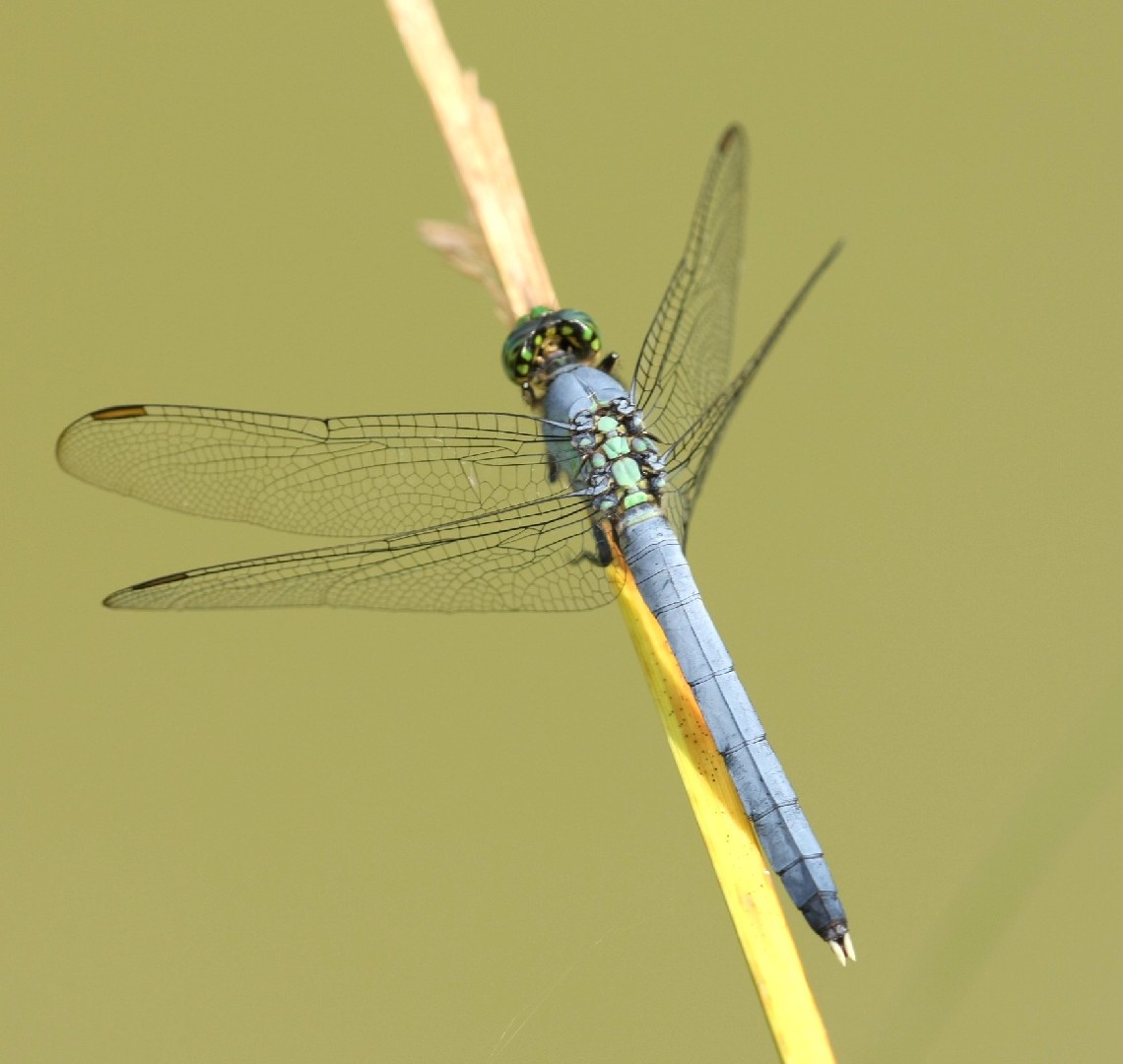
6. Eastern pondhawk
The eastern pondhawk (Erythemis simplicicollis) has much in common with American fishermen, they love living near the sides of ponds. They are a beautiful insect that is easy to distinguish when it comes to different genders. Females are bright green with bands around the abdomen and the males are bright blue with a green face.
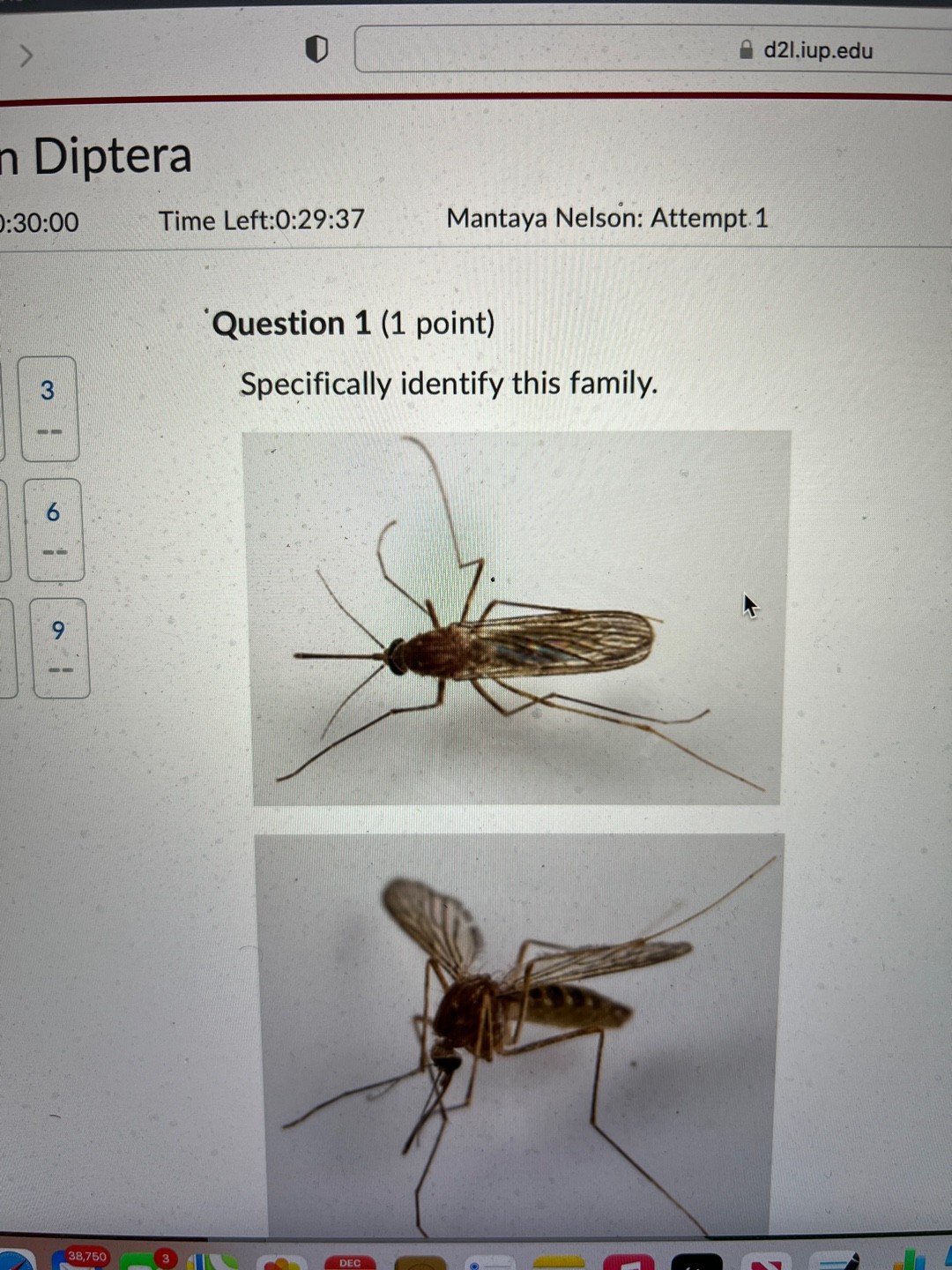
7. White dotted mosquito
Culex restuans is a species of mosquito known to occur in Canada, the United States, Mexico, Guatemala, and Honduras. It is a disease vector of St. Louis encephalitis and West Nile virus. 

8. Blue dasher
The name Pachydiplax longipennis implies that the blue dasher has long wings due to the "longipennis" section literally translating to it. But this would be misleading, as the insect does not have particularly long wings. Instead, they stick out with vibrant blue colors. The dasher part of their name may be in reference to their voracious diet, as they can eat up to 10 percent of their body weight daily.
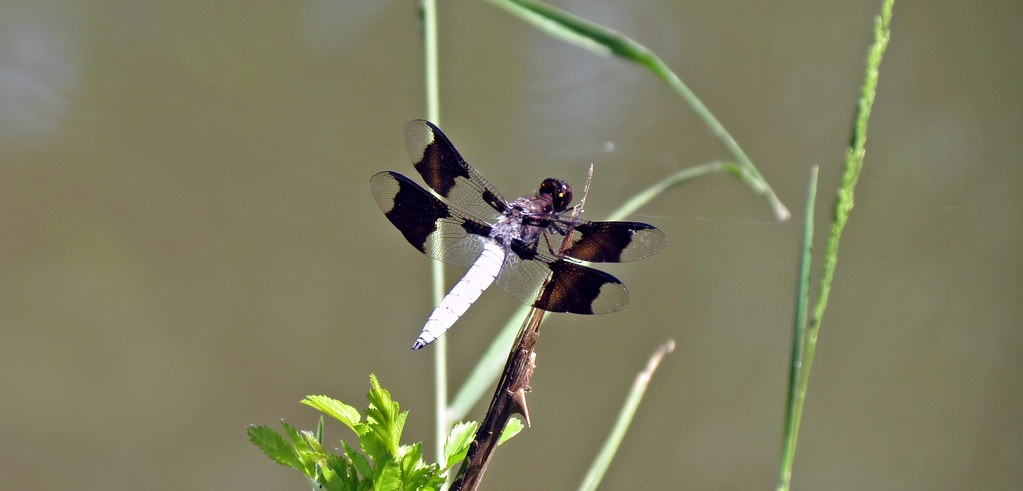
9. Common whitetail skimmer
Common whitetail skimmer has black bands on its translucent wings which make it easy to identify. The common whitetail skimmer is found throughout North America and serves a vital ecological purpose. The dragonfly’s compound eyes provide it with a 360-degree field of vision, allowing it to spot prey like spiders and other nuisance insects.
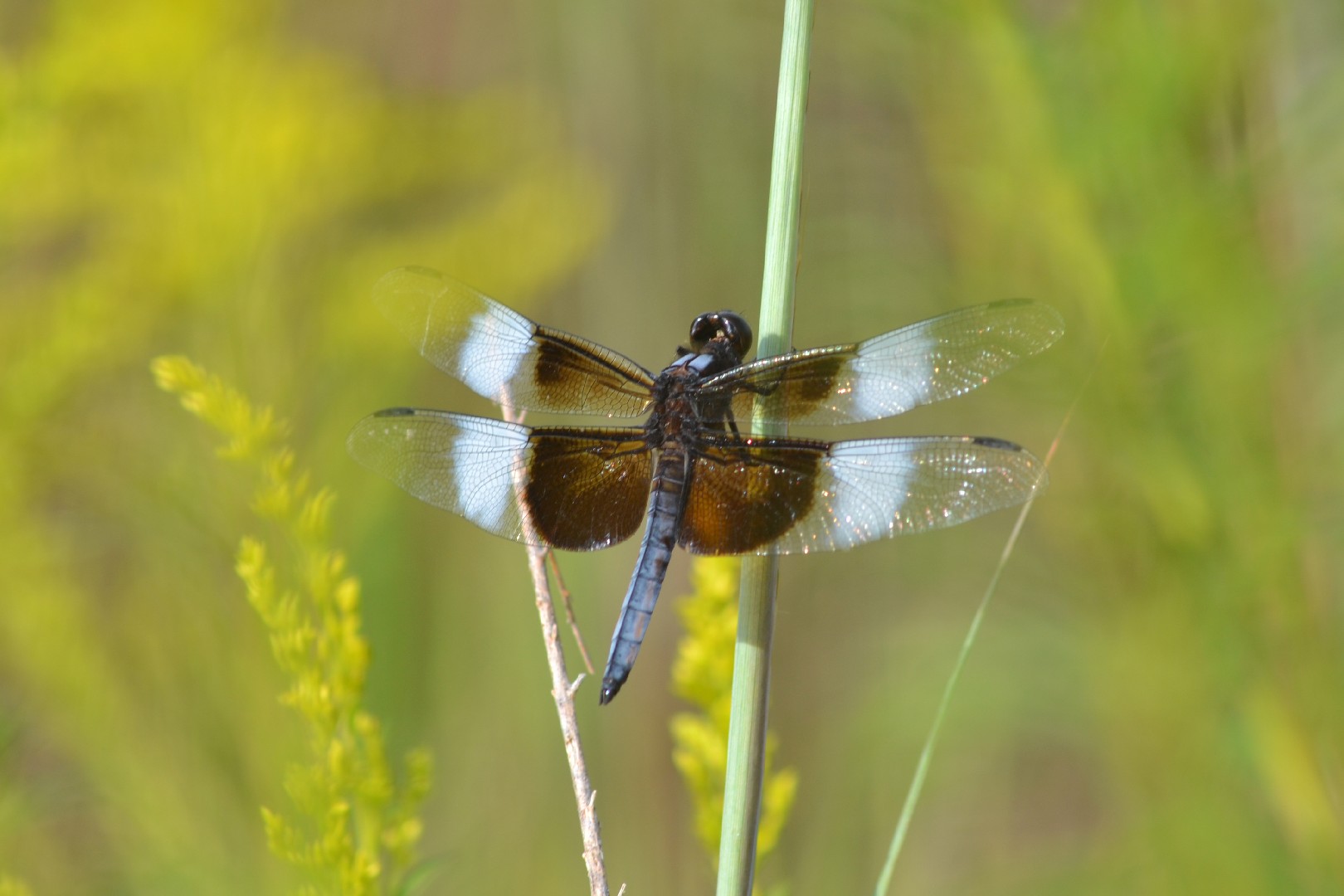
10. Widow skimmer
The widow skimmer (Libellula luctuosa) is a large insect that grows to be incredibly large with a bulbous head and body. As they age, they are known to grow whitish, much like our grandparents' hair. They live in the water until their final molt, where they reveal their wings, it is at this point it reveals why it has part of a group called the king skimmers.

More







