




Top 20 Most Common Insects in Vernon
Insects, with their diverse features and adaptability, call even urban landscapes like Vernon home. These creatures play critical roles in our local ecosystem, acting as pollinators, decomposers, and even controlling pest populations. Our list of the Top 20 most common insects in Vernon unravels the intriguing relationship between the city's environment and its six-legged inhabitants.

Most Common Insects
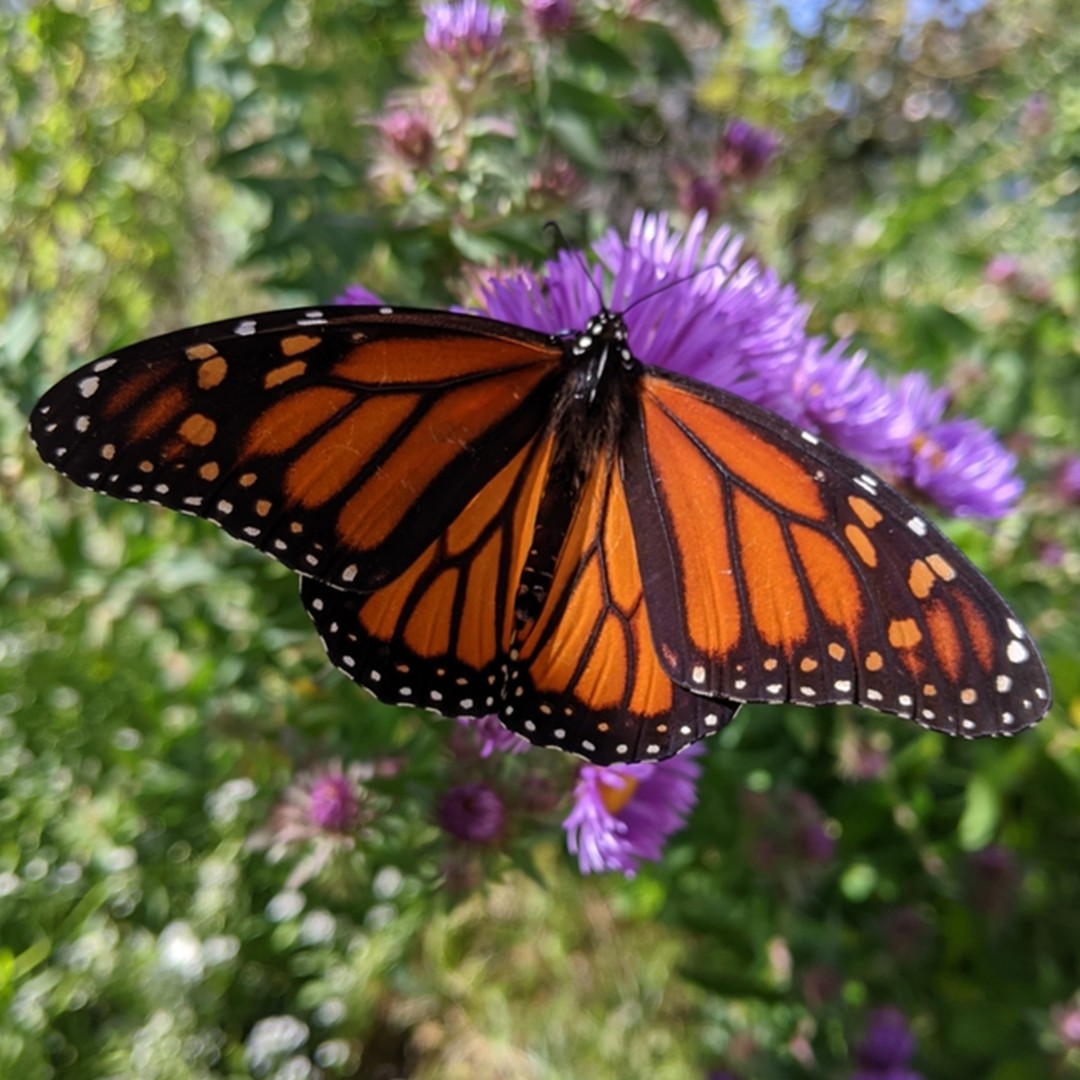
1. Monarch butterfly
The monarch butterfly (Danaus plexippus) is the most recognizable butterfly in North America. It is best known for its appearance, but should be better known for the fact that it has a 3000-mile migration that takes the butterfly 4 generations to complete. Their diet is also a natural deterrent for predators, as they eat milkweed, a poison that induces vomiting.
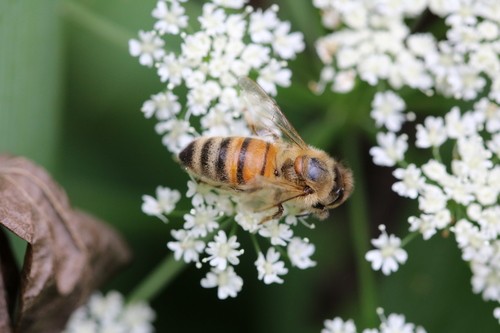
2. Western honey bee
Western honey bee(Apis mellifera) is the most common species of honeybee in the world. Among the first domesticated insects, its cultural and economic impact on humanity has been vast and far-reaching, providing honey, wax and its services as a pollinator. Western honey bee faces challenges worldwide, such as colony collapse disorder, and populations are thought to be decreasing.
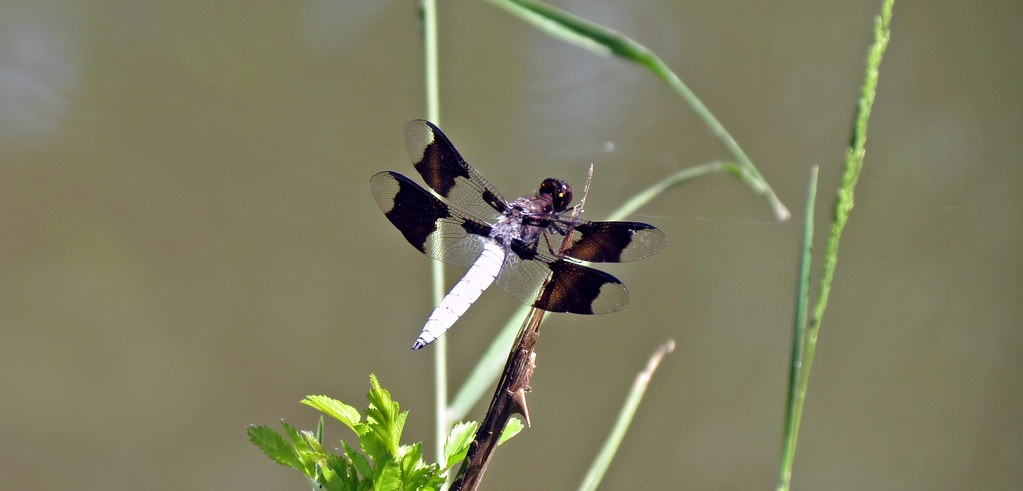
3. Common whitetail skimmer
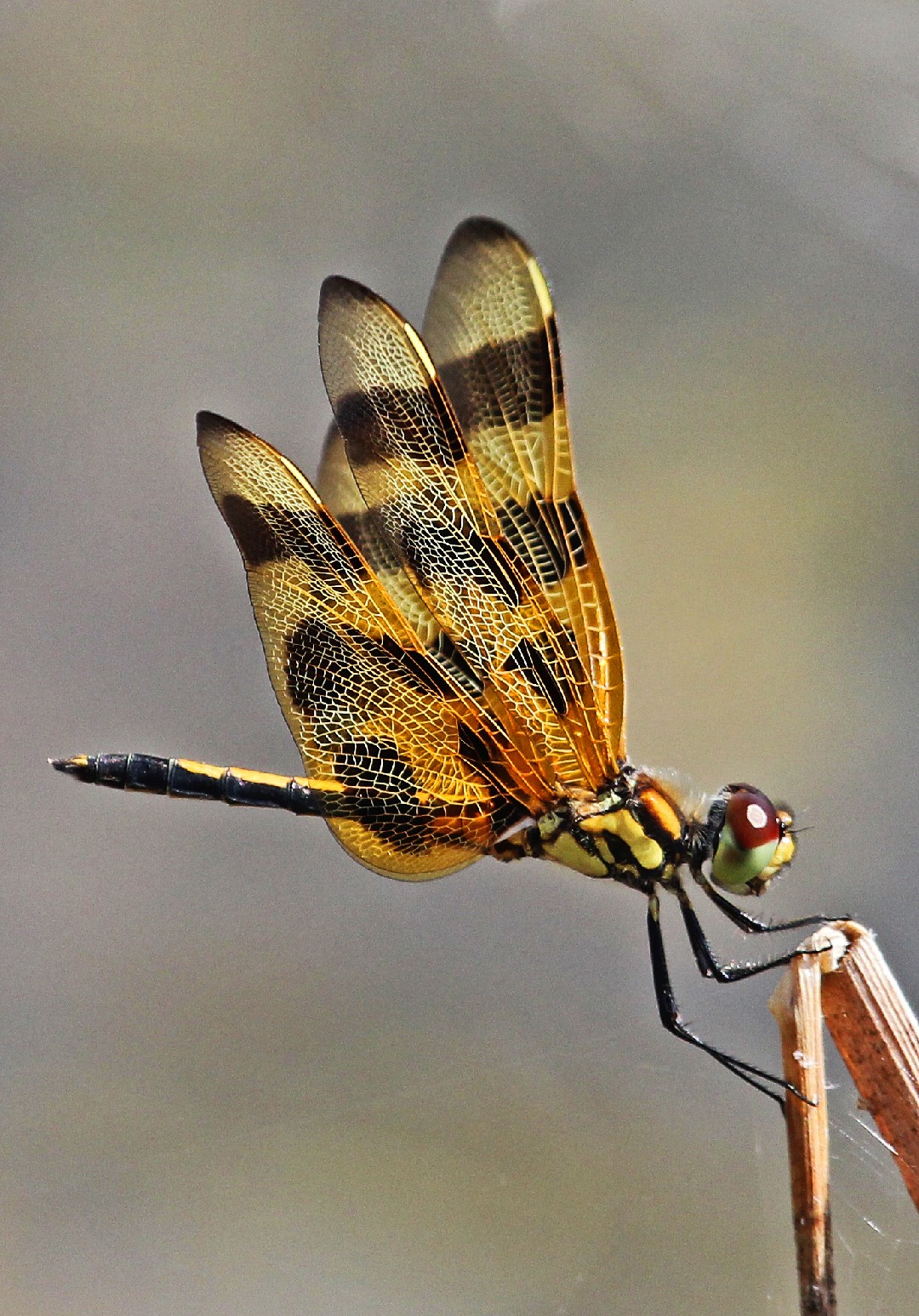
Common whitetail skimmer has black bands on its translucent wings which make it easy to identify. The common whitetail skimmer is found throughout North America and serves a vital ecological purpose. The dragonfly’s compound eyes provide it with a 360-degree field of vision, allowing it to spot prey like spiders and other nuisance insects.
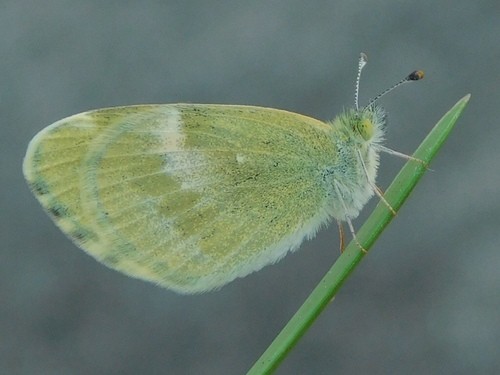
4. Dainty sulphur
The upperside of the wings is yellow with the tip of the forewing being black. Black bars extend along the trailing edge of the forewing and the leading edge of the hindwing. Male dainty sulphurs have an oval scent patch (called an androconial spot) in each hindwing bar. The androconial spot is reddish orange but fades to pale yellow after death. The underside of the wings varies depending on the season. Summer individuals have yellowish hindwings whereas winter individuals have greenish-gray hindwings. Both forms have black spots near the forewinge ng margin and have a yellowish-orapatch near the base of the forewing. 
5. Widow skimmer
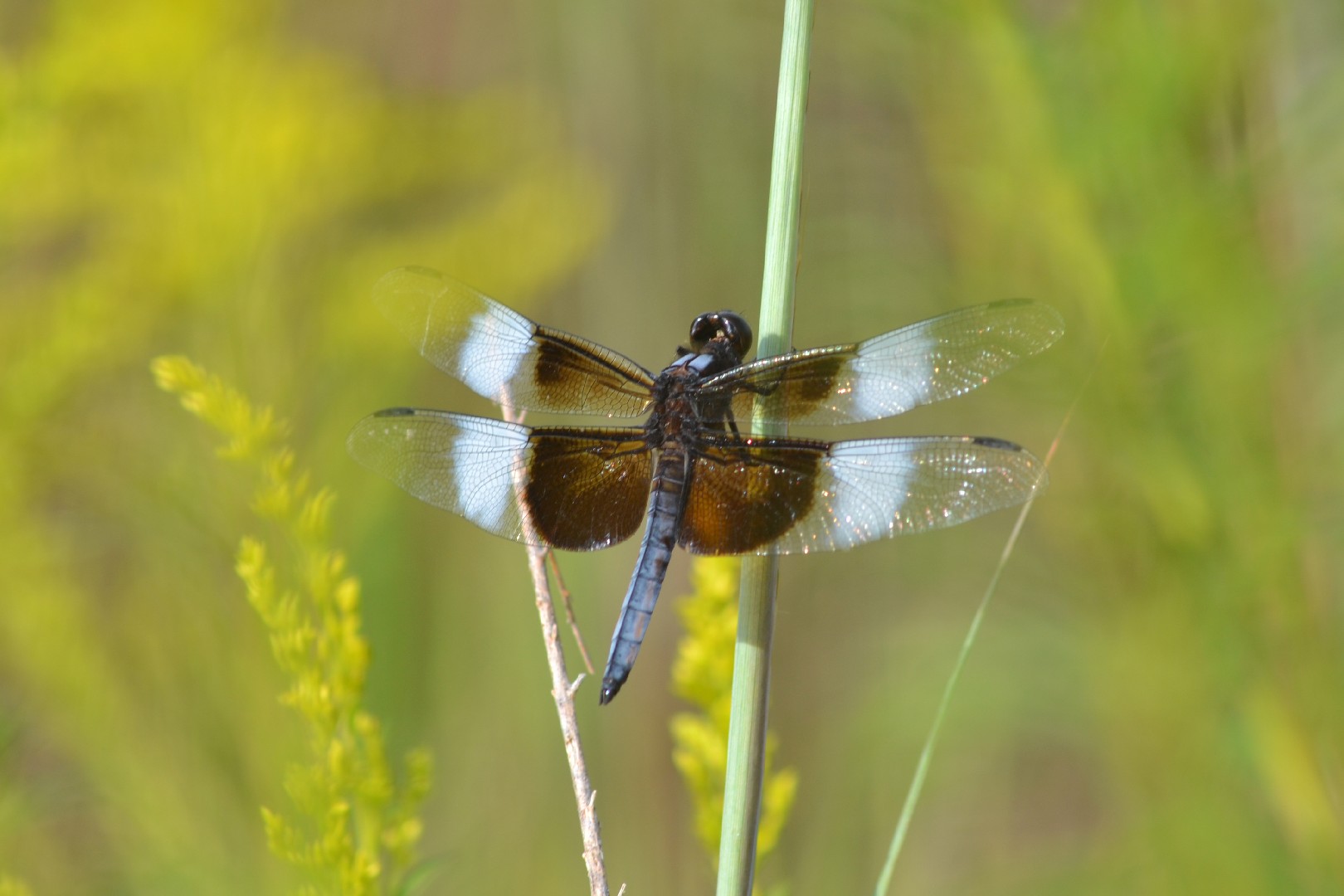
The widow skimmer (Libellula luctuosa) is a large insect that grows to be incredibly large with a bulbous head and body. As they age, they are known to grow whitish, much like our grandparents' hair. They live in the water until their final molt, where they reveal their wings, it is at this point it reveals why it has part of a group called the king skimmers.
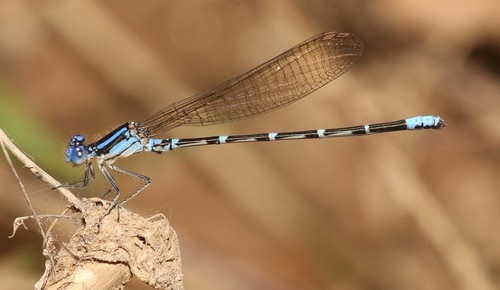
6. Familiar bluet
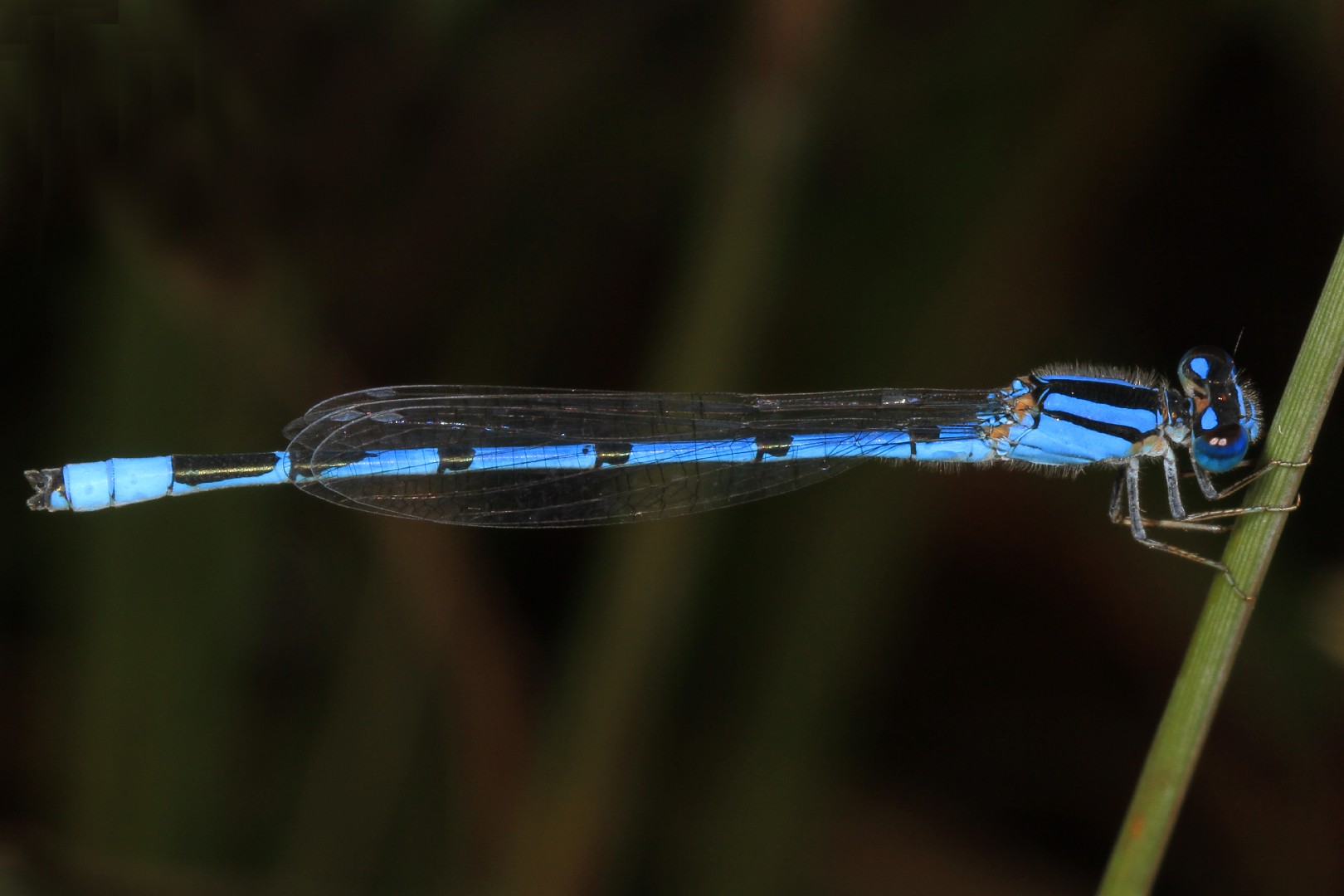
The scientific name of the species was first validly published in 1861 by Hagen.
7. Variegated meadowhawk
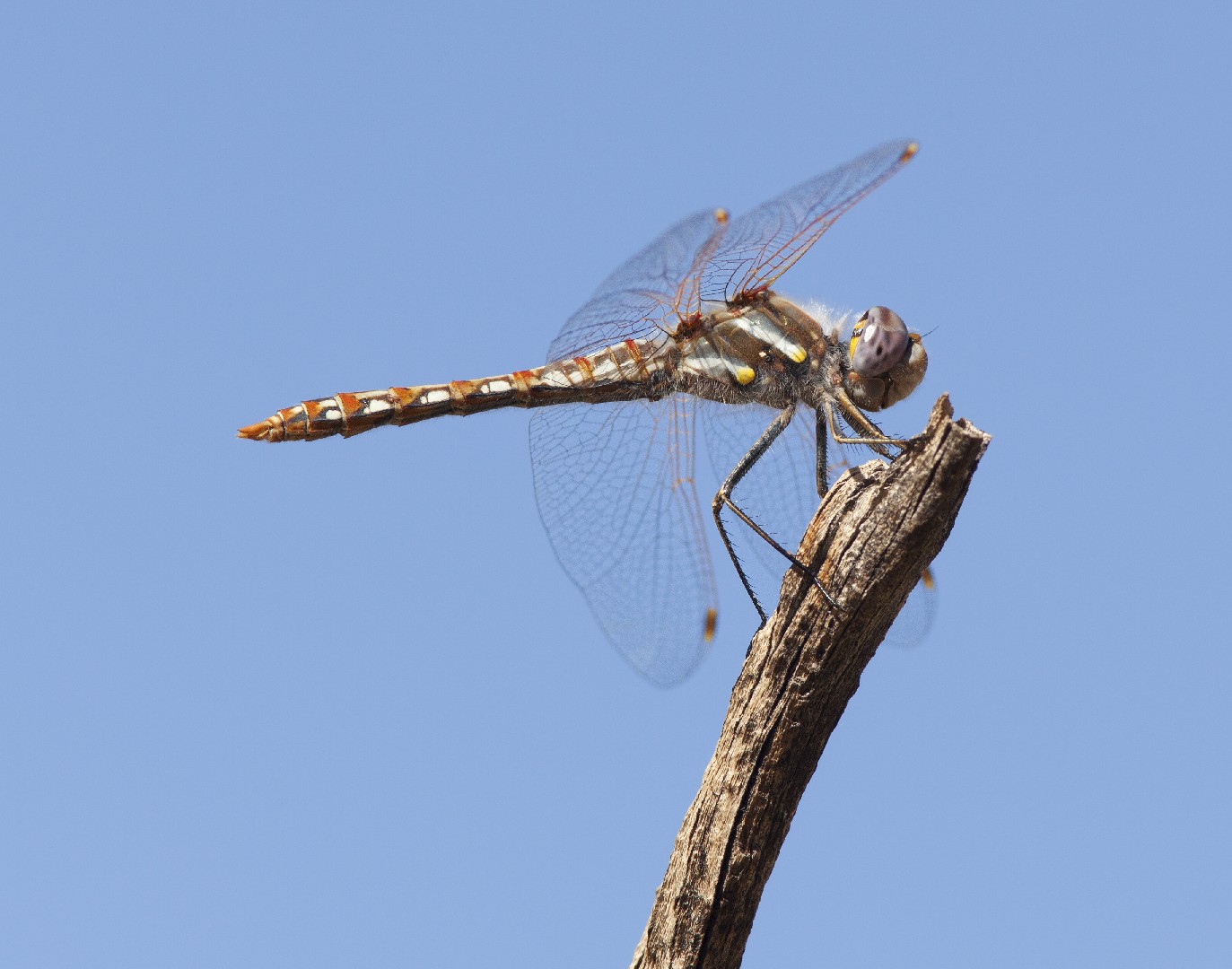
The variegated meadowhawk is a small to medium-sized dragonfly with a slender abdomen, often reaching a length of 4.5 - 23 cm. The male is commonly dark brownish black with an abdomen of bright red, pink, and golden brown. The thorax may be marked with a pair of yellow dots on each side. The leading edges of the wings are marked with pinkish. The females are similar in color but not as brightly colored, with gray and yellow replacing the red of the male. Young variegated meadowhawks are much paler and mottled with pale green, pale yellow, golden brown, and orange.
8. Eastern pondhawk
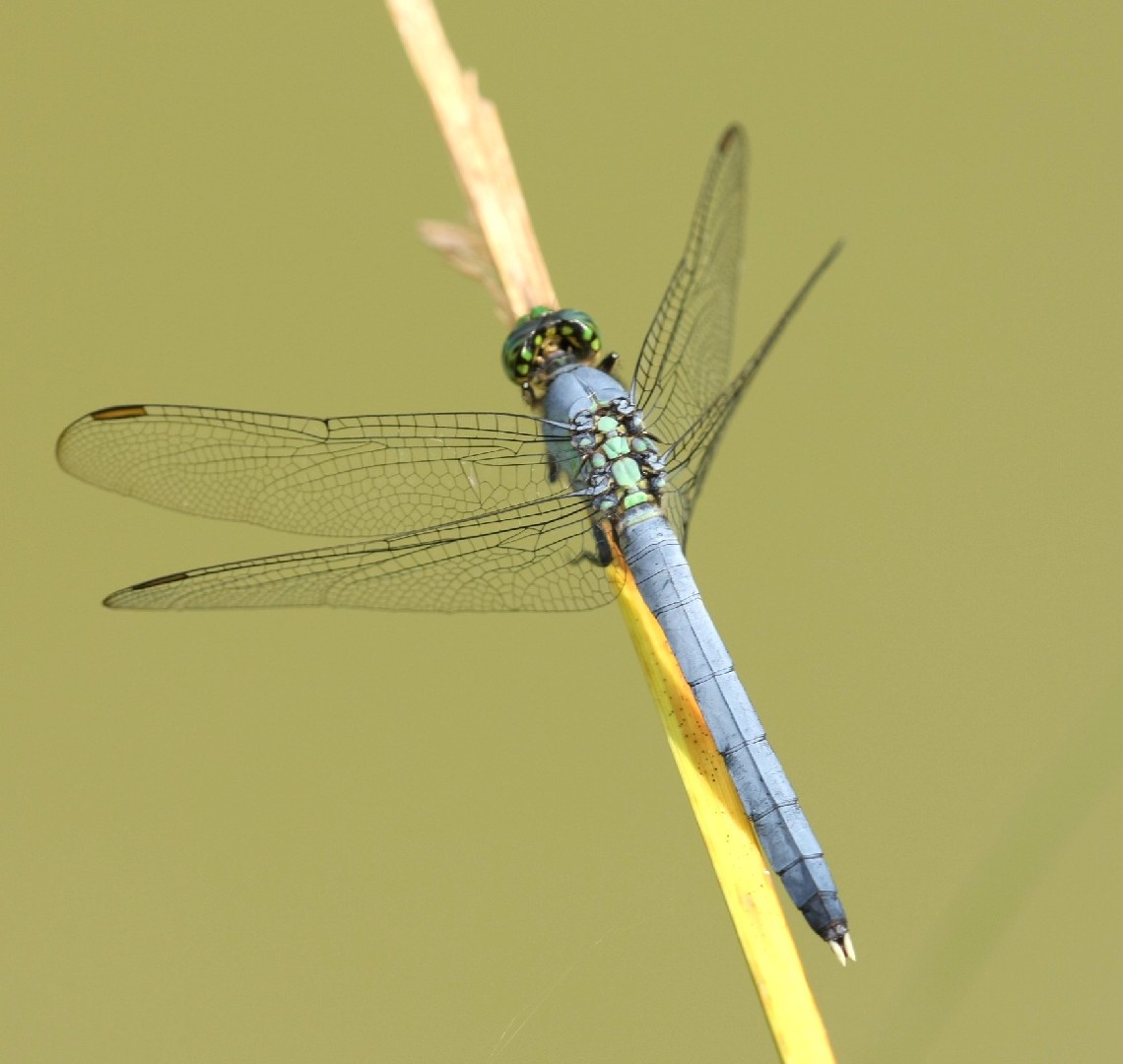
The eastern pondhawk (Erythemis simplicicollis) has much in common with American fishermen, they love living near the sides of ponds. They are a beautiful insect that is easy to distinguish when it comes to different genders. Females are bright green with bands around the abdomen and the males are bright blue with a green face.
9. Sachem
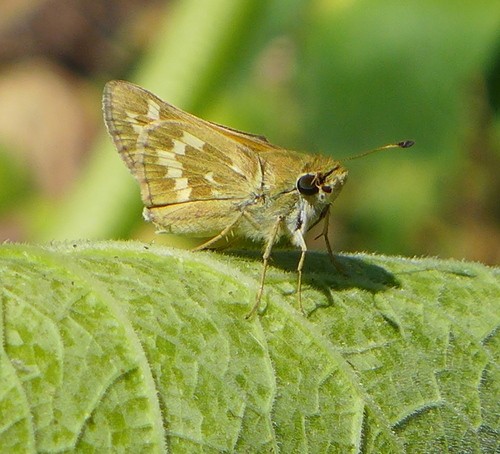
The sachem (Atalopedes campestris) feeds on the nectar of many flowers, including milkweeds, peppermint, and red clovers. It often spends its time near pastures, meadows, roadsides, parks, and yards. The males spend most of their time on the ground, waiting for females to come.

10. Variegated fritillary
The variegated fritillary (Euptoieta claudia) earns its name from the greek work Eutptoietos, which means "easily scared." This is because they are incredibly difficult to approach, darting away if anyone comes close. They are identified with a checkered orange and black on its wings. The variegated fritillary is unique among butterflies for its ability to have two or three broods per year, resulting in many potential children.
More







