




Top 20 Most Common Insects in Eagle Mountain
Insects, those tiny creatures with unique features like an exoskeleton and three-part bodies, are a crucial part of 'Eagle Mountain's diverse ecosystem. These residents play pivotal roles ranging from pest control to pollination. Lets delve into the intriguing world of '20' most common insects that have made 'Eagle Mountain' their home, and reveal the intricate relationships they share with their urban surroundings.

Most Common Insects
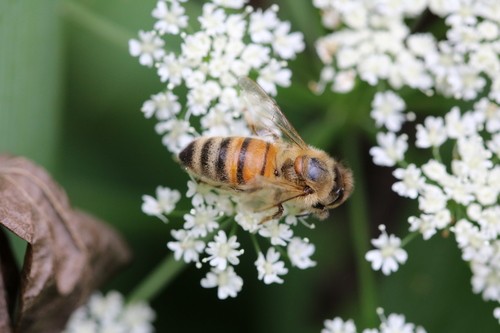
1. Western honey bee
Western honey bee(Apis mellifera) is the most common species of honeybee in the world. Among the first domesticated insects, its cultural and economic impact on humanity has been vast and far-reaching, providing honey, wax and its services as a pollinator. Western honey bee faces challenges worldwide, such as colony collapse disorder, and populations are thought to be decreasing.
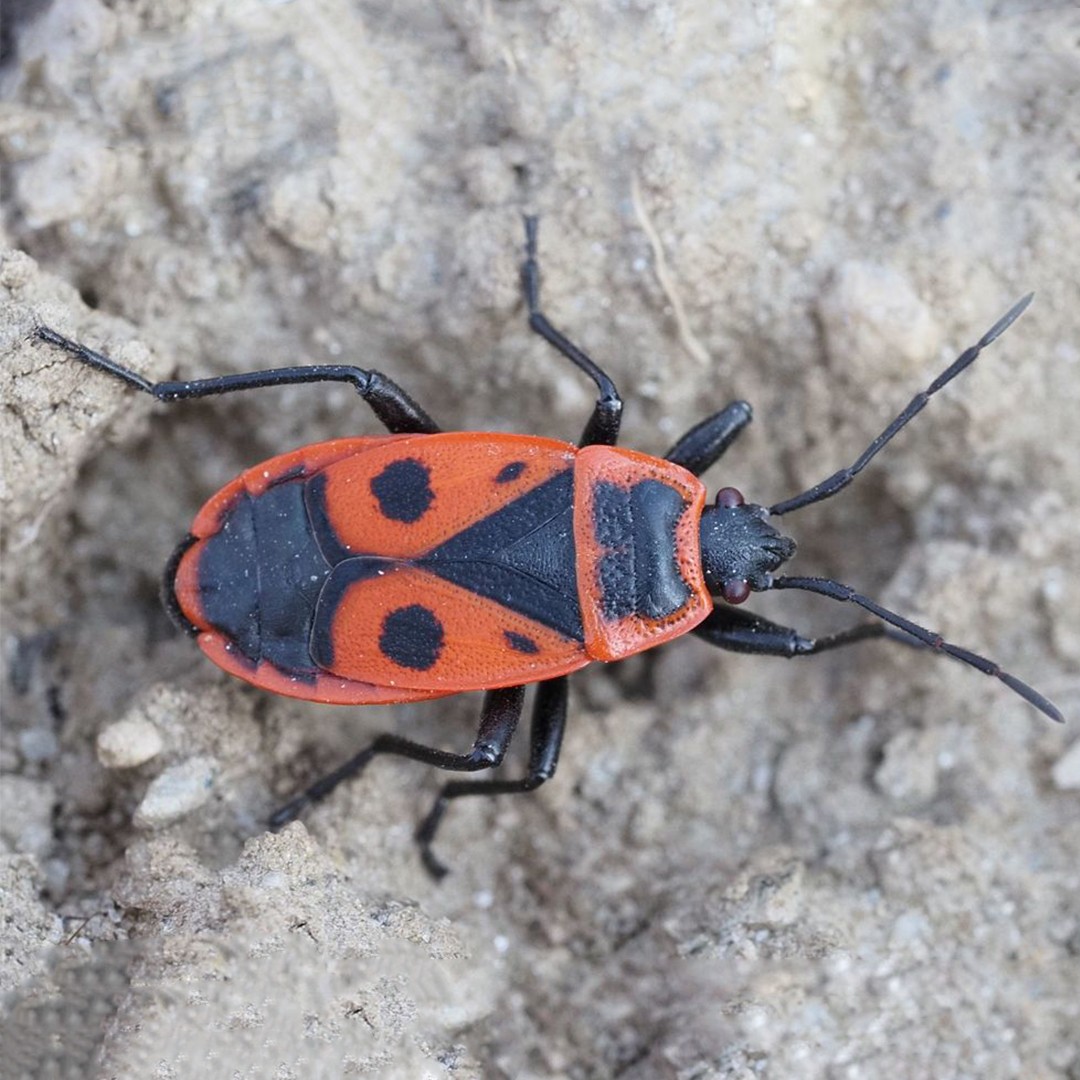
2. European firebug
Named for its striking pattern, european firebug is often described as the "firebug." It is known to congregate in large aggregations reaching as many as one hundred individuals at a time, particularly while still immature. Because they feed upon the seeds of lime trees, clusters of mating individuals can often be found at the bases of these trees in late spring.
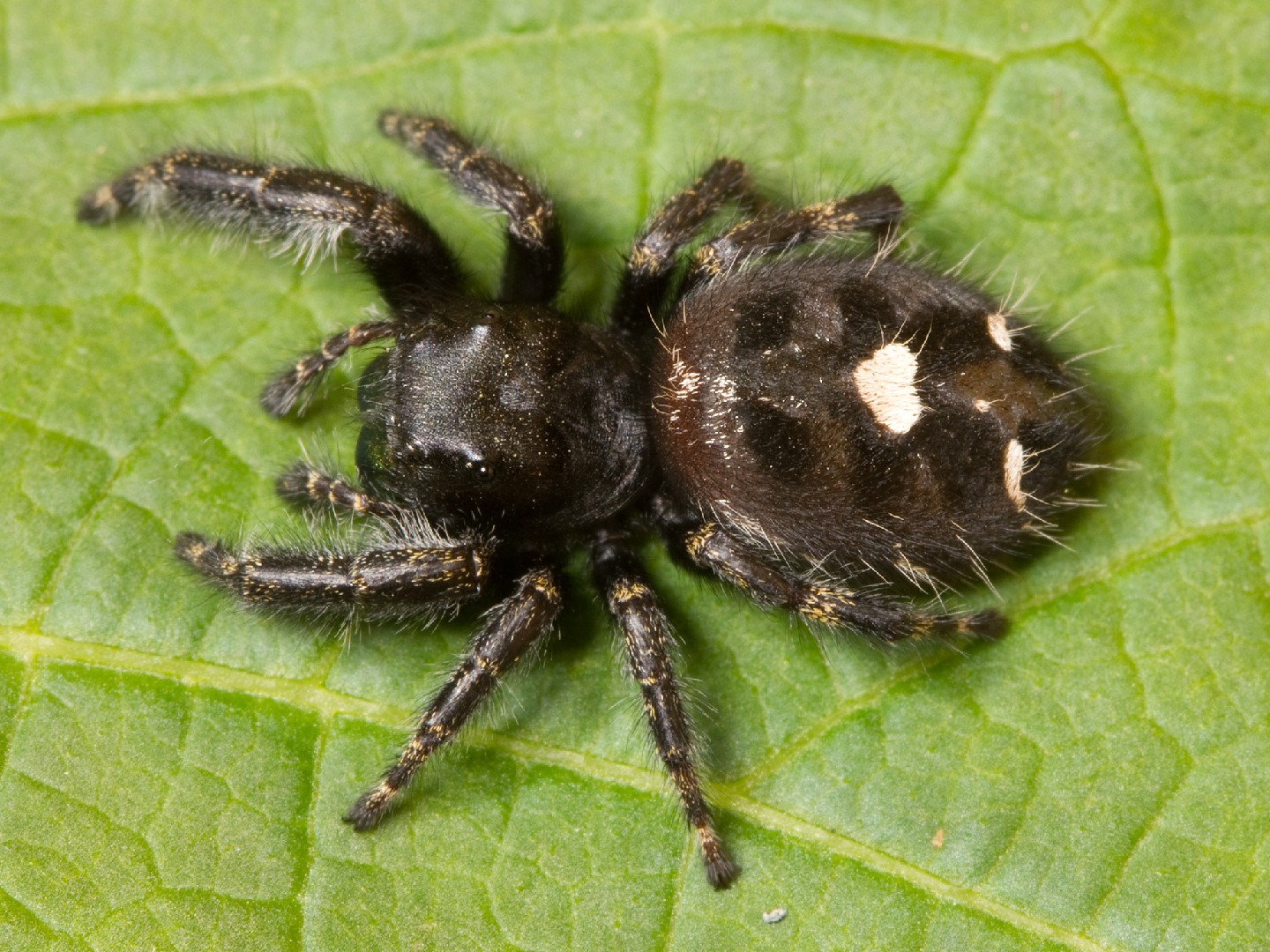
3. Bold jumping spider
The bold jumping spider (Phidippus audax) earned that name from its ability to be sneaky and jump on their prey. Their incredible eyesight allows them to spot prey from greater distances than other spiders. Another possible way it could have earned its name is due to its mating habits. If the female approaches too quickly the male can jump away.
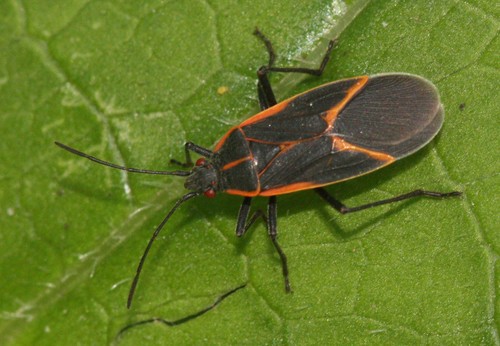
4. Eastern Boxelder Bug
The eastern Boxelder Bug (Boisea trivittata) pierces and feeds on maple seeds. They are not generally considered pests unless they invade homes or destroy fruit in the process. If they do invade homes, their excrement can stain the upholstery. They are also known as the boxelder bug.
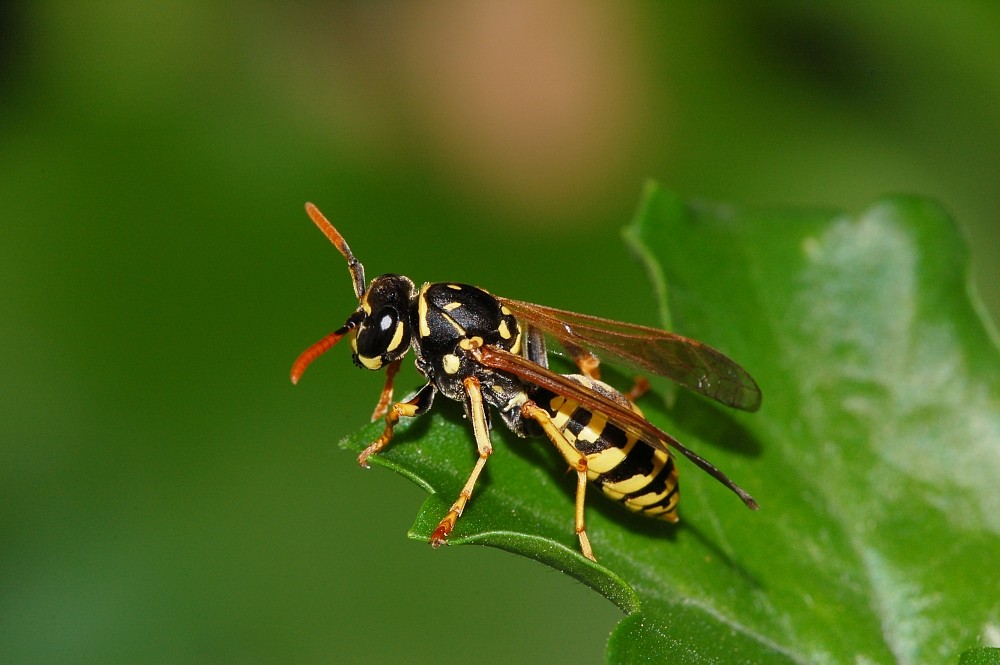
5. European paper wasp
A particularly hated invasive species in North America, european paper wasp (Polistes dominula) is well-known for its tendency to nest on human porches and sting if approached. Nests are controlled by a dominant female queen, who lays most of the eggs. Dominance among individuals can be predicted by the shape, size and number of spots they display, with more spots signaling greater dominance within the nest.
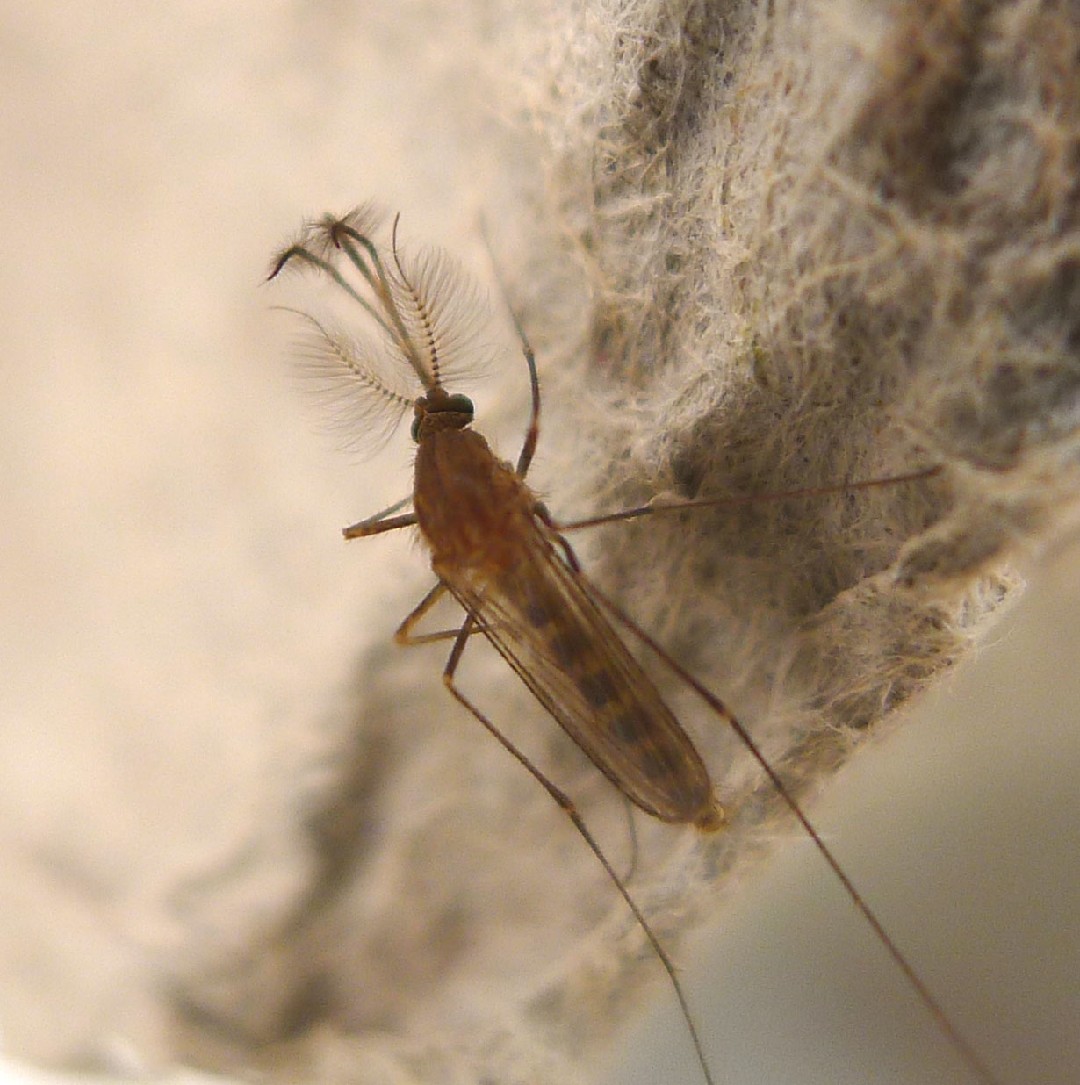
6. Common house mosquito
Among the most common mosquitos in the Unites States, common house mosquito (Culex pipiens) is a ubiquitous biting pest. It has adapted to thrive in human-touched conditions and even to feed on the blood of avian species closely connected to humans, such as pigeons and doves. However, only females consume blood; the males survive on sap and nectar.
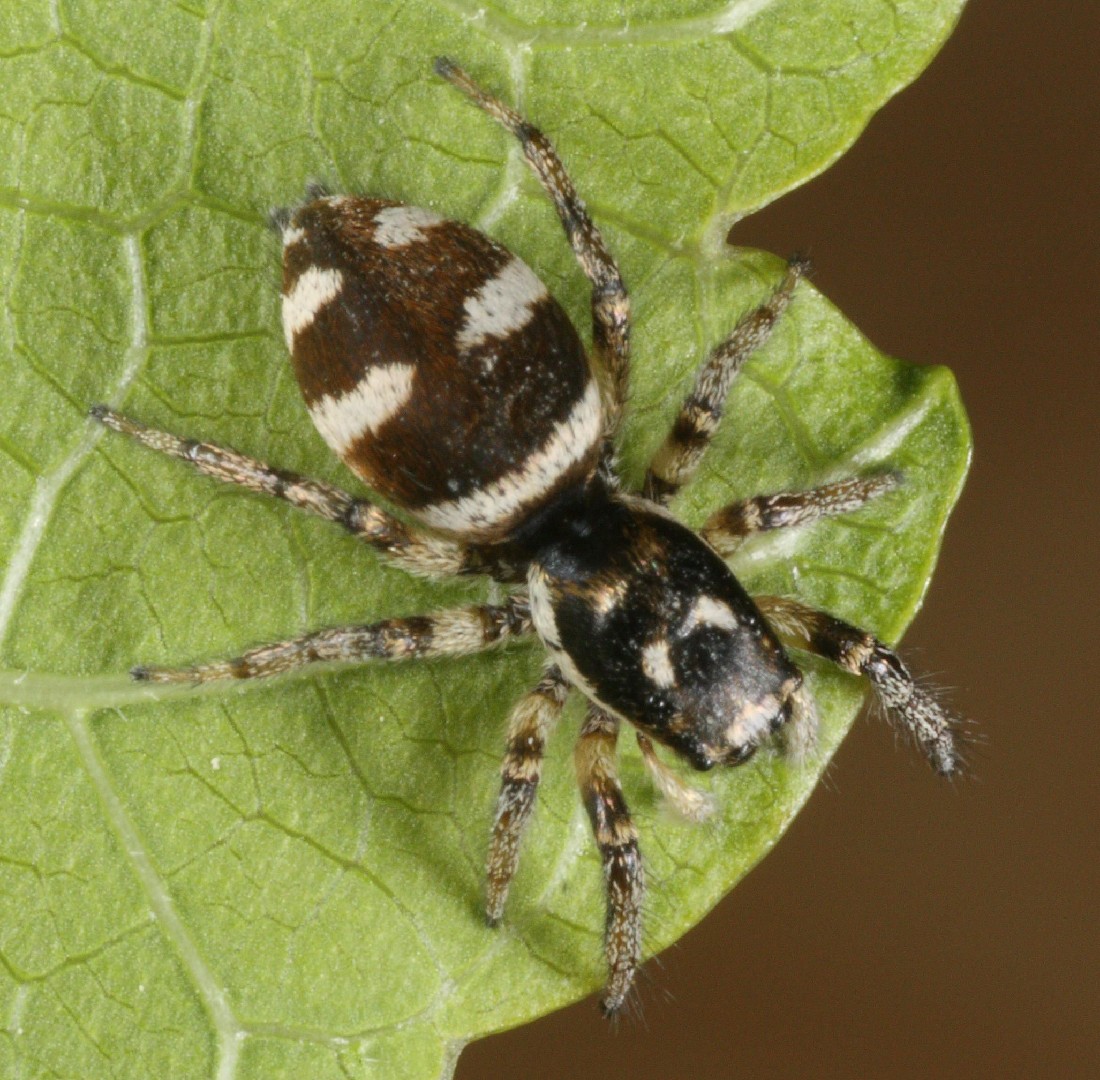
7. Zebra jumping spider
The zebra jumping spider gets its name from its distinctive black and white stripes. The genus name Salticus comes from the Latin word for "dancing", since it is an agile jumping spider, and the species name Scenicus comes from the Greek word "theatrical" due to its flashy appearance. Their speed and jumping skills make their hunting of other spiders and insects a bit cat-like.
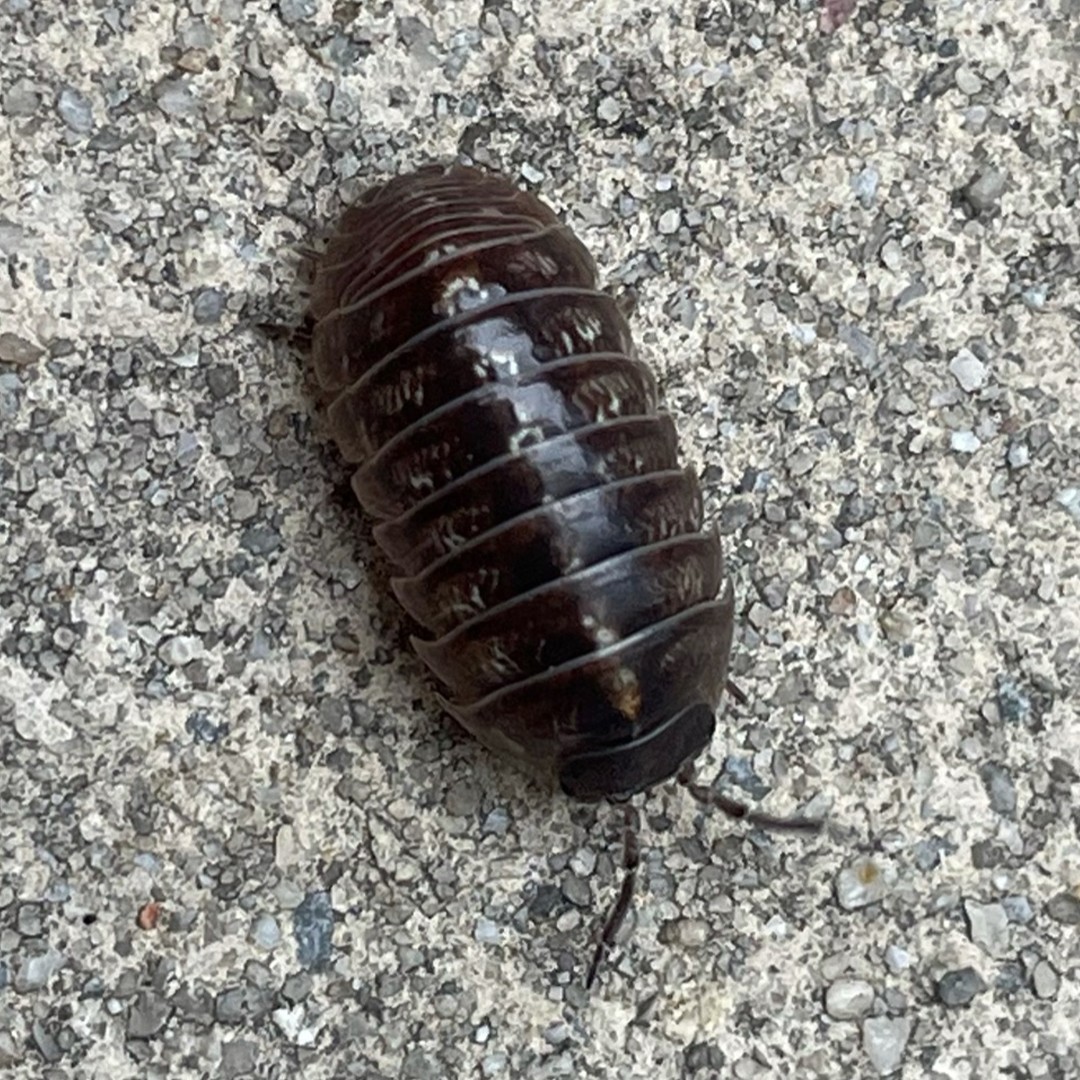
8. Common Pill-Bug
The common Pill-Bug is a nocturnal woodlouse species that's fairly popular among hobbyists and sometimes kept as a pet. When disturbed, this small bug rolls into a ball, resembling a pill or armadillo, hence both its Latin and common English names. Compared to other Armadillidium species, this one is able to withstand drought more than any other. 
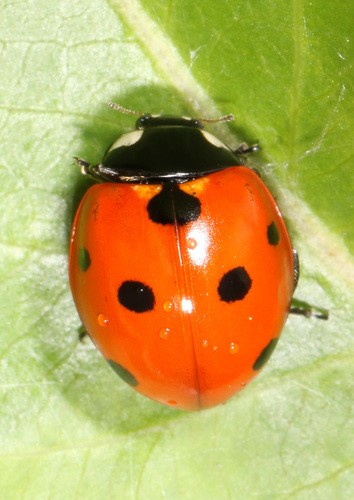
9. Seven-spotted ladybug
Seven-spotted ladybug (Coccinella septempunctata), known in North America as the "seven-spotted ladybug," is the most common species of ladybird in Europe and the official state insect of five U.S. states. While not native to North America, it has established itself there after being introduced to control aphid populations. Its bright coloring deters predators, and it may also play dead or secrete foul-smelling liquids to discourage consumption.

10. Multicolored asian ladybeetle
Often confused for the ladybug, multicolored asian ladybeetle (Harmonia axyridis) is a separate species that, unlike the ladybug, is a household pest. It is considered particularly annoying for its habit of returning to places from which it is removed. One of the most variable species in the world, there are many different colors and patterns multicolored asian ladybeetle may display, making identification potentially difficult.

More







