




Top 20 Most Common Insects in Williamsburg
Insects, the tiny yet profoundly impactful denizens of Williamsburg, boast a diverse range of features, from vibrant colors to unique habitat preferences. These critters play a crucial role in our ecosystem, acting as both beneficial pollinators and pesky invaders. Unveiling the top 20 most common insects unveils a fascinating insight into Williamsburg's environmental dynamics. Get ready to dive into an enthralling world that exists right under our noses!

Most Common Insects
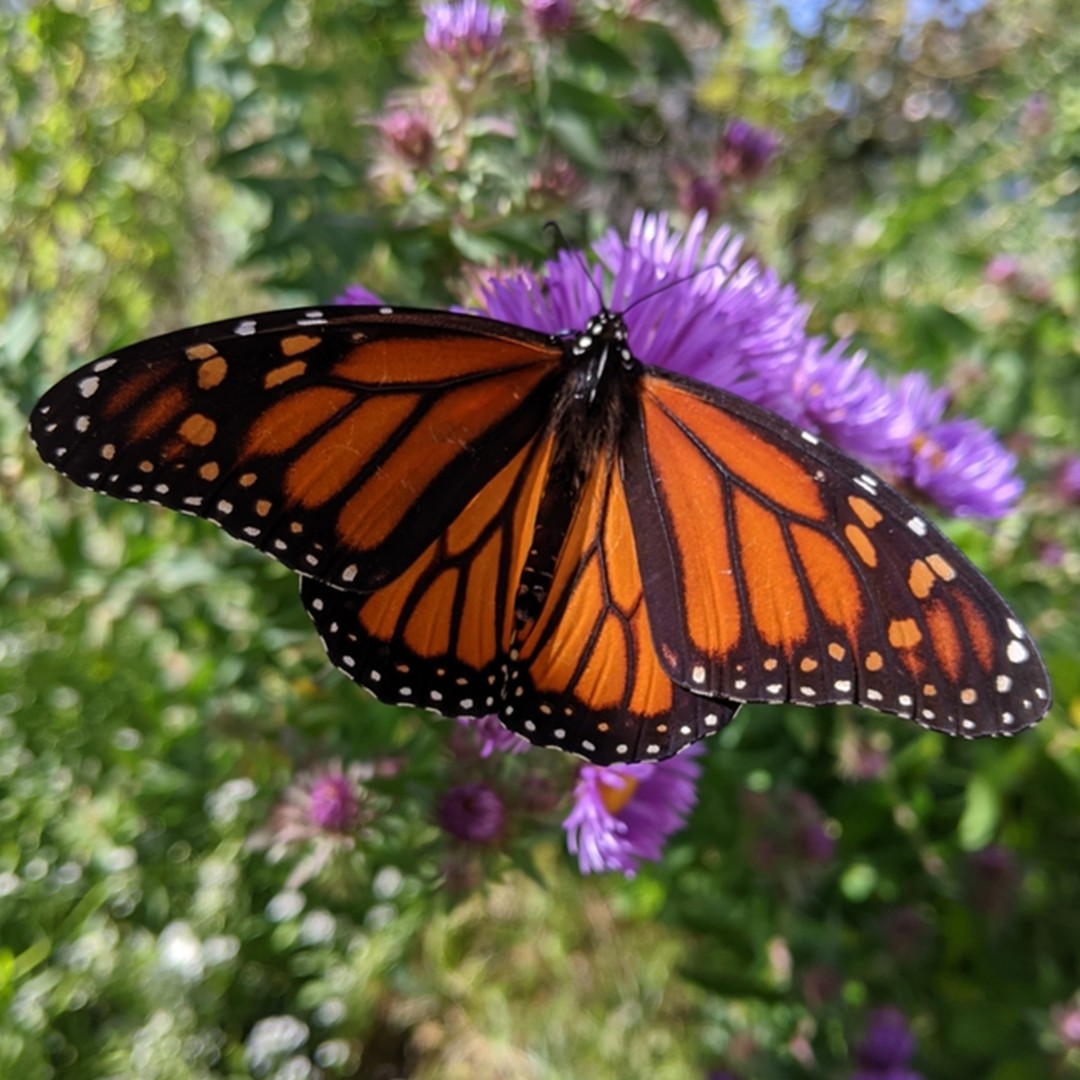
1. Monarch butterfly
The monarch butterfly (Danaus plexippus) is the most recognizable butterfly in North America. It is best known for its appearance, but should be better known for the fact that it has a 3000-mile migration that takes the butterfly 4 generations to complete. Their diet is also a natural deterrent for predators, as they eat milkweed, a poison that induces vomiting.
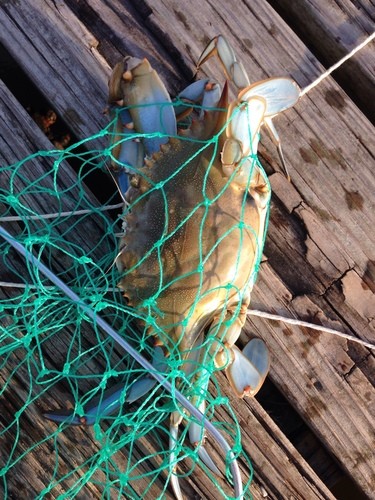
2. Blue crab
Thanks to its sapphire blue claws, blue crab is famous for its attractive appearance. Despite its lovely looks, the crab shows aggressive nature when it feels threatened. Blue crab has important commercial value and it's harvested for culinary use. Many people find its meat to be sweet and delicious.
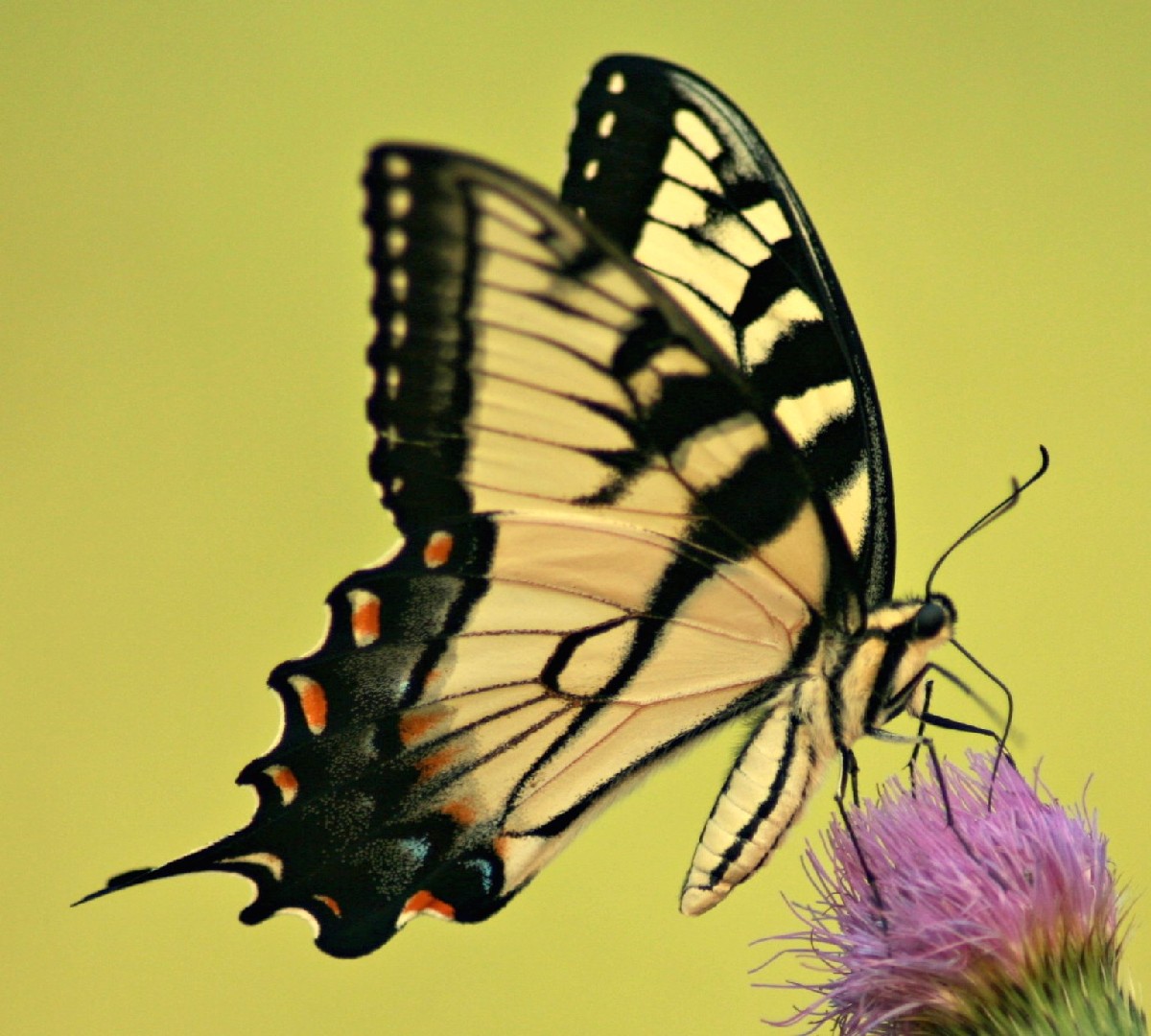
3. Eastern tiger swallowtail
Eastern tiger swallowtail (Papilio glaucus) is among the most recognizable butterflies in the eastern United States, where it inhabits a variety of habitats. This species is diurnal and usually solitary, preferring to fly high above the ground until the time comes to mate. Caterpillars display eyespots to deter birds in between some molting phases.
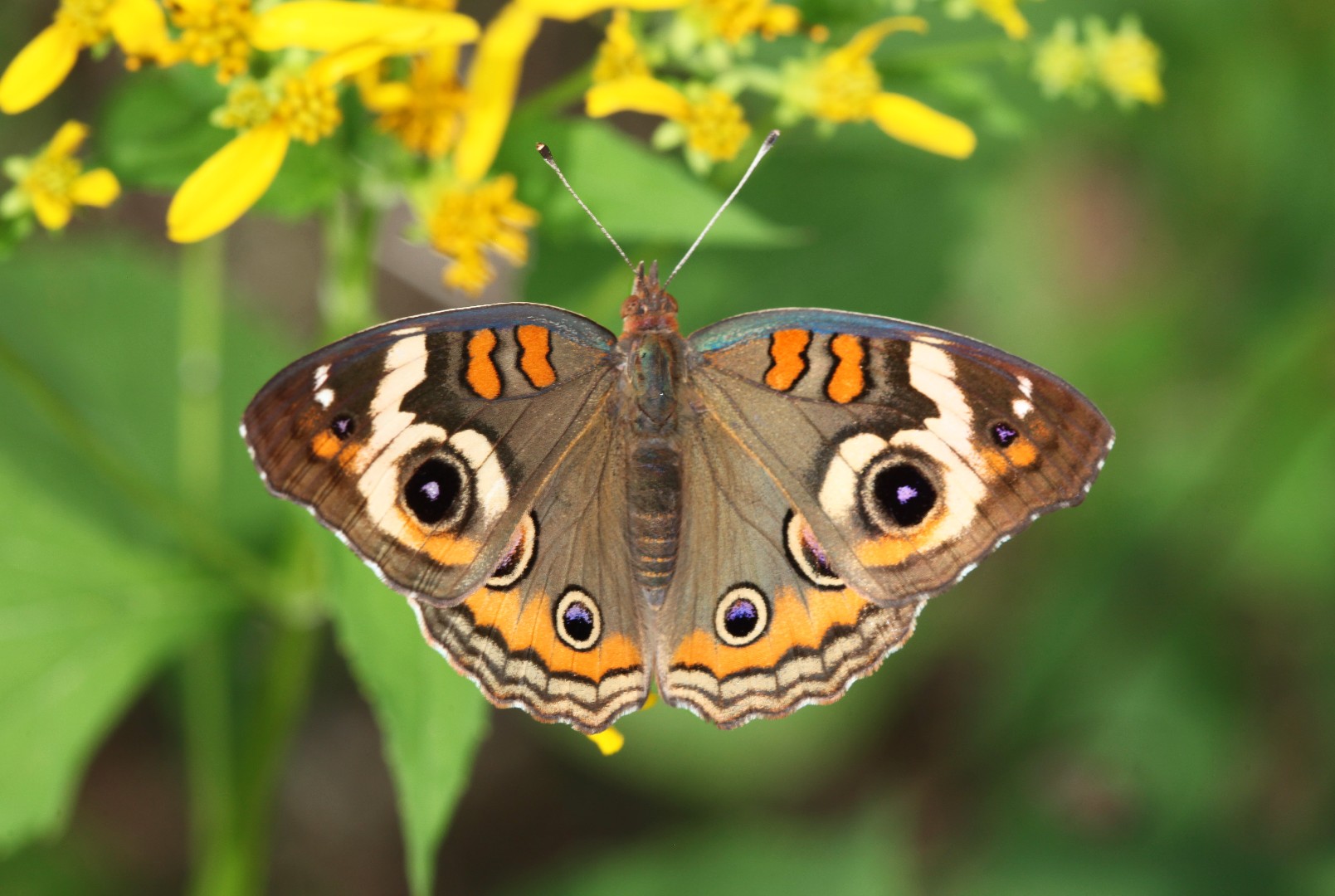
4. Common Buckeye
The common Buckeye (Junonia coenia) has distinguishable target-shaped spots on its dark wings, along with patches of orange and white. It produces multiple generations each year as it migrates to sunny landscapes. When it flies, it moves rapidly in an irregular pattern, often low to the ground.
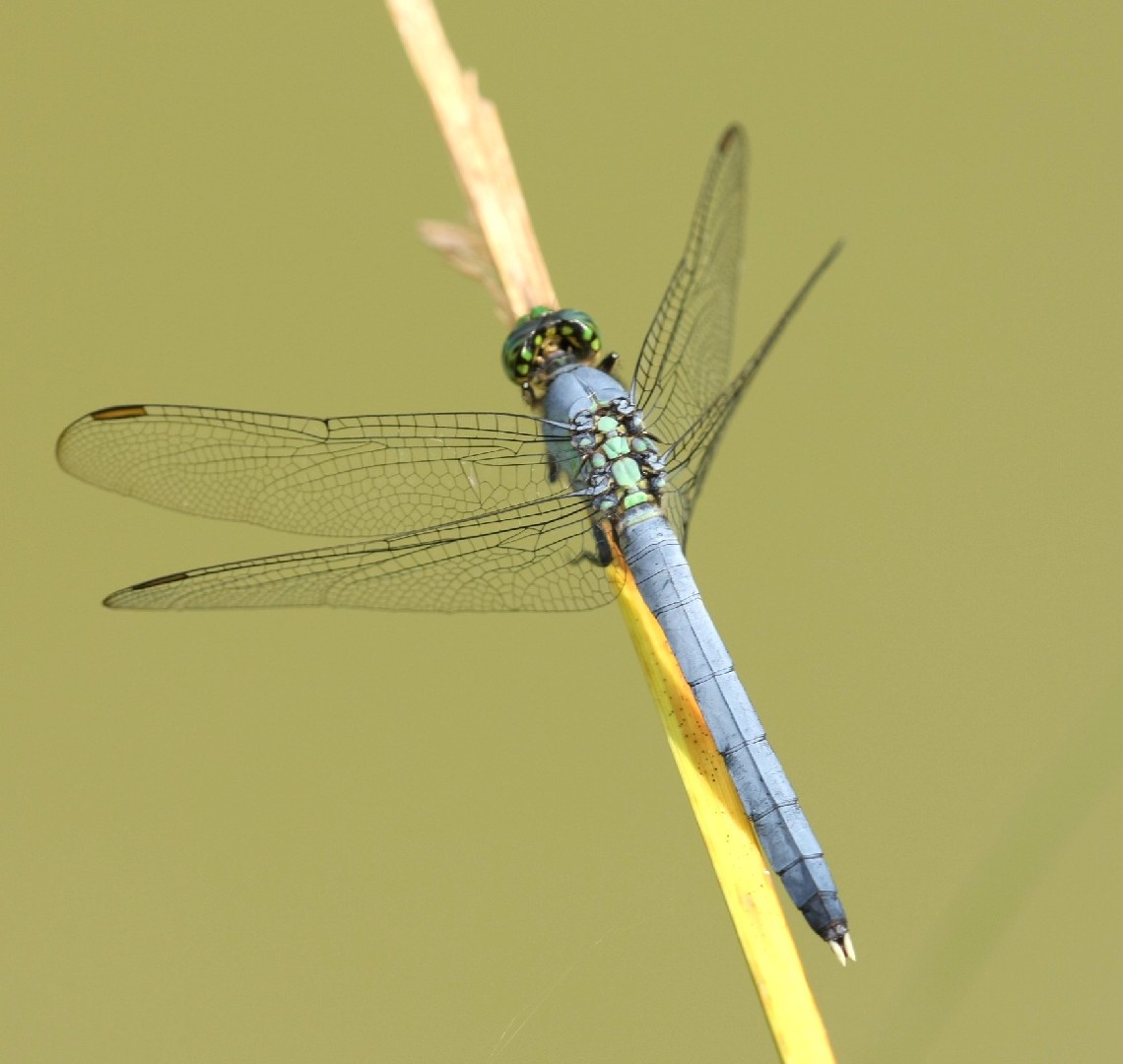
5. Eastern pondhawk
The eastern pondhawk (Erythemis simplicicollis) has much in common with American fishermen, they love living near the sides of ponds. They are a beautiful insect that is easy to distinguish when it comes to different genders. Females are bright green with bands around the abdomen and the males are bright blue with a green face.
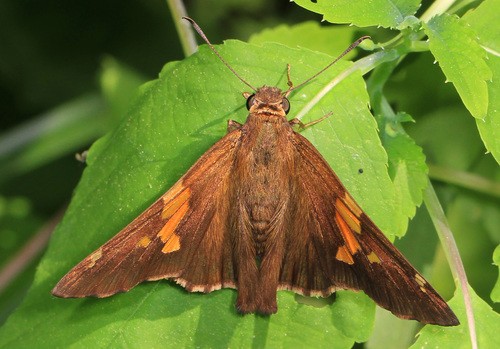
6. Silver-spotted skipper
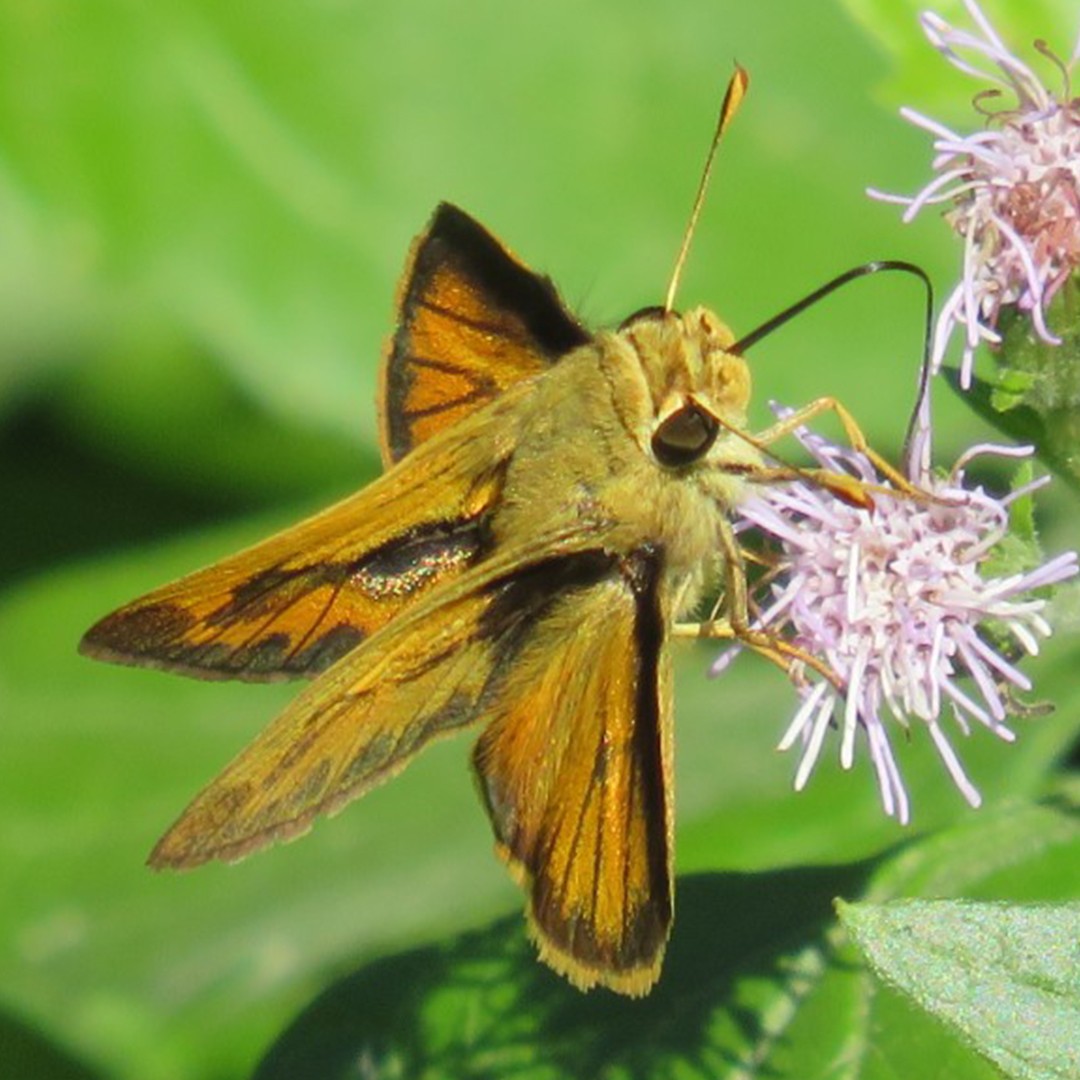
The silver-spotted skipper (Epargyreus clarus) constructs a series of nests throughout its development that depends on its growth stage. Its caterpillar form is considered a major homebody, as they rarely leave the spot they call home. When they are adults, males perch on high branches in order to claim and defend favorable territory. Unusually, silver-spotted skipper adults never visit yellow flowers.
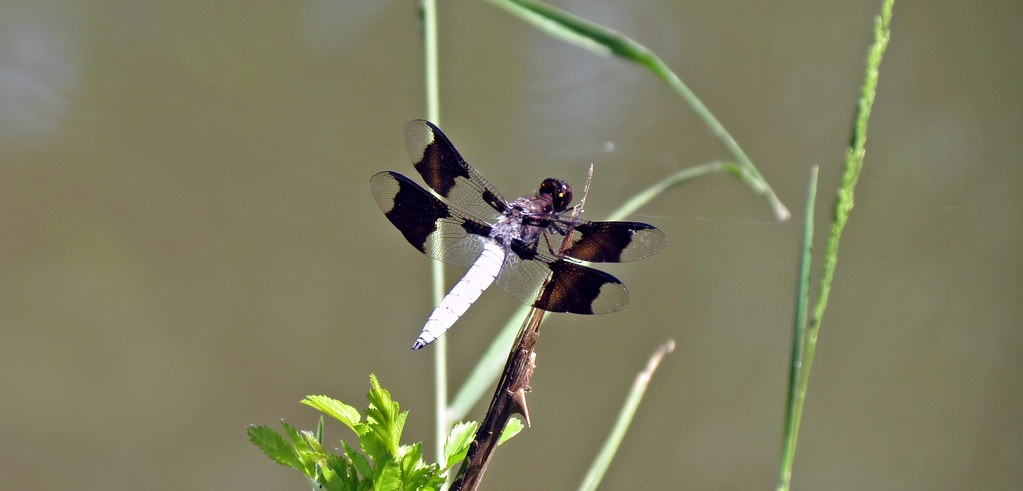
7. Common whitetail skimmer
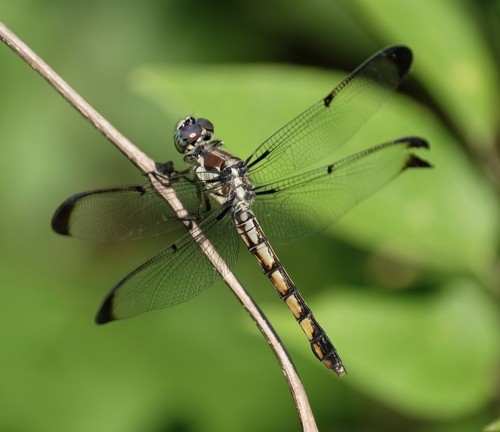
Common whitetail skimmer has black bands on its translucent wings which make it easy to identify. The common whitetail skimmer is found throughout North America and serves a vital ecological purpose. The dragonfly’s compound eyes provide it with a 360-degree field of vision, allowing it to spot prey like spiders and other nuisance insects.
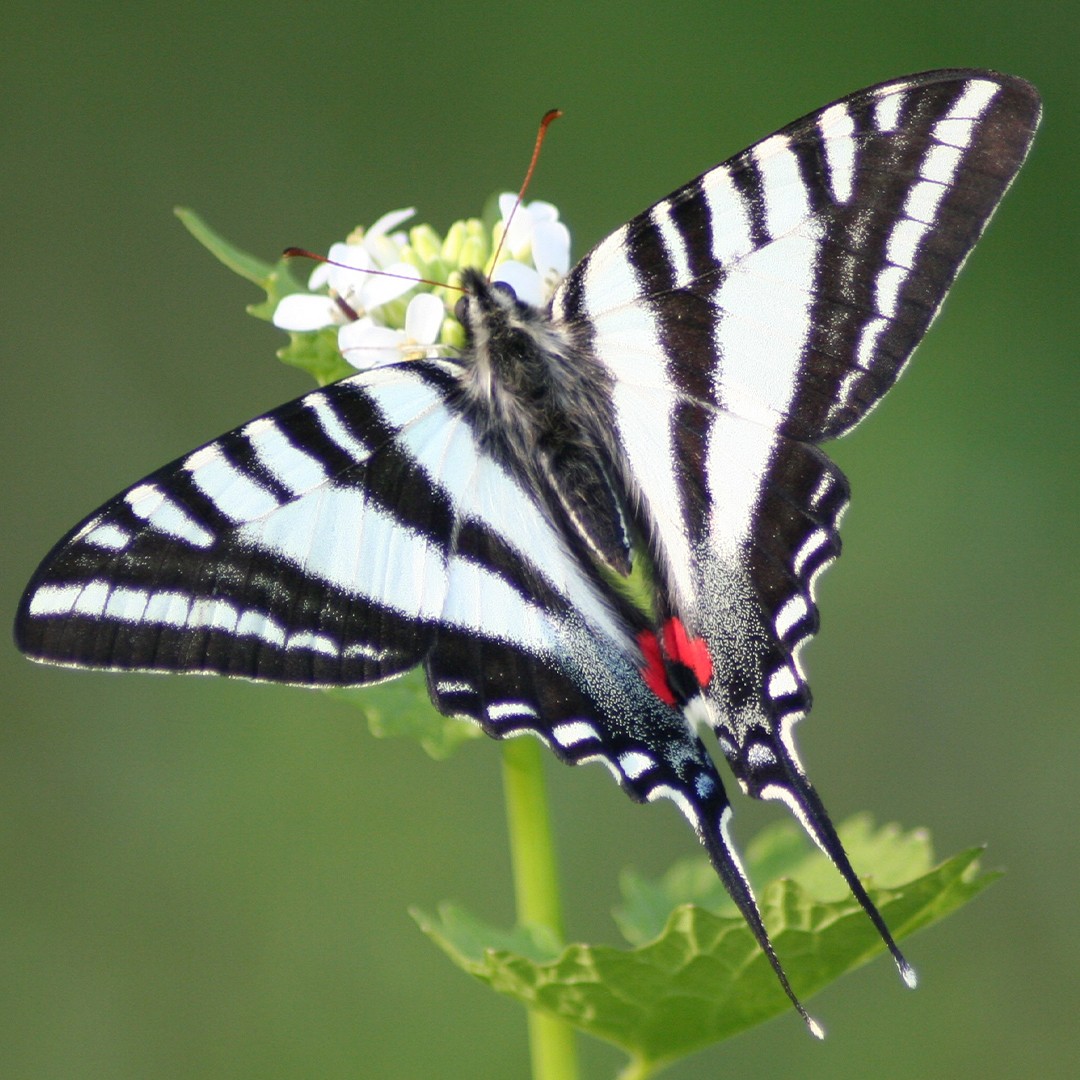
8. Zebra swallowtail
The zebra swallowtail is a butterfly named for its extended, swallow-like wing tail and its wings, which are striped black and white like a zebra. This butterfly is often associated with the paw paw tree since its caterpillars feed only on the tree's leaves. Eggs are laid individually, one per leaf, since the caterpillars are cannibalistic.
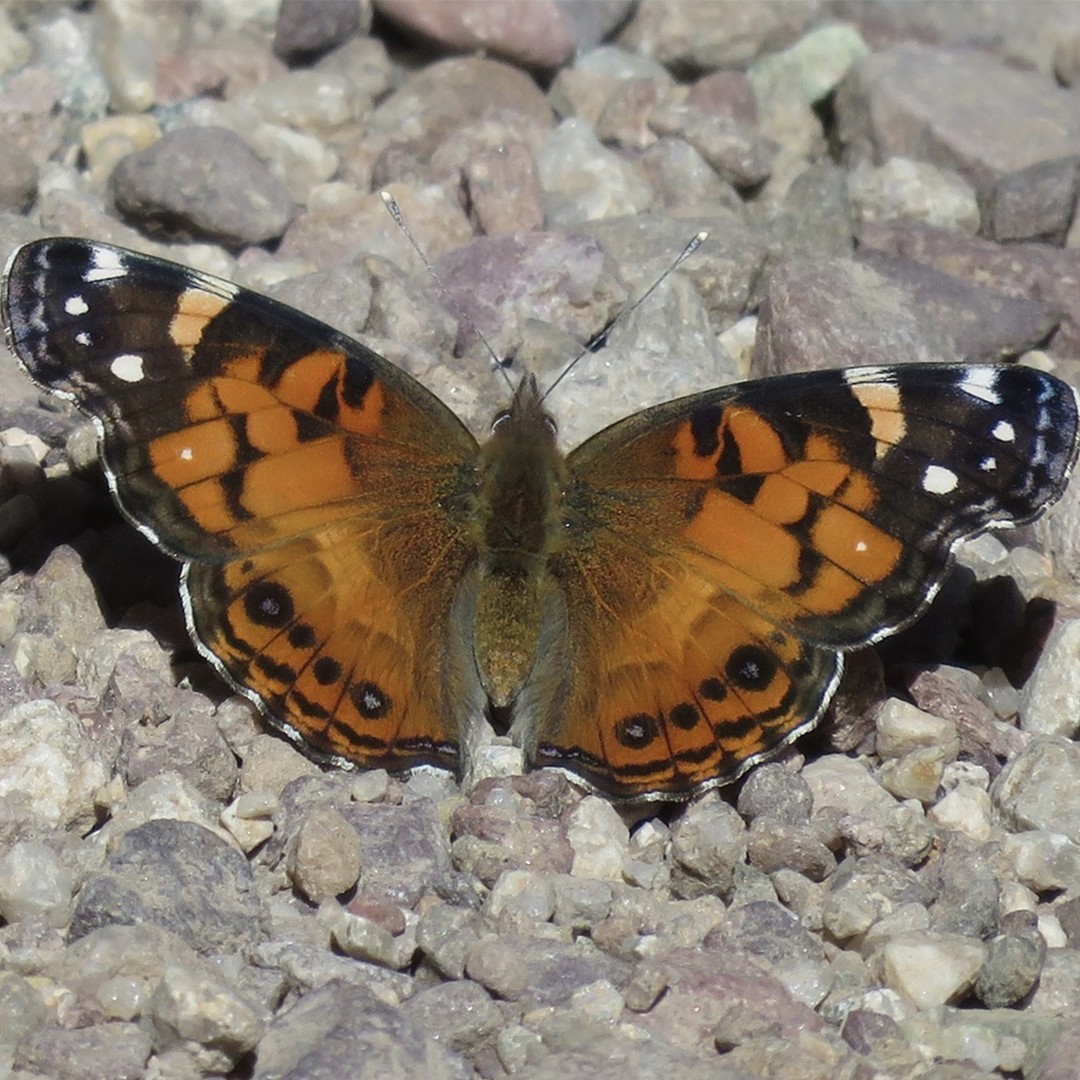
9. American Lady
The american Lady is a very unique-looking butterfly. From above, the pattern appears to be similar to a monarch butterfly (Danaus plexippus), but underneath the color is very different, almost like a moth's pattern. They even look different in different seasons — they have brighter colors early in the year and dull colors later. There are only a few populations of american Lady left in the world, which you can find along the coasts of North America.
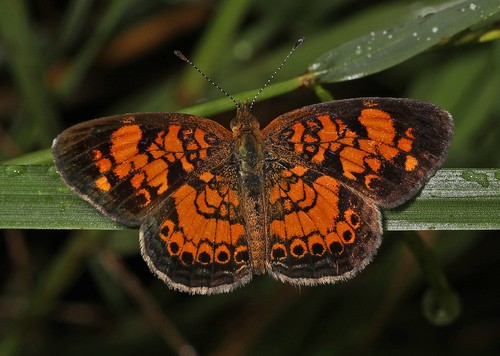
10. Pearl crescent
The pearl crescent (Phyciodes tharos) is an orange butterfly that lives in open areas that are generally moist and sunny. These butterflies are attracted to puddles, and the males will often fight with other male butterflies that land near the same puddle. However, females are not as aggressive and prefer to stay in groups.




More







