




Top 19 Most Common Insects in Canberra
Insects, with their distinct traits and diverse habitats, are pivotal to Canberra's ecosystems. The varying geographical landscapes within Canberra significantly influence this insect diversity and richness. These remarkable creatures not only play vital roles in pollination and waste decomposition but also in creating a balance as beneficial allies or pests within their respective habitats. Through our 'Top 19 most common insects', we'll delve deeper into the fascinating world of Canberra's entomological spectrum.

Most Common Insects

1. Meadow argus
Meadow argus has two brownish wings, each covered with two distinctive black and blue eyespots as well as white and orange marks that appear on the edge of the wings. The underside of the wings are mainly unmarked, except the lower part of the forewing has similar markings as the upperside.The wingspan measures 4 cm in males and 4.5 cm in females. 
2. Common brown
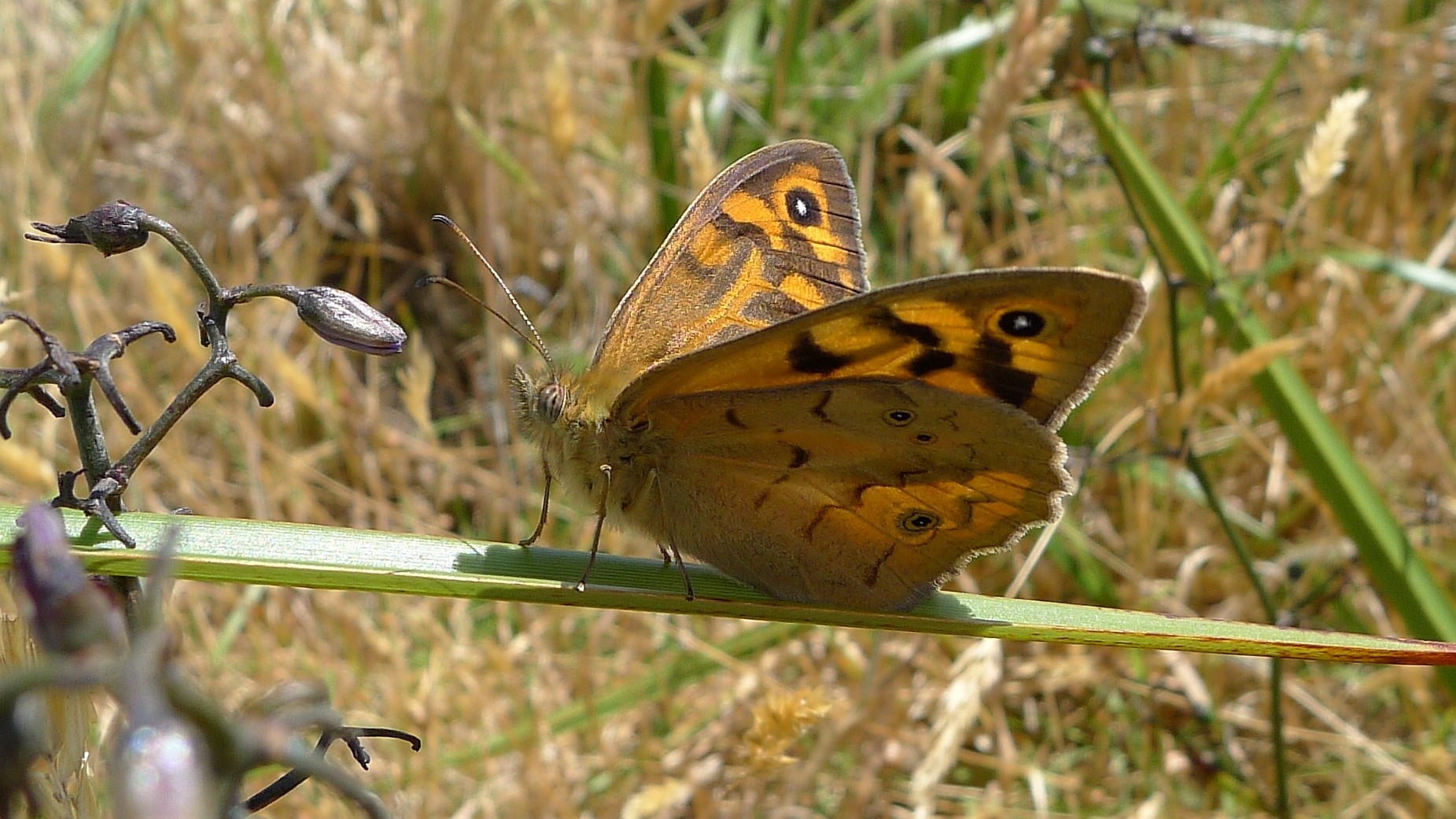
The wingspan is about 6 cm for males and 7 cm for females.
3. Western honey bee
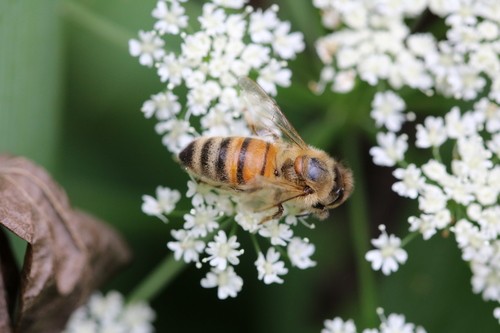
Western honey bee(Apis mellifera) is the most common species of honeybee in the world. Among the first domesticated insects, its cultural and economic impact on humanity has been vast and far-reaching, providing honey, wax and its services as a pollinator. Western honey bee faces challenges worldwide, such as colony collapse disorder, and populations are thought to be decreasing.
4. Blue skimmer
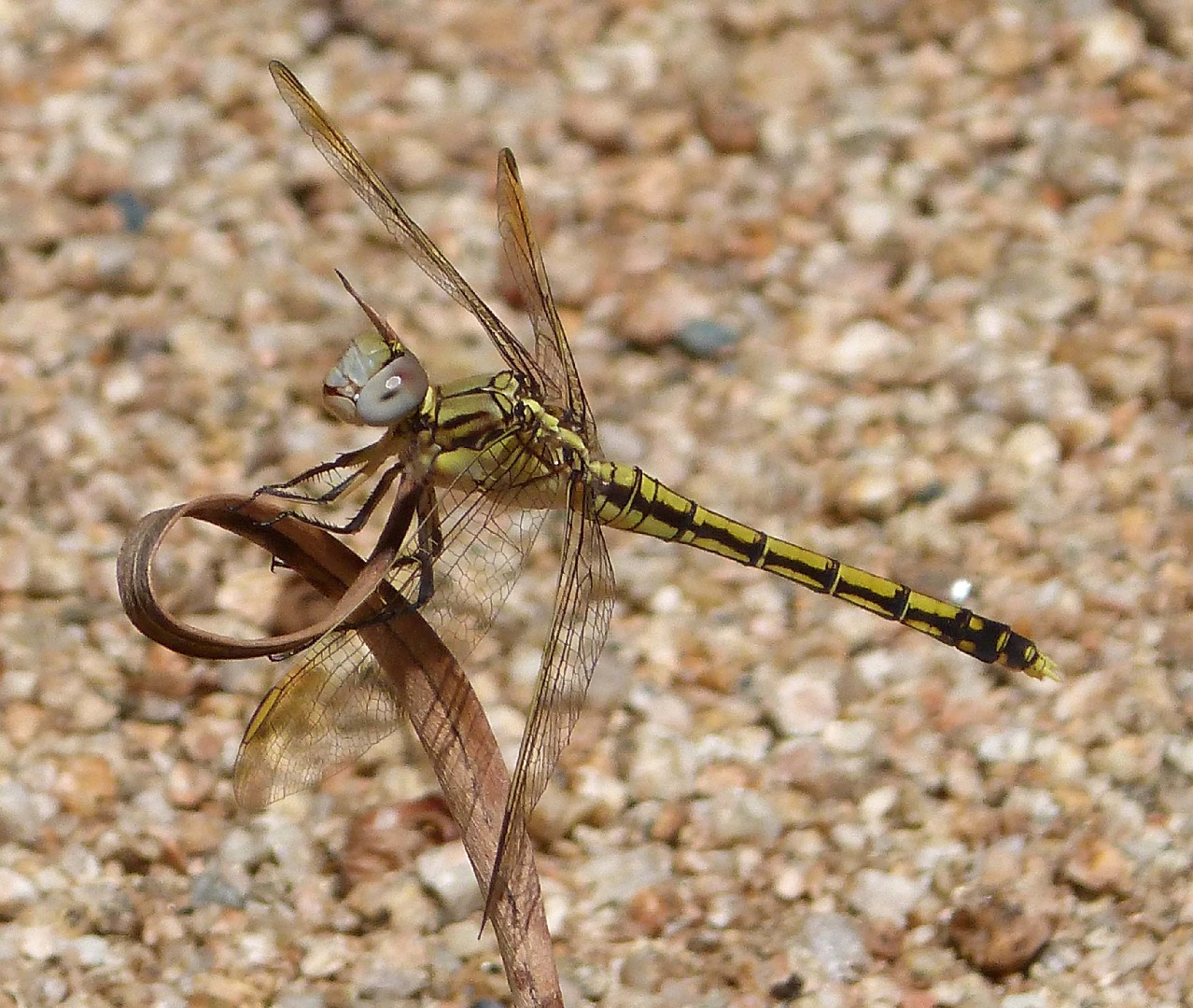
Males have a powder blue thorax and abdomen pruinescent blue when mature. The females are brownish grey in colour while the teneral are yellow with black markings. They are medium in size, with a body length of 5 cm and a wingspan of 8 cm.
5. Tau emerald
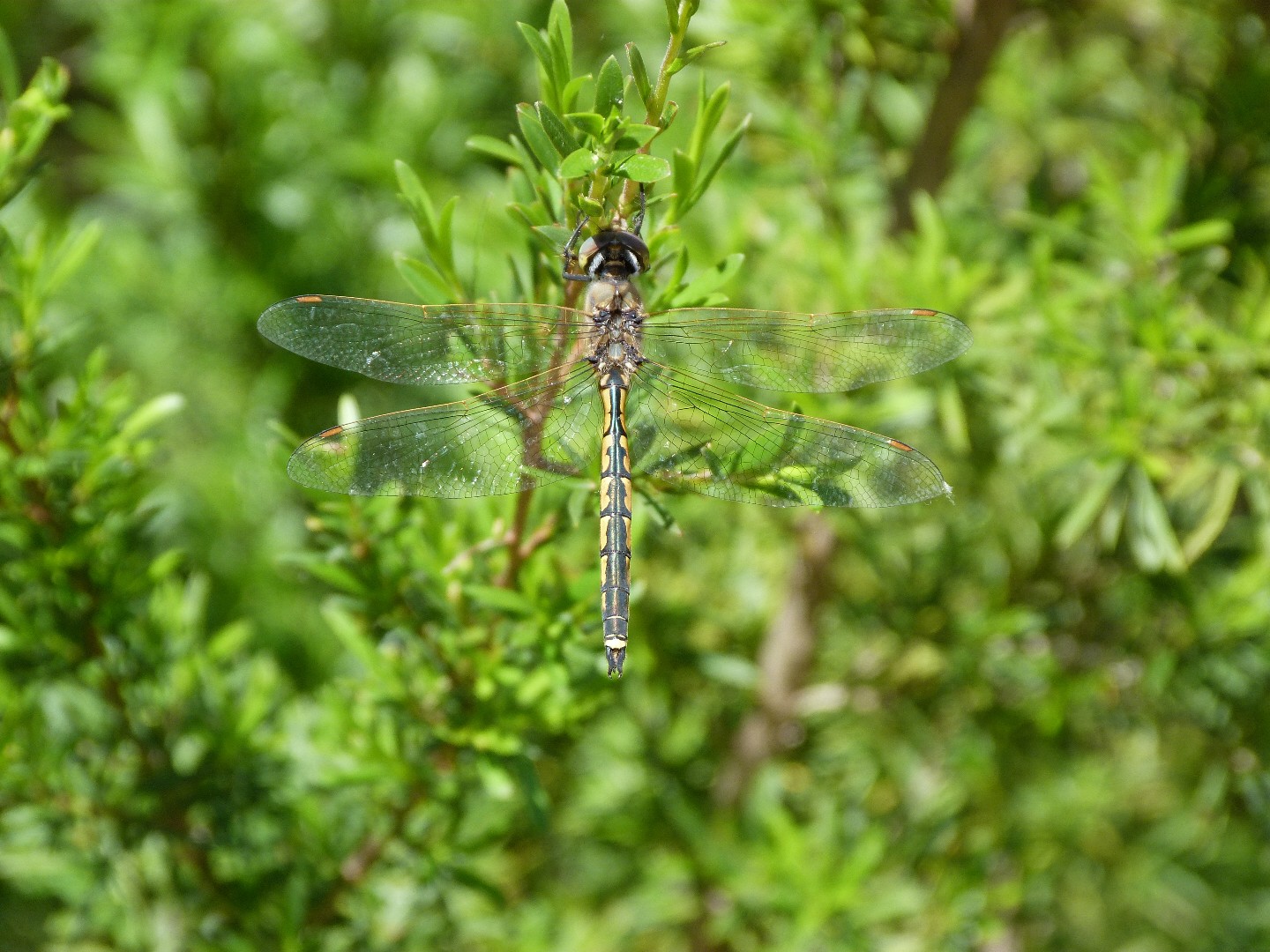
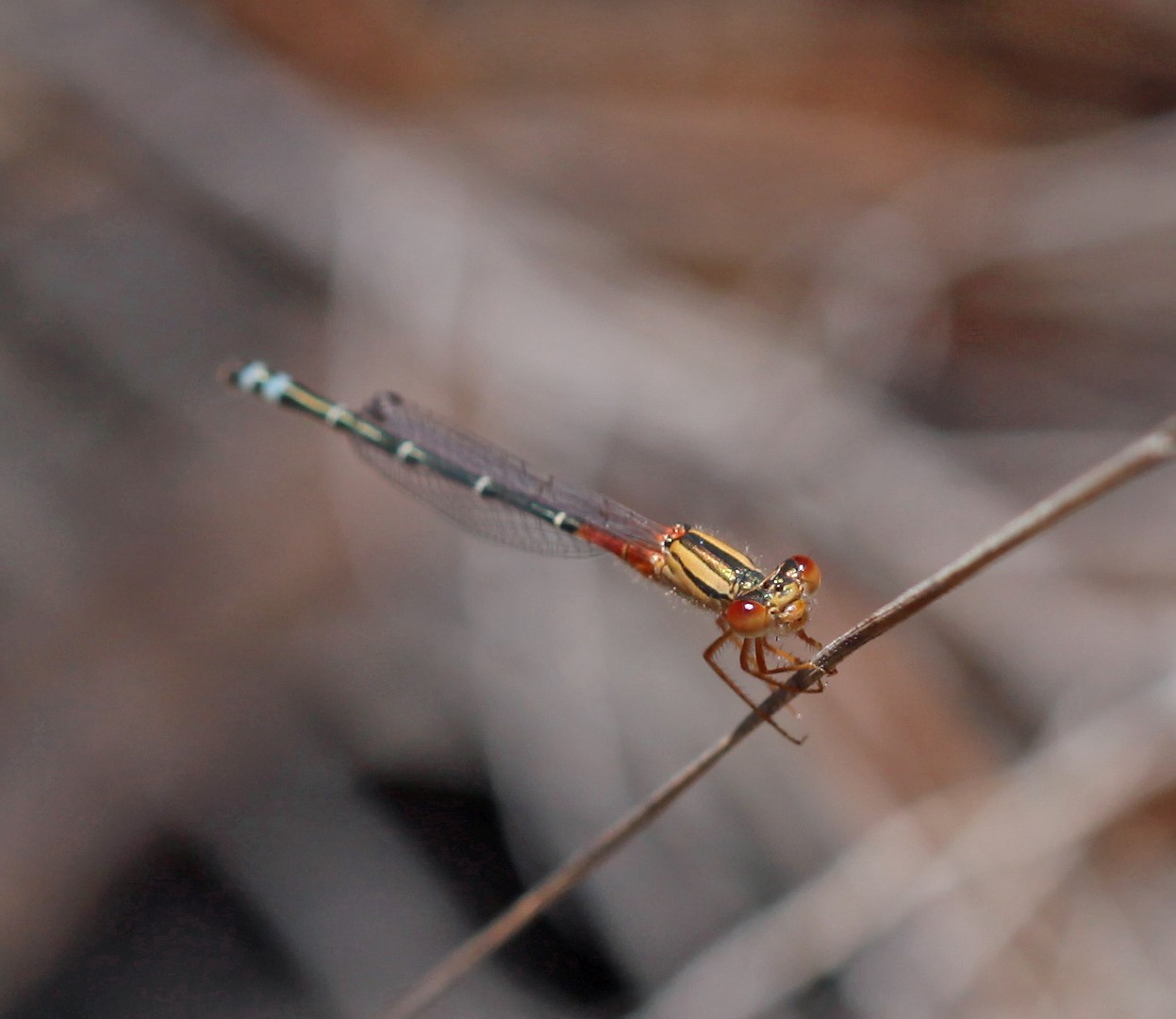
The tau emerald is a medium-sized, black and yellow dragonfly with long legs, reaching a body length of about 5 cm. In both males and females the inboard edge of the hindwing is rounded.
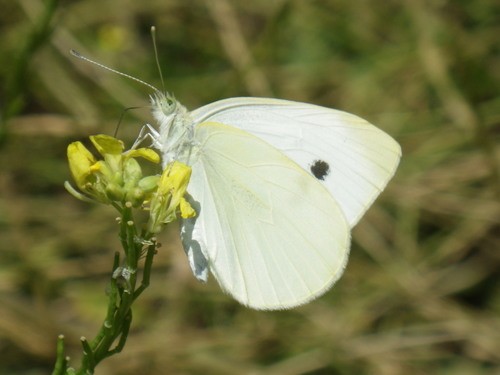
6. Cabbage white
Cabbage white (Pieris rapae) derives its common name from its habits as a caterpillar, which is a ferocious pest for cabbage, kale and broccoli farmers. In North America, it is one of the first butterflies to emerge in spring, heralding the beginning of the season.
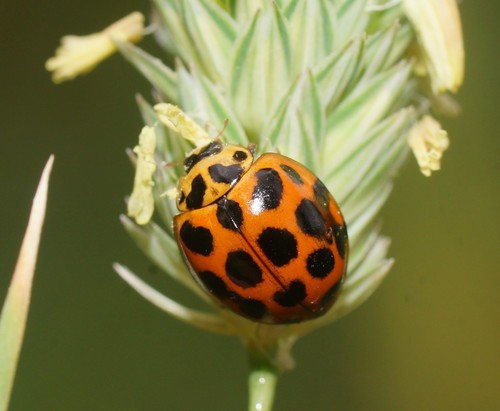
7. Large spotted ladybird
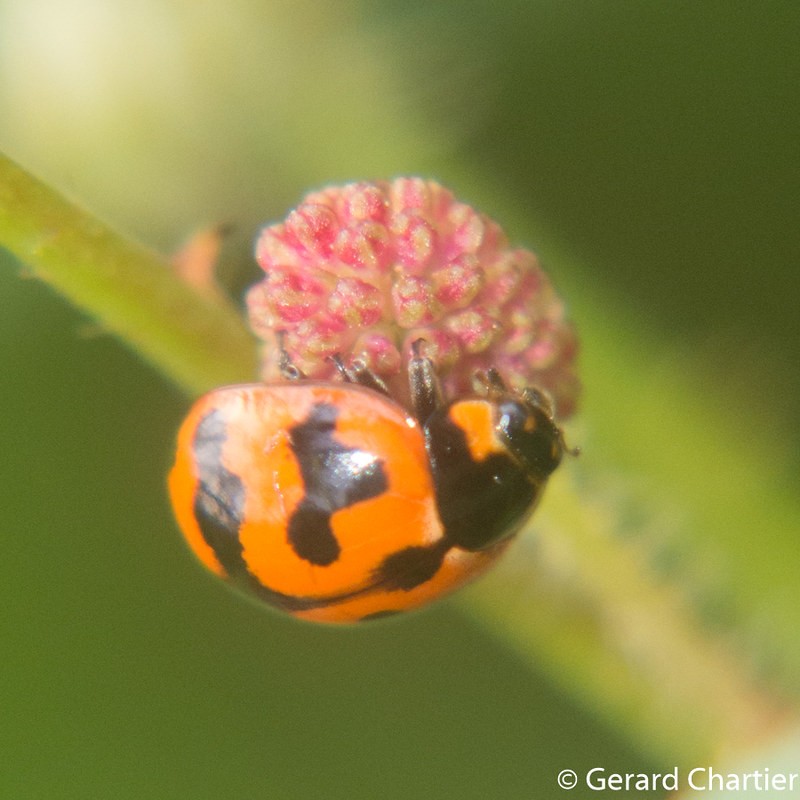
The large spotted ladybird (Harmonia conformis) is an insect that is named for exactly what it is known for. First of all, they have large spots that cover their wing coverings with a couple on the underside. It is also a large ladybug when compared to others. Much like other ladybugs, it is a controlling factor for aphids, making them a good bug to keep around.
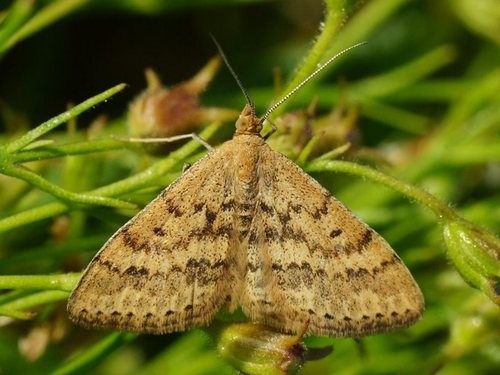
8. Plantain moth
The wingspan is about 2 cm.
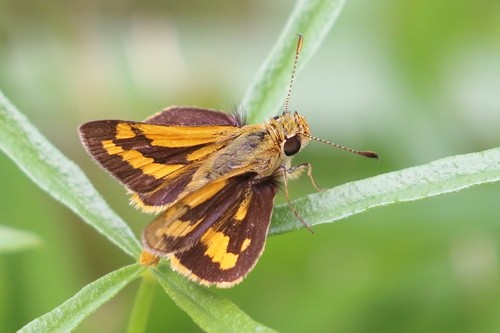
9. Green grass-dart
Ocybadistes walkeri is a butterfly from the family of the Ocybadistes walkeri (Hesperiidae). The scientific name of the species was first validly published in 1894 by Heron.
10. Meat ant
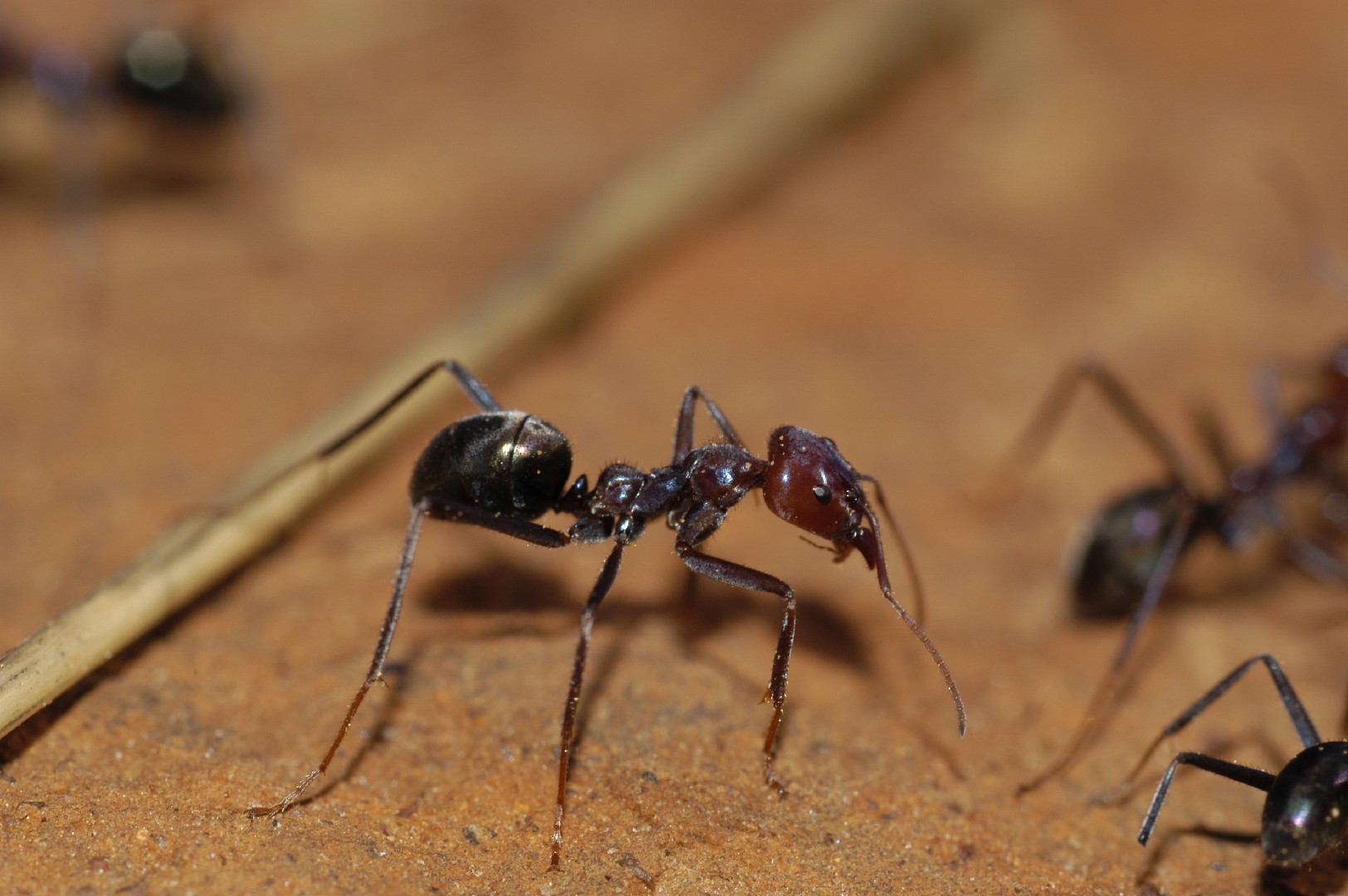
In general, meat ants are medium to large in size, measuring 6–12 mm (0.24–0.47 in), and can be easily recognised by their dark-bluish body and red head. Generally, their heads and pronotums share similar colours and are lighter than the mesothorax (the middle of the three segments in the thorax) and the propodeum (the first abdominal segment), which are reddish brown. However, the head may sometimes be lighter, and the pronotum and mesothorax may share similar colours. The mesosomal setae (as in haur found on the mesosoma) are dark and sometimes translucent. The iridescence between the compound eyes and the lateral portion of the head ranges from slightly purple to strong and dark purple. The colour of the legs and coxae (the basal segment of the insect leg, which attaches to the body) are darker than the mesothorax, and the petiole (narrow waist) is reddish brown and also darker than the mesothorax. The lateral portion of the second gastral tergite (a dorsal segment other than the head) is shiny, and the iridescence varies among workers, from green or blue to plain green and purple. The soft hairs on the head are frequent around the occipital margin, and around the mandibular insertion, three to eight pale setae are usually seen. The soft hairs are also common around the first gastral tergite. Examined specimens show no known ocelli. Erect setae on the pronotum are abundant. The anterodorsal (meaning in front and toward the back) portion of the propodeum is arched and flat. There are no allometric differences among workers. On average, workers measure around 6–7 mm (0.24–0.28 in); this character distinguishes these ants from queens, as well as the different variety of colours they exhibit on their bodies. The head and pronotum range from orange to brick-red, and the mesonotum and propodeum are either light, same in colour or darker than the head. The gaster can be brown or black with blue or purple iridescence and the legs are either orange or brown. The iridescence around the foreparts is blue, pink, pale greenish yellow and purple. The erect setae are brown. The head has a concave posterior margin (as in the end of an organism from its head) with erect setae abundant in front of the face. The sides of the head are convex. Fully erect setae on the genal (side region of the head) are either present or absent, although a small number of setae may be seen around the mandibular insertion. The eyes are semicircular and positioned around the midpoint of the ants' head capsule. The frontal carinae (a keel-shaped ridge or structure) are convex and the antennal scapes extend beyond the head's posterior margin by two or three times the diameter. Erect setae are found all over the antennal scape and noticeably prominent on the clypeal margin (a shield-like plate at the front of an insect). The mandibles are elongated and triangular, with long curved setae around the head capsule. The pronotum is evenly curved with at least 12 or more pronotal setae present. These setae are mostly short and bristly. The mesonotum is sinuous (meaning it has many curves), and, like the pronotum, has 12 or more mesonotal setae. The mesothoracic spiracles are very small and the propodeal dorsum is smooth or convex. There are also a number of propodeal setae. The dorsum of the node (a segment between the mesosoma and gaster) is thin, scale-like and sometimes vertical. There are both non-marginal and marginal setae present on the first gastral tergite around the gaster. Queens are easily distinguishable from workers by their black colour and larger size, measuring 12.7 mm (0.50 in). Queens are black, being mostly dark. The antennae and legs are ferruginous (rust-like colour), the head is fusco-ferruginous, and the sides beneath the face and mandibles are ferruginous. The head is wider than the thorax and emarginate. There is an impressed line that runs from the anterior (nearer to the front of the body) stemma to the base of the clypeus. The thorax is ovate (has an oval-shaped outline) and thinly covered with short reddish brown pubescence (soft short hair). The wings are subhyaline, exhibiting a glassy appearance. The wings are yellowish along the anterior margin of the superior pair and also around the base; the nervures (the veins of the wings) are rufo-fuscous. Like the thorax, the abdomen is ovate and several abdominal segments appear rufo-piceous, making it reddish-brown or glossy brownish black. Males are smaller than queens, measuring 8 mm (0.31 in). Males are bright violet, and the antennae (except for the first joint) and tarsi are ferruginous. The first pair of the legs look almost ferruginous, and the head, legs and thorax are covered with black pubescence. Like the queen, the wings are subhyaline (imperfectly hyaline) and the nervures are rufo-fuscous. The abdomen shows a bright green tinge when seen under certain light. Larvae measure 2.7–2.9 mm (0.11–0.11 in). The body is stout-shaped and the dorsal side is longer whereas the ventral side (the bottom portion of the body) is shorter and more straight. The head and anus are ventral. The integument is covered in spinules that are either isolated from each other or in short rows on the posterior somite and on the ventral surface. The body hairs are very short, measuring 0.008–0.016 mm (0.00031–0.00063 in). The cranium on its dorsal side outlines a curve which is smooth, and the spinules are moderately large. These spinules are either isolated or seen in near parallel rows. Several head hairs are present but they are small at 0.013–0.025 mm (0.00051–0.00098 in) in length. The labrum is narrow and bilobed (consisting of two lobes). Each lobe has spinules and three sensilla (simple sensory receptors) around the anterior surface. The ventral border only has two sensilla and a number of spinules, and on the posterior surface, there are several rows of spinules and three sensilla. The mandibles have a central apical (most distal plate or appendage from the body) tooth which is clearly noticeable and sharp. The maxillae have lobes, and the labial palps (sensory structures on the labium) are knob-shaped. Meat ant workers may be confused with those of I. lividus, as the two appear similar and are grouped in the same species complex. I. lividus and the much more localised I. spadius can be distinguished from other members of the I. purpureus group by the shape of the pronotum. Aside from colour differentiation that was a key morphological character to distinguish I. purpureus and the synonym I. greensladei from each other, some meat ant populations exhibit polymorphism despite being monomorphic (occurs in a particular form); specifically, body size among meat ants may vary geographically. For example, those that are found in very hot regions tend to be larger, whereas those found in regions of high humidity tend to be smaller than average. Examined workers once referred to as I. greensladei from southwestern Western Australia have erect setae on the genae (lateral sclerites), whereas those studied elsewhere have glabrous genae, meaning that these areas have no hairs. Such patterns are most likely clinal, where several characteristics may gradually differentiate over a geographical area. The colour of the setae throughout the body and the iridescence may vary geographically. For example, populations restricted to the coasts of Western Australia usually have pale setae, compared to most colonies throughout the country, which have the common blackish setae. In 1993, Shattuck could not separate populations with pale setae when other key diagnostic traits that would separate these populations were not considered. Meat ants from the Western Australian wheatbelt and goldfields show different iridescence; the iridescence in some collected specimens ranged from pale greenish-blue to yellowish-green, especially around the humeri (a structure which forms the basal corner of an insect's wing or wing case) and frons. The variation of the iridescence is, however, a consistent pattern found in other Iridomyrmex species with little distinction, making it a subtle character. The colour variation is less marked in all collected specimens of I. purpureus, as well as its close relative I. viridiaeneus, which is found in dry regions around the south-western regions. Shattuck further notes that populations found throughout the Northern Territory and South Australia have reduced pubescence on the first gastral tergite, but this is different elsewhere.


More







