




Top 20 Most Common Insects in Saskatchewan
Insects, a fascinating group known for their six legs and three body parts, inhabit diverse habitats within Saskatchewan. The rich geographical variations in Saskatchewan foster an array of insect biodiversity. These tiny creatures play a crucial role in our ecosystem, from being a nuisance as pests to assisting in pollination. The co-existence and interaction between Saskatchewan's environment and its insects is complex yet intriguing, shaping both value and challenges. Stay tuned as we journey into the top 20 most common insects in Saskatchewan.

Most Common Insects
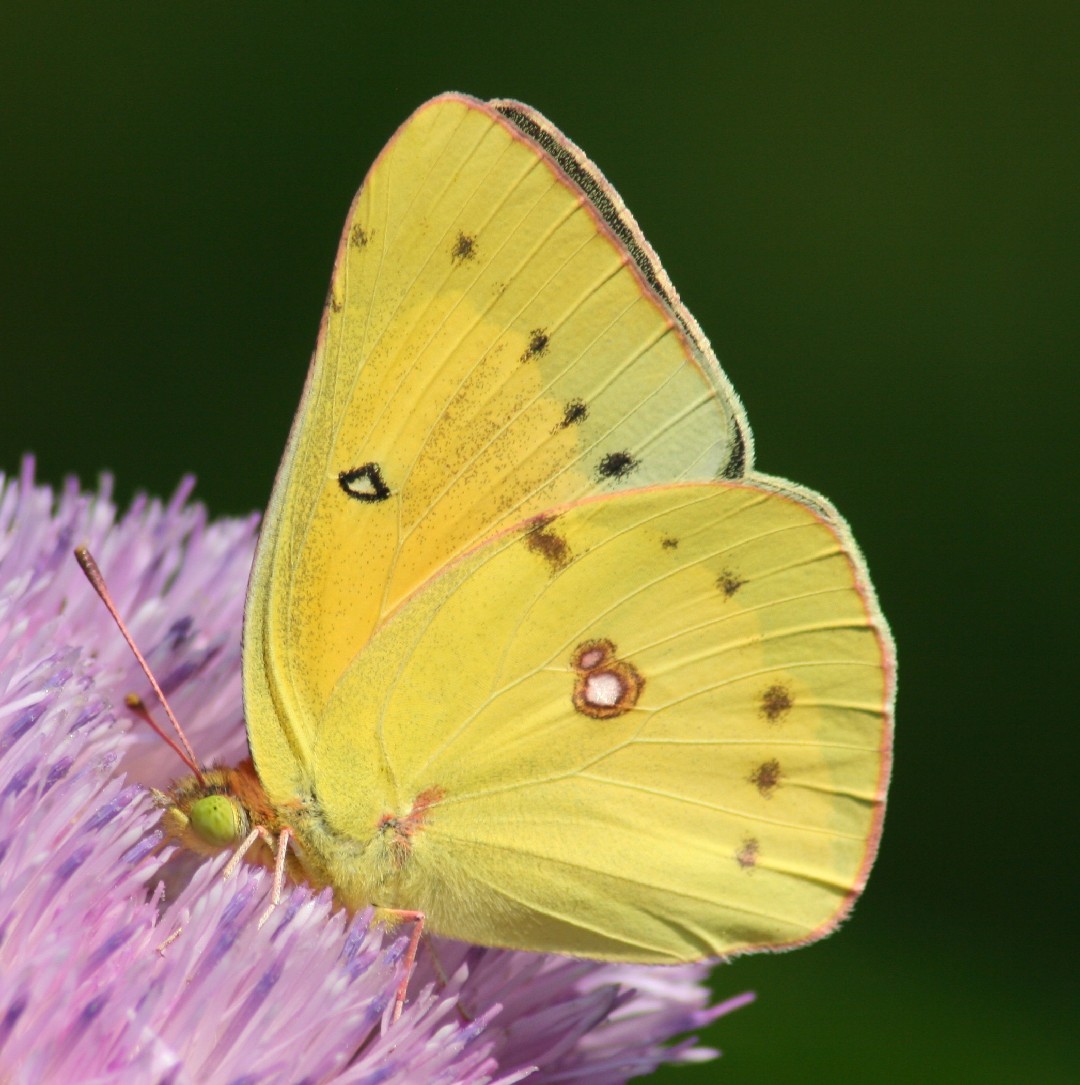
1. Clouded Sulphur
The scientific name is Colias philodice, also known as the clouded Sulphur. It is very commonly seen in North America with pale yellow wings, which have solid black borders on the upper surface and a doubled hindwing spot trimmed in brownish red. Interestingly, the wing color of the clouded Sulphur varies in a seasonal manner from white to yellow and the spots on the wings also change as well, being more pronounced during the cool months in spring and fall.
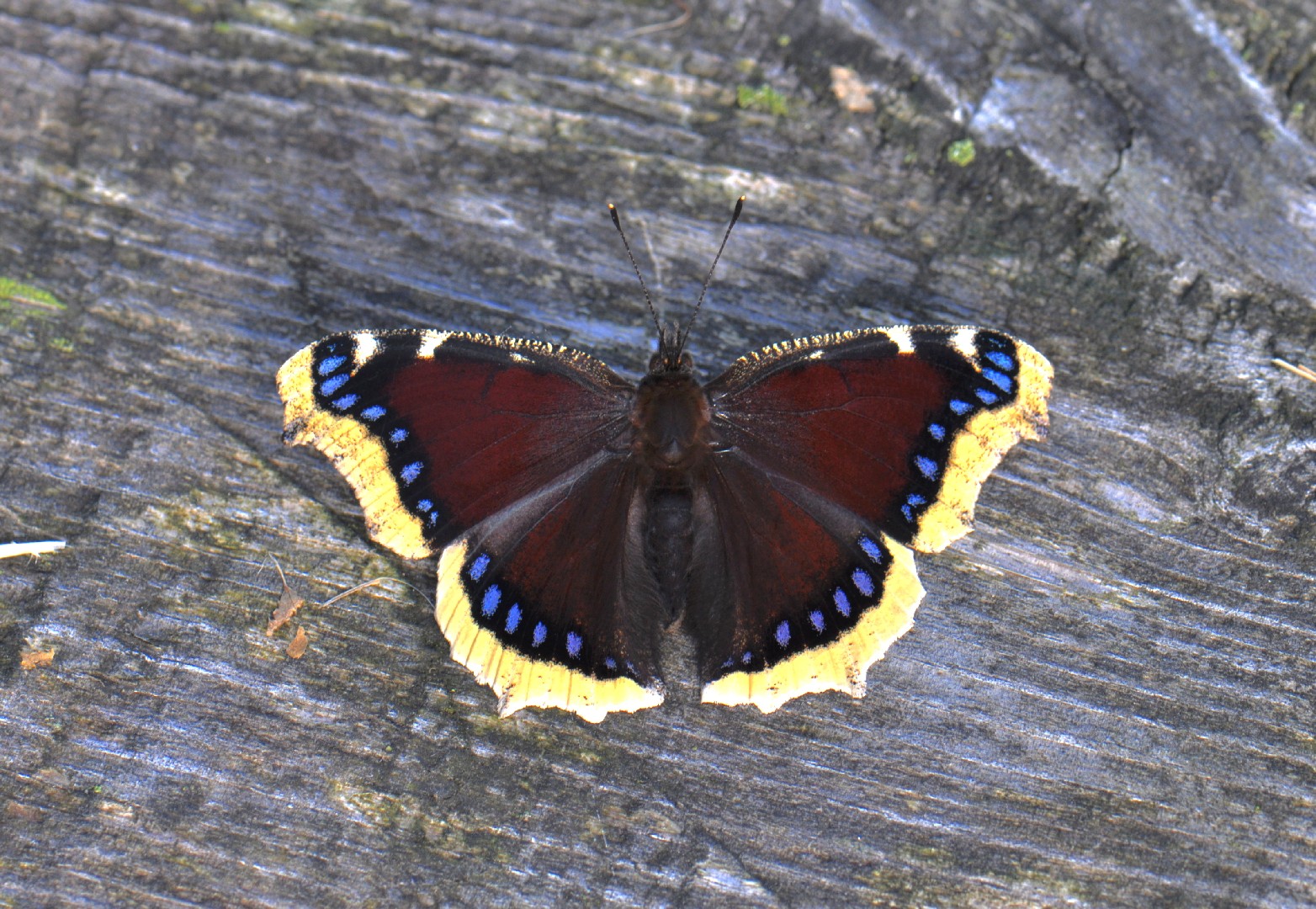
2. Mourning cloak
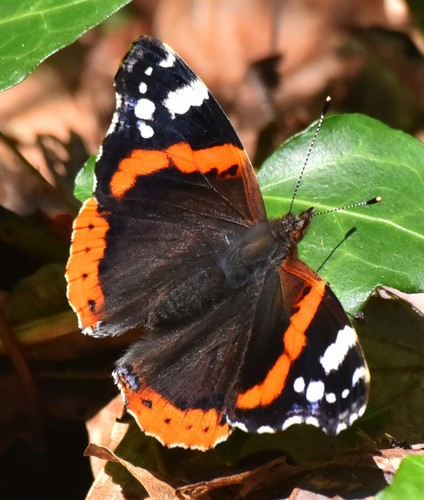
The state insect of Montana, mourning cloak (Nymphalis antiopa) owes its name to a visual comparison with a girl who, disliking mourning, allows a few inches of color to show from under her mourning garb. Among the longest-lived butterflies, individuals may persist for as long as eleven to twelve months. It is a powerful flier, with vagrants often found many miles from the usual migration paths.
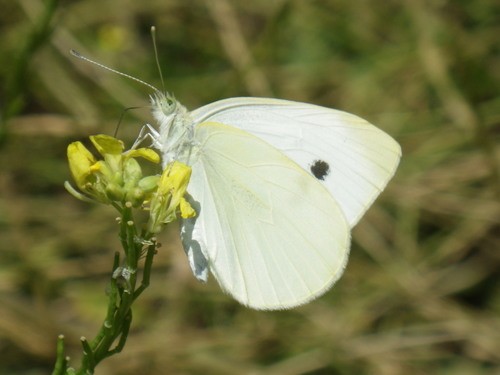
3. Cabbage white
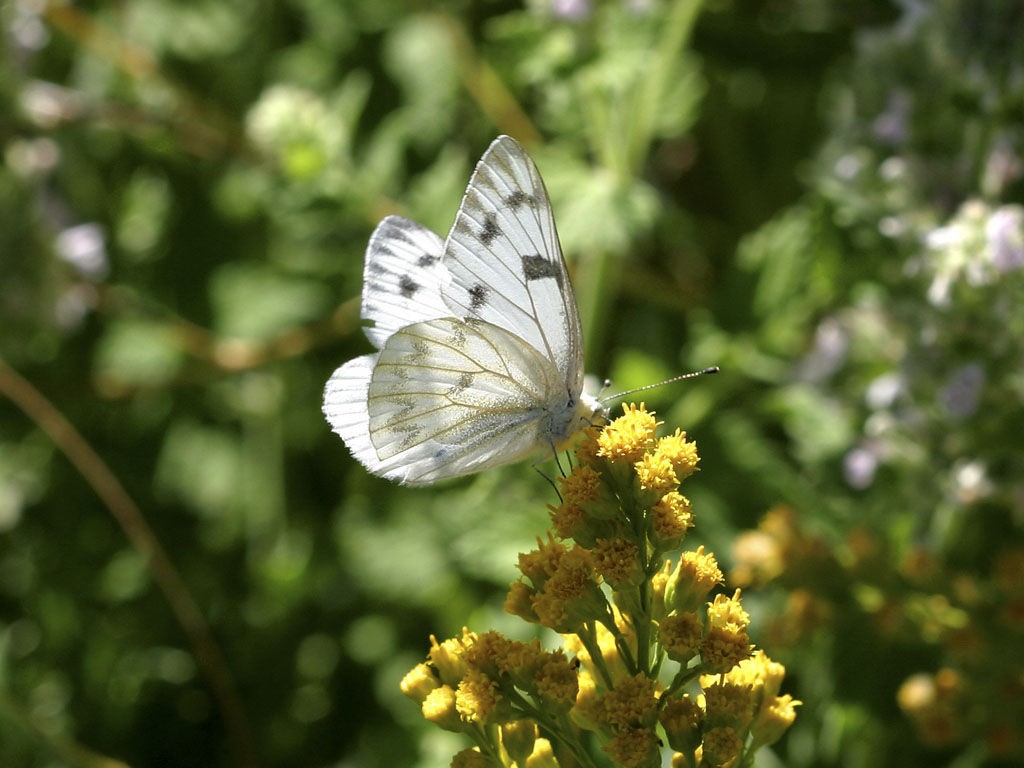
Cabbage white (Pieris rapae) derives its common name from its habits as a caterpillar, which is a ferocious pest for cabbage, kale and broccoli farmers. In North America, it is one of the first butterflies to emerge in spring, heralding the beginning of the season.
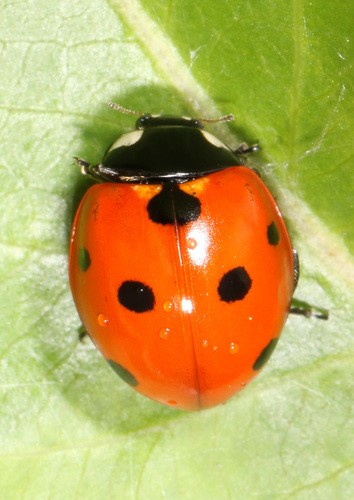
4. Seven-spotted ladybug
Seven-spotted ladybug (Coccinella septempunctata), known in North America as the "seven-spotted ladybug," is the most common species of ladybird in Europe and the official state insect of five U.S. states. While not native to North America, it has established itself there after being introduced to control aphid populations. Its bright coloring deters predators, and it may also play dead or secrete foul-smelling liquids to discourage consumption.
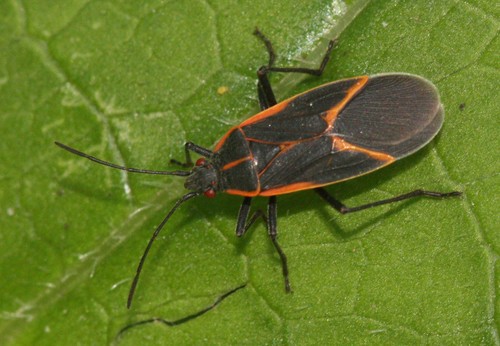
5. Eastern Boxelder Bug
The eastern Boxelder Bug (Boisea trivittata) pierces and feeds on maple seeds. They are not generally considered pests unless they invade homes or destroy fruit in the process. If they do invade homes, their excrement can stain the upholstery. They are also known as the boxelder bug.
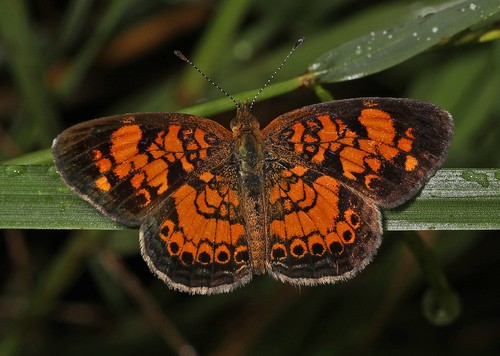
6. Pearl crescent
The pearl crescent (Phyciodes tharos) is an orange butterfly that lives in open areas that are generally moist and sunny. These butterflies are attracted to puddles, and the males will often fight with other male butterflies that land near the same puddle. However, females are not as aggressive and prefer to stay in groups.
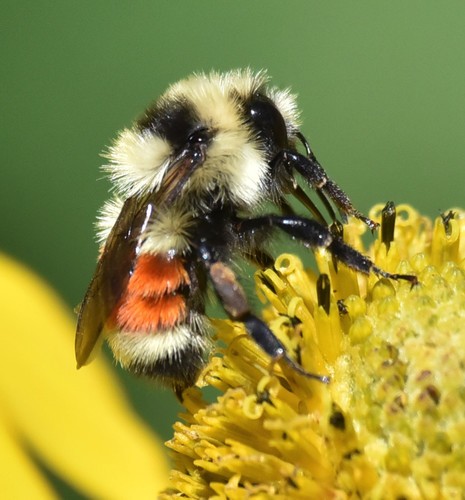
7. Hunt's bumble bee
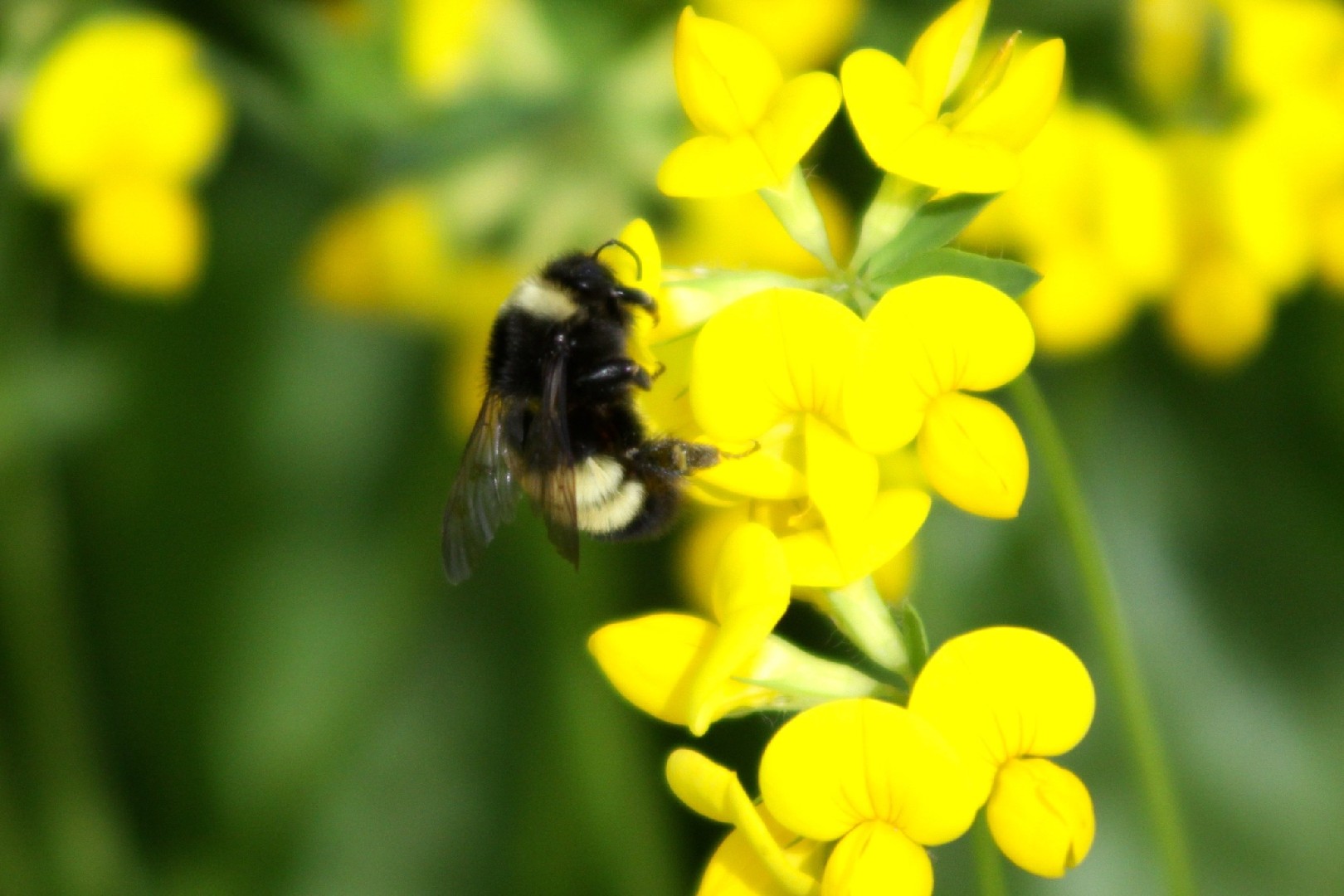
Bombus huntii is a non-woven insect from the family of bees and bumblebees (Apidae). The scientific name of the species was first validly published in 1860 by Greene.
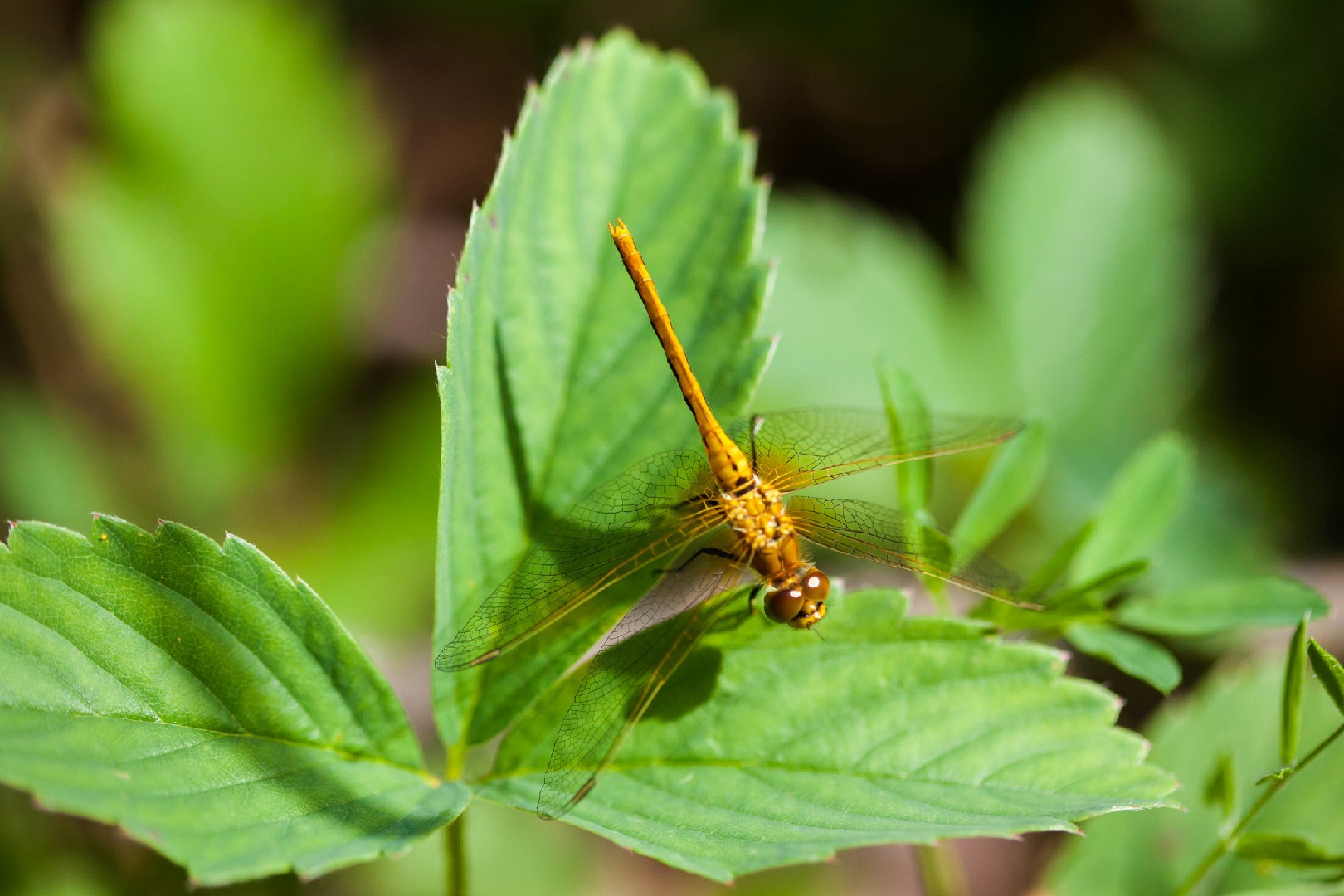
8. Cherry-faced meadowhawk
Its abdomen is brown, turning dark red at maturity in both sexes. The sides of the abdomen are marked with black triangles and the legs are black. Some females have amber in basal areas of their wings. As their name suggests, faces are dark red when mature. Size is 2 - 3.5 cm. 
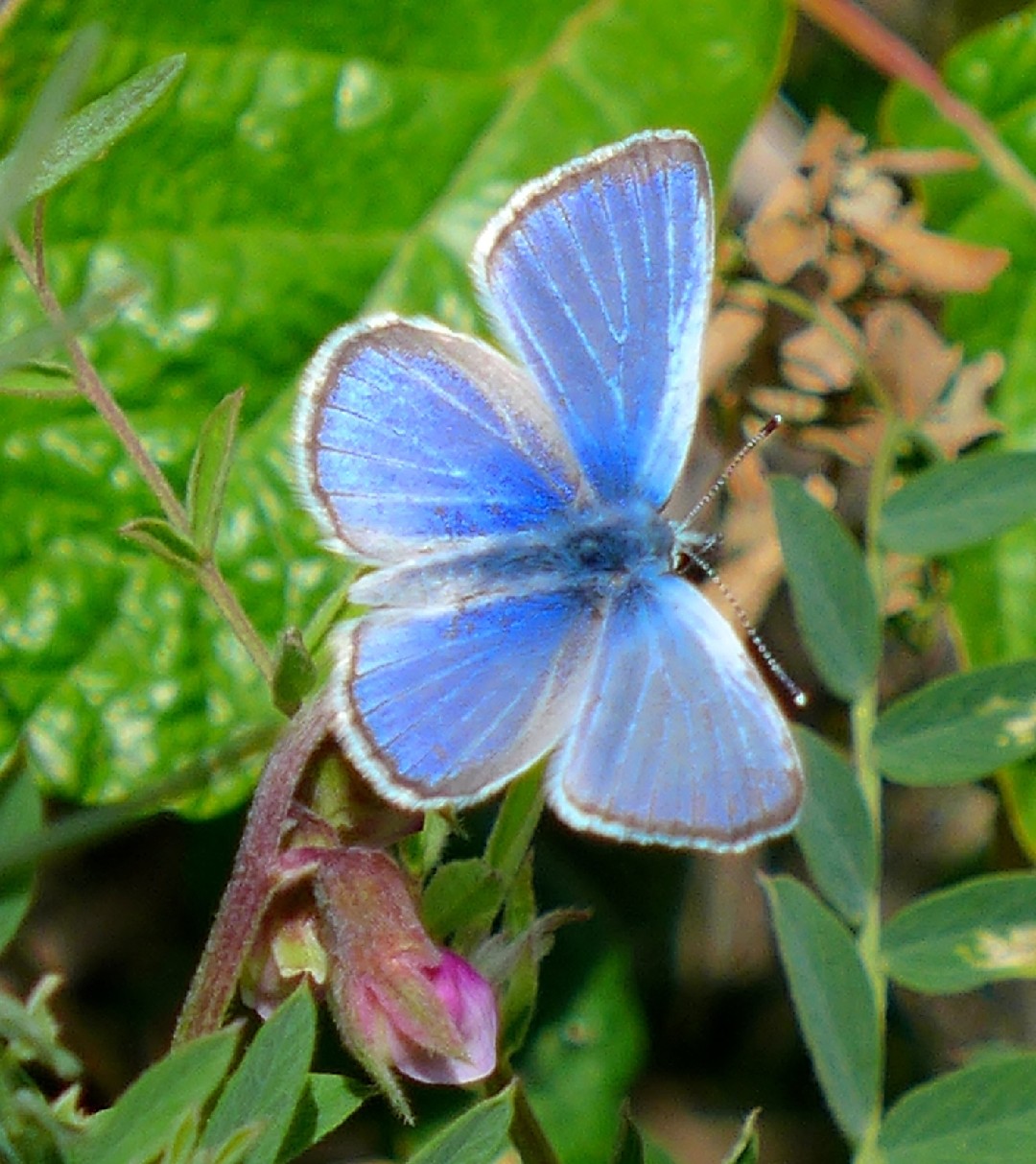
9. Silvery blue
Its upperside is a light blue in males and a dull grayish blue in females. The underside is gray with a single row of round spots of differing sizes depending upon the region. Wingspan is from 1.8 - 3 cm.
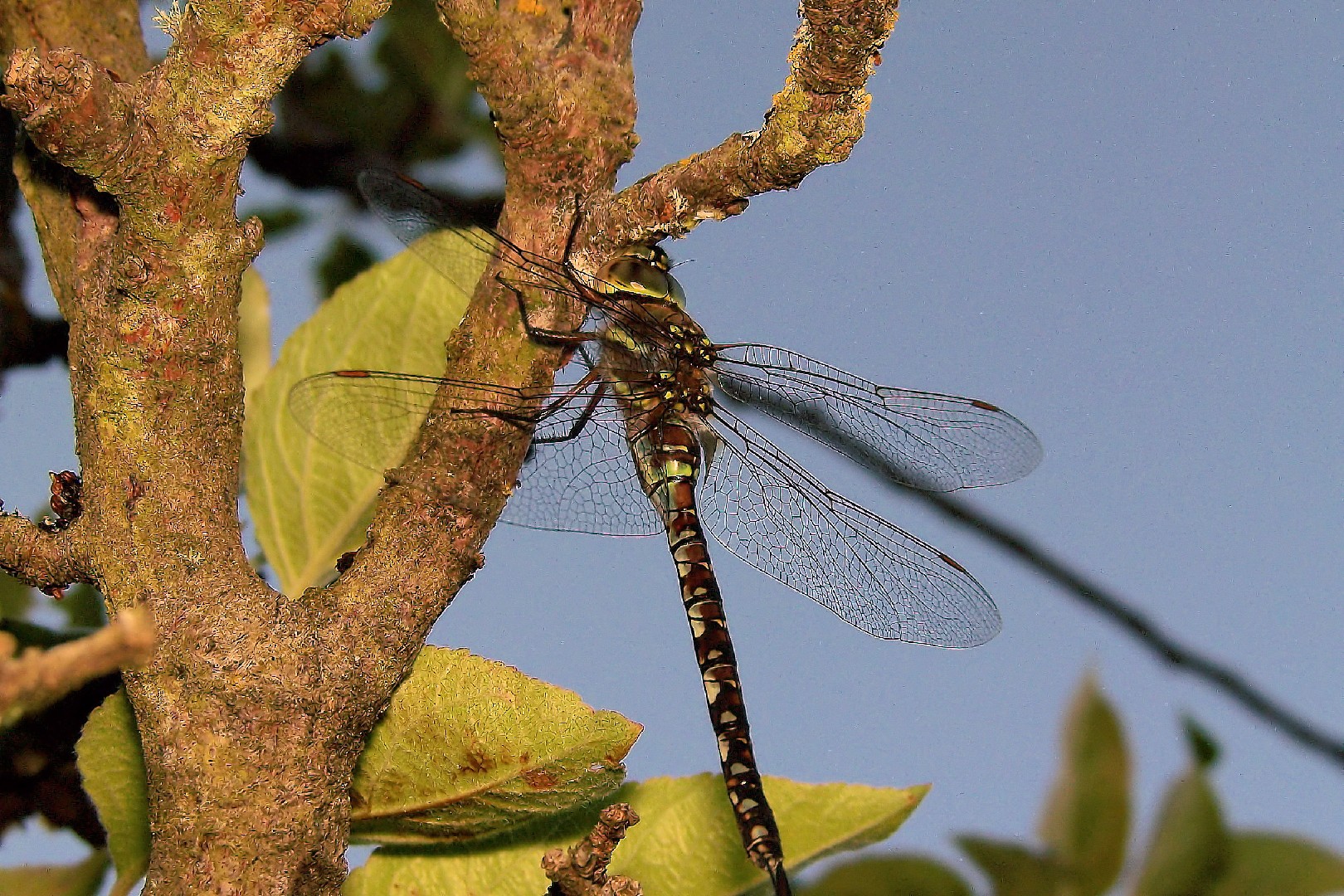
10. Variable darner
It's named after the distinctive broken stripes on the sides of the thorax of many male specimens.
More







