




Top 20 Most Common Insects in Basilicata
Insects, diverse creatures characterized by segmented bodies and jointed limbs, inhabit a wide range of environments in the region of Basilicata. The region's diverse geography plays a significant role in the insect population, promoting an intriguing array of species. Insects are vital to our ecosystem, acting as both pests and beneficial contributors, emphasizing the interconnected relationship between Basilicata's environment and these crawling inhabitants. Stay tuned as we explore the top 20 insects in Basilicata.

Most Common Insects
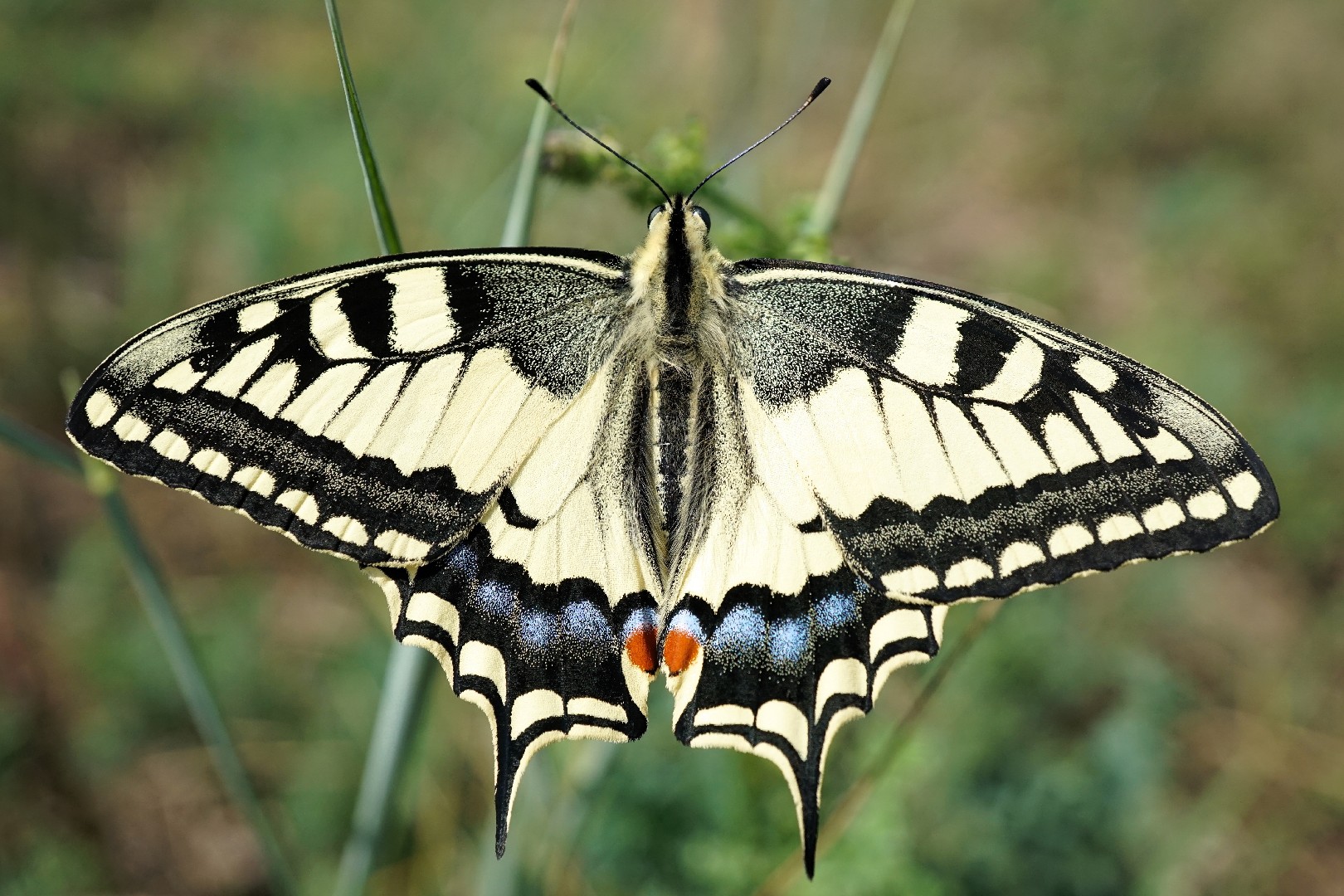
1. Old World swallowtail
The old World swallowtail (Papilio machaon) is commonly just called the "swallowtail," giving it the added title of "old world" to distinguish it and remind us that it comes from the "old world" (Asia, Africa, Europe). The upper side of them is a beautiful combination of pure white with black striping, the underside being a brownish version of the same thing. There is blue and two red dots on its back side.
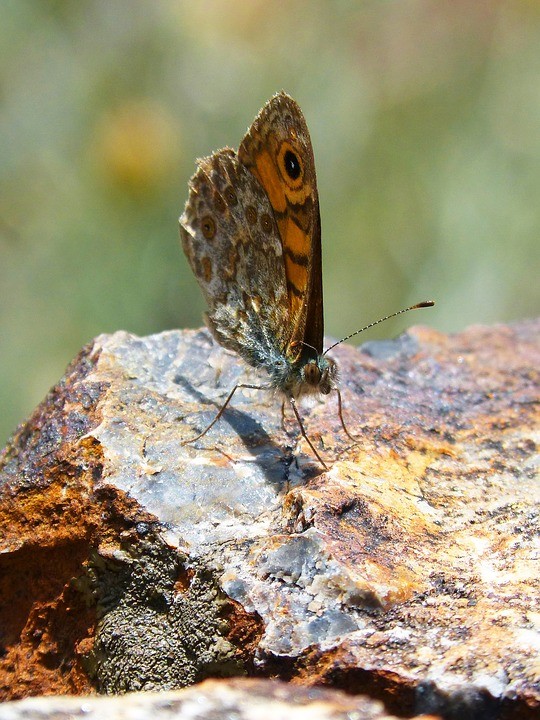
2. Wall brown
P. megera L. [— xiphie Boisd. pt (45d). Above reddish yellow, with a black mark which traverses the distal band from the cell of the forewing to the abdominal margin of the hindwing, short black stripes crossing the disc and the cell of the forewing. 
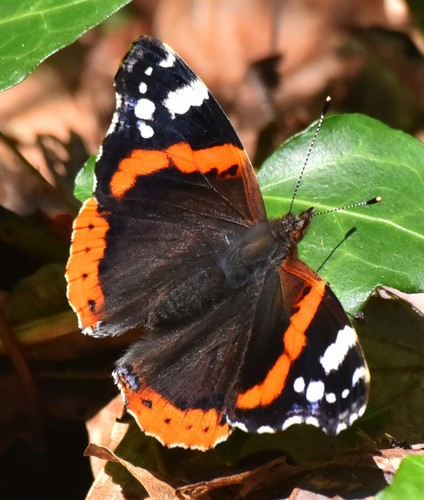
3. Red admiral
Red admiral (Vanessa atalanta) is a visually striking species of butterfly. Unusually territorial, males will compete for choice areas, and females will only mate with males that maintain their own territories. This butterfly is known for being particularly patient with human interactions, even to the point of perching on clothing or flesh.
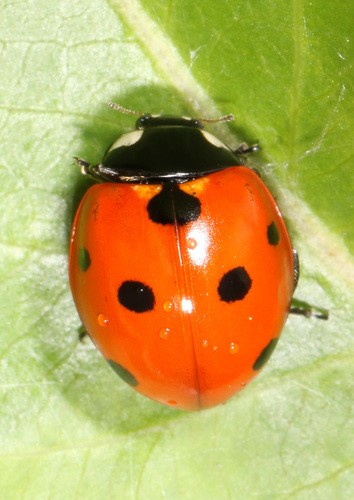
4. Seven-spotted ladybug
Seven-spotted ladybug (Coccinella septempunctata), known in North America as the "seven-spotted ladybug," is the most common species of ladybird in Europe and the official state insect of five U.S. states. While not native to North America, it has established itself there after being introduced to control aphid populations. Its bright coloring deters predators, and it may also play dead or secrete foul-smelling liquids to discourage consumption.
5. Western honey bee
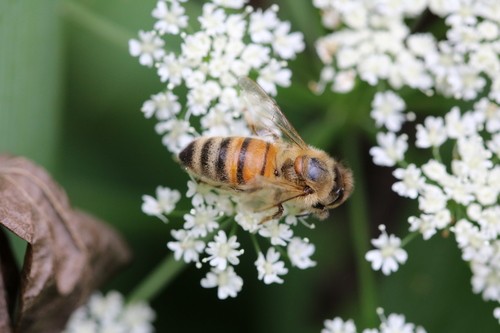
Western honey bee(Apis mellifera) is the most common species of honeybee in the world. Among the first domesticated insects, its cultural and economic impact on humanity has been vast and far-reaching, providing honey, wax and its services as a pollinator. Western honey bee faces challenges worldwide, such as colony collapse disorder, and populations are thought to be decreasing.
6. Painted lady
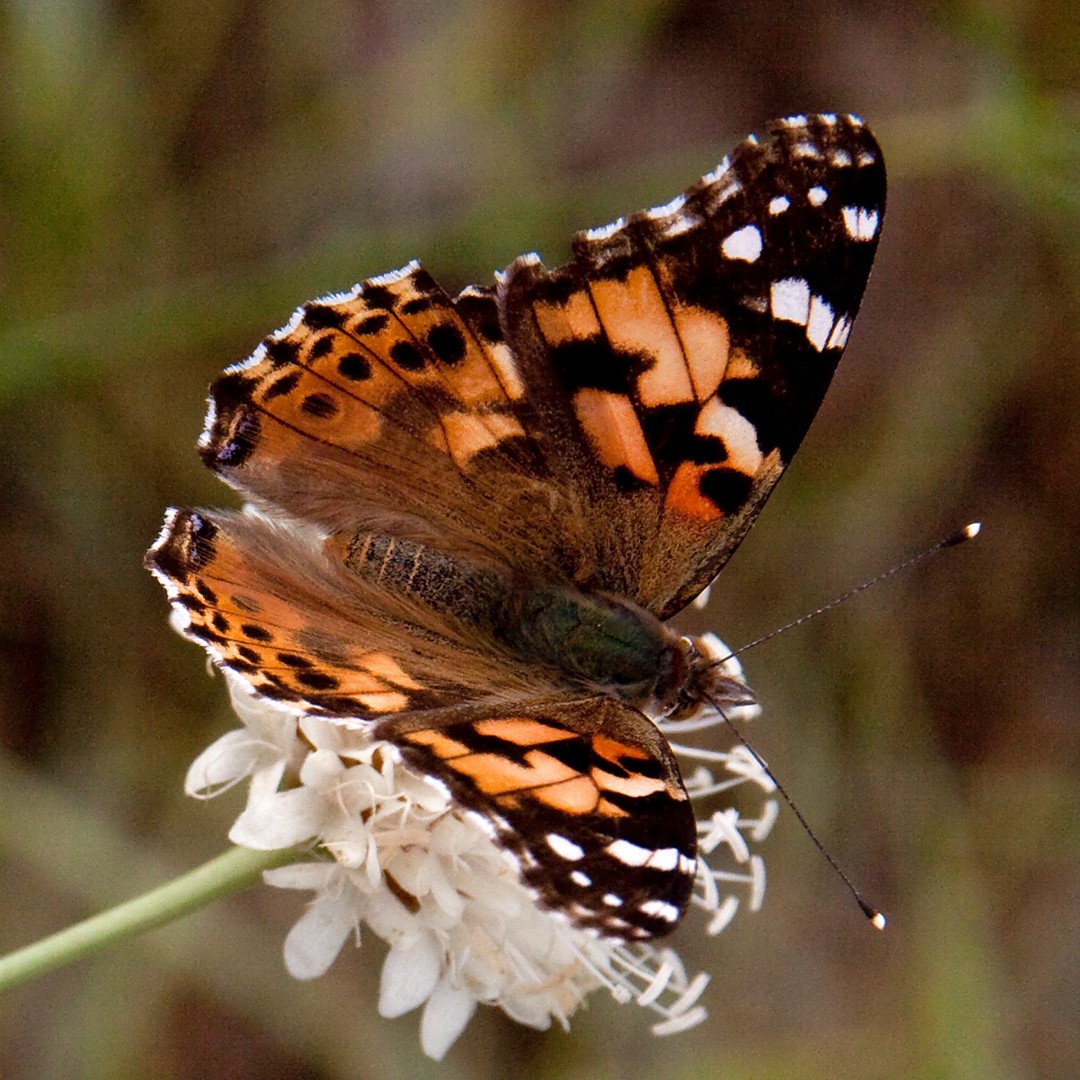
The painted lady is a migratory butterfly that spends part of the year in Northern Africa and then migrates to Europe during the warmer months. Although the adults feed on nectar from flowers, the larvae feed on the leaves of nettles and thistles.
7. Scarce swallowtail
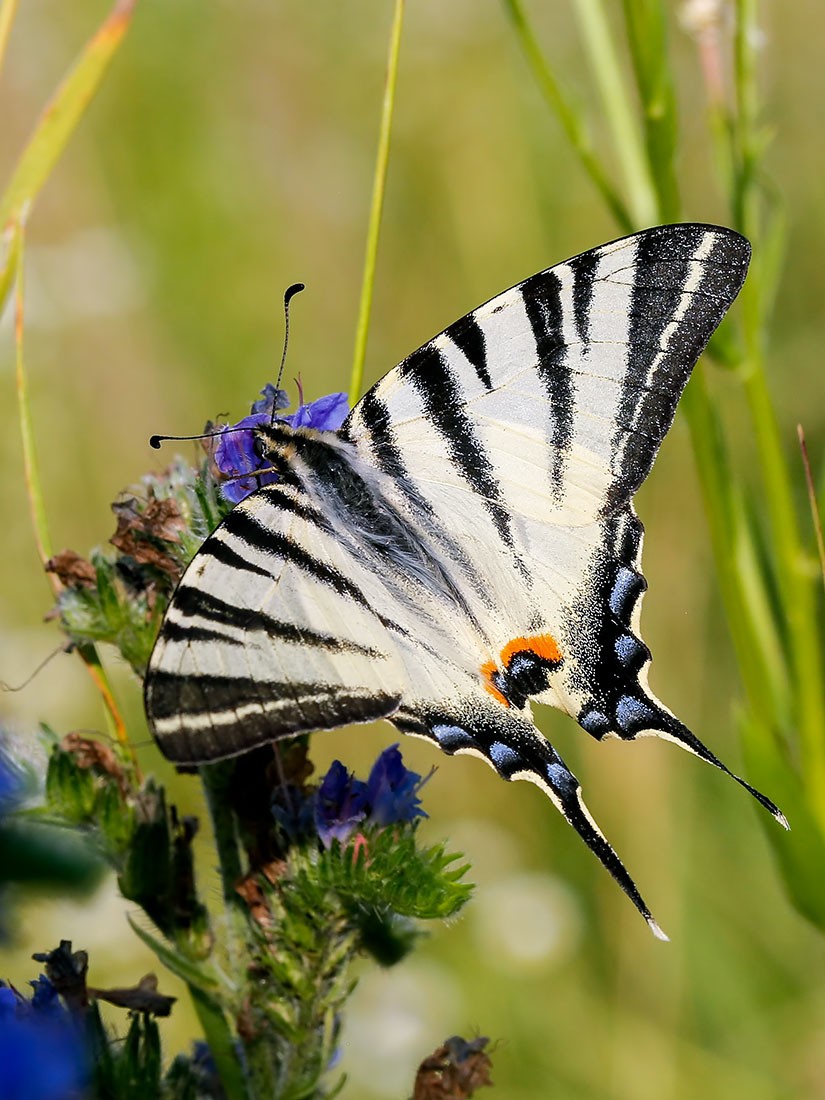
Its slow and floating flight pattern makes it easy to identify the scarce swallowtail as it soars over gardens, orchards, and scrublands. The butterfly has a large presence across Europe, the Middle East, and Asia. The adult lifespan is brief, only two or three weeks. Planting flowers like blackthorn can encourage the butterfly to visit a garden.
8. White spotted rose beetle
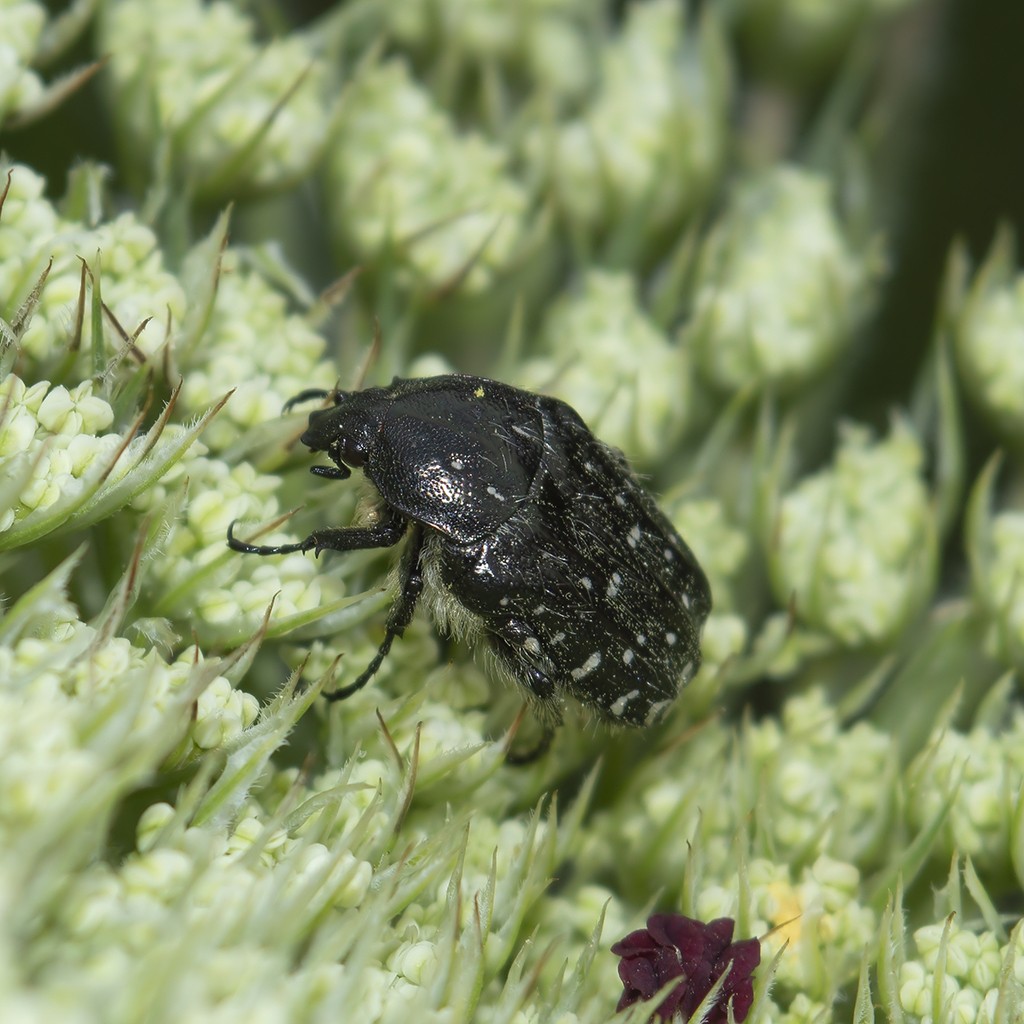
Unique for its black coloring with white spots, the white spotted rose beetle has spread across Europe and into Asia by hitching a ride on traded plants. It's a voracious eater that consumes many parts of plants in addition to pollen and nectar, so some label it as a garden pest.
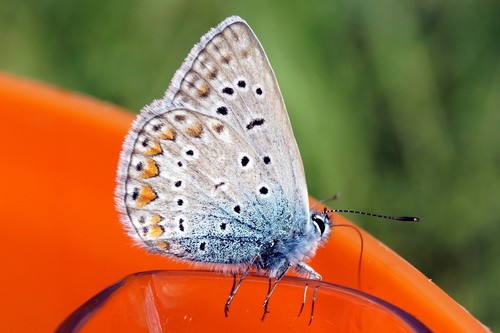
9. Common blue butterfly
Despite its common name, only male specimens of common blue butterfly (Polyommatus icarus) can accurately be described as blue; the females are predominately gray-brown, with only a dusting of blue and a scattering of orange spots. The adults live for only three weeks before dying.
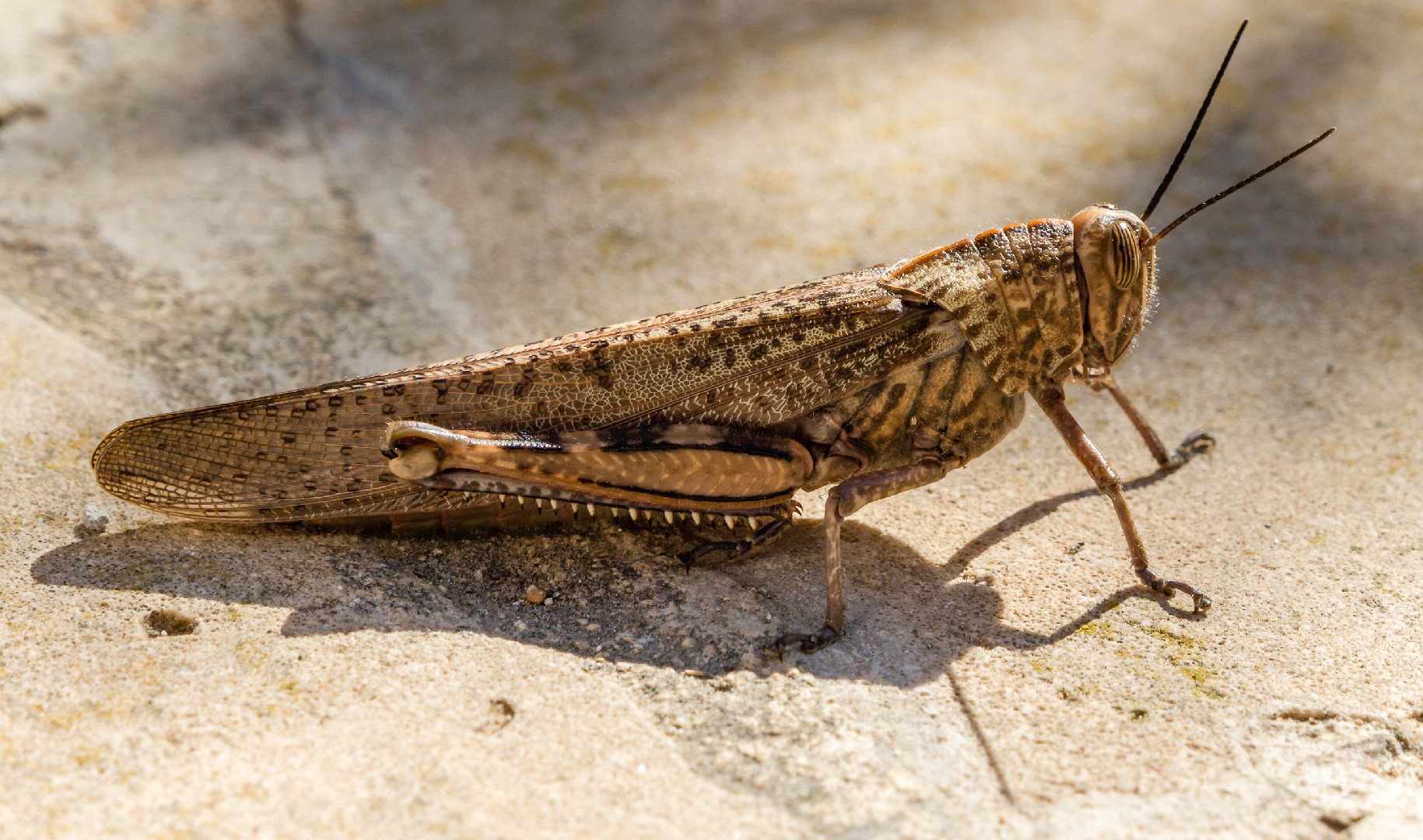
10. Egyptian locust
The egyptian locust( Anacridium aegyptium) is usually gray, brown, or olive in color has a mid-sized body with a pair of short and robust antennae on the head. It is generally regarded as a kind of minor pest as it essentially feeds on the leaves of various fruit trees in the orchards but does not cause serious harm to crops.


More







