




Top 20 Most Common Insects in Calabria
Insects - a diverse group of small invertebrates, each with unique characteristics, thrive in the varied landscapes of Calabria. Geographical diversity, from coastal to mountainous regions in Calabria, supports a rich insect biodiversity. These vital organisms are not just pests but also key ecosystem contributors, fulfilling crucial roles like pollination and breakdown of organic matter. Understanding the relationship between Calabria's environments and its 20 most common insects provides fascinating insights into nature's balance.

Most Common Insects
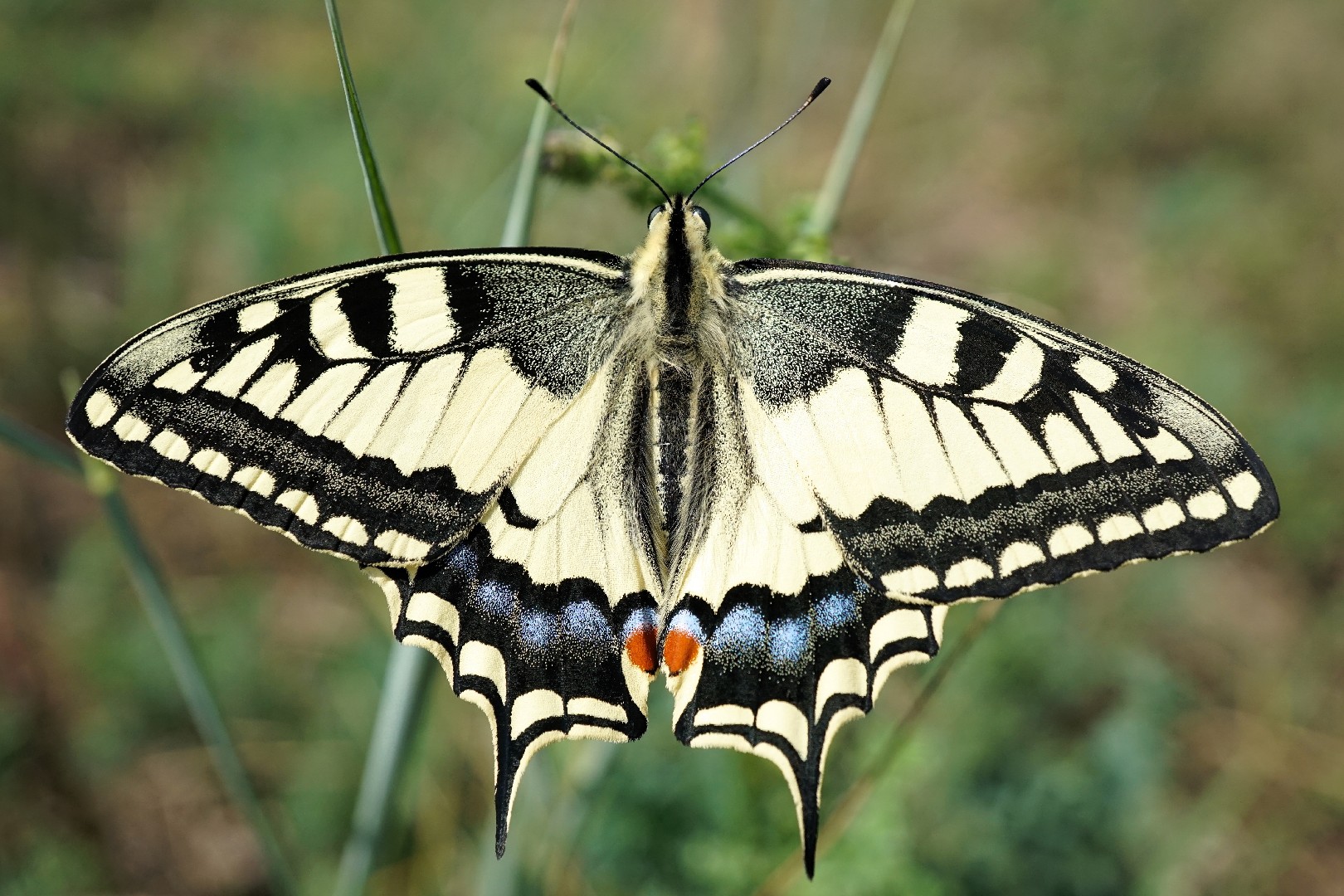
1. Old World swallowtail
The old World swallowtail (Papilio machaon) is commonly just called the "swallowtail," giving it the added title of "old world" to distinguish it and remind us that it comes from the "old world" (Asia, Africa, Europe). The upper side of them is a beautiful combination of pure white with black striping, the underside being a brownish version of the same thing. There is blue and two red dots on its back side.
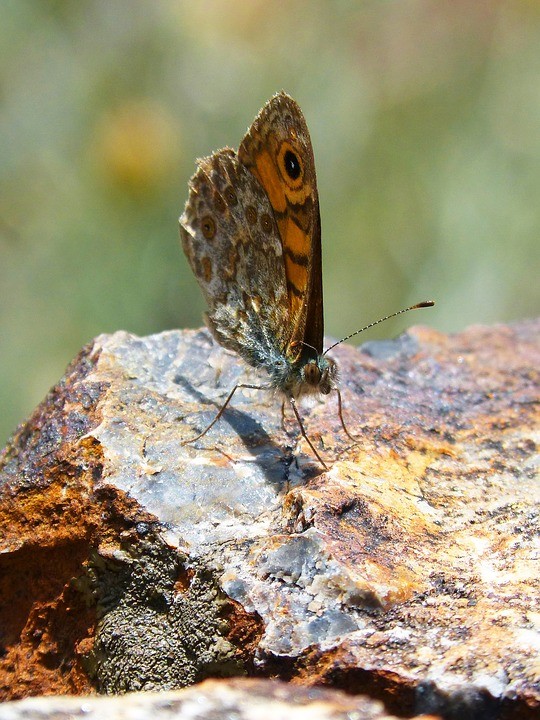
2. Wall brown
P. megera L. [— xiphie Boisd. pt (45d). Above reddish yellow, with a black mark which traverses the distal band from the cell of the forewing to the abdominal margin of the hindwing, short black stripes crossing the disc and the cell of the forewing. 
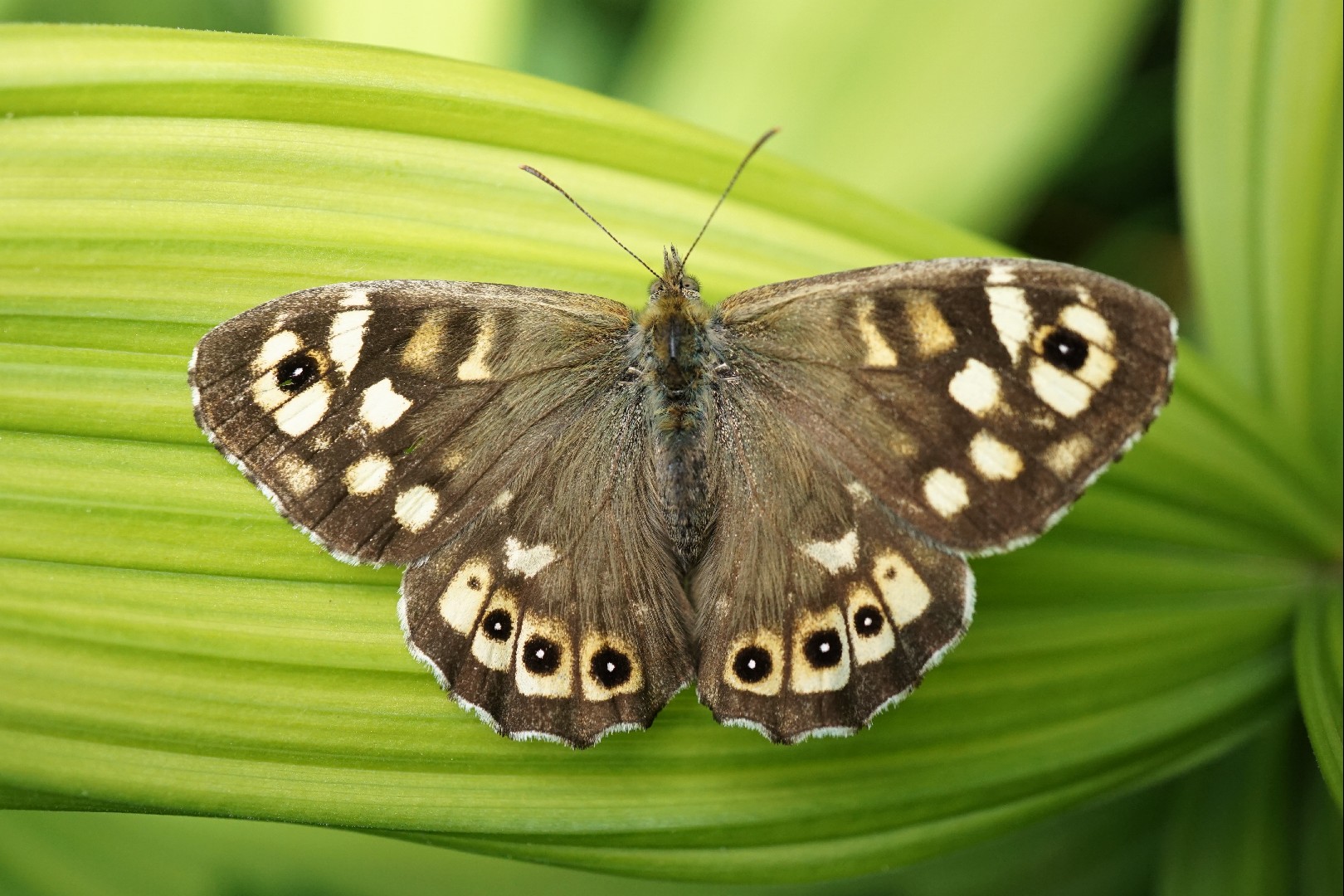
3. Speckled wood
The speckled wood (Pararge aegeria) prefers to live in damp, dark woodlands. Unlike other butterflies, it's more active in shadier habitats rather than sunny ones. Males often fight over a perch, spiraling up to the treetops until they determine a winner. These perches are where the males find passing females.
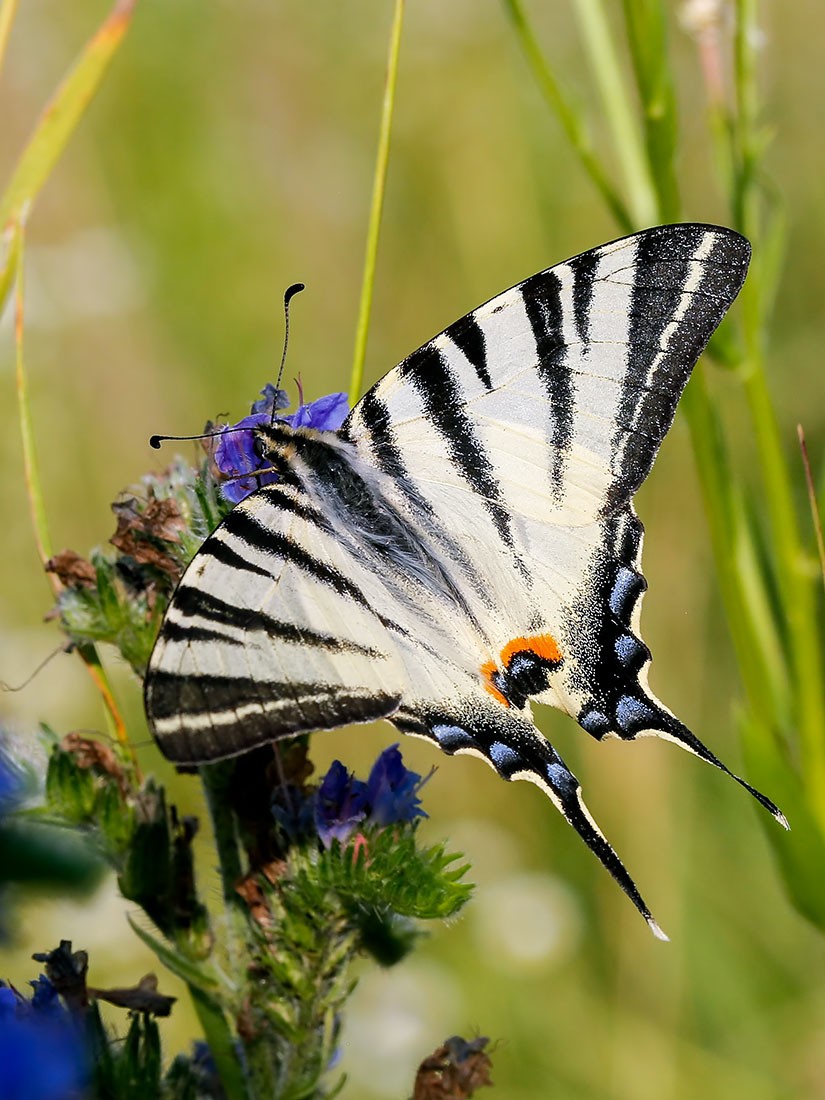
4. Scarce swallowtail
Its slow and floating flight pattern makes it easy to identify the scarce swallowtail as it soars over gardens, orchards, and scrublands. The butterfly has a large presence across Europe, the Middle East, and Asia. The adult lifespan is brief, only two or three weeks. Planting flowers like blackthorn can encourage the butterfly to visit a garden.
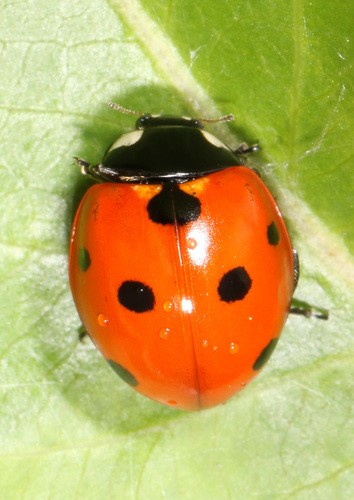
5. Seven-spotted ladybug
Seven-spotted ladybug (Coccinella septempunctata), known in North America as the "seven-spotted ladybug," is the most common species of ladybird in Europe and the official state insect of five U.S. states. While not native to North America, it has established itself there after being introduced to control aphid populations. Its bright coloring deters predators, and it may also play dead or secrete foul-smelling liquids to discourage consumption.
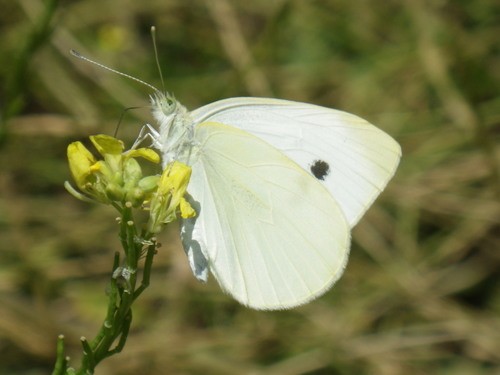
6. Cabbage white
Cabbage white (Pieris rapae) derives its common name from its habits as a caterpillar, which is a ferocious pest for cabbage, kale and broccoli farmers. In North America, it is one of the first butterflies to emerge in spring, heralding the beginning of the season.
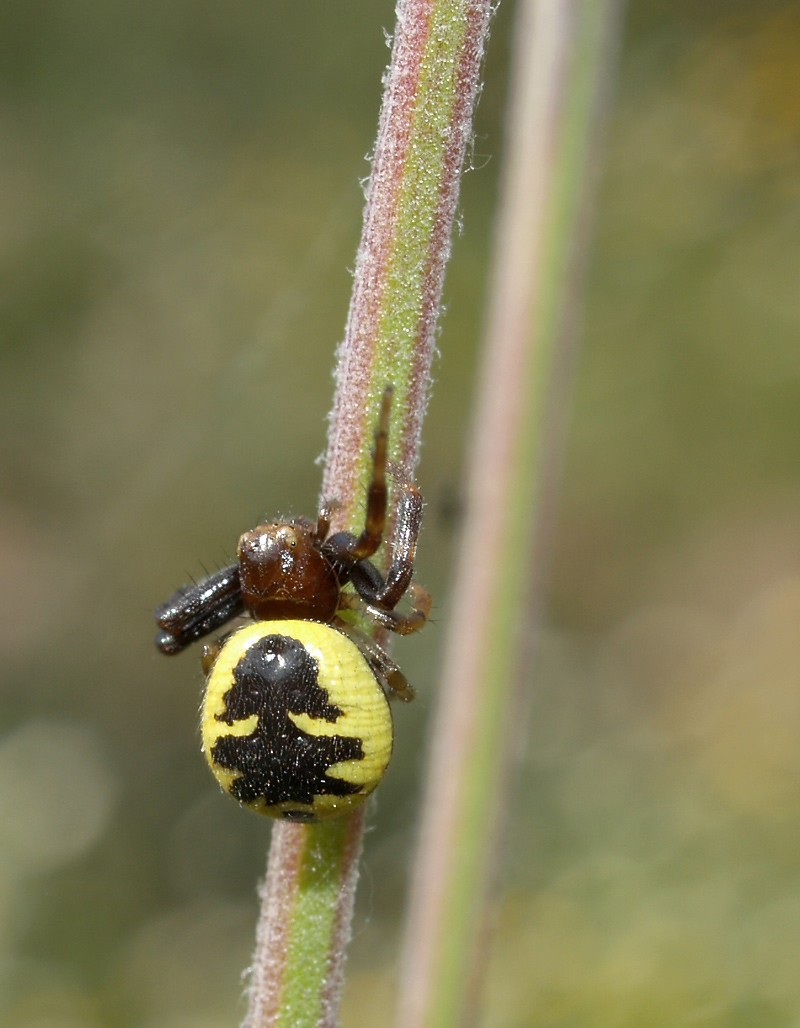
7. Napoleon spider
The adult males reach 2 - 4 mm in length, while females are 7 - 8 mm long. The two pairs of the front legs, used for hunting the flower-feeding insects, are more developed than the rear ones, which have a predominant motor function. Mature males have a black abdomen with two white marks. In mature females, the background colour of the abdomen can be red, yellow or white, with a black pattern which has been noted for a certain resemblance to the silhouette of Napoleon. Prosoma and legs are black or dark brown.
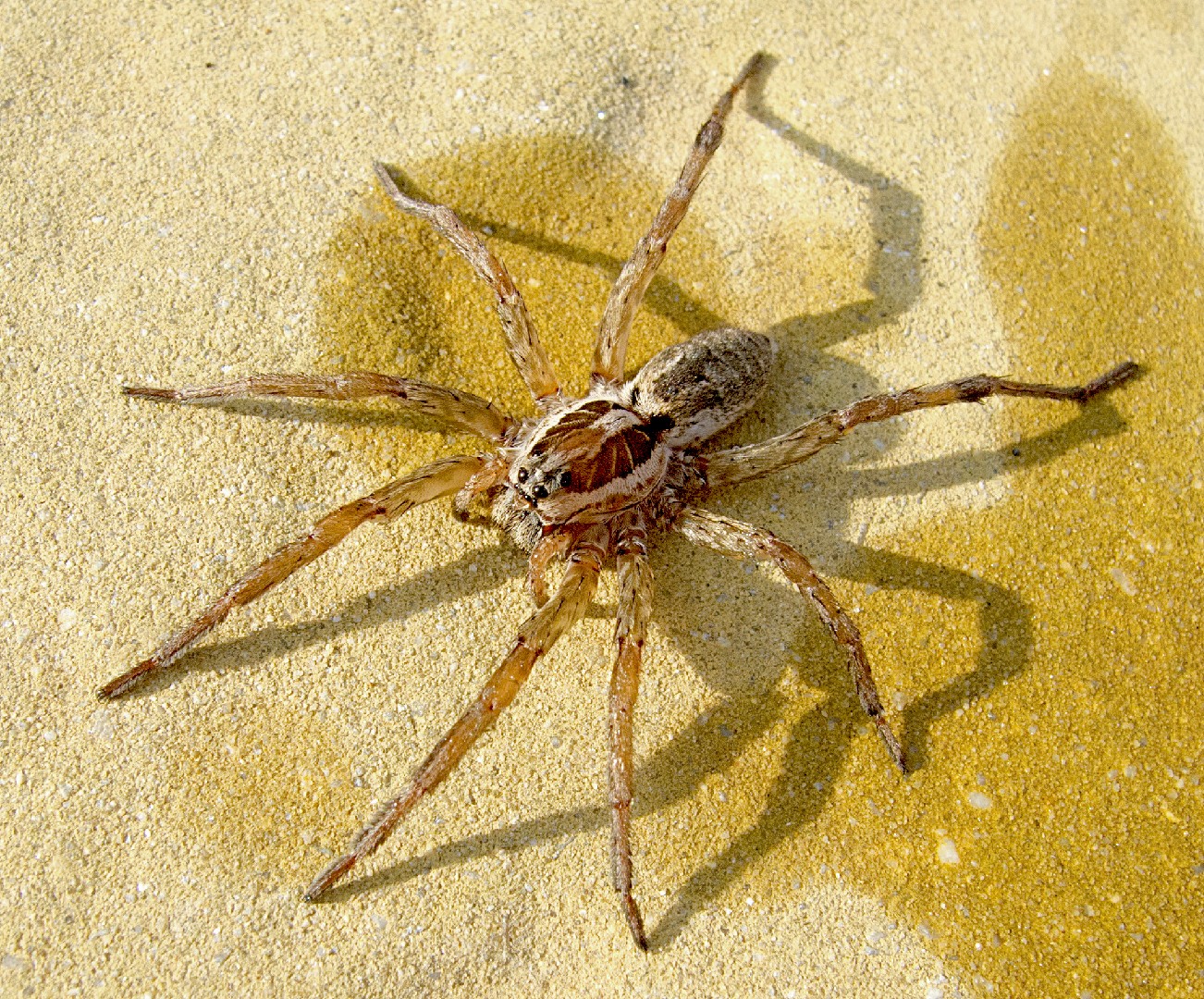
8. European wolf spider
The european wolf spider (Hogna radiata) is a dark brown spider that lives among dry grass or open woods. During mating season, females will dig shallow burrows in the ground to lay their eggs in. Like other wolf spiders (Lycosidae), this species is generally harmless to humans, but it can cause a painful bite if provoked.
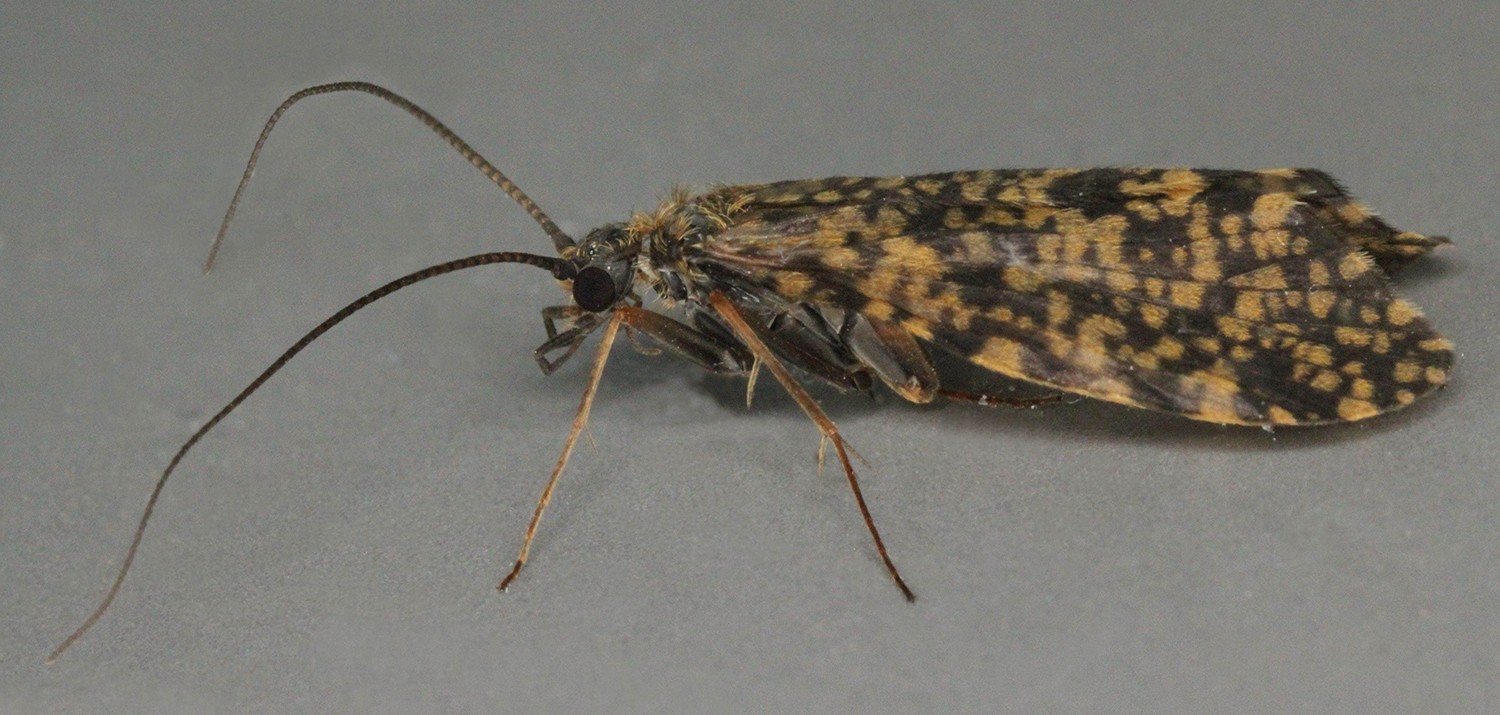
9. Yellow Spotted Sedge
Philopotamus montanus is a species of insect belonging to the family Philopotamidae. It is native to Europe.
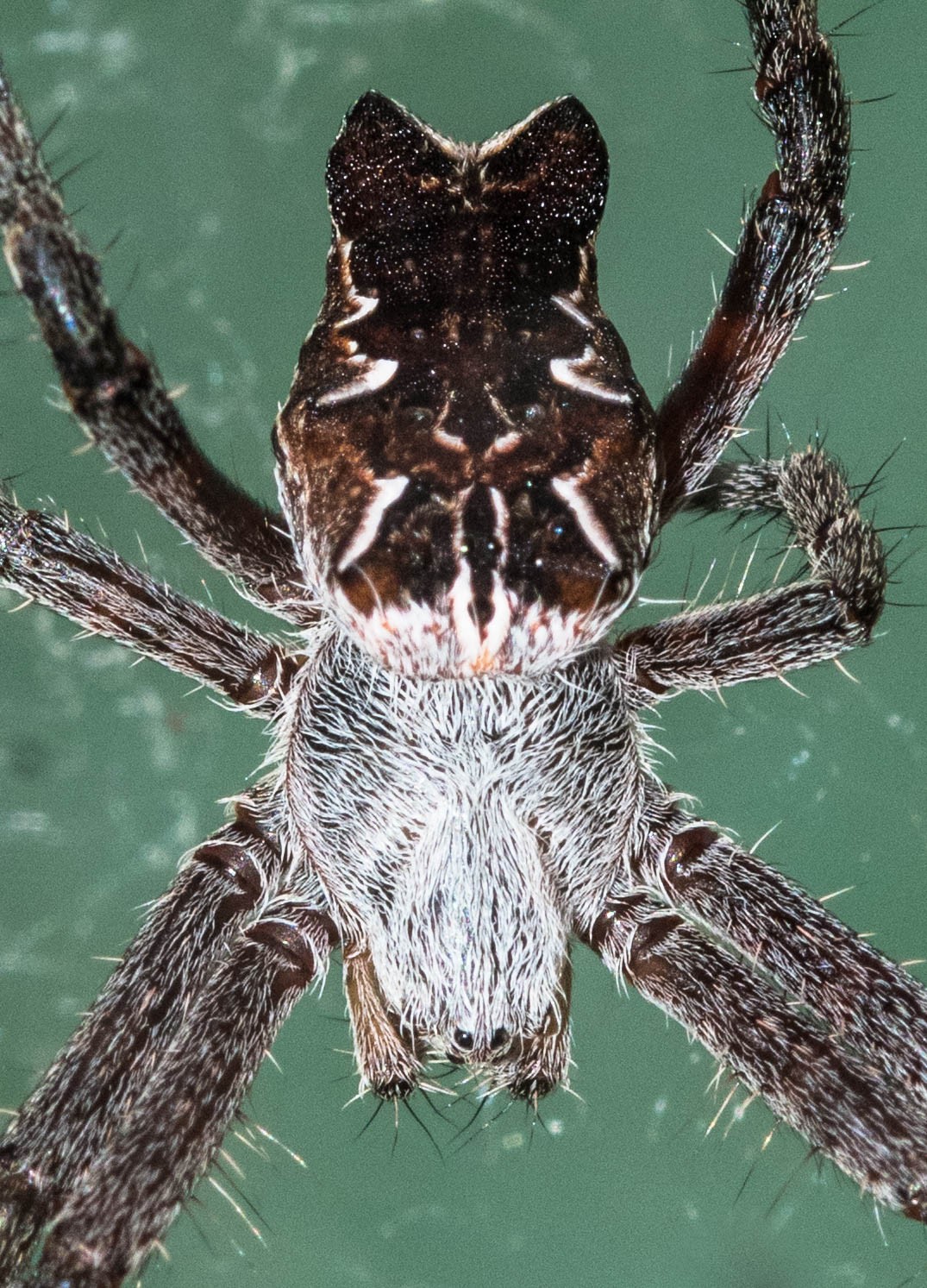
10. Tropical tent-web spider
The tropical tent-web spider (Cyrtophora citricola) is a spider that is known to participate in communal cooperation. Other spiders in its vicinity can build their webs into each other, providing greater mating access and defense against predators. They are strikingly beautiful spiders that have much color variance from black and white to brown. Females tend to resemble a dead leaf.
More







