




Top 20 Most Common Insects in Rome
Insects, with their exoskeletons and three-part bodies, play a definitive role in the biodiversity of Rome. Varying geographical landscapes in Rome create unique environments for different insects, allowing a vast variety of species to thrive. Their significance in the ecosystem, be it as pests or pollinators, is profound. The relationship between these tiny dynamos and our environment is a fascinating exploration. Ready to meet the 20 most diverse insects of Rome?

Most Common Insects
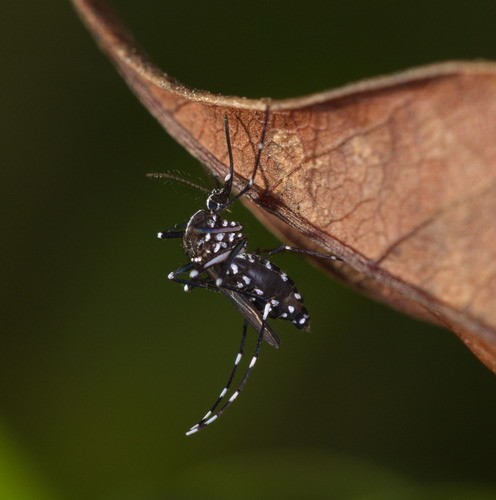
1. Asian Tiger Mosquito
The asian Tiger Mosquito (Aedes albopictus) has recently (the 1970s) infested every corner of the world through the shipment of used tired, lucky bamboo (Dracaena sanderiana), and other similar products. The asian Tiger Mosquito is known to transmit many deadly diseases that include West Nile Virus.
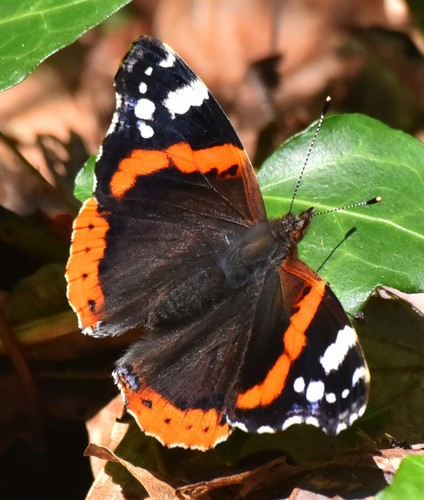
2. Red admiral
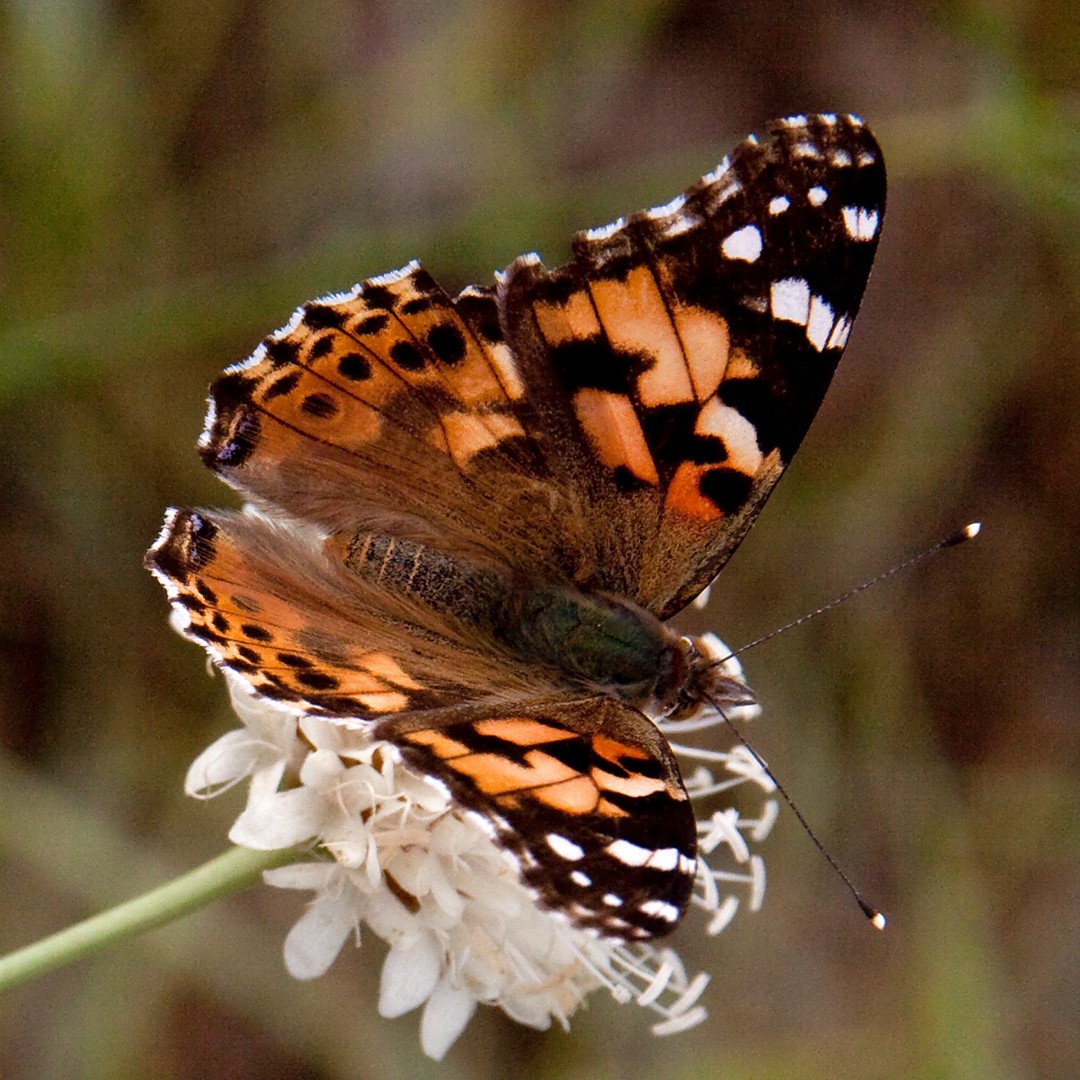
Red admiral (Vanessa atalanta) is a visually striking species of butterfly. Unusually territorial, males will compete for choice areas, and females will only mate with males that maintain their own territories. This butterfly is known for being particularly patient with human interactions, even to the point of perching on clothing or flesh.
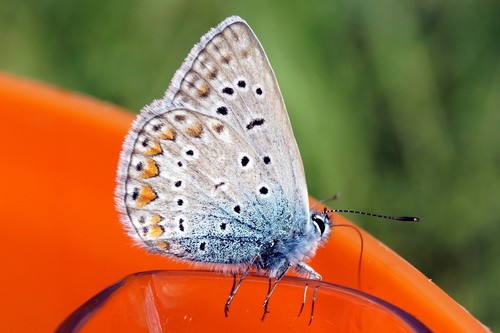
3. Common blue butterfly
Despite its common name, only male specimens of common blue butterfly (Polyommatus icarus) can accurately be described as blue; the females are predominately gray-brown, with only a dusting of blue and a scattering of orange spots. The adults live for only three weeks before dying.
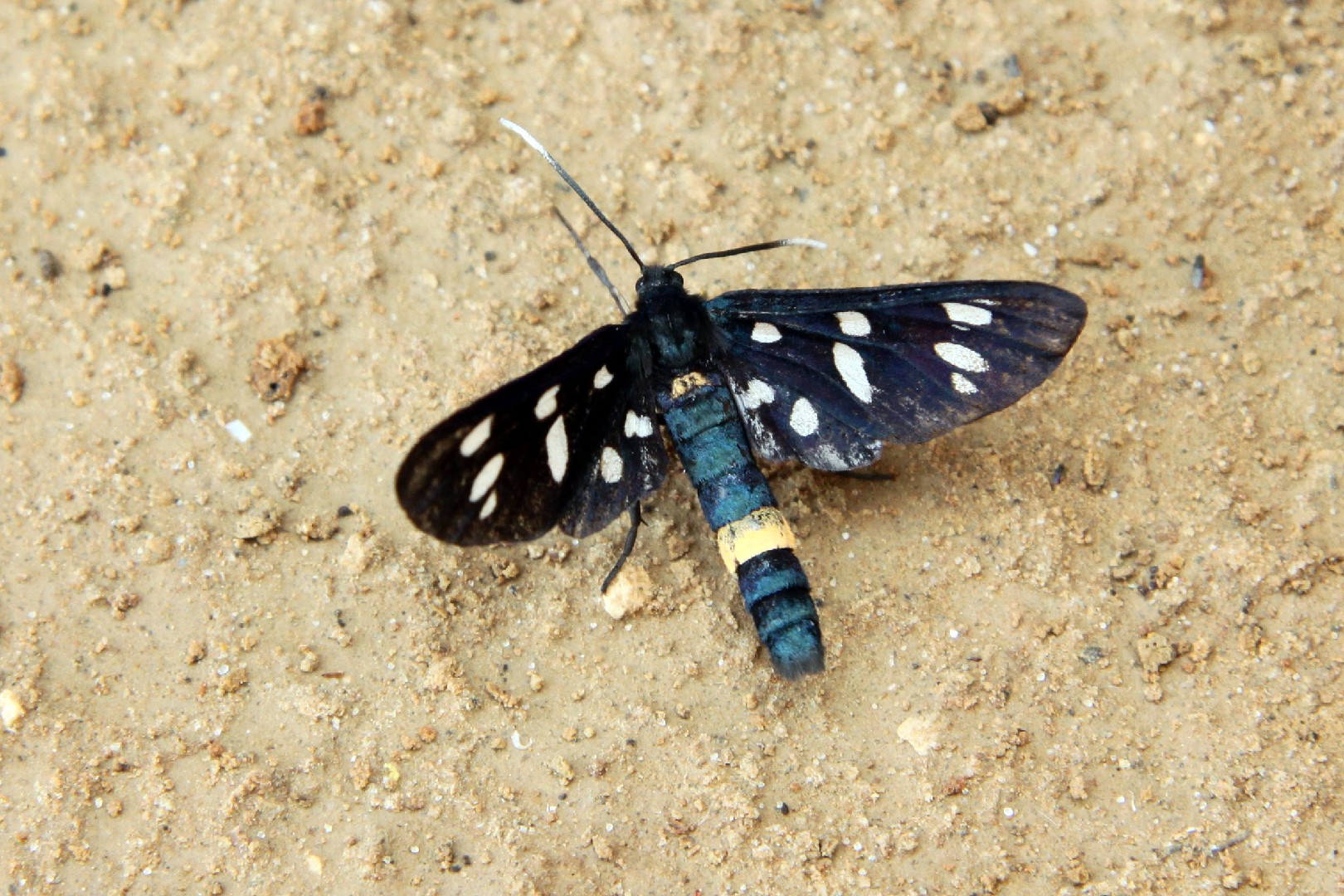
4. Nine-spotted
Amata phegea reaches a wingspan of 3.5 - 4 cm . Males are smaller than females and have thicker antennae. Wings are blueish black or greenish black with white spots and metallic sheen. The number and the size of spots are quite variable. Usually there are six white spots on the front wings and two or three spots on the hind wings. The body is quite long, with yellow spot on the second segment of the abdomen. A further feature is the prominent yellow ring at the sixth segment of the abdomen. The black thread-like antennae have white tips. The caterpillars can reach a length of about 5 cm . They are gray-black with thick dark brown, fluffy hairs that grow from small growths. The head is reddish-brown. 
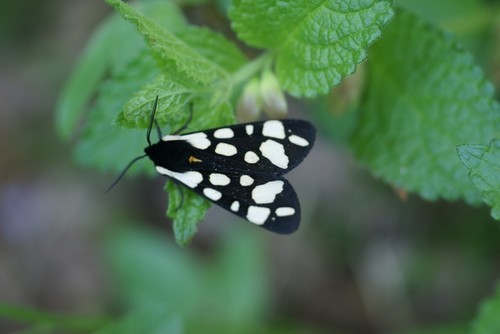
5. Cream-spot tiger
The wingspan of these moths reaches 4.5 - 6 cm. They have black or greyish forewings with white and cream broad patches and spots. The bright red/orange hind wings have black spots. The thorax is black and the abdomen is reddish-orange. The highly-coloured parts are bright scarlet on a newly-emerged insect and tend to dull to orange with age. The caterpillars are black with light brown tufts of hairs, while the head and the legs are reddish. They can reach a length of about 1.2 cm.
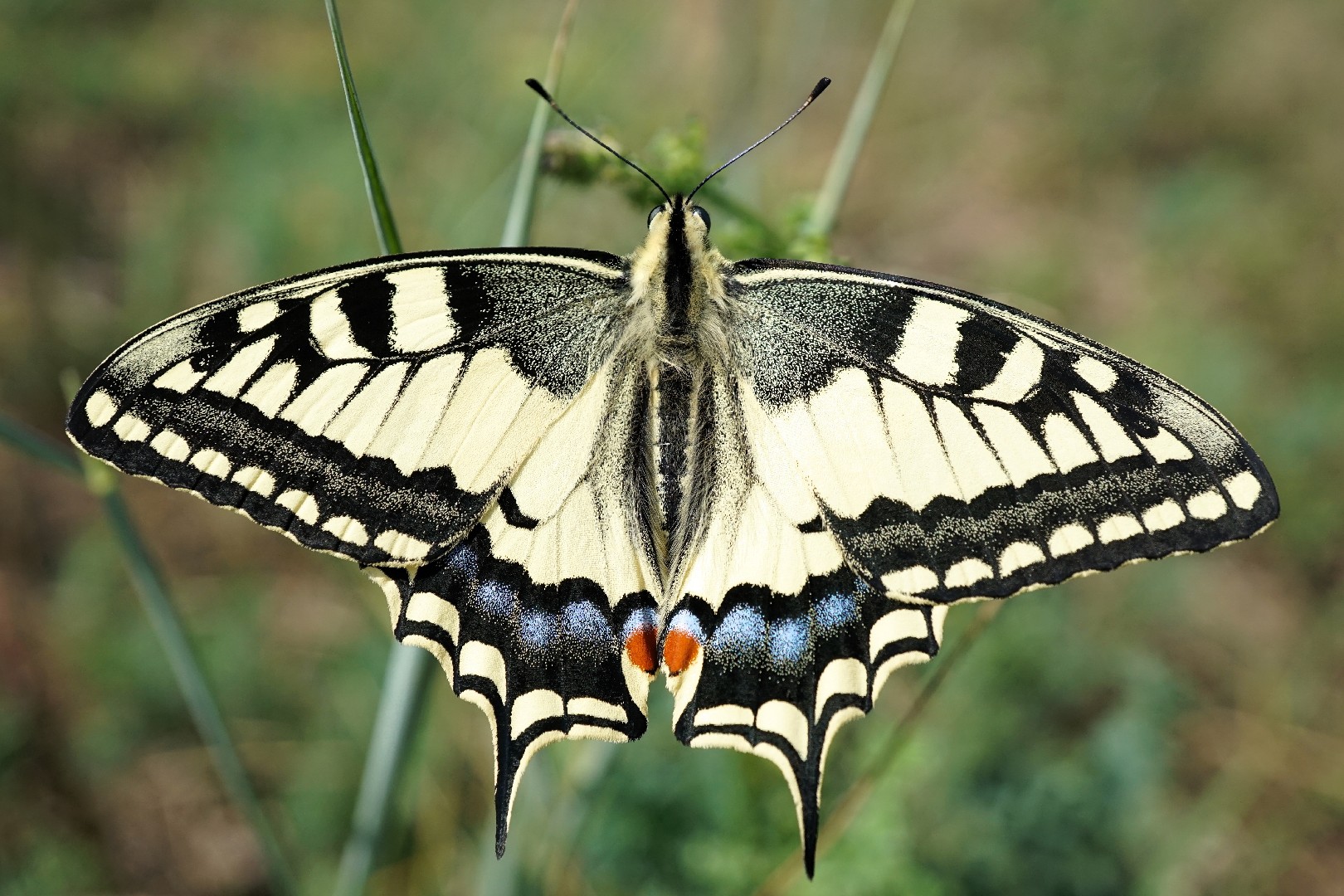
6. Old World swallowtail
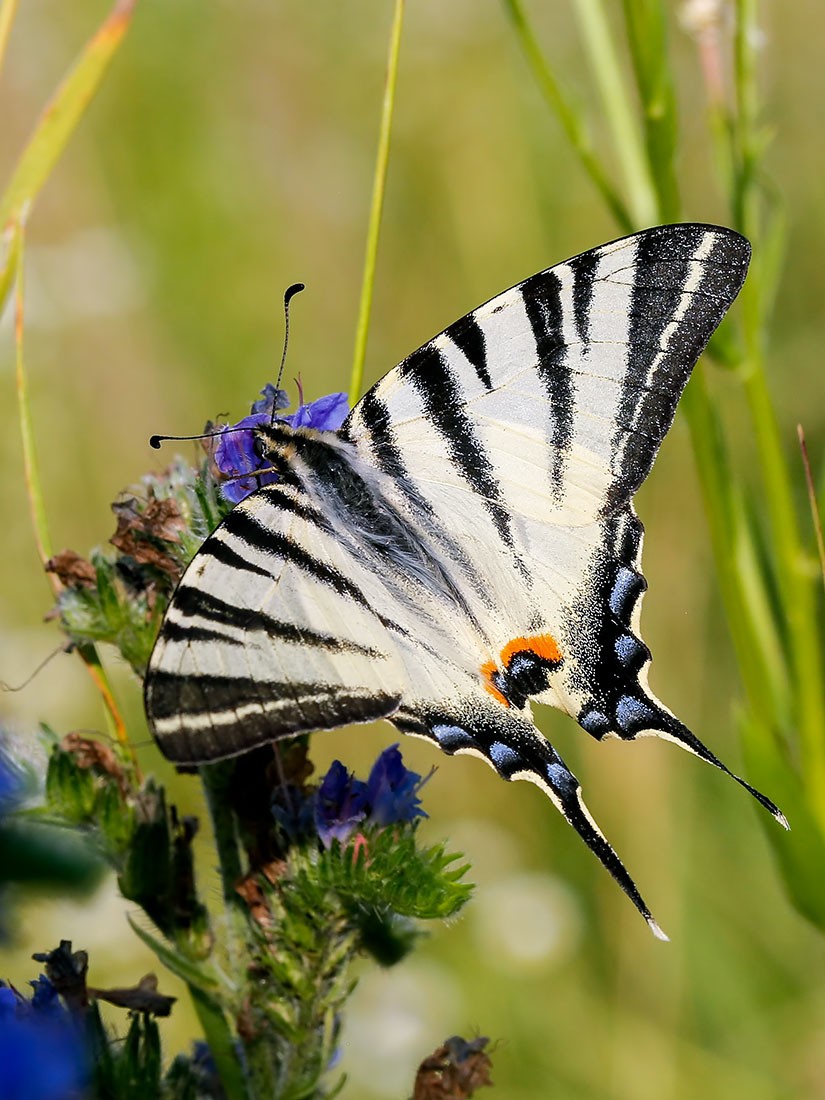
The old World swallowtail (Papilio machaon) is commonly just called the "swallowtail," giving it the added title of "old world" to distinguish it and remind us that it comes from the "old world" (Asia, Africa, Europe). The upper side of them is a beautiful combination of pure white with black striping, the underside being a brownish version of the same thing. There is blue and two red dots on its back side.
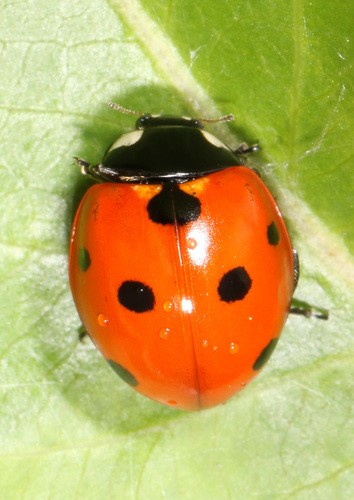
7. Seven-spotted ladybug
Seven-spotted ladybug (Coccinella septempunctata), known in North America as the "seven-spotted ladybug," is the most common species of ladybird in Europe and the official state insect of five U.S. states. While not native to North America, it has established itself there after being introduced to control aphid populations. Its bright coloring deters predators, and it may also play dead or secrete foul-smelling liquids to discourage consumption.
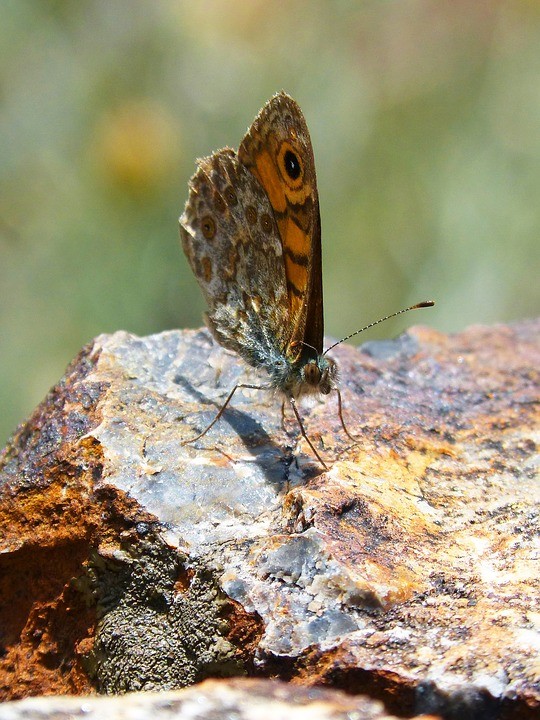
8. Wall brown
P. megera L. [— xiphie Boisd. pt (45d). Above reddish yellow, with a black mark which traverses the distal band from the cell of the forewing to the abdominal margin of the hindwing, short black stripes crossing the disc and the cell of the forewing.
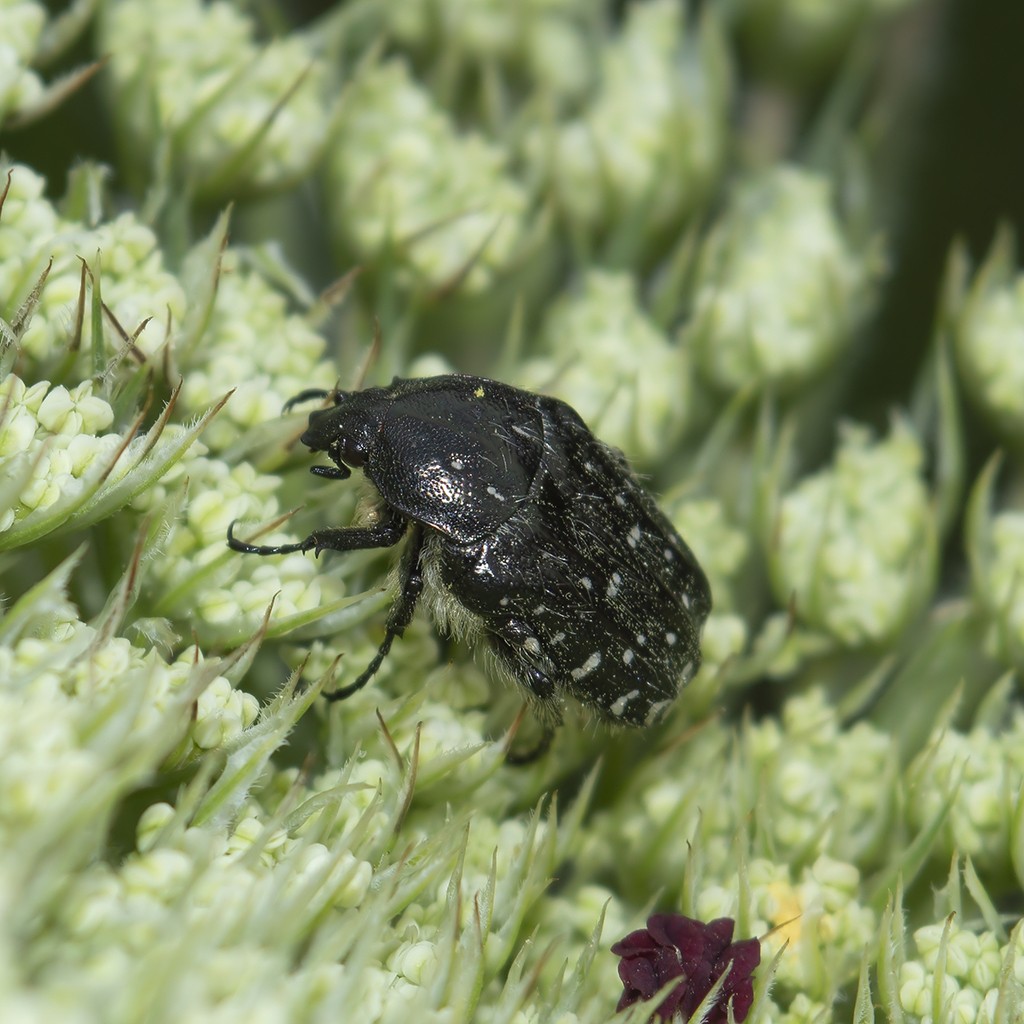
9. White spotted rose beetle
Unique for its black coloring with white spots, the white spotted rose beetle has spread across Europe and into Asia by hitching a ride on traded plants. It's a voracious eater that consumes many parts of plants in addition to pollen and nectar, so some label it as a garden pest.
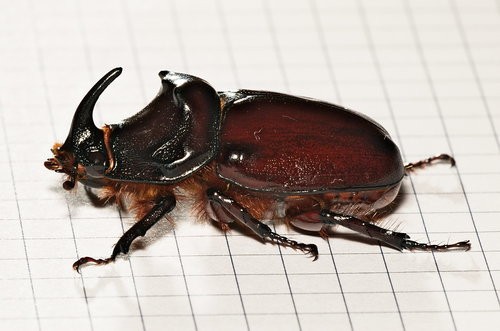
10. European rhinoceros beetle
The european rhinoceros beetle (Oryctes nasicornis), also called an "elephant beetle" and a "Hercules beetle", has a massive horn-like structure in the front. This bug is well-known because Dim from A Bug's Life is a european rhinoceros beetle. The males use their horns for fighting over food and over females. However, this species is actually harmless and only feeds on plants.
More







