




Top 20 Most Common Insects in Pakistan
Insects, nature's remarkable organisms, thrive in every corner of Pakistan, from mountainous terrains to fertile plains. Their diversity is shaped by varying climates, ecosystems, and, to some extent, human intervention. As we delve into the Top 20 most common insects, we'll uncover a captivating narrative binding Pakistan's environments with its insect inhabitants, exploring their roles as both pests and beneficial actors.

Most Common Insects
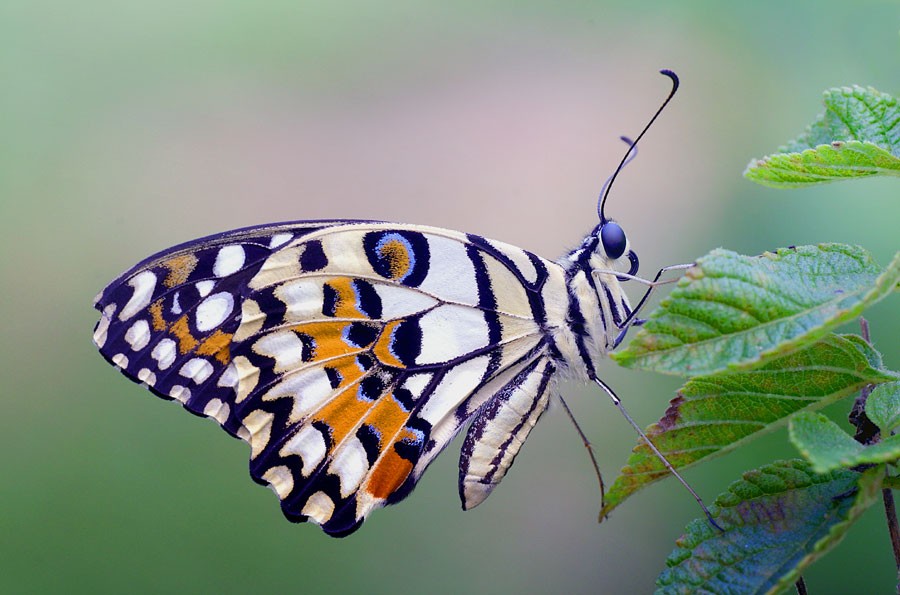
1. Lime swallowtail
The lime swallowtail (Papilio demoleus) has a beautiful black and white pattern, but it's considered a major pest to citrus trees. It feeds on nearly any type of citrus, including oranges and limes. This butterfly's small, green larvae are capable of defoliating an entire nursery grove. They are truly trouble makers in the citrus orchard.
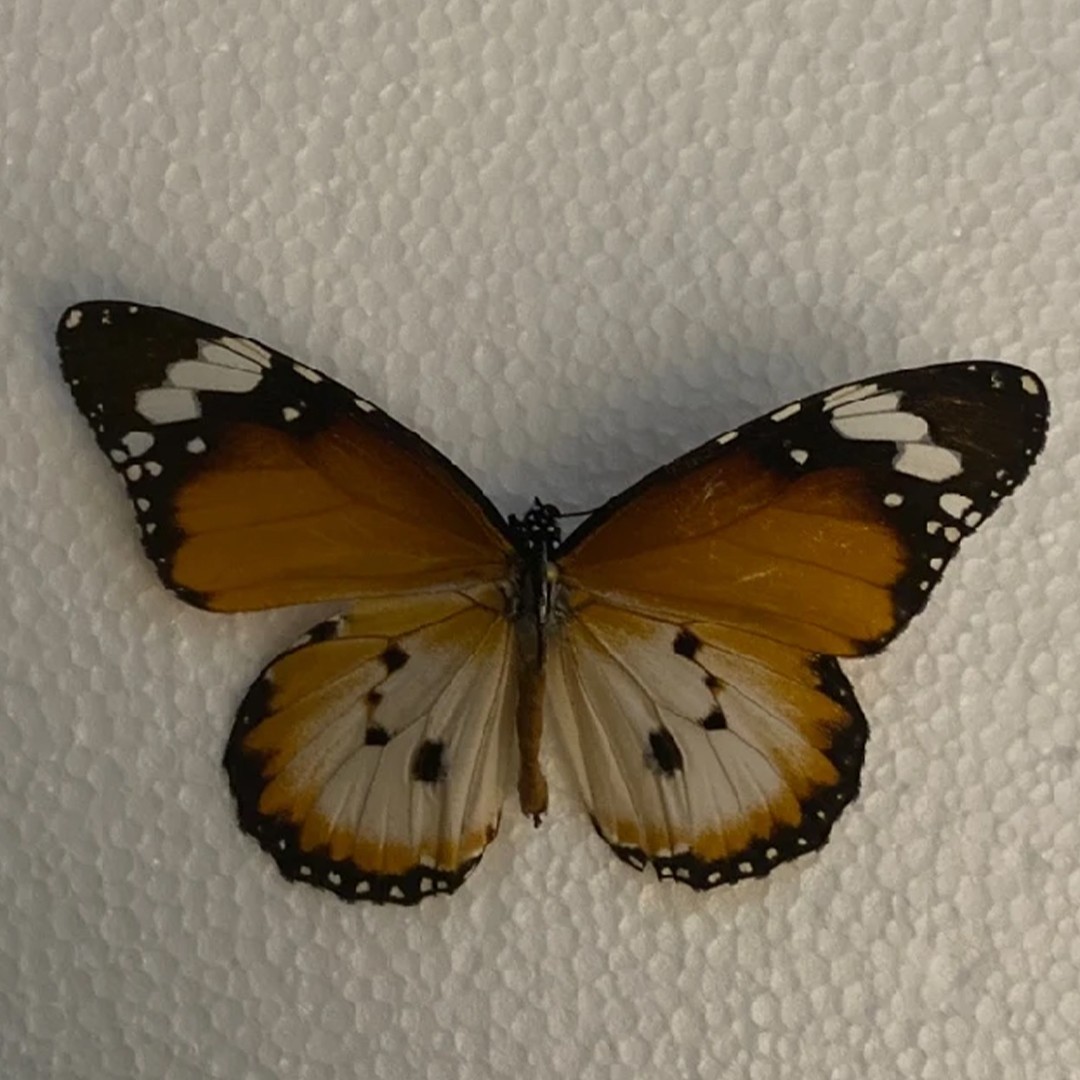
2. Plain tiger butterfly
D. chrysippus is a medium-sized butterfly with a wingspan of about 7–8 cm (2.8–3.1 in). The body is black with many white spots. The wings are orange, the upperside brighter and richer than the underside. The apical half of the forewing is black with a white band. The hindwing has three black spots in the center. The wings are bordered in black and outlined with semicircular white spots. This species exhibits slight sexual dimorphism, as the Male has large scent glands on his hindwings, which the female lacks. They appear as a large black spot with a white centre if viewed from the underside D. chrysippus is a polymorphic species, so the exact coloring and patterning vary within and between populations. It is similar in appearance to the Indian fritillary (Argynnis hyperbius), which may coexist with it. 
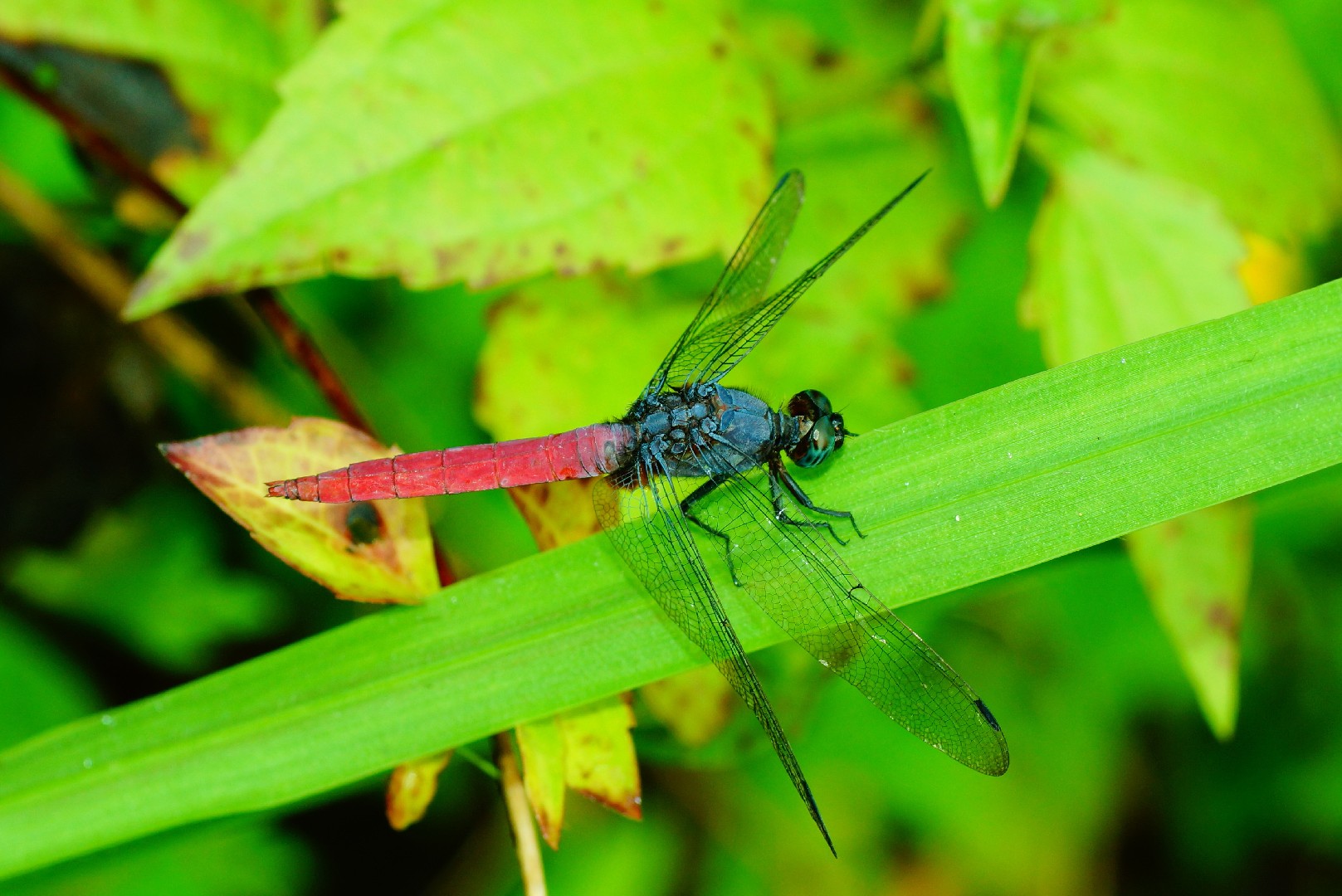
3. Crimson-tailed marsh hawk
The species is on the IUCN Red List as not endangered, year of assessment 2010.
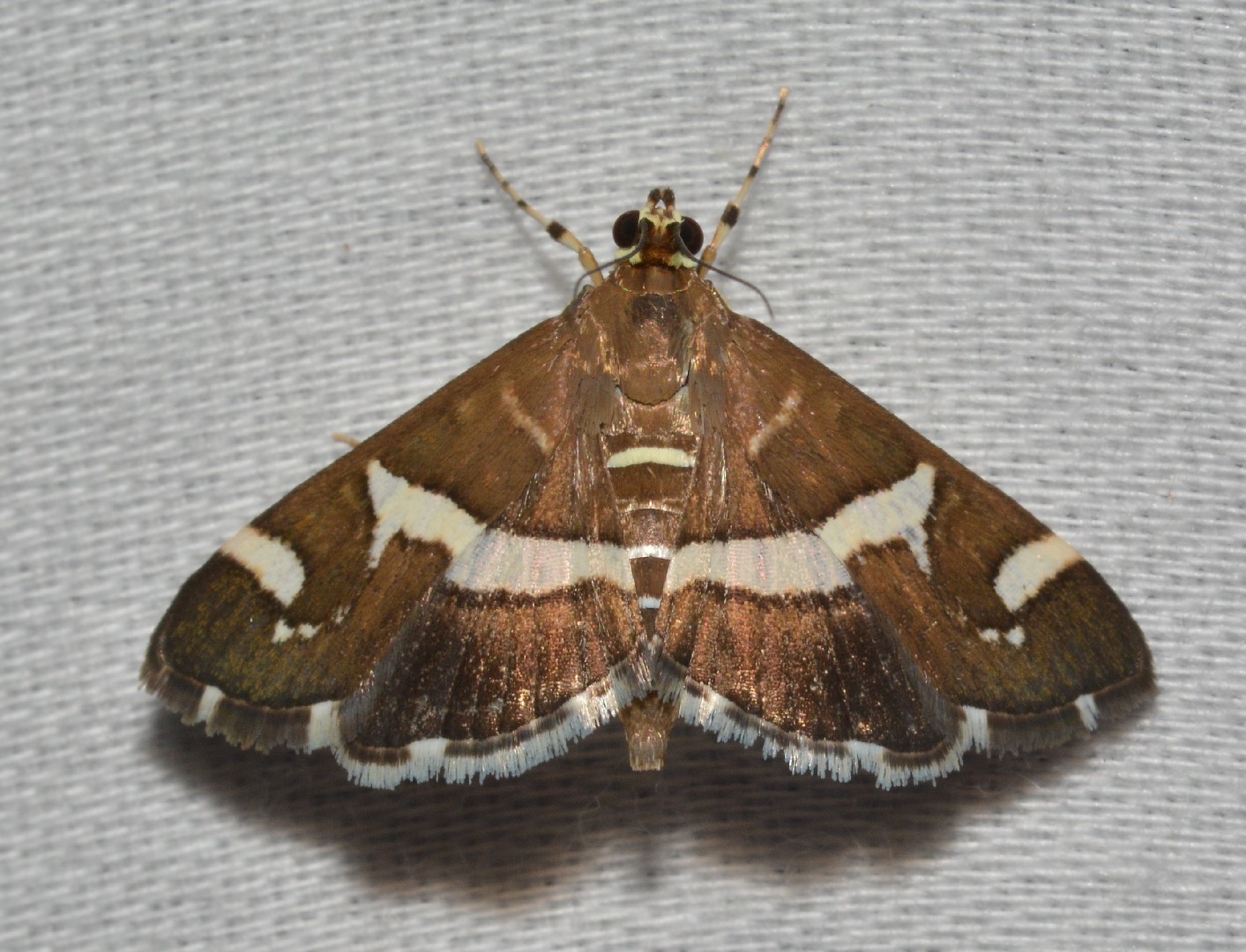
4. Hawaiian beet webworm
The wingspan is 2 - 2.5 cm.
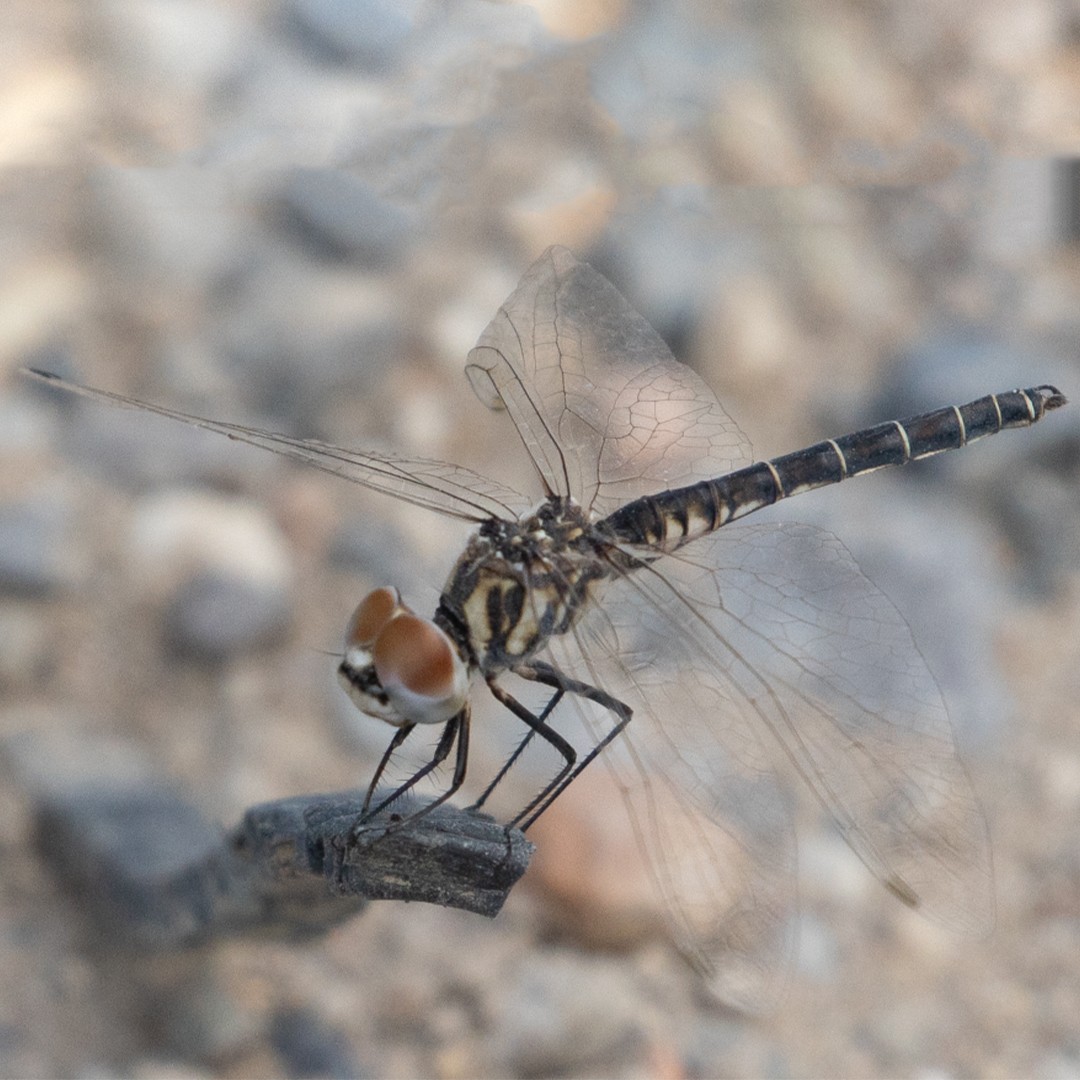
5. Black pennant
Selysiothemis nigra, the black pennant, is a monotypic species of dragonfly in the family Libellulidae. It occurs in Central Asia and the Middle East. In Europe it is mostly confined to the coastal areas of the Mediterranean and the Black Sea.
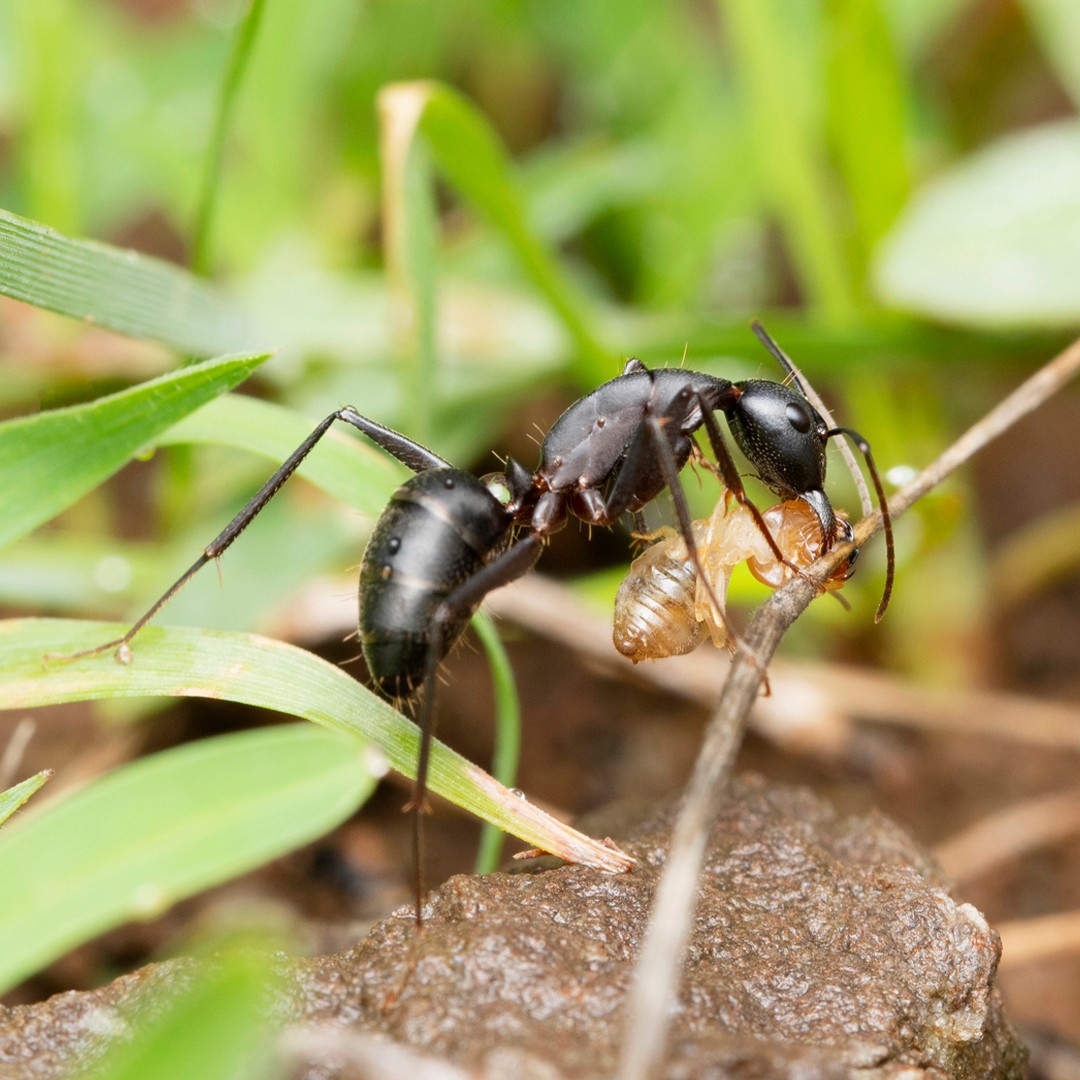
6. Indian black ant
Camponotus compressus is a type of ground-nesting species of ant found in India and Southeast Asia. It is a frequent visitor to toilets as it consumes urea. It is one of the many species which tends plant-sap-sucking insects like aphids and tree hoppers. They add nutrients into the soil through their discarded waste piles These ants stroke their antenna on the hind parts of these insects stimulating them to excrete a sugar rich liquid, called honeydew, which the ants consume. In return, they are known to protect the insects from predators like ladybugs.
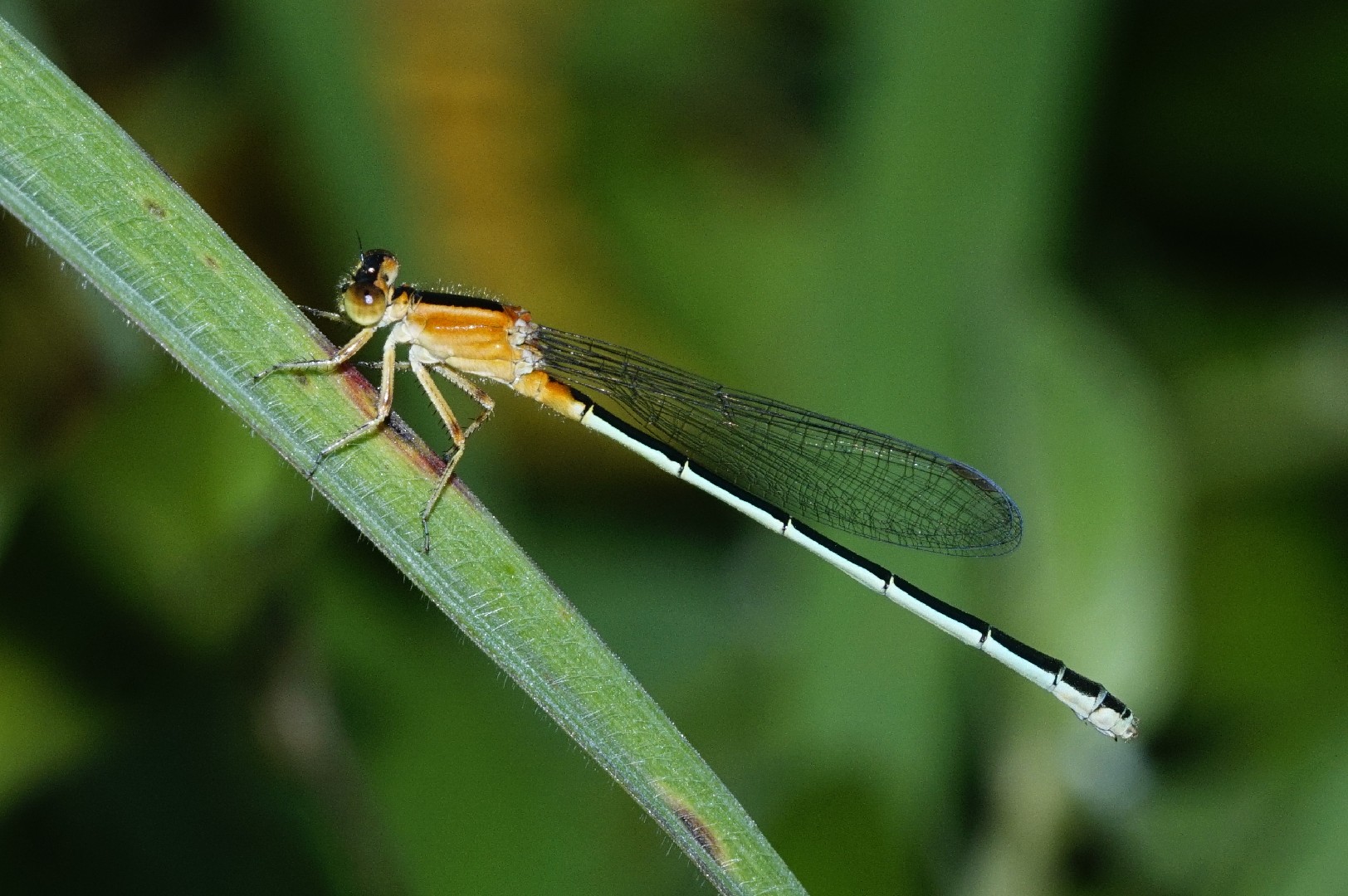
7. Common bluetail
The Senegal Pechlibelle (Ischnura senegalensis) is a dragonfly from the family of the slender dragonflies (Coenagrionidae).
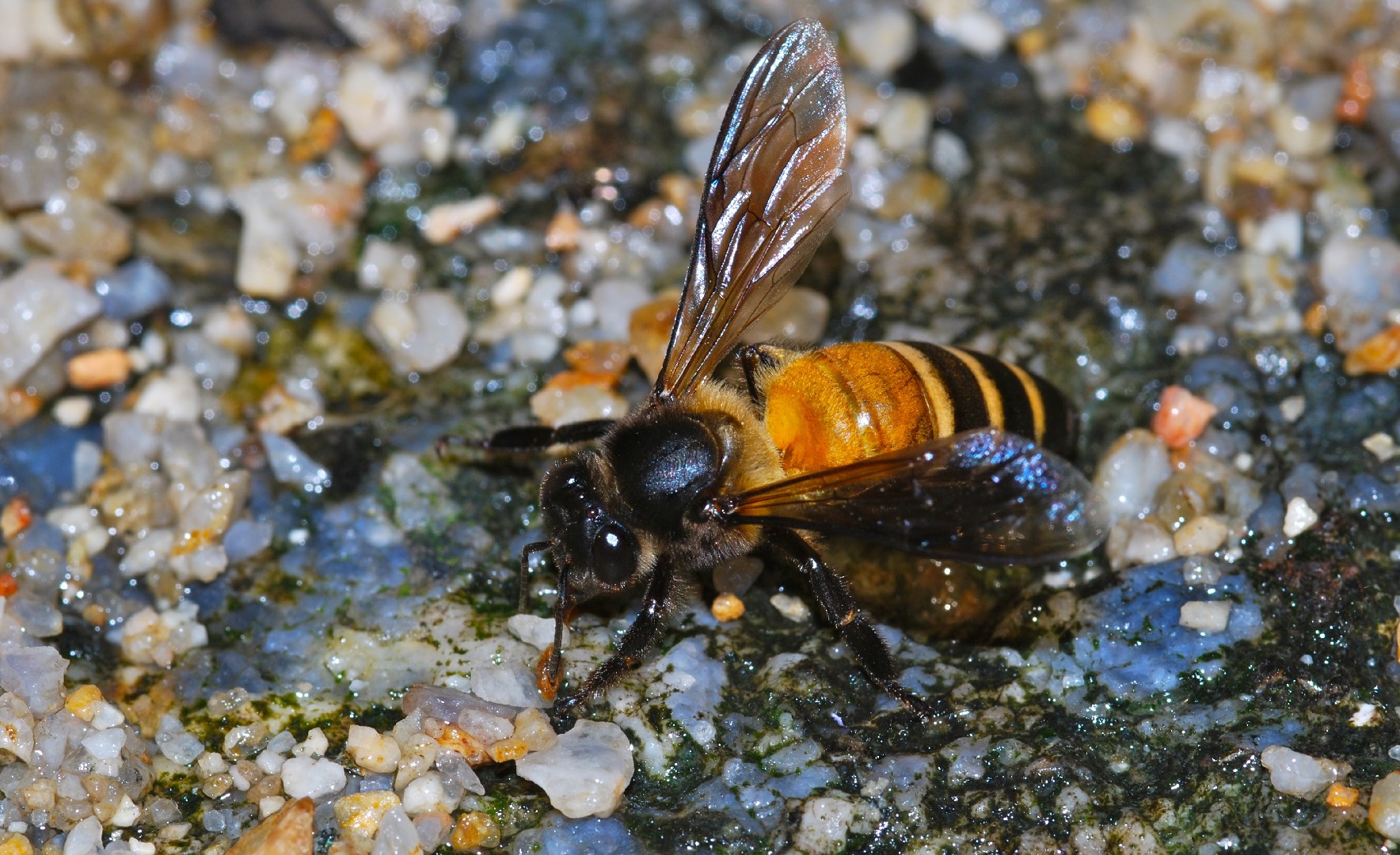
8. Giant honey bee
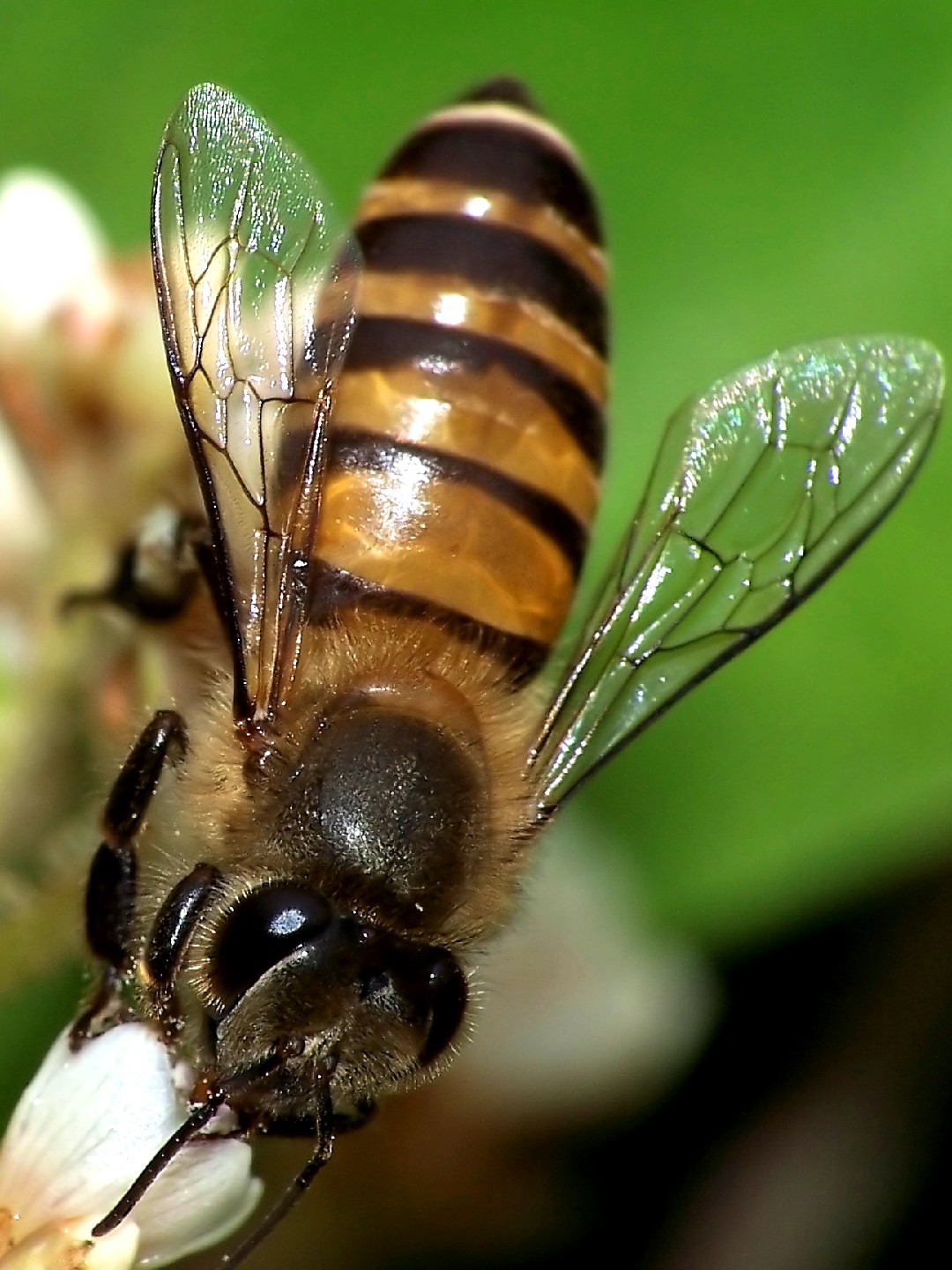
The giant honey bee (Apis dorsata) is incredibly defensive of their territory. This may be related to humans' honey hunting, where honey is stolen from wild bees. Their nests are built from high, overhanging locations. Much like humans, they are unlikely to build onto an old building due to safety issues. Their nests need to be sturdy, as a colony can reach up to 100 thousand workers.

9. Scarlet skimmer
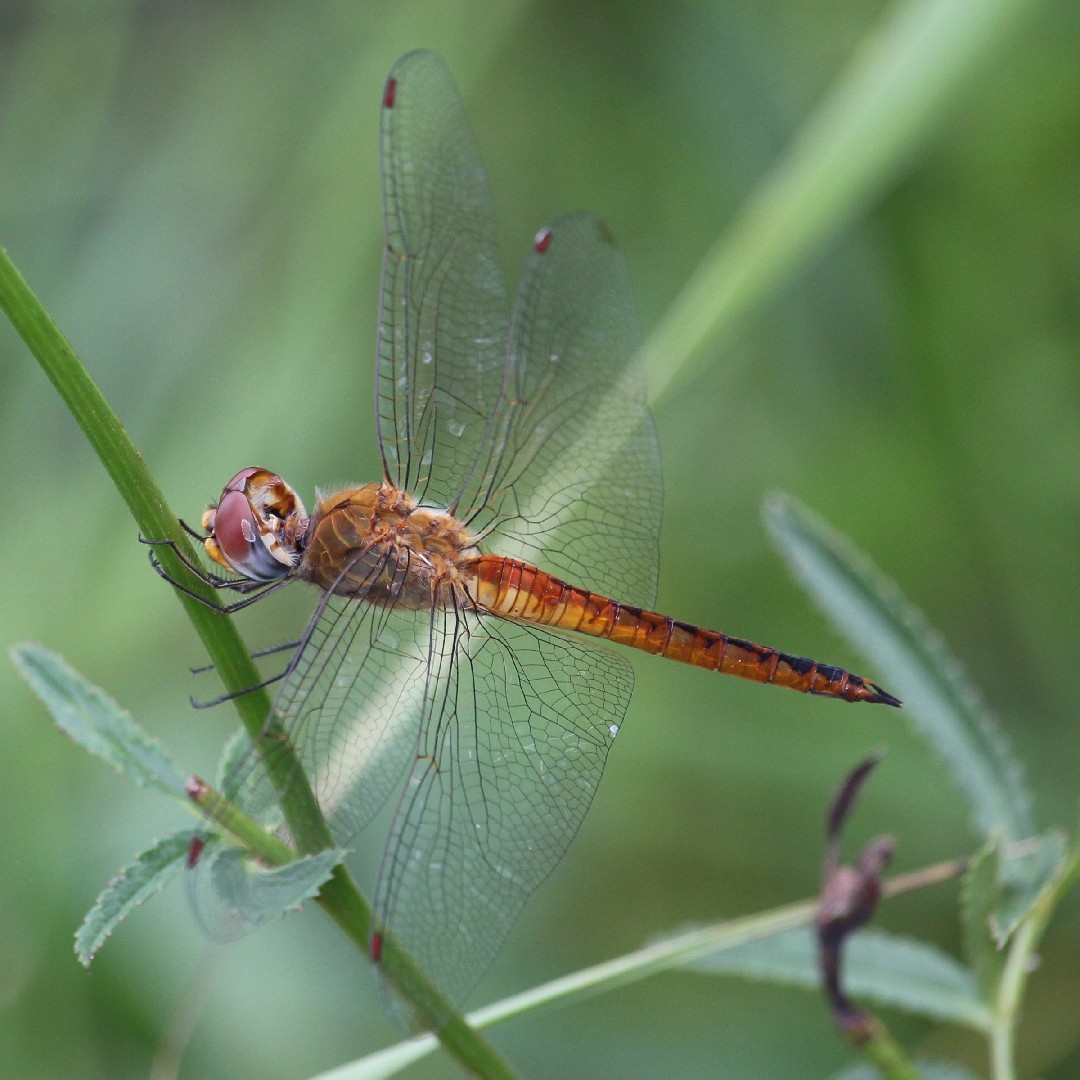
The species is on the IUCN Red List as not endangered, year of assessment 2009.
10. Keeled skimmer
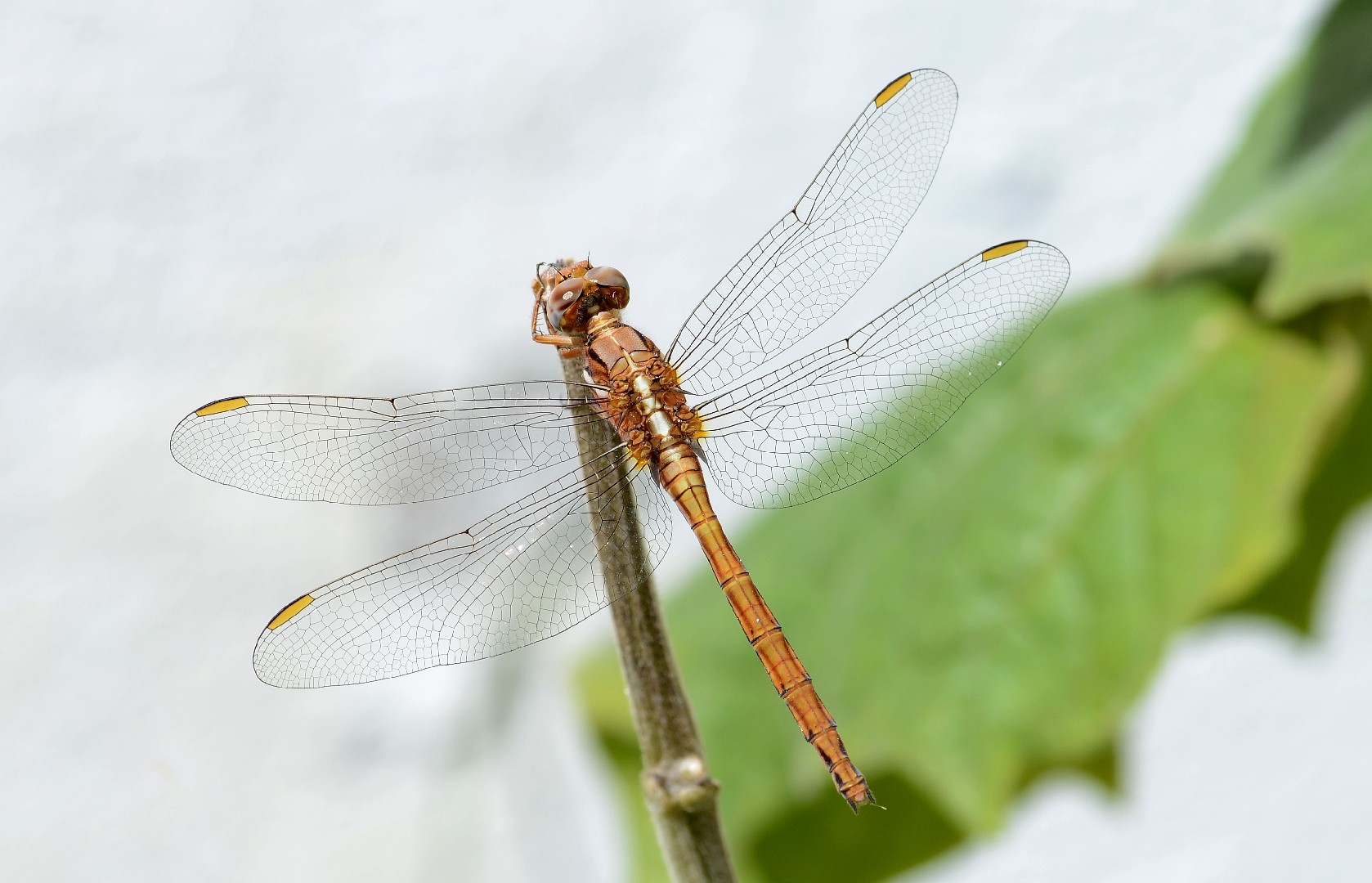
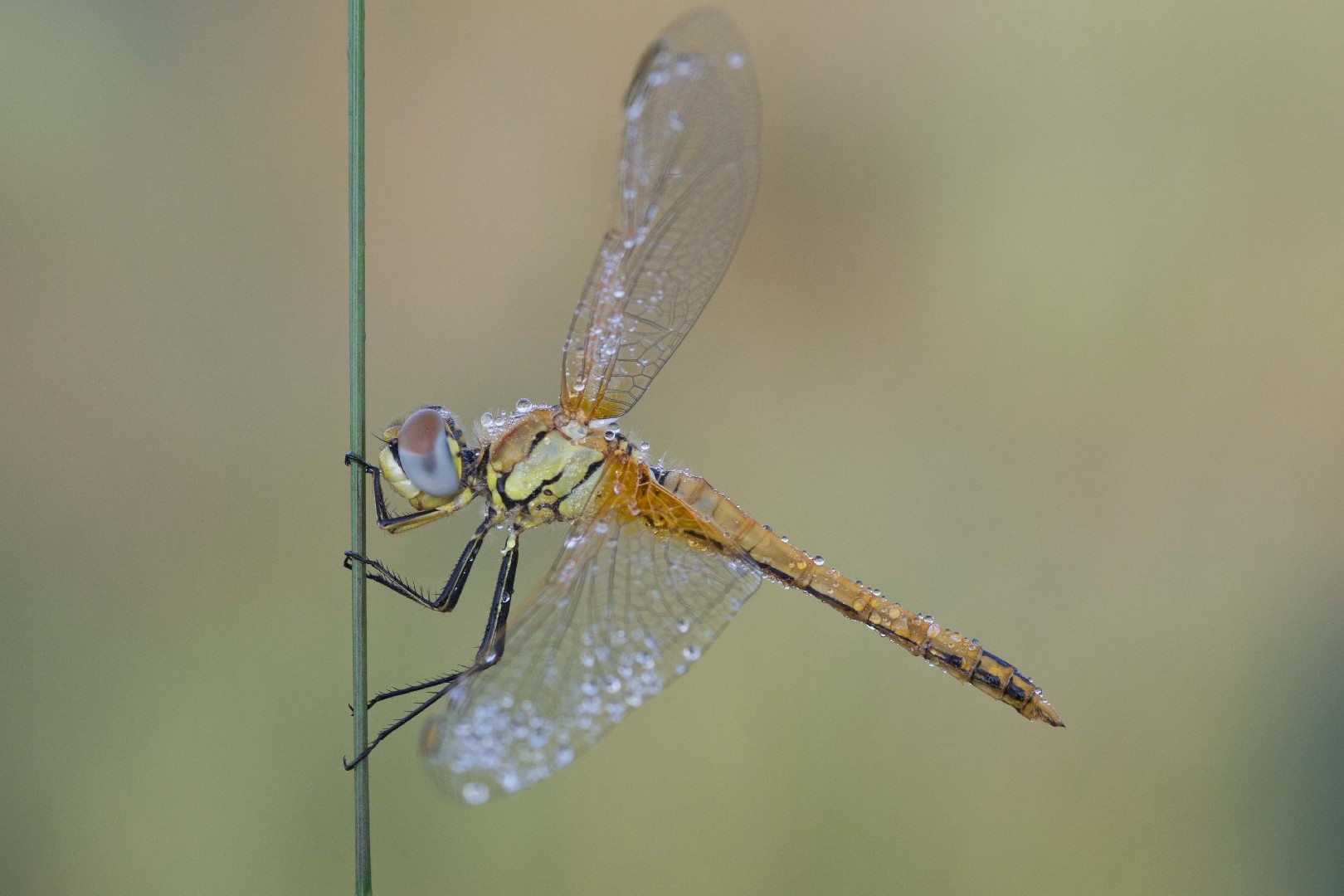
Orthetrum coerulescens can reach a body length of 4 - 4.5 cm. These dragonflies have a thorax with pale yellow ante-humeral stripes. In the males the color of these stripes fades with age. The abdomen is rather slim and shows an evident dorsal keel. Males have blue-grey eyes and a blue pruinescence on the abdomen, developed with age. Young males are yellow-brown. On the contrary some (androchrome) females at the end of the reproductive cycle assume the bluish color of the male. In the female the abdomen is yellowish-brown, with a thin median black line and small transverse lines to the connections of the various segments. The hyaline wings have yellow costa and a long yellow-brown pterostigma (about 4 mm). This species resembles the black-tailed skimmer but is smaller and slimmer and the male has no black tip. Females and immature males lack the black abdominal pattern.
More







