




Top 20 Most Common Insects in Porto
Insects, fascinating creatures with distinguishing features, inhabit various environments within Porto. The specific landscapes within this region heavily influence the insect diversity. Understanding these bugs better helps us appreciate their fundamental roles in our ecosystem - as pests shaping our environment, and beneficial insects contributing to our survival. Discover the top 20 most common insects of Porto and unveil the symbiosis between landscapes and their resident bugs.

Most Common Insects
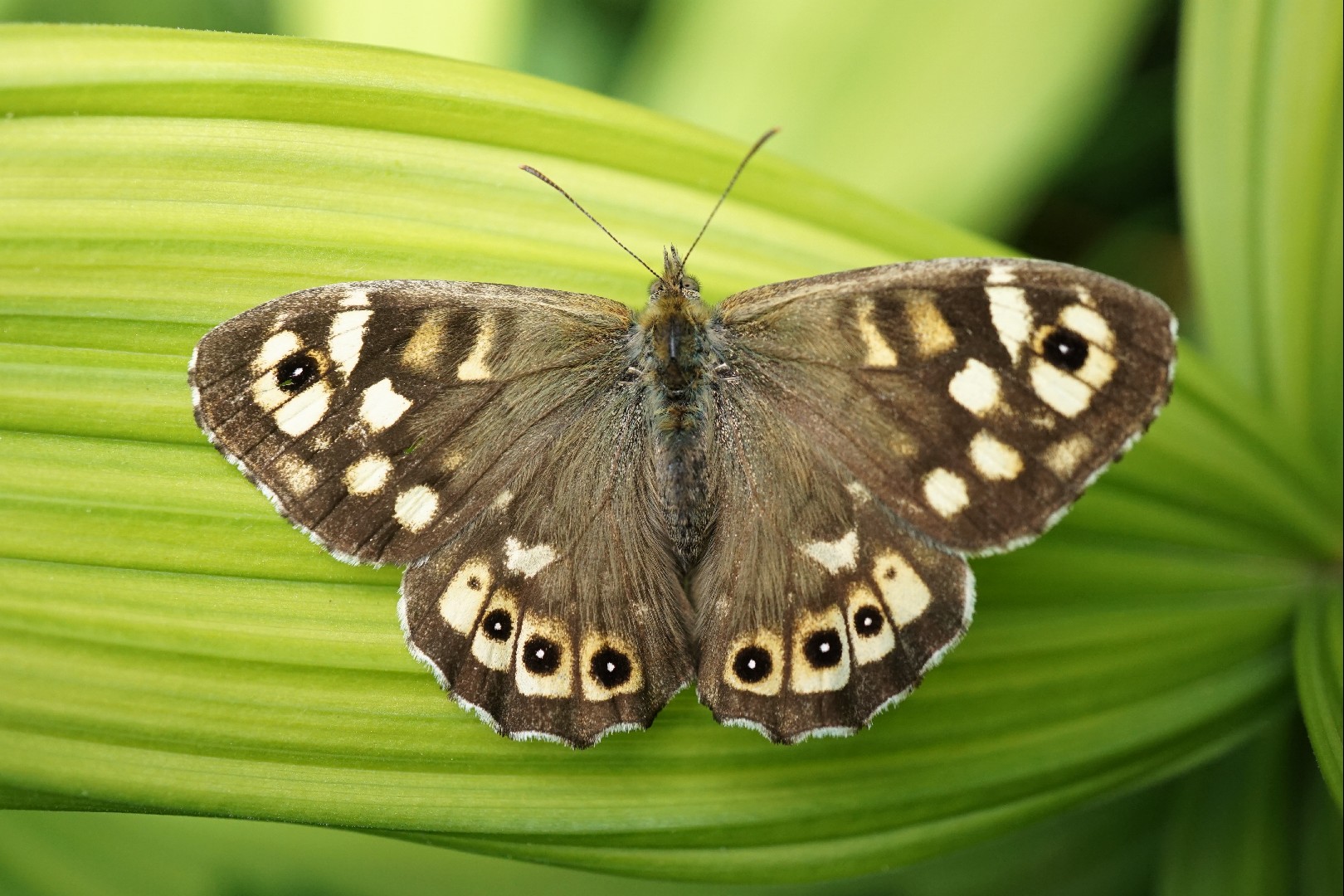
1. Speckled wood
The speckled wood (Pararge aegeria) prefers to live in damp, dark woodlands. Unlike other butterflies, it's more active in shadier habitats rather than sunny ones. Males often fight over a perch, spiraling up to the treetops until they determine a winner. These perches are where the males find passing females.
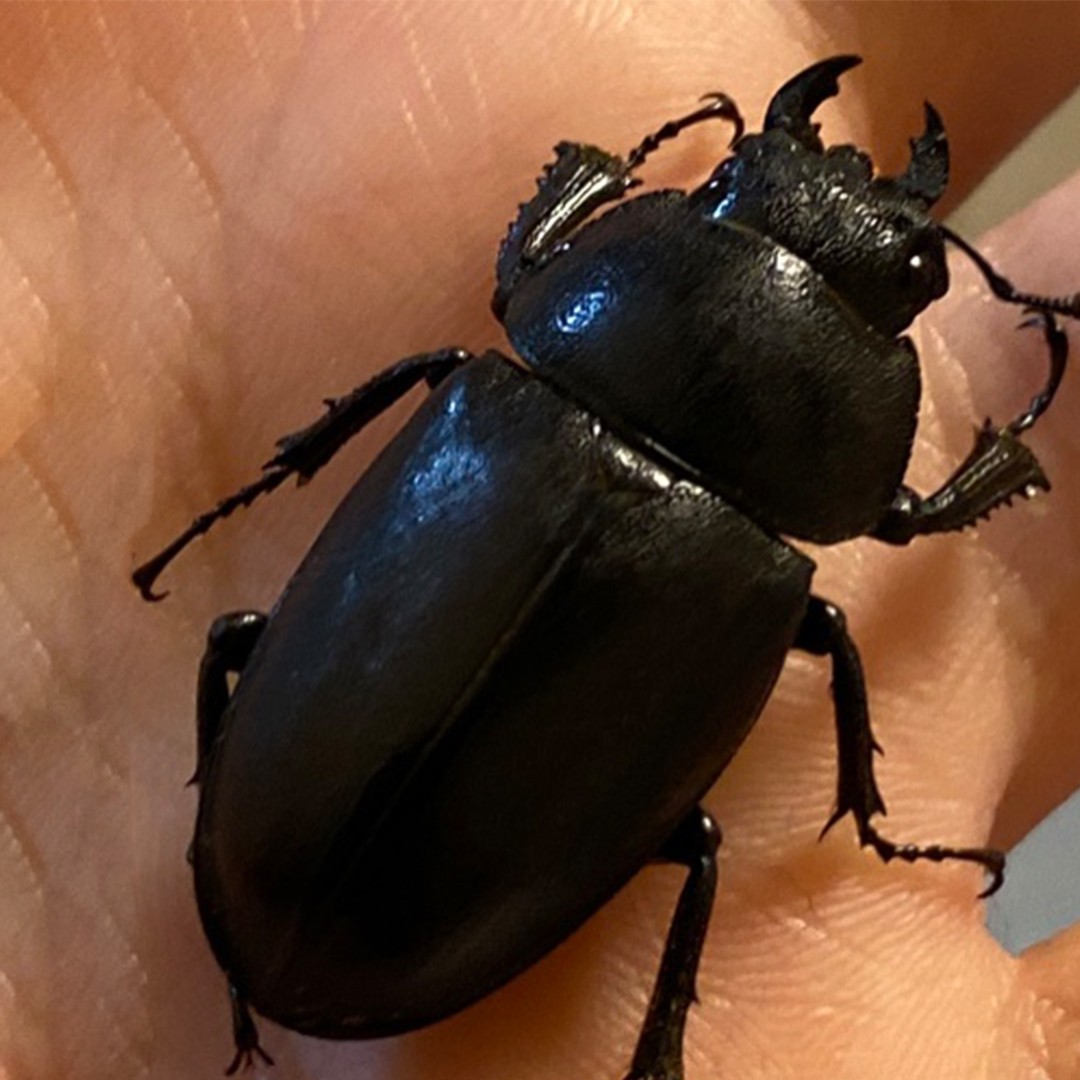
2. Greater stag beetle
The greater stag beetle ( Lucanus cervus ) is popular with insect lovers. The male individual is known for the impressive jaws that look like antlers of a deer. In contrast, females do not have jaws and are much smaller. The adults feed on juices and tree saps while the larvae eat wood. By the way, greater stag beetles are considered a pest in the Middle East where they dig into the root systems of date palms, affecting the date crop.
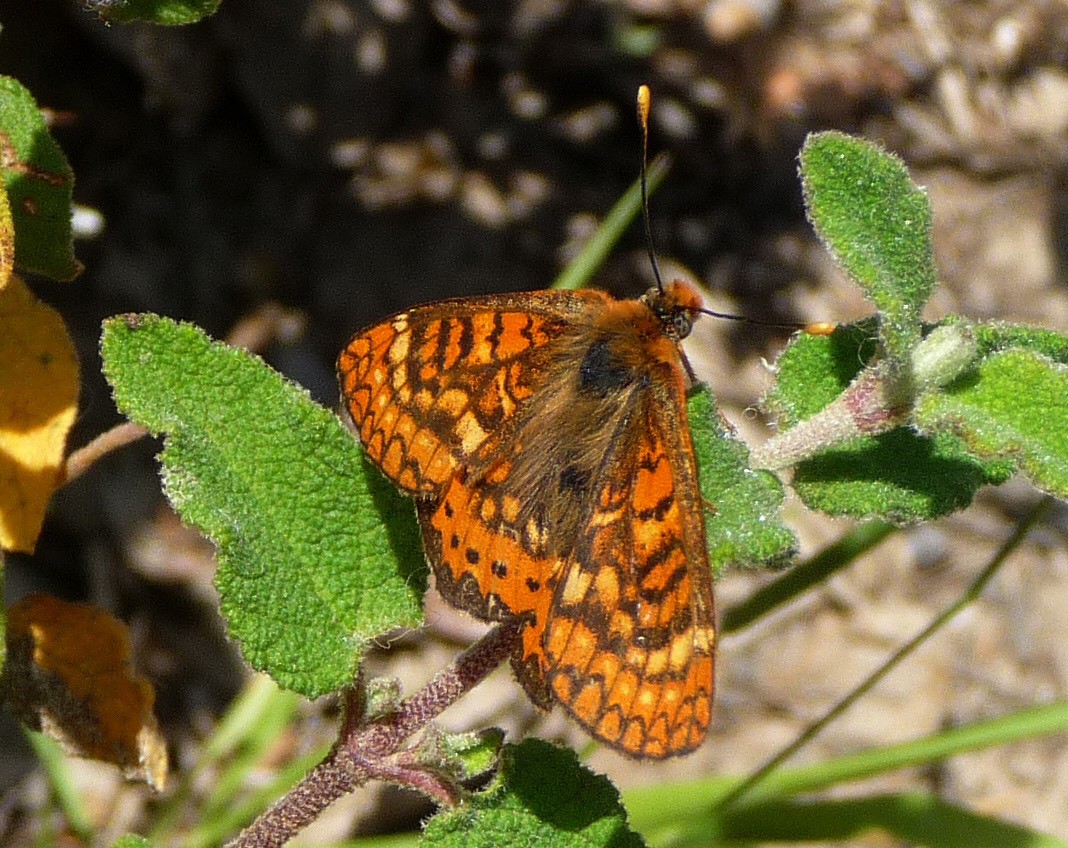
3. Marsh fritillary
Euphydryas aurinia has a wingspan of 30–42 millimetres (1.2–1.7 in) in males. The females are usually larger than the males, with a wingspan of 40–50 millimetres (1.6–2.0 in). These small butterflies are variable in markings and colouration, with many forms and subspecies. The adult butterflies usually show a chequered pattern of brown, orange, and yellow markings. Silver markings are present on the hindwing edge. The underside of the wings is patterned with yellow, orange, and brown without any silver colouration at all. The eggs are yellow, and easily identified because of the large batch size. The larvae are black. 
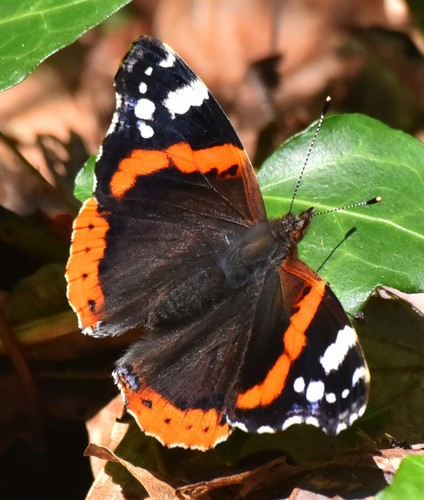
4. Red admiral
Red admiral (Vanessa atalanta) is a visually striking species of butterfly. Unusually territorial, males will compete for choice areas, and females will only mate with males that maintain their own territories. This butterfly is known for being particularly patient with human interactions, even to the point of perching on clothing or flesh.
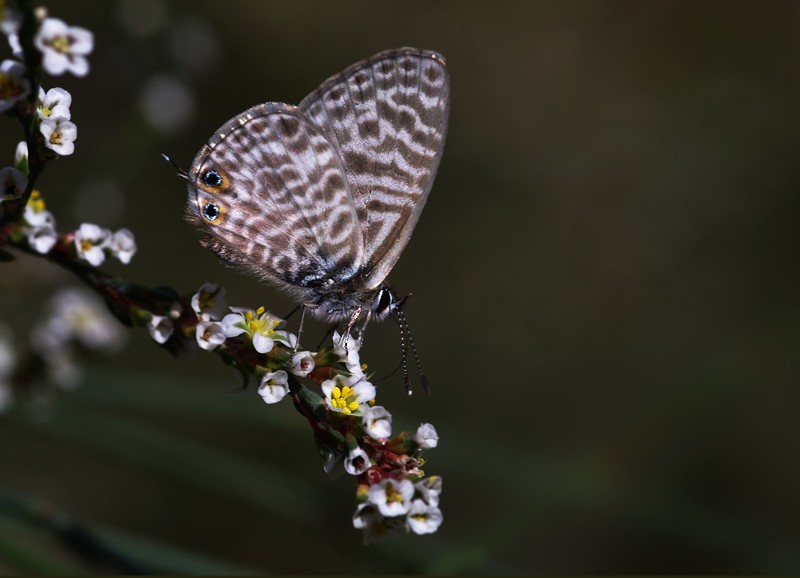
5. Lang's short-tailed blue
Leptotes pirithous is a small butterfly with a wingspan of 21–29 mm in males and 24–30 mm in females. The uppersides of the wings are purple bluish in males, bluish brown in female. The undersides are dark beige striped with white lines. The hindwings show marginal orange and black spots and two small tails.

6. Lesser stag beetle
The lesser stag beetle (Dorcus parallelipipedus) is like the small counterpart of the famous Stag beetle. Its jaws aren't quite as massive, but they are still strong and sharp. However, its jaw rarely clamps down hard enough to harm a human. Both adults and larvae can be found in decaying wood since that's what the larvae feasts on.
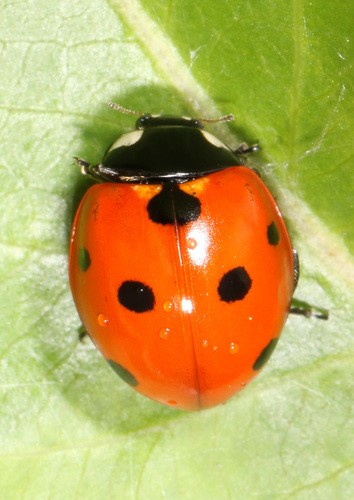
7. Seven-spotted ladybug
Seven-spotted ladybug (Coccinella septempunctata), known in North America as the "seven-spotted ladybug," is the most common species of ladybird in Europe and the official state insect of five U.S. states. While not native to North America, it has established itself there after being introduced to control aphid populations. Its bright coloring deters predators, and it may also play dead or secrete foul-smelling liquids to discourage consumption.
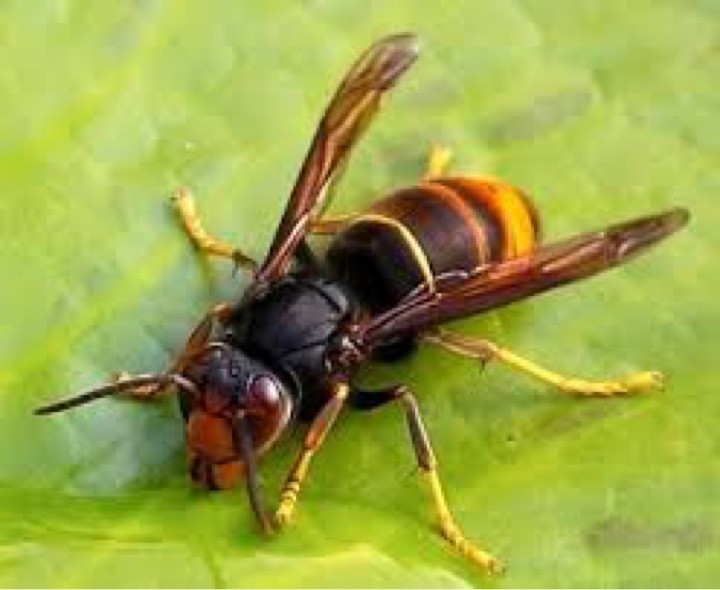
8. Asian hornet
The asian hornet (Vespa velutina) is a predatory species, preying primarily on deceased animals and arthropods, including honey bees. Because of this, it's a major pest for the beekeeping industry, weakening and destroying honey bee hives. The females have a stinger that can inflict pain on humans, but the males do not.
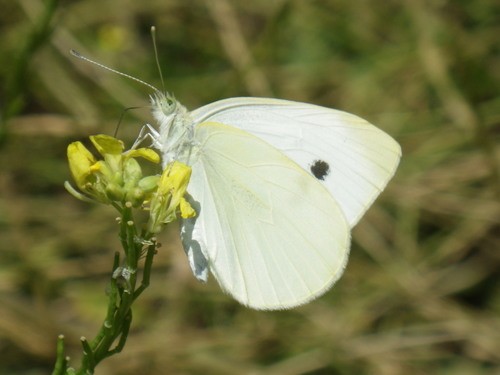
9. Cabbage white
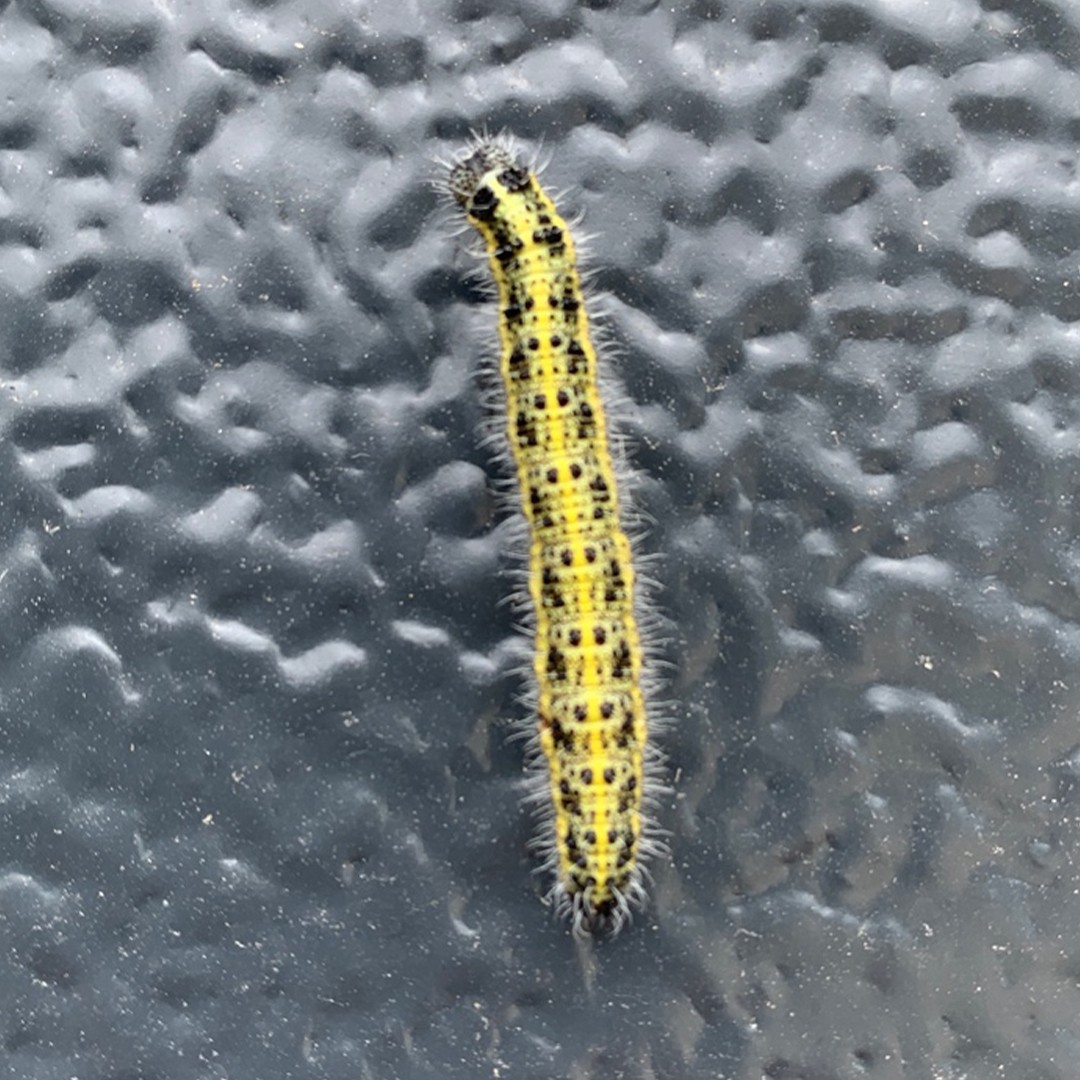
Cabbage white (Pieris rapae) derives its common name from its habits as a caterpillar, which is a ferocious pest for cabbage, kale and broccoli farmers. In North America, it is one of the first butterflies to emerge in spring, heralding the beginning of the season.
10. Western honey bee
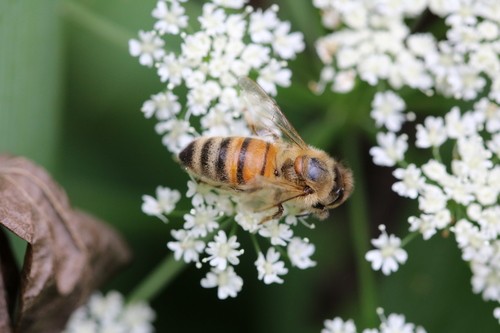
Western honey bee(Apis mellifera) is the most common species of honeybee in the world. Among the first domesticated insects, its cultural and economic impact on humanity has been vast and far-reaching, providing honey, wax and its services as a pollinator. Western honey bee faces challenges worldwide, such as colony collapse disorder, and populations are thought to be decreasing.



More







