




Top 17 Most Common Insects in Saint Lucia
Insects, nature's smallest creatures with distinct features like exoskeletons and compound eyes, abound in variety across Saint Lucia's diverse landscapes. The assortment of these species is dictated by climate, geography, ecosystem, and human influences. These factors spark not only a fascinating insect diversity but also shape the intricate relationship between these critters, their beneficial roles and pest potential in Saint Lucia. Stay tuned as we explore the 17 most common insects in this region!

Most Common Insects
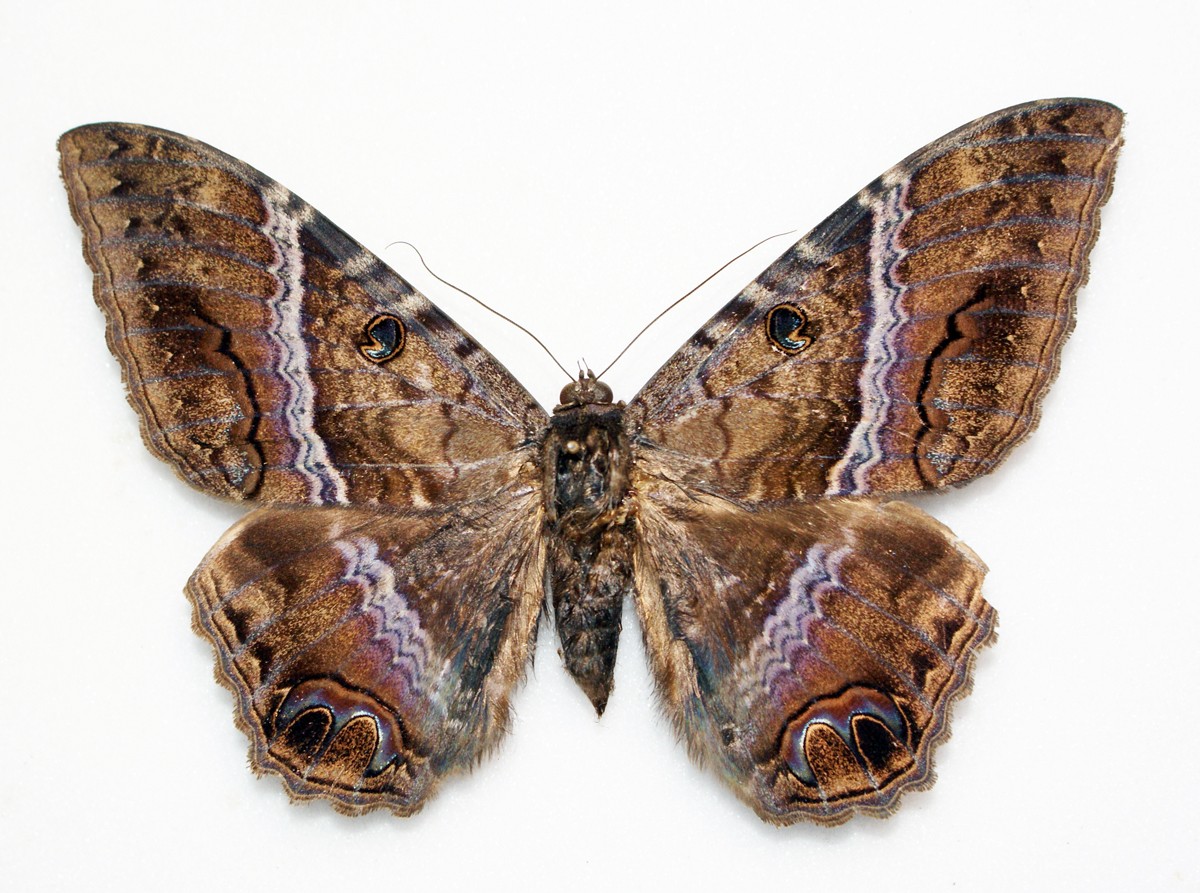
1. Black Witch
The black Witch (Ascalapha odorata) is given this spooky name because its part in folklore being associated with misfortune or death. In the novel, The Silence of the Lambs, they were placed in the mouths of the victims of Buffalo Bill. They can be identified with darker colorings and undertones of purple and pink.
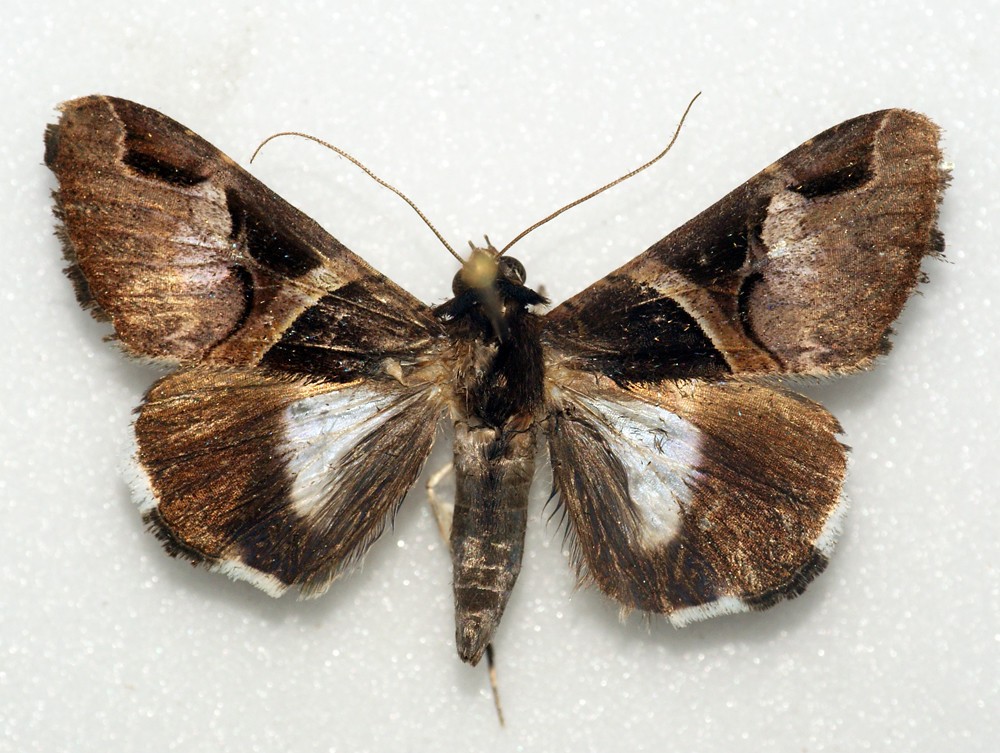
2. Fasciolated melipotis
Melipotis fasciolaris, the fasciolated melipotis or bewitching melipotis, is a species of moth in the family Erebidae. It is found from Georgia and Florida west through Texas to California, south through Central America and the Caribbean to Uruguay. The wingspan is 33–43 mm. Adults are sexually dimorphic, with males having a pale whitish to yellowish diagonal band in the antemedian area of the forewings, while in females the basal area of the forewings is light yellowish-brown. The rest of the forewings is dark brown in both males and females, except for a somewhat lighter subterminal area and a large pale reniform spot. The hindwings are black with a large white basal patch and white stripes along the outer margin in both the anal angle and the apical area. Adults are on wing year-round. The larvae feed on the leaves of Prosopis species. Adults are a pollinator of fetterbush lyonia. 
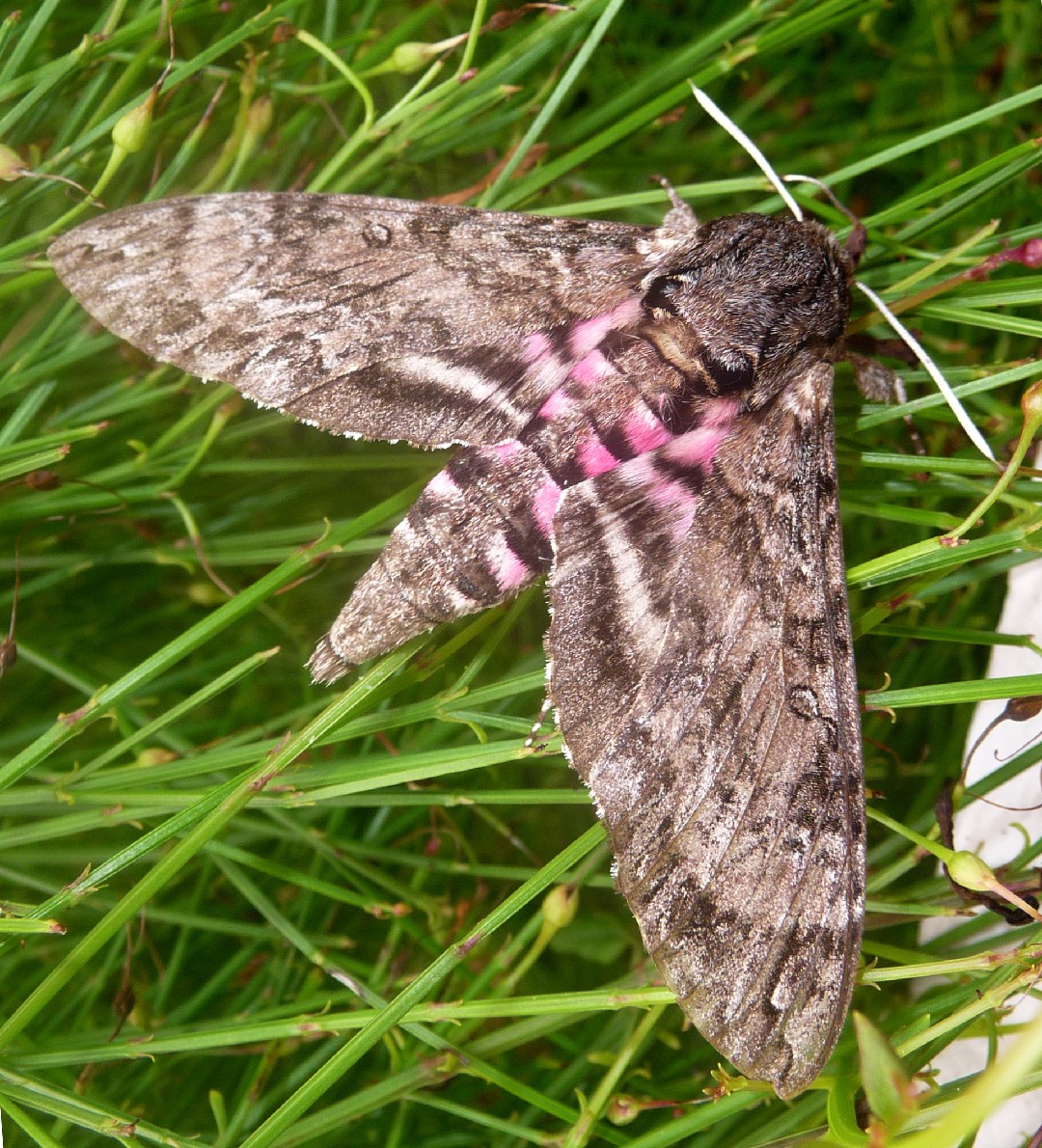
3. Pink-spotted hawk moth
The pink-spotted hawk moth (Agrius cingulata) has a mostly grey body that has pink bands on one side of its body with white spots on the other end. While they do have neat coloring, they aren't all good. Their larva may be considered a pest of sweet potatoes.
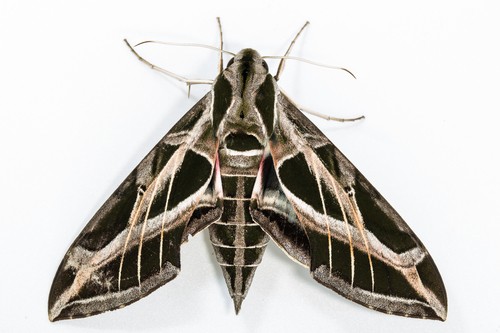
4. Vine sphinx
The wingspan is 9 - 11 cm. It is similar to Eumorpha fasciatus fasciatus but distinguishable by the lack of a pink marginal band on the hindwing upperside and the single straight line on the forewing upperside.
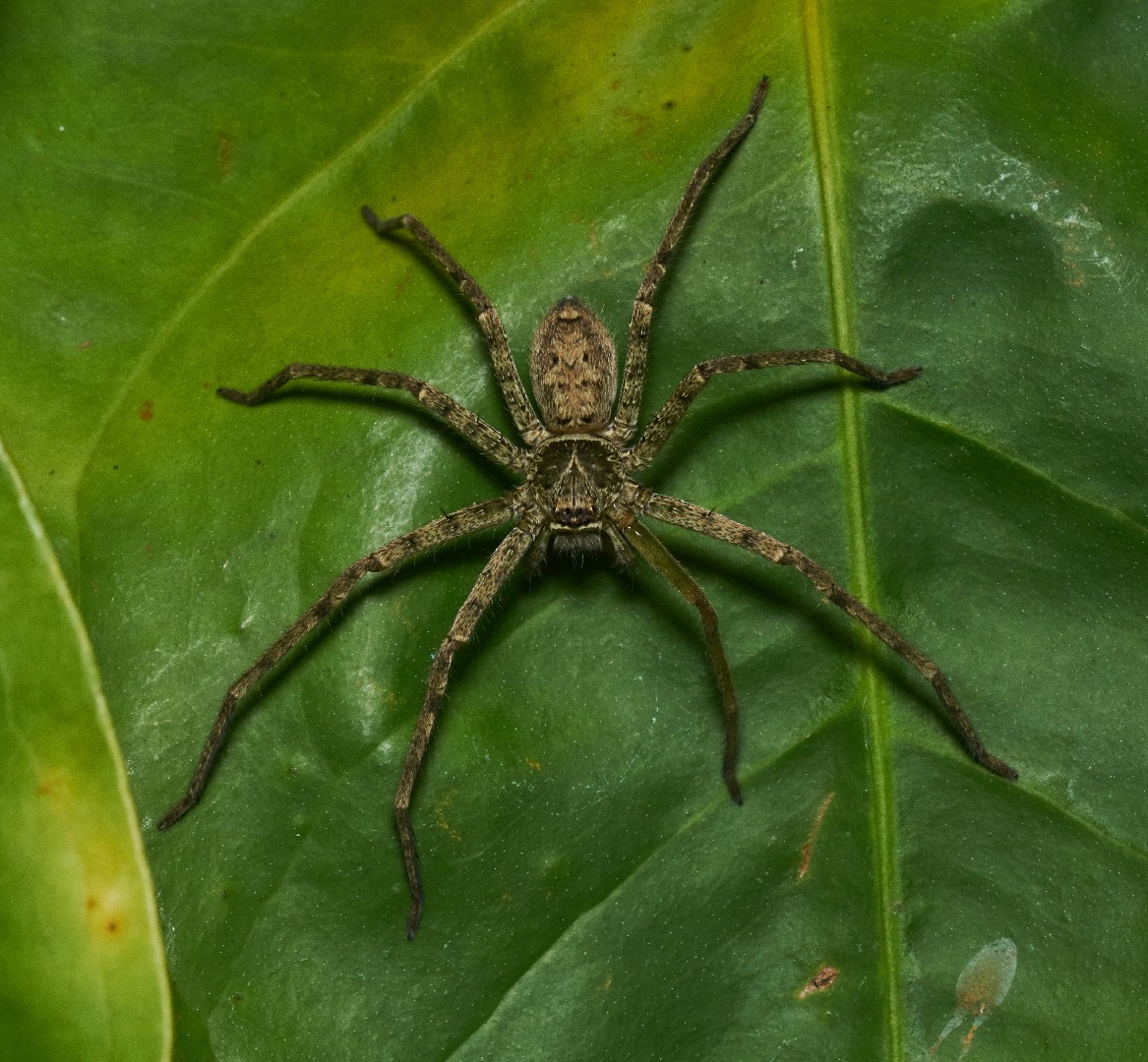
5. Giant Crab Spider
The giant Crab Spider is a large spider native to the tropics; the largest reported individual had a leg span of 30 cm. This cosmopolitan spider is highly valued in some areas, as it's able to catch cockroaches and other indoor pests. Reportedly, it hunts even scorpions and bats. This spider is venomous and sometimes bites humans, but it's considered harmless.
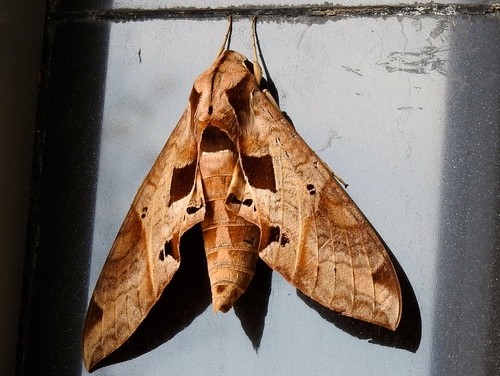
6. Satellite sphinx
The wingspan is 11 - 13 cm.
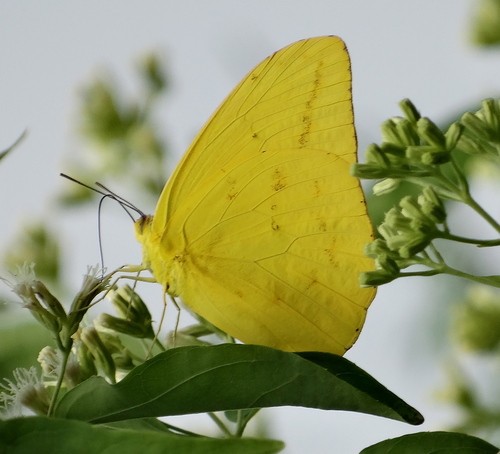
7. Large orange sulphur
The wingspan is 6 - 9 cm. The upper surface of the males is bright orange without markings. There are two female forms, a pink-white and yellow-orange form. The underside of the forewings of both sexes has a straight submarginal line. There are two seasonal forms: the winter form has heavier underside markings.

8. Lagocheirus araneiformis
Lagocheirus araneiformis can reach a length of 0.79–1.10 in. The basic coloration of these longhorn beetles is grey-brown.
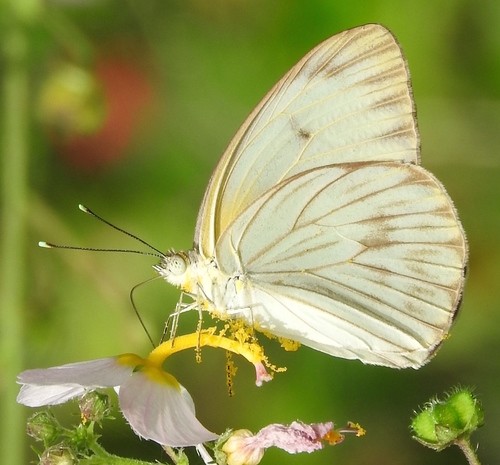
9. Great southern white
In this species the sexes may differ with the female being either light or dark colored.Larvae have distinct body segments within which there appears to be four to six subsegments. They are purplish-green with two longitudinal, greenish-yellow stripes on each side and the dorsal side. When full-grown, they are approximately 3 cm long.The wingspan in adults is 6 - 9 cm.
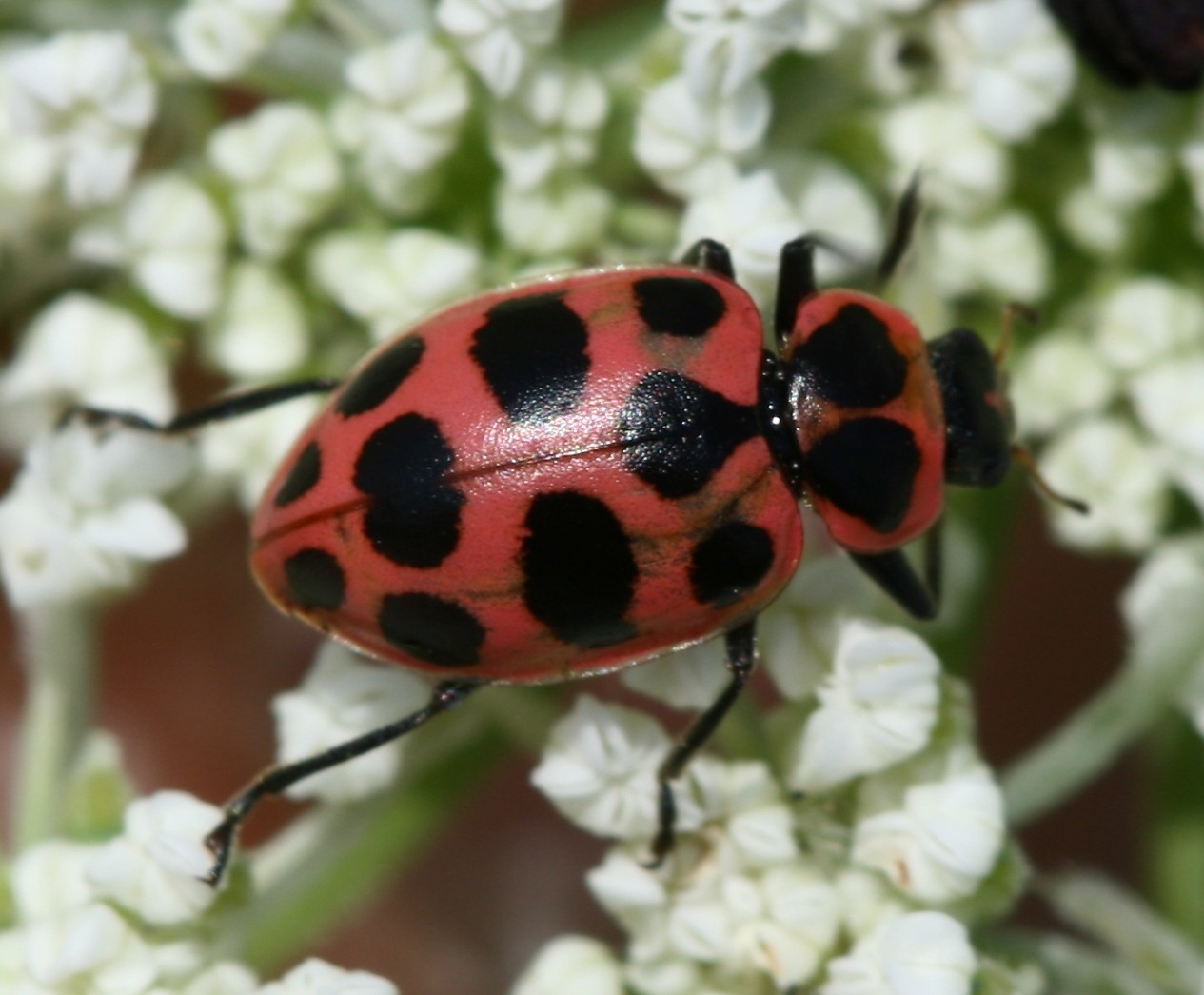
10. Spotted pink ladybeetle
The spotted pink ladybeetle (Coleomegilla maculata) is a cute insect that has a red body that is covered in black spots. They enjoy a rich diet of aphids. As a result, they are often used as a control agent to keep aphid populations in check. Supplies to grow your own spotted pink ladybeetle population are available commercially because of this.
More







