




Top 20 Most Common Insects in Black Forest
Insects, a marvel in the animal kingdom, are ubiquitous in Black Forest, flourishing within a diverse range of habitats. As there's a noticeable interaction between urban environments and the tiny creatures inhabiting them, these insects play pivotal roles in Black Forest's ecosystem, performing duties as nuisances or helpers. Whether it's our 'Top 20 most common insects,' each mark an intricate part of Black Forest's dynamic ecological network.

Most Common Insects
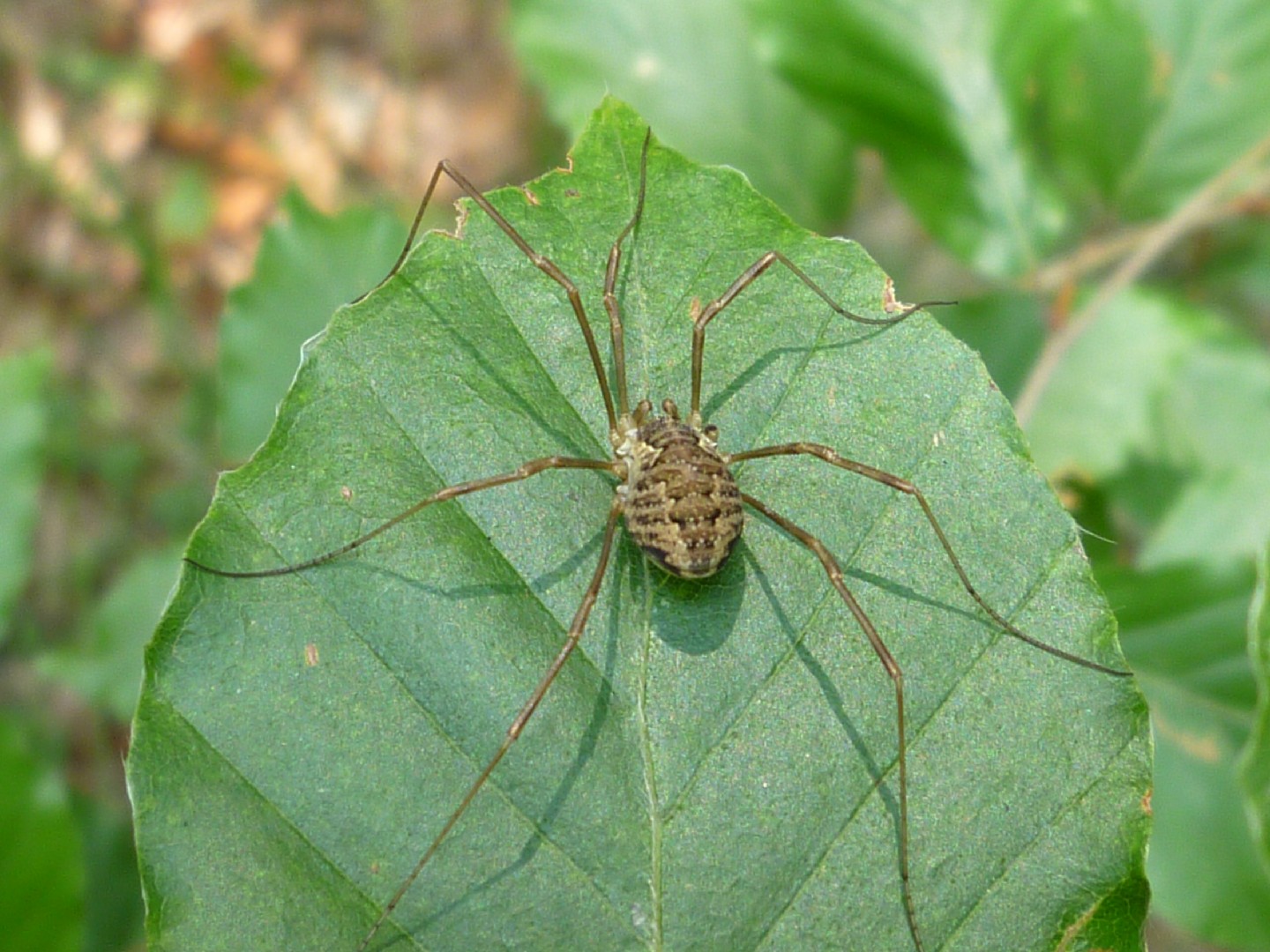
1. European harvestman
The european harvestman (Phalangium opilio) is an eight-legged arachnid, but it is not a spider. They share the nickname "daddy longlegs" with the cellar spider (Pholcidae). They have not changed much in 400 years, as fossils have been found fitting the description of this arachnid.
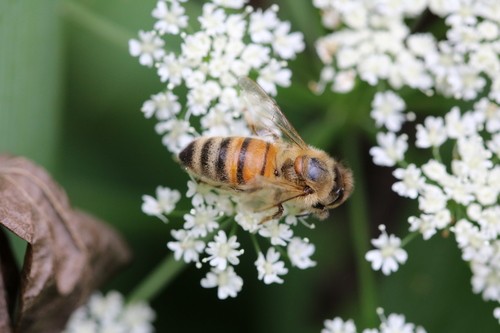
2. Western honey bee
Western honey bee(Apis mellifera) is the most common species of honeybee in the world. Among the first domesticated insects, its cultural and economic impact on humanity has been vast and far-reaching, providing honey, wax and its services as a pollinator. Western honey bee faces challenges worldwide, such as colony collapse disorder, and populations are thought to be decreasing.
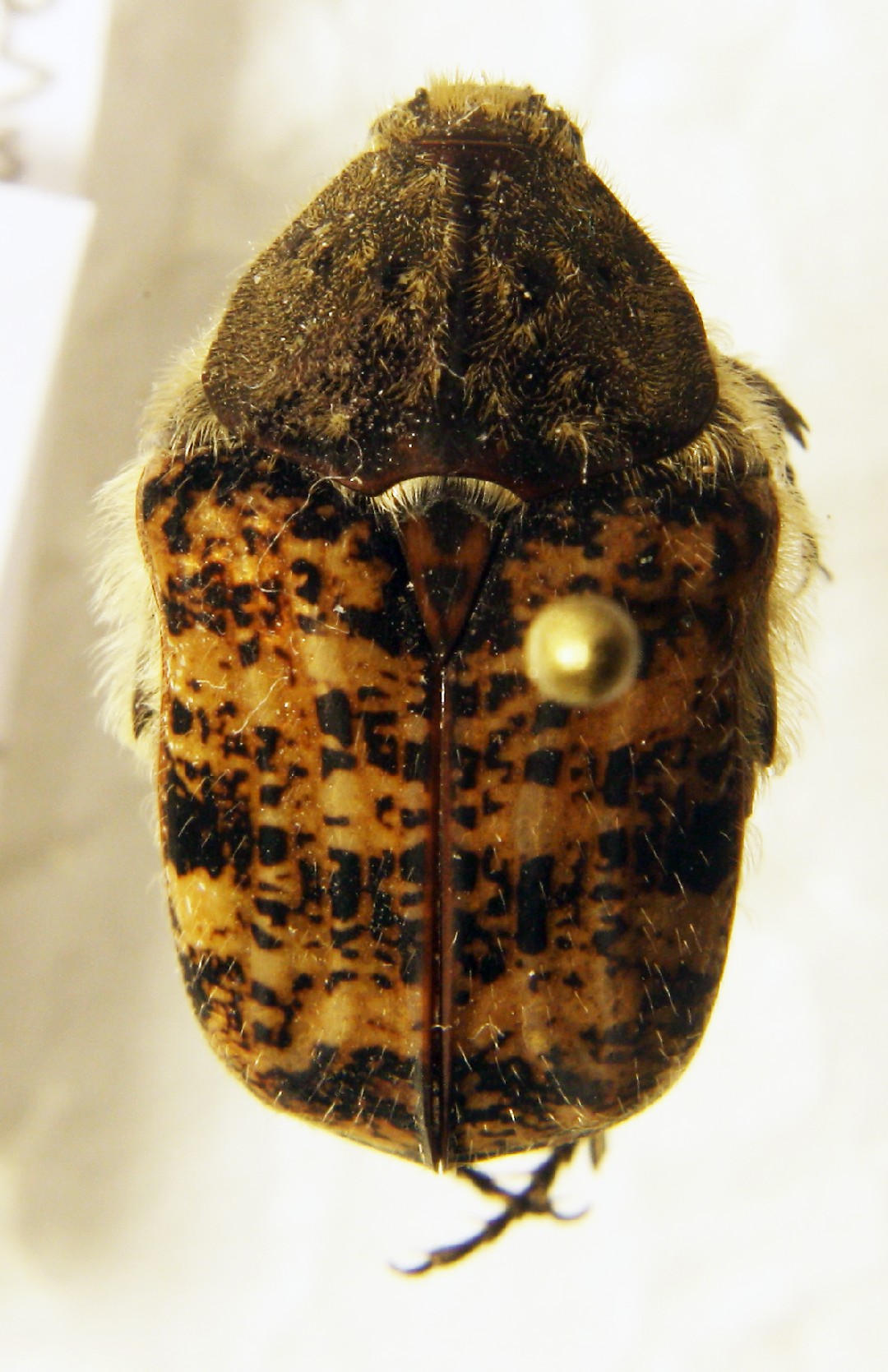
3. Bumble flower beetle
The bumble flower beetle (Euphoria inda) is a likely mimic of bumblebees, which explains the full name given its habit to buzz while flying. It often buzzes about the ooze of infected trees, such as those found on cottonwoods and elms. While it isn't considered a major pest, it does have the capacity to damage lilies and strawflowers, making it not a friend of gardeners.
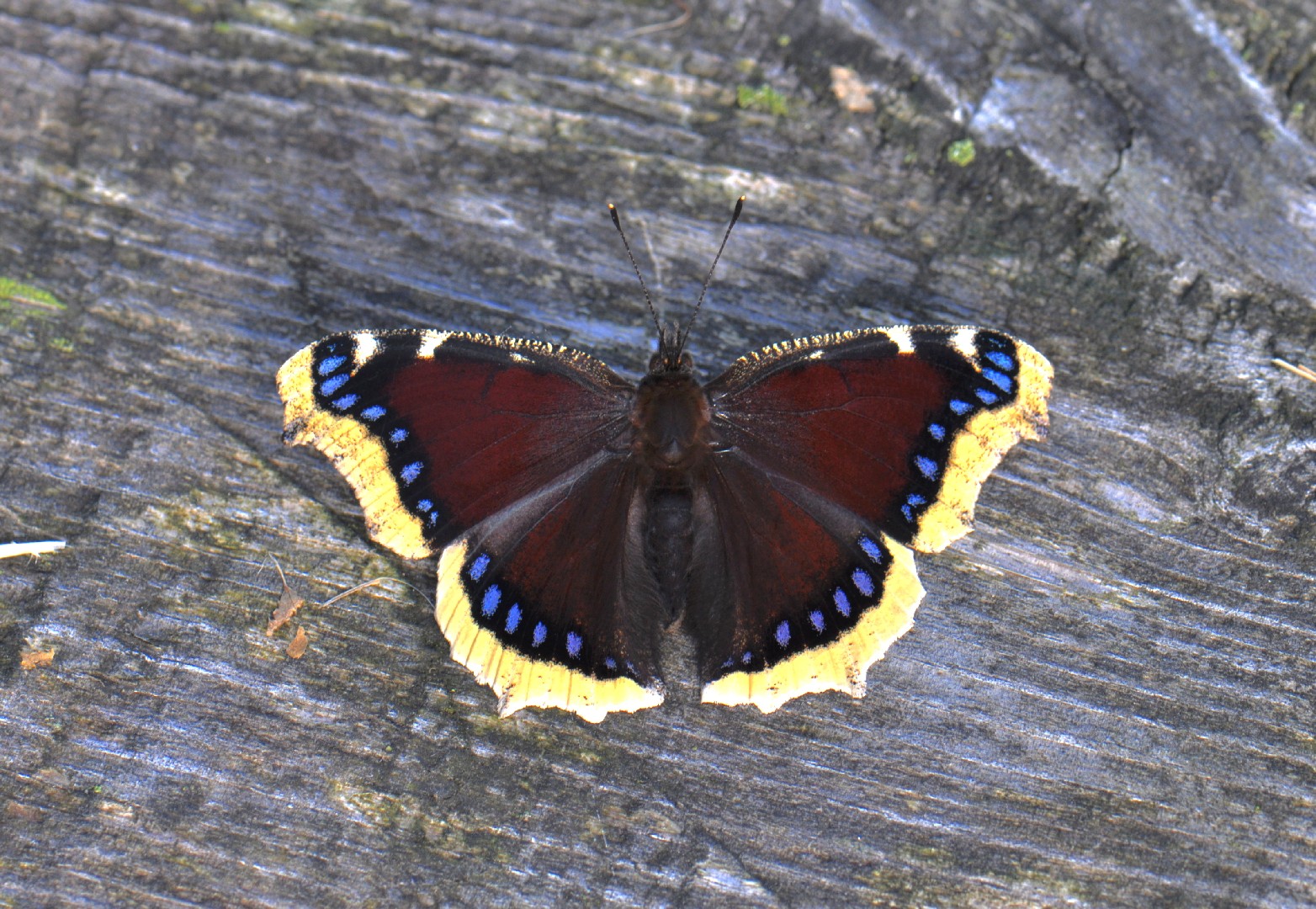
4. Mourning cloak
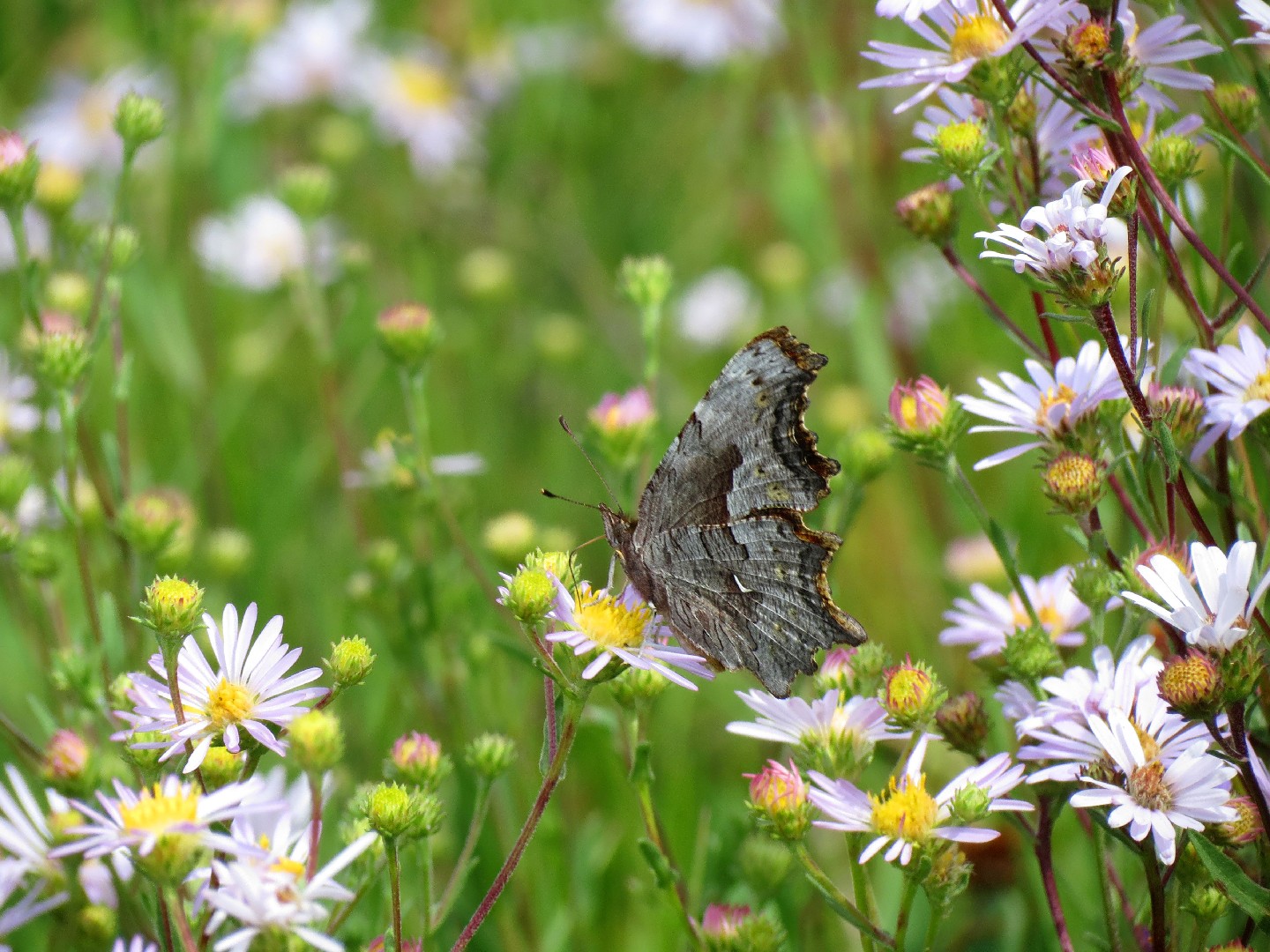
The state insect of Montana, mourning cloak (Nymphalis antiopa) owes its name to a visual comparison with a girl who, disliking mourning, allows a few inches of color to show from under her mourning garb. Among the longest-lived butterflies, individuals may persist for as long as eleven to twelve months. It is a powerful flier, with vagrants often found many miles from the usual migration paths.
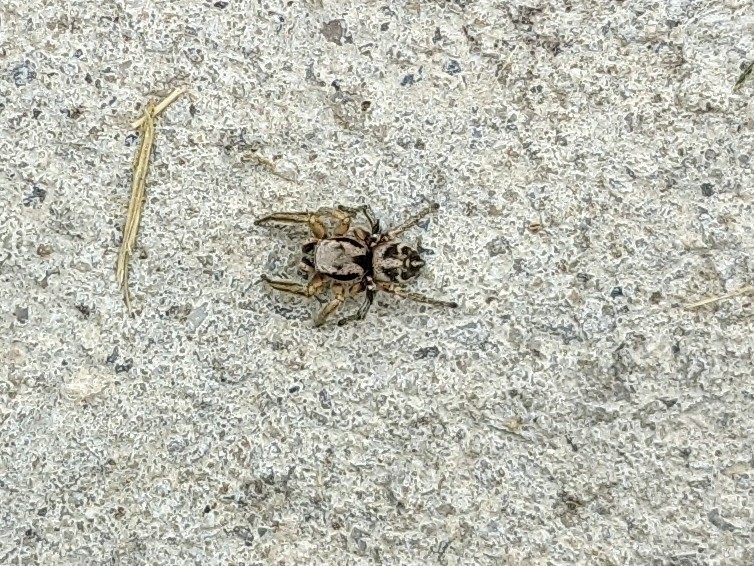
5. Habronattus festus
Habronattus festus is a species of jumping spider in the family Salticidae. It is found in the United States. 

6. White-Lined Sphinx
The white-Lined Sphinx ( Hyles lineata) is a colorful furry moth with striped wings. It has a similar size of a hummingbird, and behaves like a hummingbird as well. It can fly extremely fast, and instantly swing from side to side while hovering just like a hummingbird. It feeds on nectar from a variety of flowers including petunia, honeysuckle, lilac, clovers, thistles, and jimson weed.
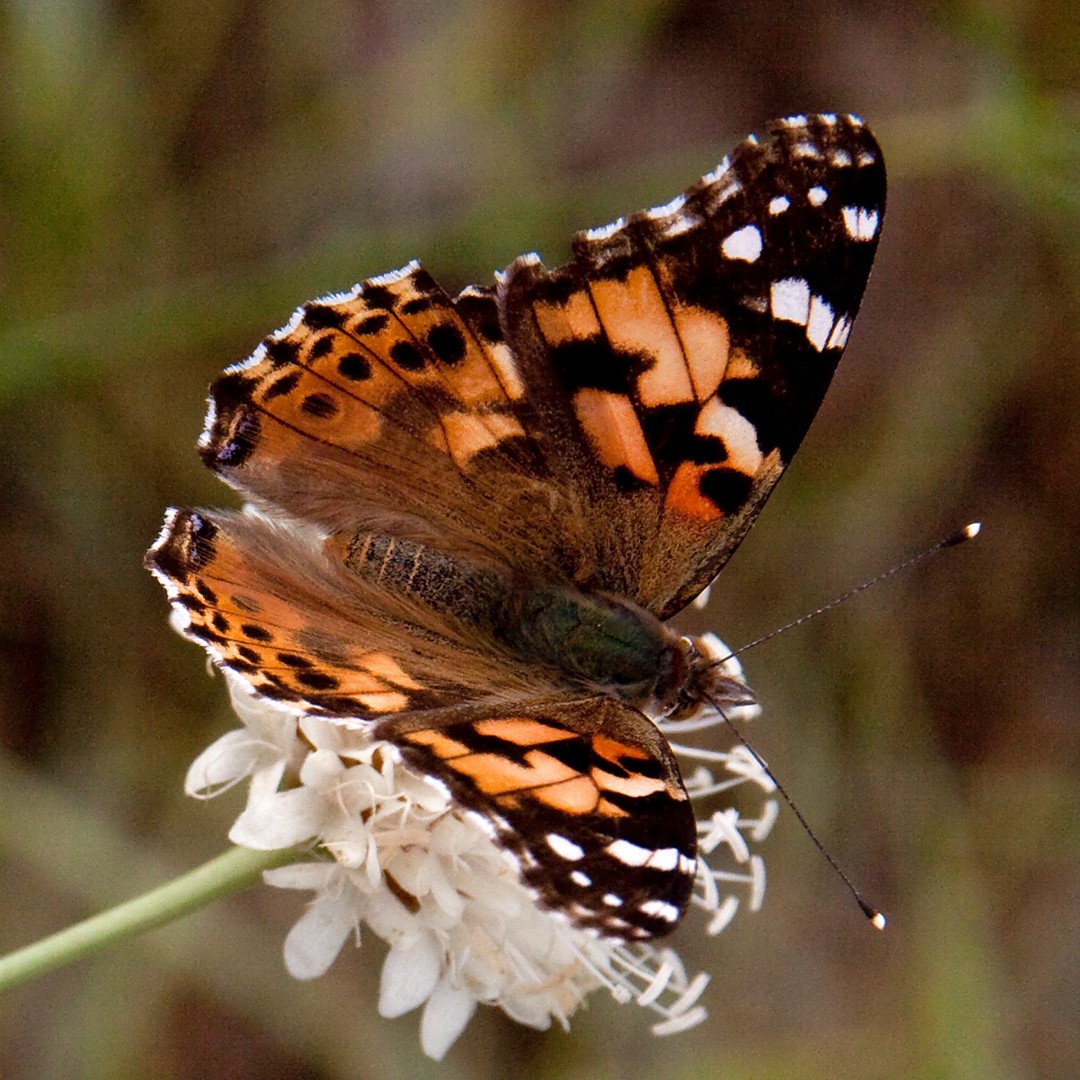
7. Painted lady
The painted lady is a migratory butterfly that spends part of the year in Northern Africa and then migrates to Europe during the warmer months. Although the adults feed on nectar from flowers, the larvae feed on the leaves of nettles and thistles.
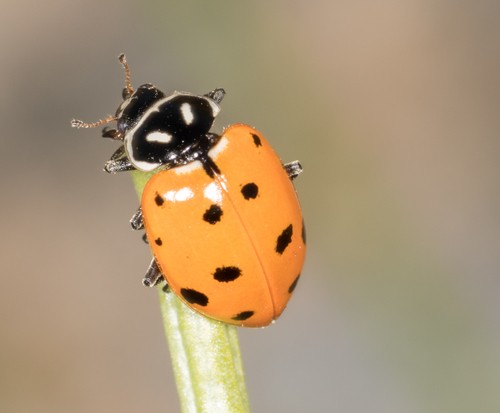
8. Convergent lady beetle
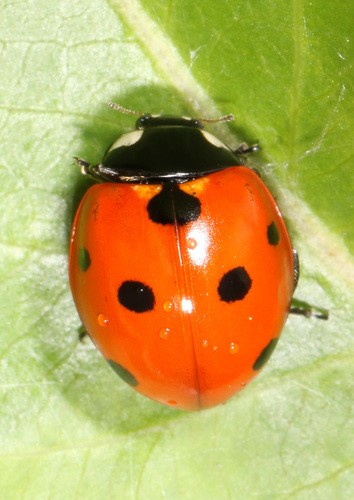
The convergent lady beetle (Hippodamia convergens) is one of the most common lady beetles in North America, which is a great thing given that it is a common biological control agent of aphids. They lay a good chunk of eggs over a couple of months. If you have ever seen a small, black alligator-like insect, you may have seen one of its larva.
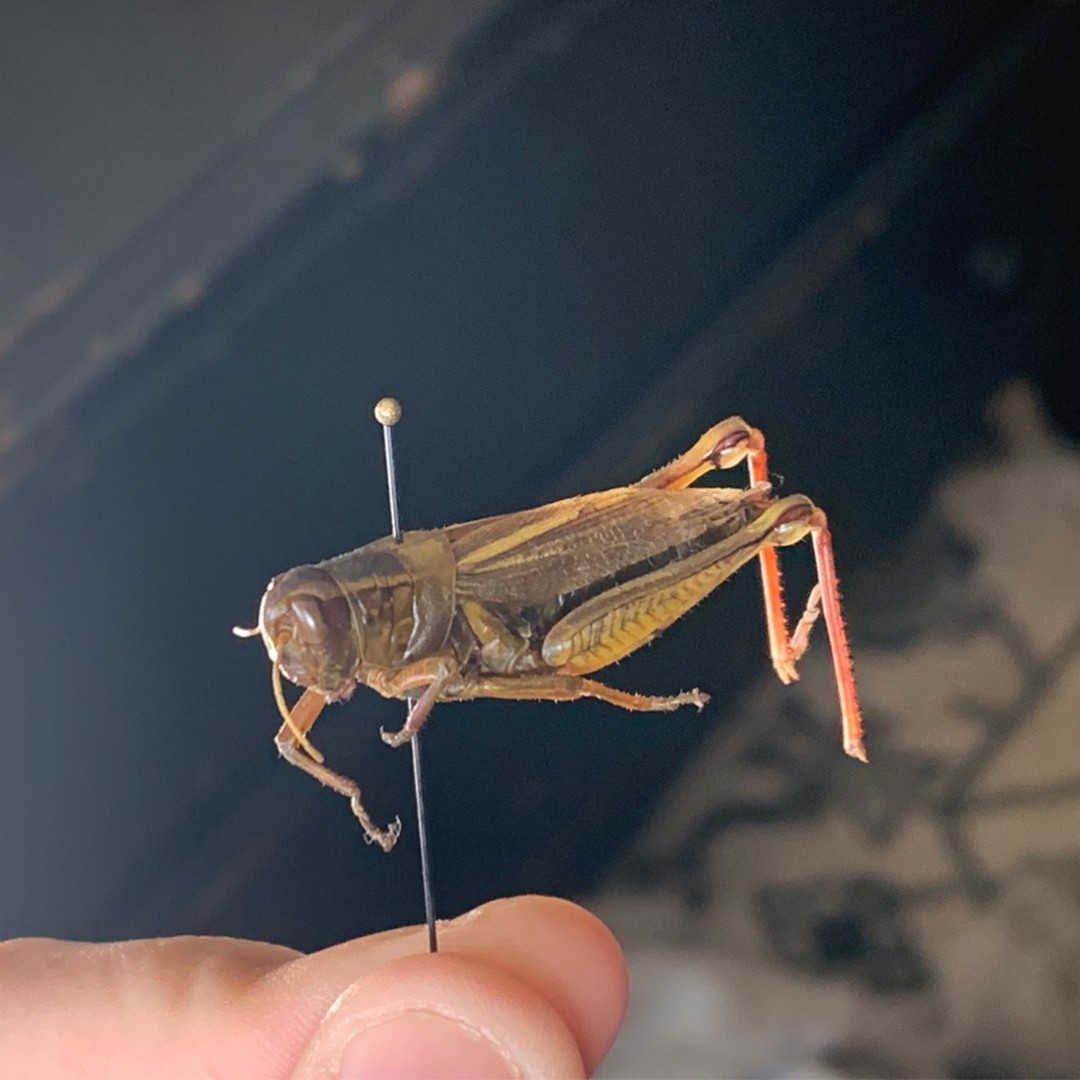
9. Two-striped grasshopper
Melanoplus bivittatus, the two-striped grasshopper, is a poikilothermic species of grasshopper belonging to the genus Melanoplus. It is commonly found in North America, with high quantities inhabiting Canadian prairies and farmland.

10. Variegated fritillary
The variegated fritillary (Euptoieta claudia) earns its name from the greek work Eutptoietos, which means "easily scared." This is because they are incredibly difficult to approach, darting away if anyone comes close. They are identified with a checkered orange and black on its wings. The variegated fritillary is unique among butterflies for its ability to have two or three broods per year, resulting in many potential children.

More







