




Top 20 Most Common Insects in Castle Rock
Insects, the tiny bustling inhabitants of Castle Rock, have significant roles in our ecosystem. They pollinate plants, control pests, and recycle nutrients. Yet, their existence in Castle Rock can be problematic or beneficial to urban environments. Discover 20 of the most common insects in Castle Rock, some being pests while others are nature's little helpers, shaping our city's unique ecosystem.

Most Common Insects
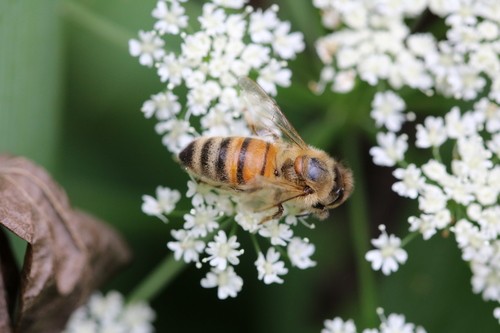
1. Western honey bee
Western honey bee(Apis mellifera) is the most common species of honeybee in the world. Among the first domesticated insects, its cultural and economic impact on humanity has been vast and far-reaching, providing honey, wax and its services as a pollinator. Western honey bee faces challenges worldwide, such as colony collapse disorder, and populations are thought to be decreasing.
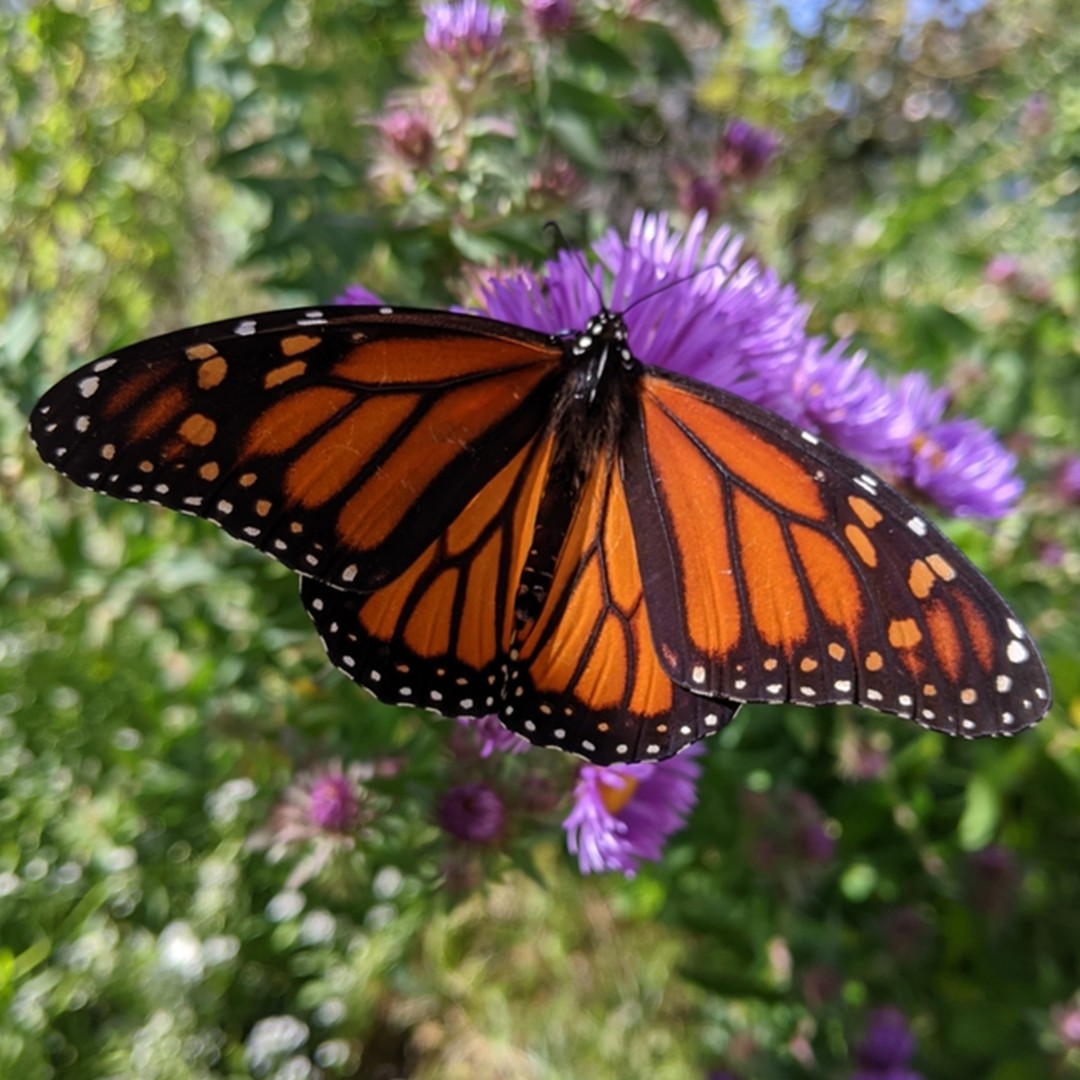
2. Monarch butterfly
The monarch butterfly (Danaus plexippus) is the most recognizable butterfly in North America. It is best known for its appearance, but should be better known for the fact that it has a 3000-mile migration that takes the butterfly 4 generations to complete. Their diet is also a natural deterrent for predators, as they eat milkweed, a poison that induces vomiting.
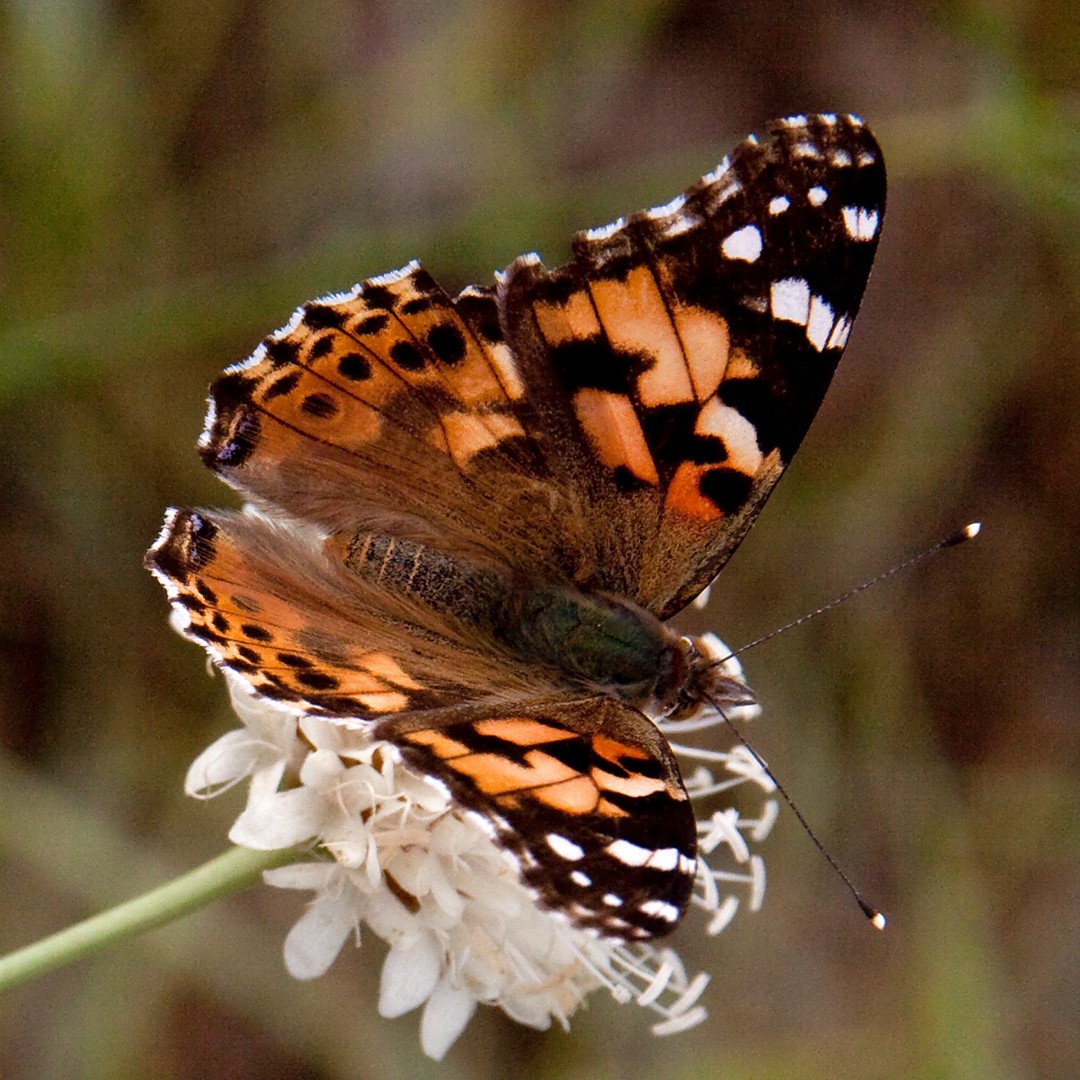
3. Painted lady
The painted lady is a migratory butterfly that spends part of the year in Northern Africa and then migrates to Europe during the warmer months. Although the adults feed on nectar from flowers, the larvae feed on the leaves of nettles and thistles.

4. White-Lined Sphinx
The white-Lined Sphinx ( Hyles lineata) is a colorful furry moth with striped wings. It has a similar size of a hummingbird, and behaves like a hummingbird as well. It can fly extremely fast, and instantly swing from side to side while hovering just like a hummingbird. It feeds on nectar from a variety of flowers including petunia, honeysuckle, lilac, clovers, thistles, and jimson weed.
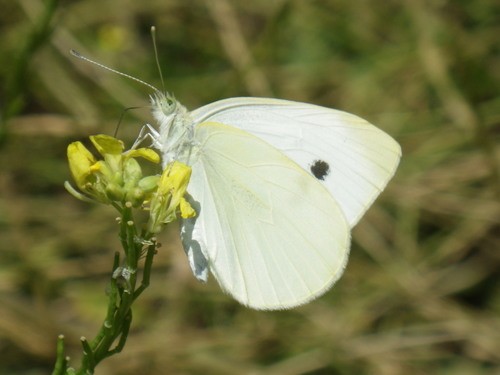
5. Cabbage white
Cabbage white (Pieris rapae) derives its common name from its habits as a caterpillar, which is a ferocious pest for cabbage, kale and broccoli farmers. In North America, it is one of the first butterflies to emerge in spring, heralding the beginning of the season.
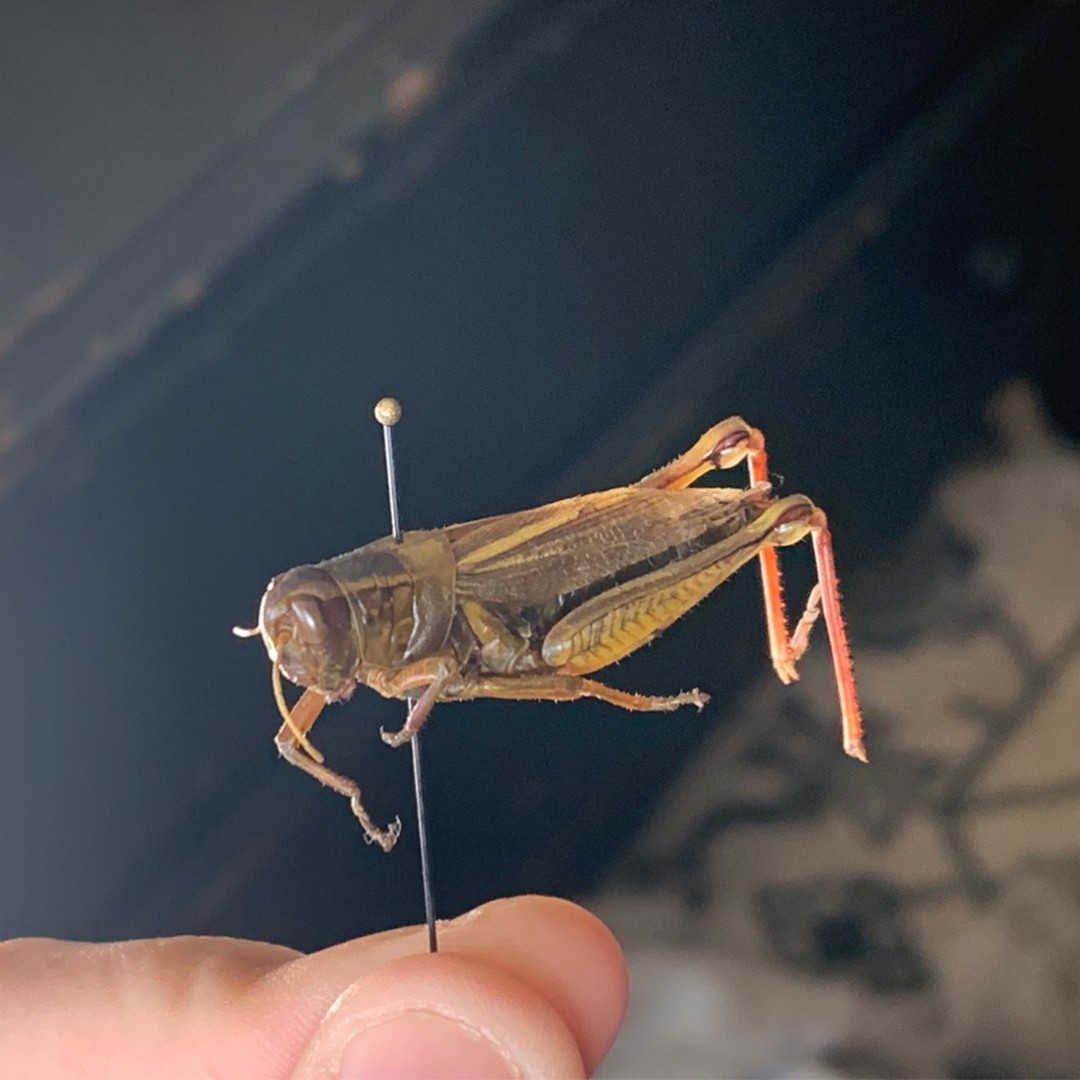
6. Two-striped grasshopper
Melanoplus bivittatus, the two-striped grasshopper, is a poikilothermic species of grasshopper belonging to the genus Melanoplus. It is commonly found in North America, with high quantities inhabiting Canadian prairies and farmland. 
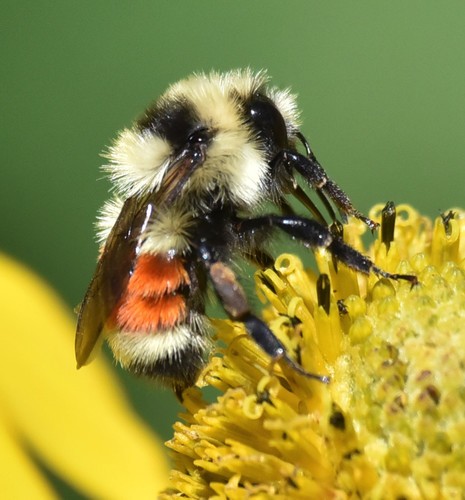
7. Hunt's bumble bee
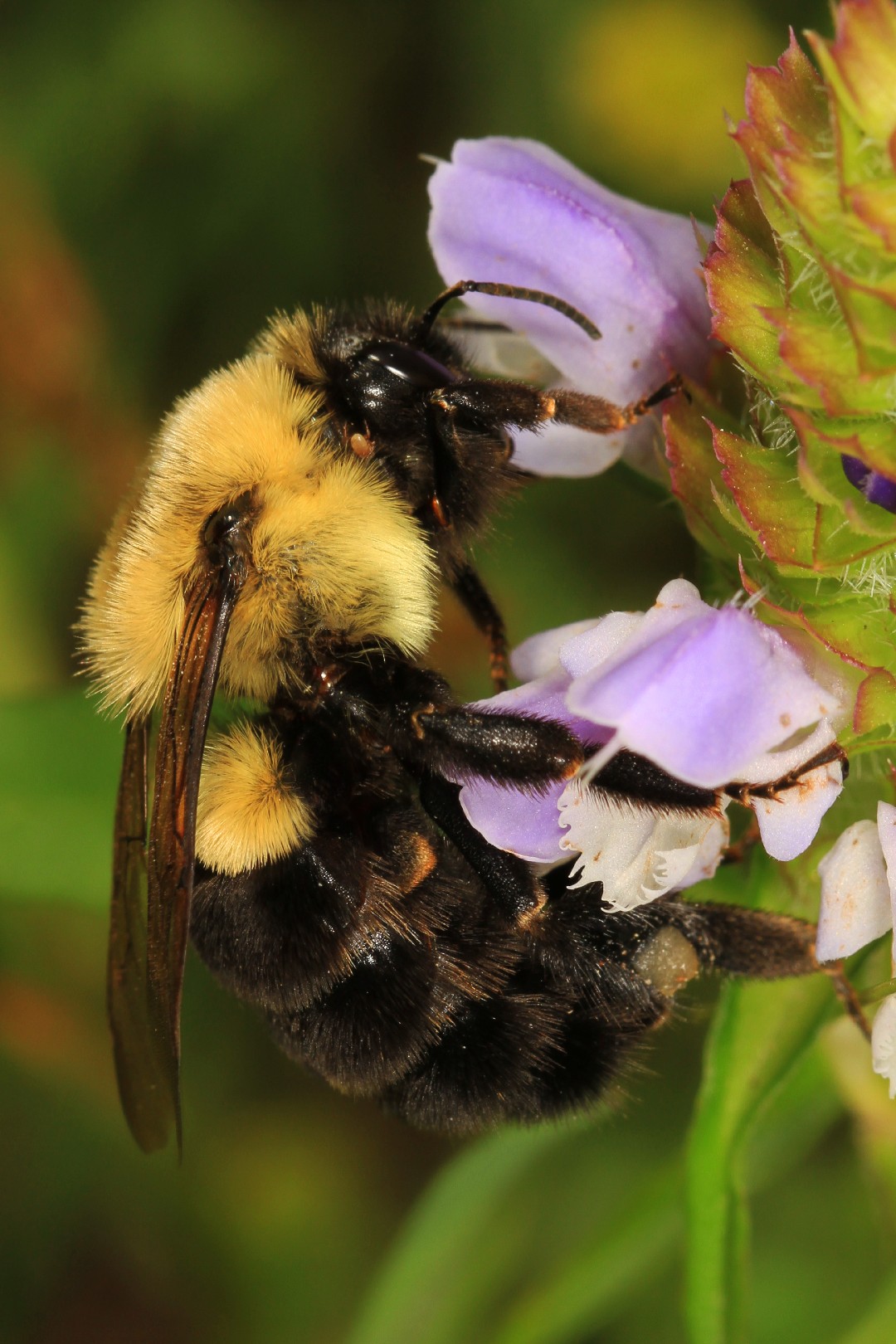
Bombus huntii is a non-woven insect from the family of bees and bumblebees (Apidae). The scientific name of the species was first validly published in 1860 by Greene.
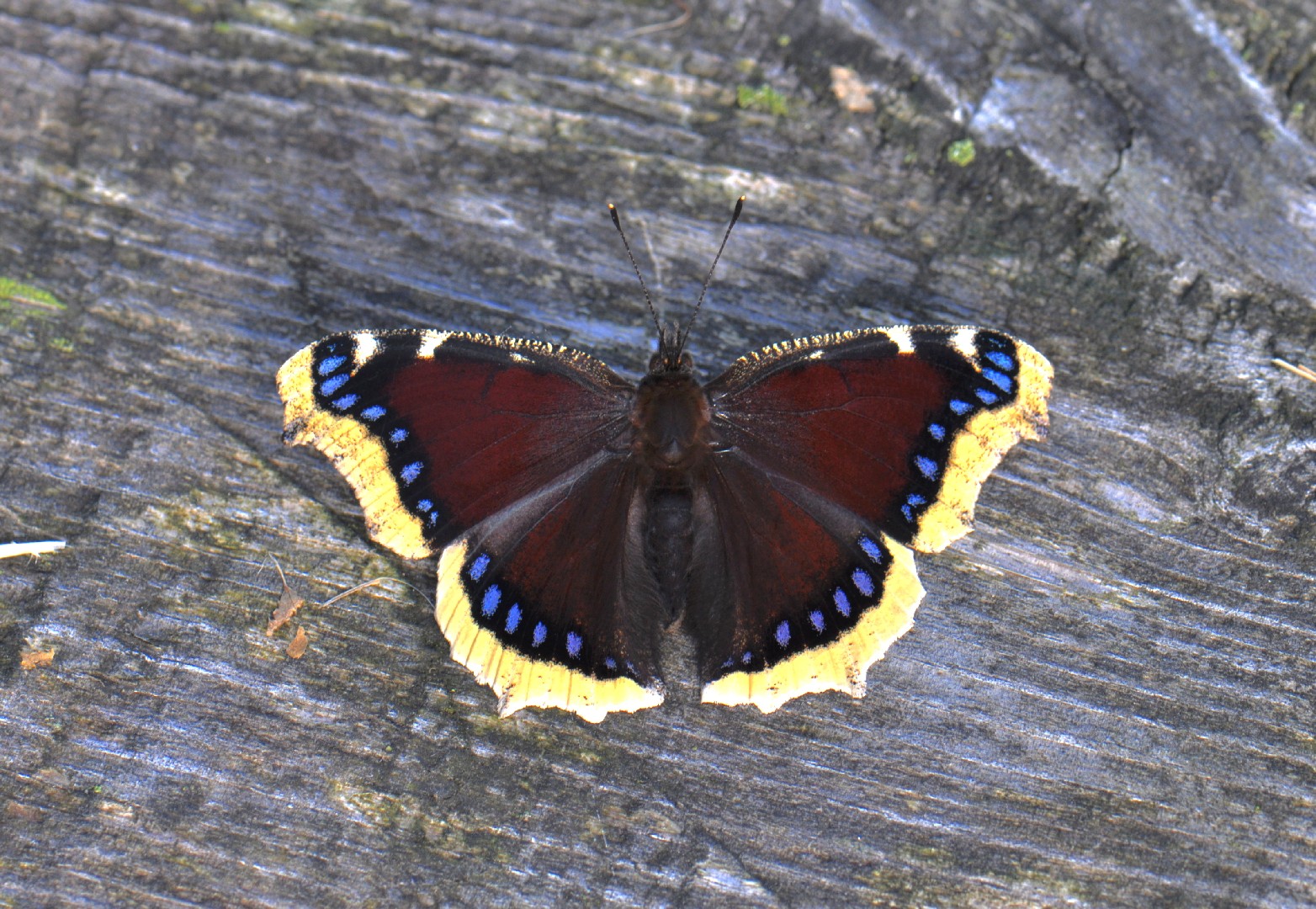
8. Mourning cloak
The state insect of Montana, mourning cloak (Nymphalis antiopa) owes its name to a visual comparison with a girl who, disliking mourning, allows a few inches of color to show from under her mourning garb. Among the longest-lived butterflies, individuals may persist for as long as eleven to twelve months. It is a powerful flier, with vagrants often found many miles from the usual migration paths.

9. Japanese Beetle
The japanese Beetle (Popillia japonica) was introduced to the Americas from a tourist's car in Nova Scotia. This beetle has been limited in its ability to fully infest the environment, but cannot be fully eradicated. A swarm of them have been known to strip an entire peach tree in a matter of minutes.
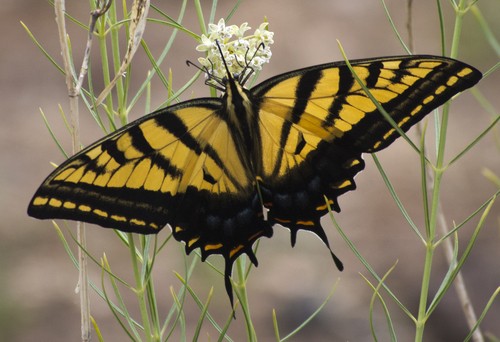
10. Two-tailed swallowtail
The two-tailed swallowtail (Papilio multicaudata) is easily identified with its yellow body and tiger-like stripes. It also has two tails, or spikes, coming off the back of its wings. Also, females are commonly larger and more brightly colored than males. They also have eyespots near the rear of their wings, which fool predators and give them a chance to escape.


More







