




Top 20 Most Common Insects in Glenwood Springs
Insects, with their diversity and intriguing traits, play pivotal roles in the ecosystem of Glenwood Springs. They dwell in various habitats, contributing to both the bounties and pestilence within our city. Our list will explore the top 20 most common insects that inhabit Glenwood Springs, showcasing the intricate connection between a city's environments and its insect populacebringing light to the roles of pests and beneficial insects alike.

Most Common Insects
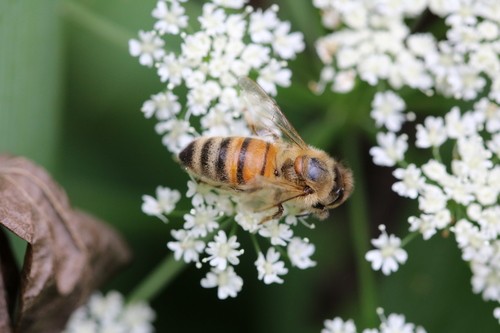
1. Western honey bee
Western honey bee(Apis mellifera) is the most common species of honeybee in the world. Among the first domesticated insects, its cultural and economic impact on humanity has been vast and far-reaching, providing honey, wax and its services as a pollinator. Western honey bee faces challenges worldwide, such as colony collapse disorder, and populations are thought to be decreasing.
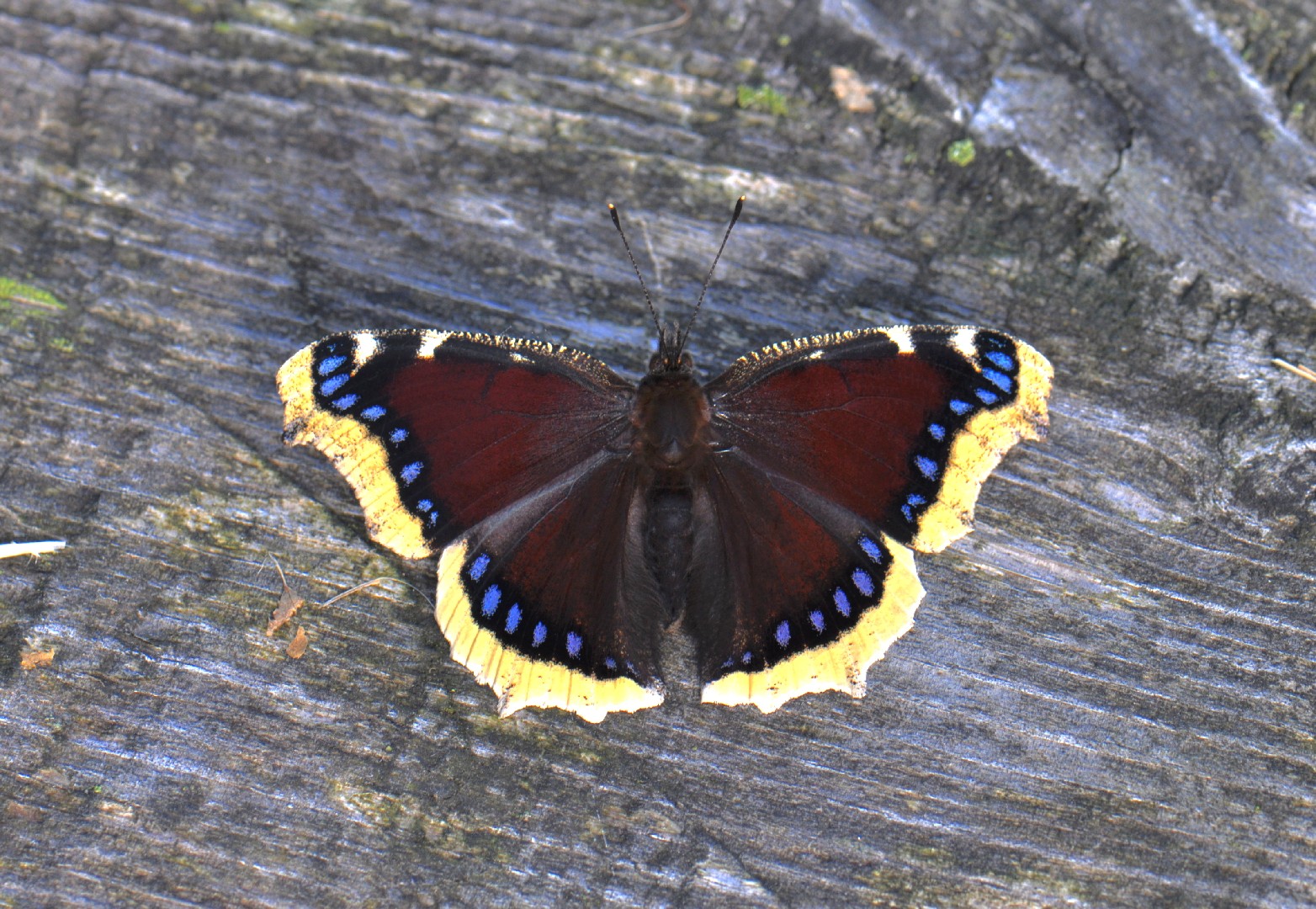
2. Mourning cloak
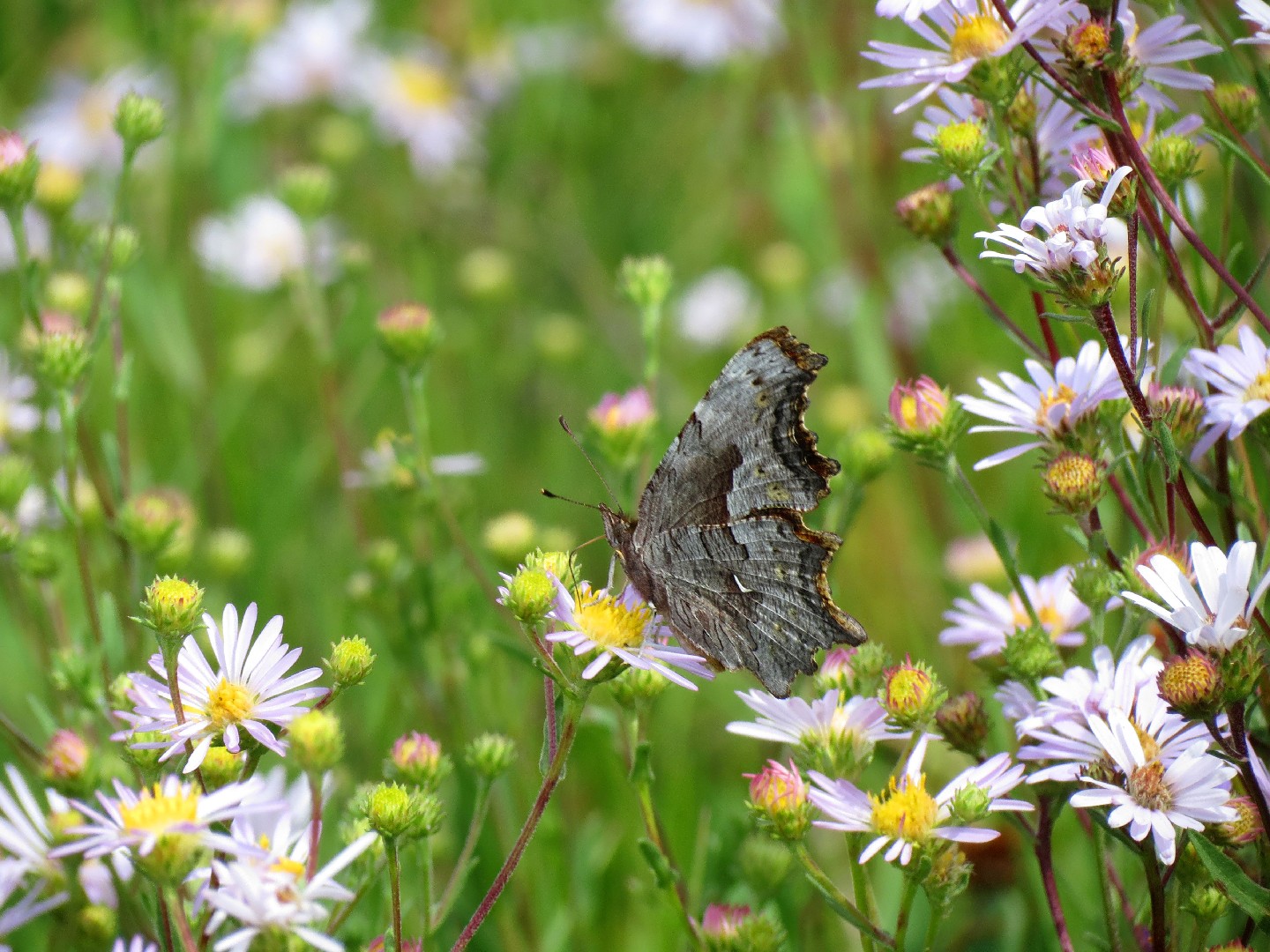
The state insect of Montana, mourning cloak (Nymphalis antiopa) owes its name to a visual comparison with a girl who, disliking mourning, allows a few inches of color to show from under her mourning garb. Among the longest-lived butterflies, individuals may persist for as long as eleven to twelve months. It is a powerful flier, with vagrants often found many miles from the usual migration paths.
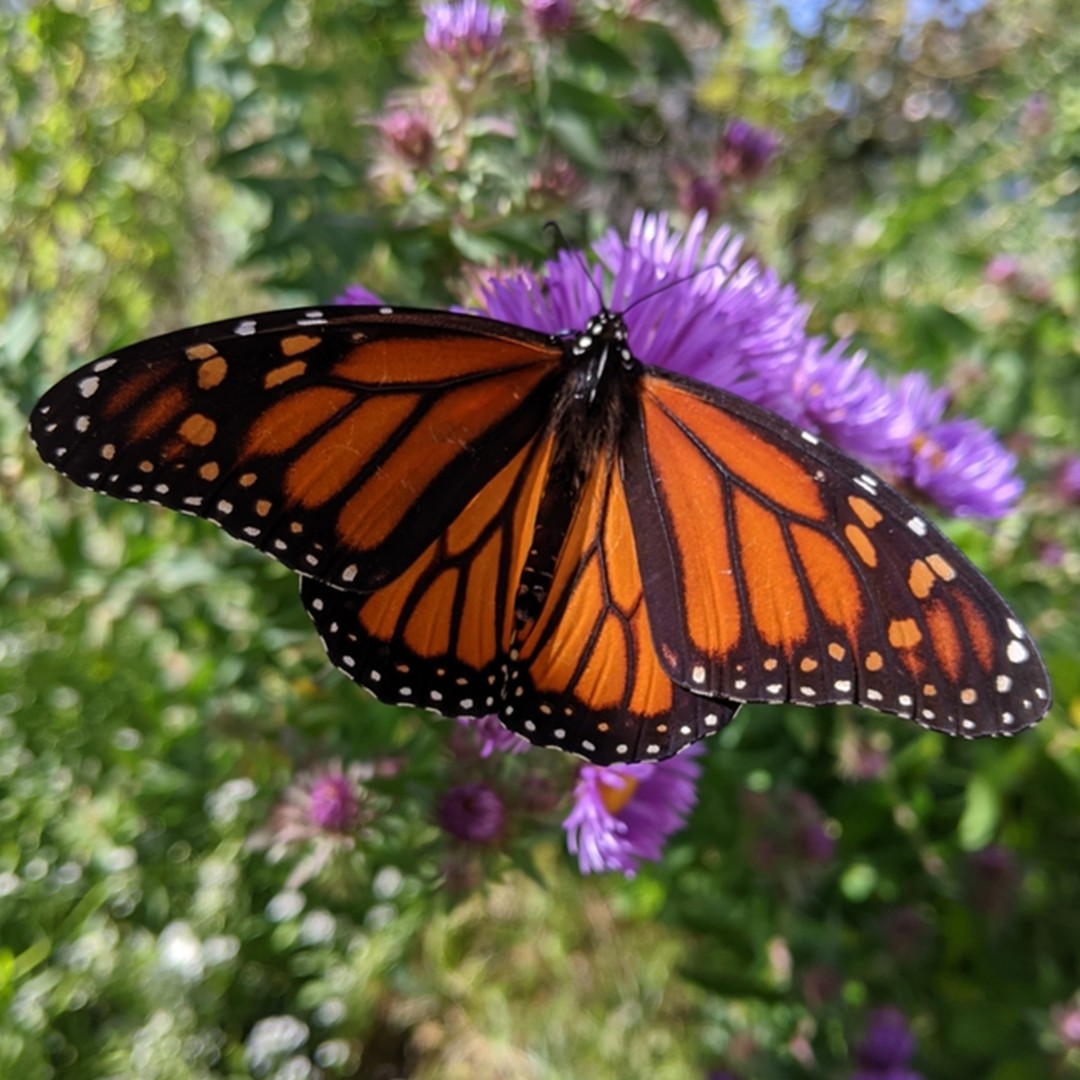
3. Monarch butterfly
The monarch butterfly (Danaus plexippus) is the most recognizable butterfly in North America. It is best known for its appearance, but should be better known for the fact that it has a 3000-mile migration that takes the butterfly 4 generations to complete. Their diet is also a natural deterrent for predators, as they eat milkweed, a poison that induces vomiting.

4. Rocky mountain parnassian
The butterfly ranges in color from white to pale yellow-brown, with red and black markings that indicate to predators it is unpalatable. 

5. White-Lined Sphinx
The white-Lined Sphinx ( Hyles lineata) is a colorful furry moth with striped wings. It has a similar size of a hummingbird, and behaves like a hummingbird as well. It can fly extremely fast, and instantly swing from side to side while hovering just like a hummingbird. It feeds on nectar from a variety of flowers including petunia, honeysuckle, lilac, clovers, thistles, and jimson weed.
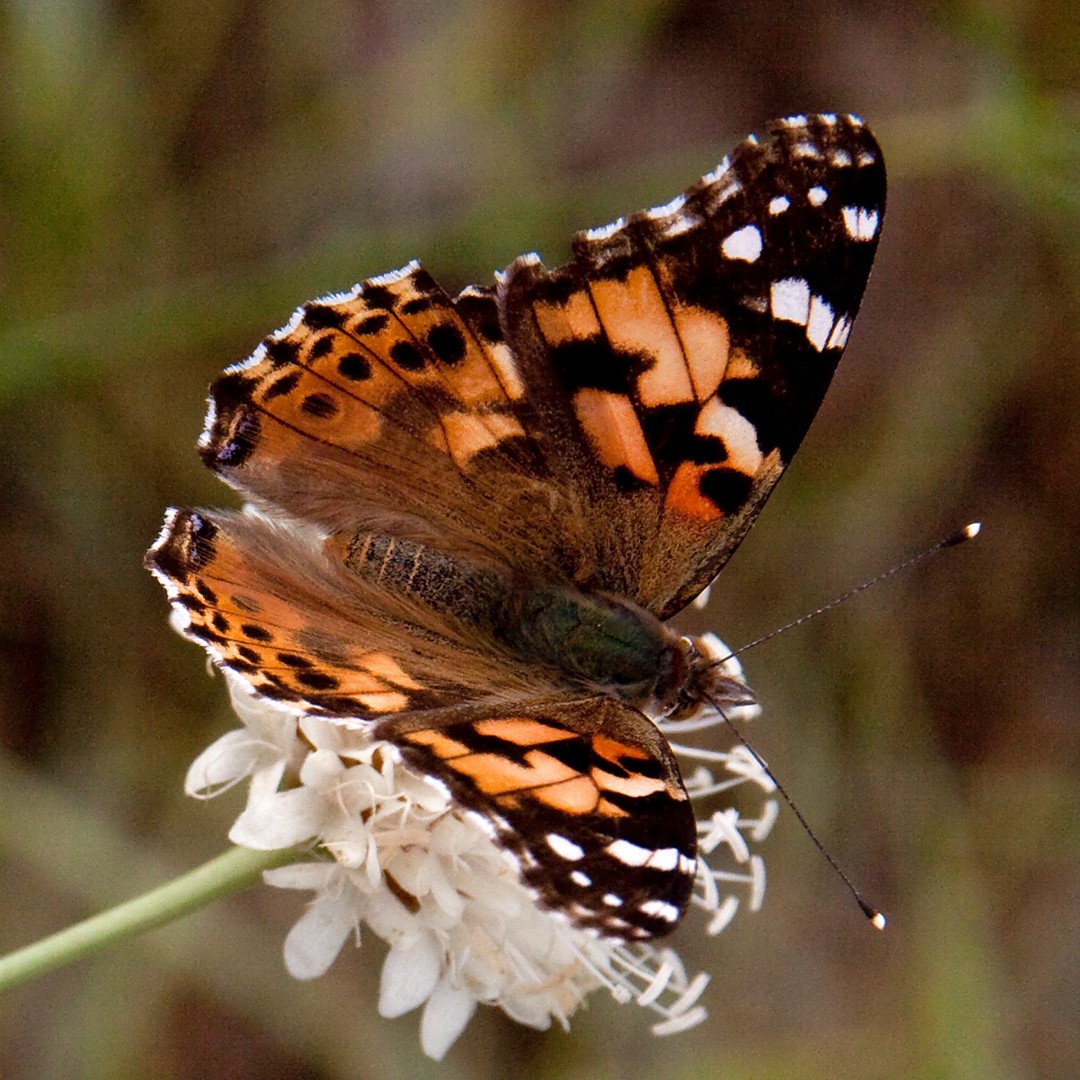
6. Painted lady
The painted lady is a migratory butterfly that spends part of the year in Northern Africa and then migrates to Europe during the warmer months. Although the adults feed on nectar from flowers, the larvae feed on the leaves of nettles and thistles.
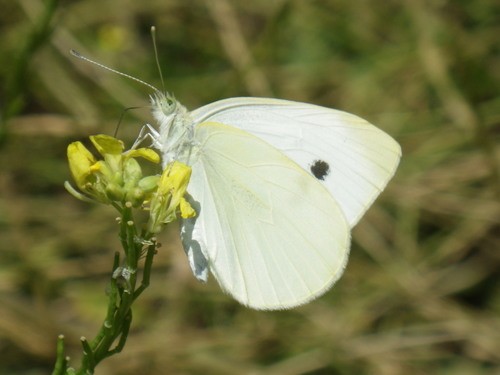
7. Cabbage white
Cabbage white (Pieris rapae) derives its common name from its habits as a caterpillar, which is a ferocious pest for cabbage, kale and broccoli farmers. In North America, it is one of the first butterflies to emerge in spring, heralding the beginning of the season.
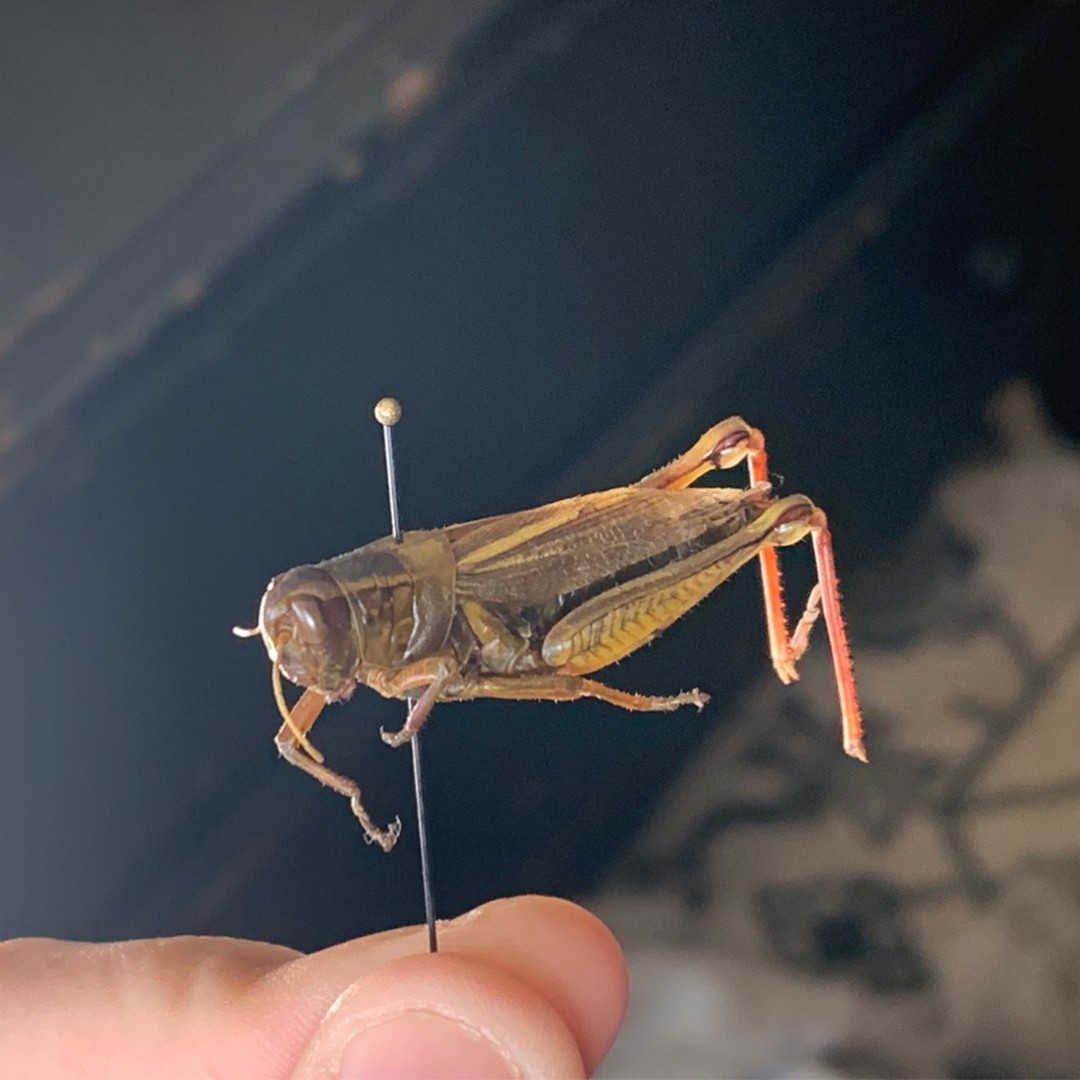
8. Two-striped grasshopper
Melanoplus bivittatus, the two-striped grasshopper, is a poikilothermic species of grasshopper belonging to the genus Melanoplus. It is commonly found in North America, with high quantities inhabiting Canadian prairies and farmland.

9. Variegated fritillary
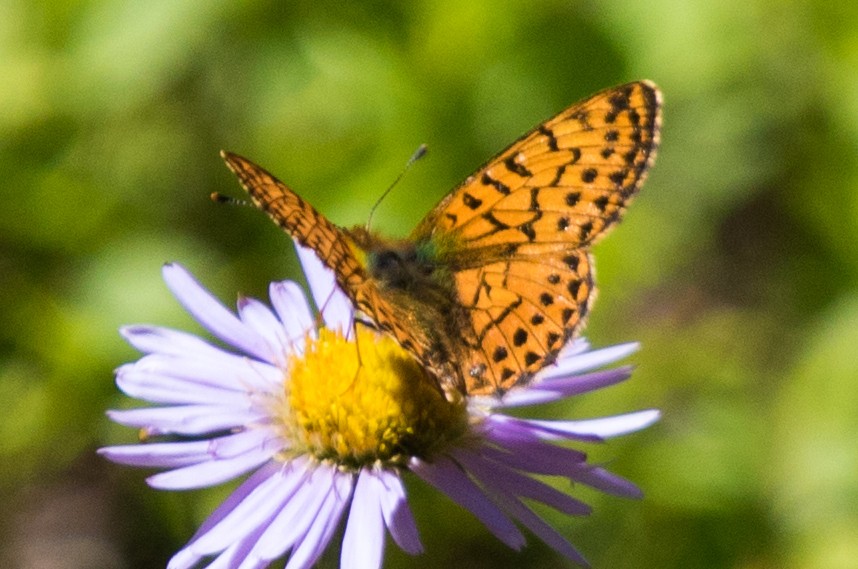
The variegated fritillary (Euptoieta claudia) earns its name from the greek work Eutptoietos, which means "easily scared." This is because they are incredibly difficult to approach, darting away if anyone comes close. They are identified with a checkered orange and black on its wings. The variegated fritillary is unique among butterflies for its ability to have two or three broods per year, resulting in many potential children.
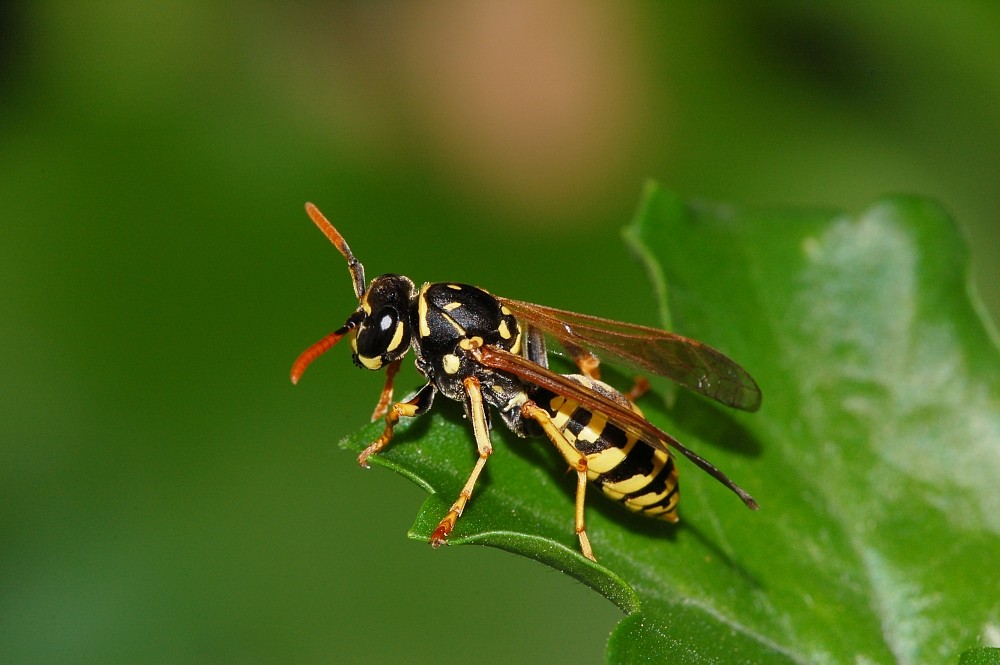
10. European paper wasp
A particularly hated invasive species in North America, european paper wasp (Polistes dominula) is well-known for its tendency to nest on human porches and sting if approached. Nests are controlled by a dominant female queen, who lays most of the eggs. Dominance among individuals can be predicted by the shape, size and number of spots they display, with more spots signaling greater dominance within the nest.

More







