




Top 20 Most Common Insects in Nantucket
Insects, with their variety of shapes, sizes, and adaptations, are a diverse group that have found a niche in every corner of Nantucket. Their importance can't be overstated - they're crucial cogs in Nantucket's ecosystem, performing roles as both pests and helpers. Our list of 20 most common species offers a glimpse into Nantucket's biodiversity.

Most Common Insects
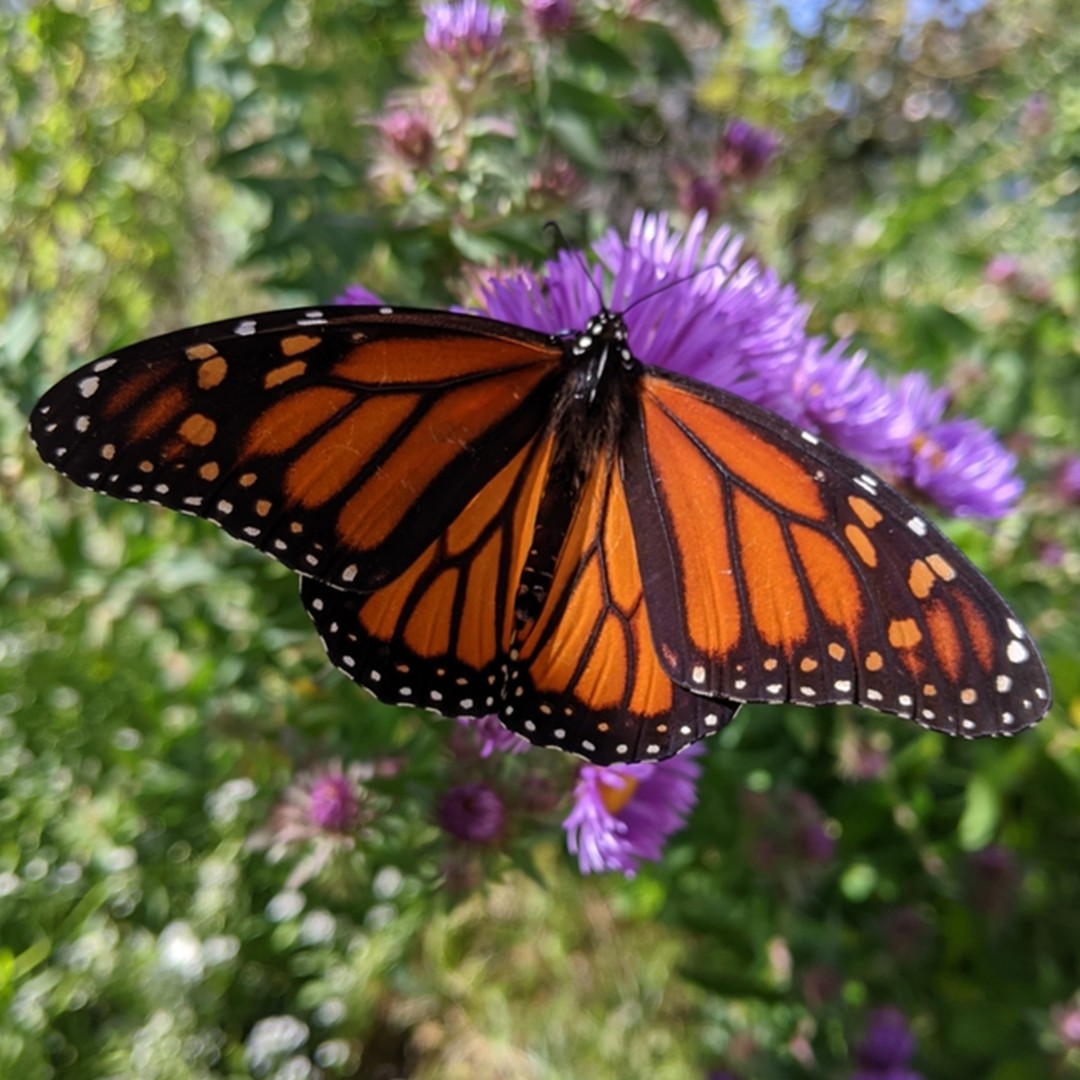
1. Monarch butterfly
The monarch butterfly (Danaus plexippus) is the most recognizable butterfly in North America. It is best known for its appearance, but should be better known for the fact that it has a 3000-mile migration that takes the butterfly 4 generations to complete. Their diet is also a natural deterrent for predators, as they eat milkweed, a poison that induces vomiting.
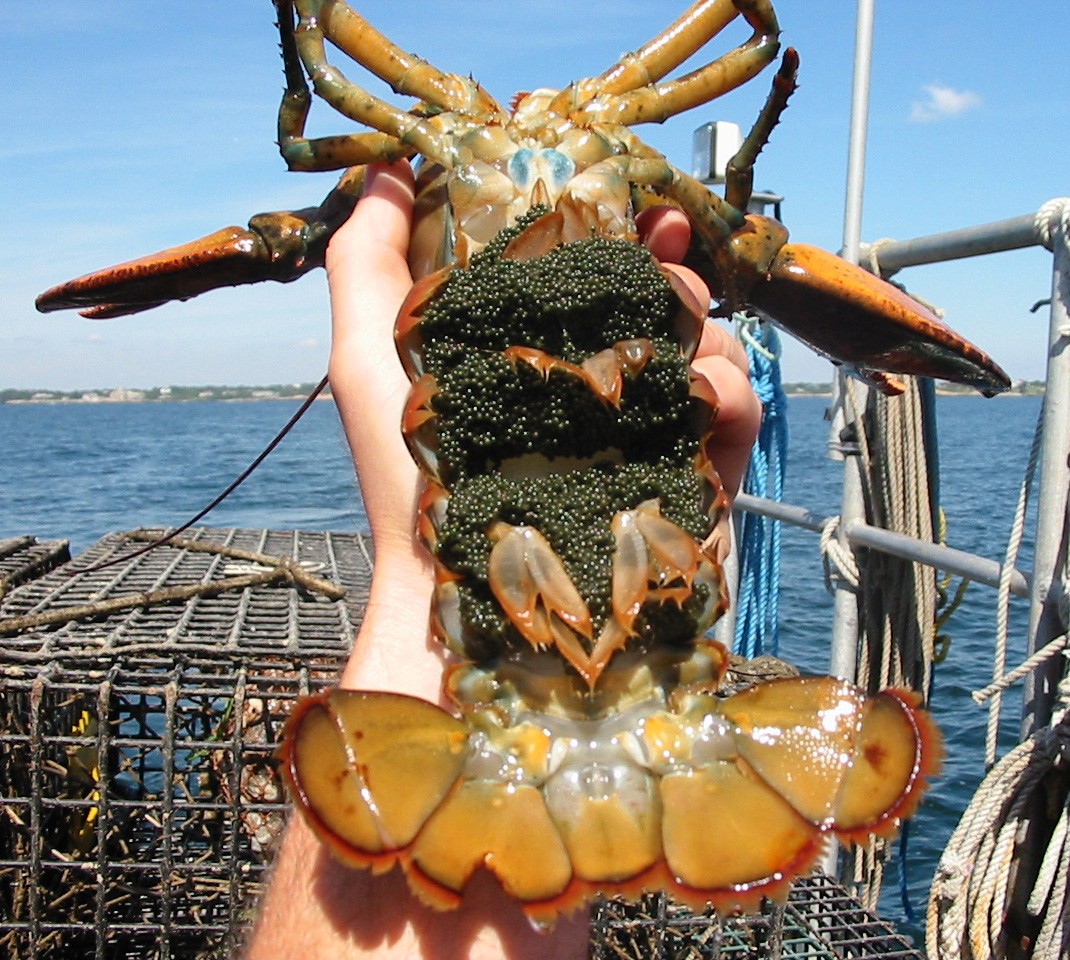
2. American lobster
American lobsters (Homarus americanus) are the heaviest crustaceans in the world, reaching a weight of up to 20 kg. They are major commercial products in the northeastern US and Canada. Female american lobsters will only mate shortly after molting, and can store a male's sperm for up to 15 months. Once fertilized, the eggs will adhere to the underside of the mother's body until they hatch.
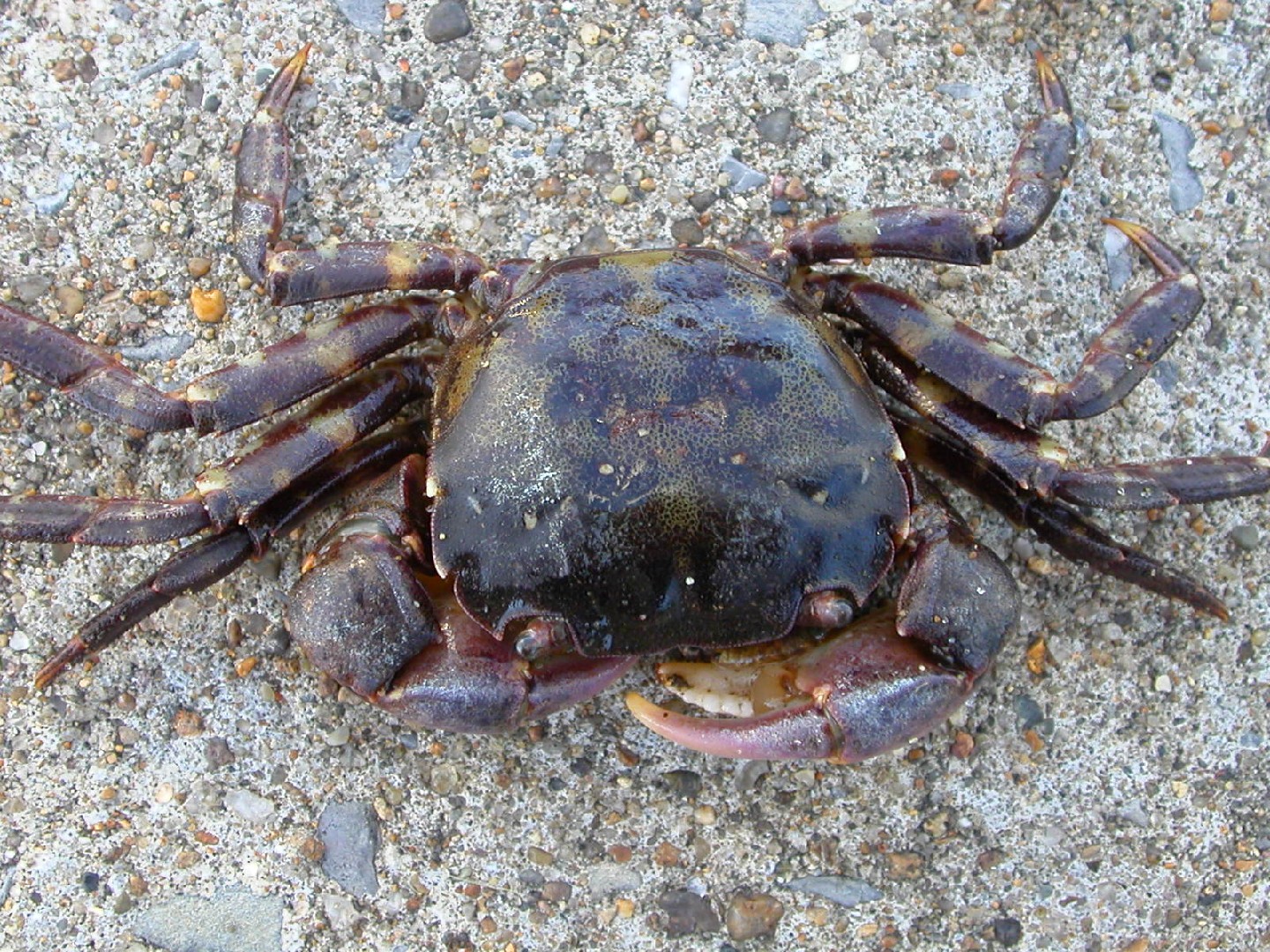
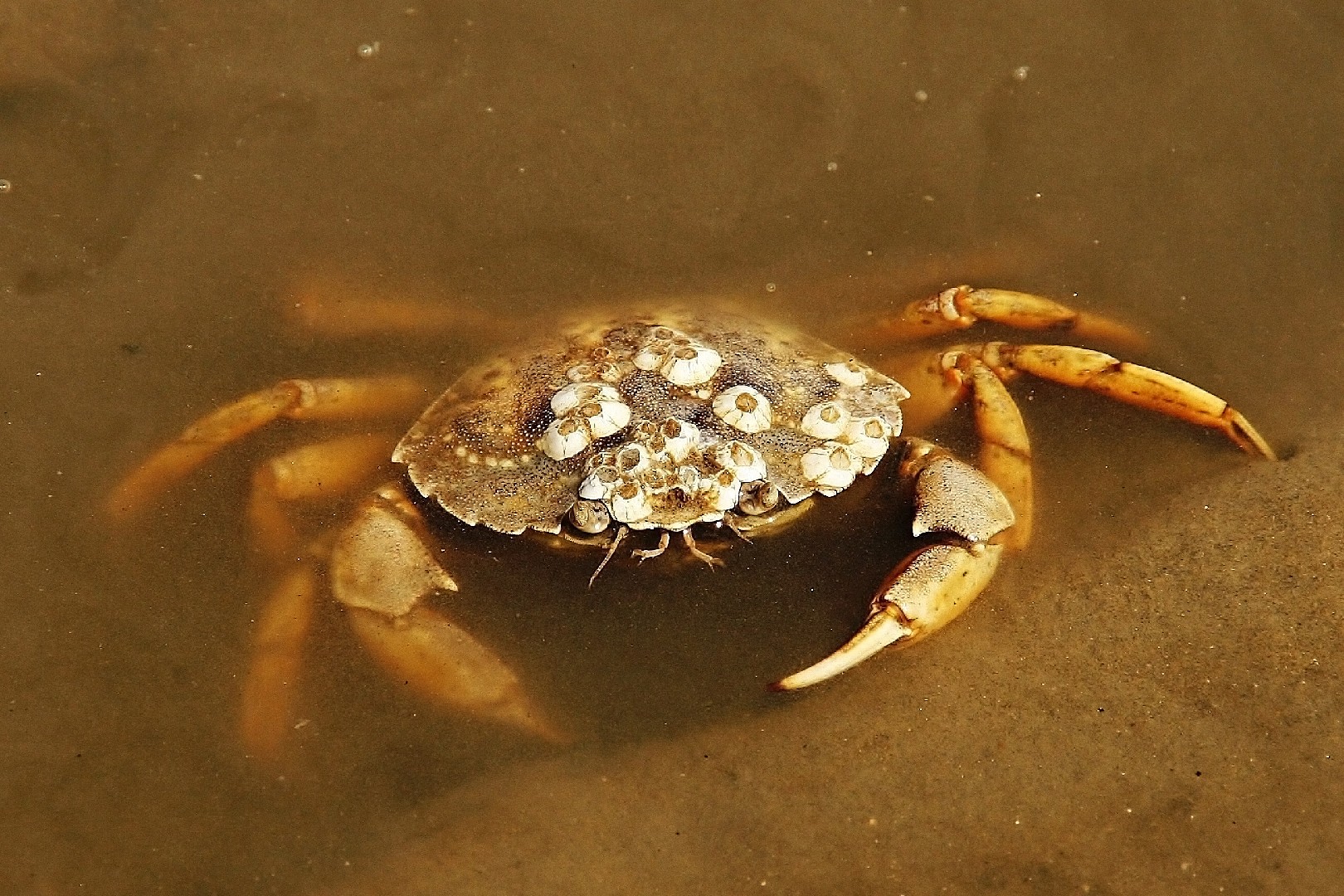
3. Atlantic rock crab
4. Jonah crab
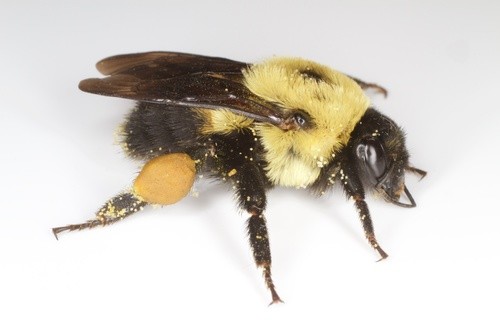
5. Common Eastern Bumble Bee
The common Eastern Bumble Bee (Bombus impatiens) is one of the most important pollinator bees in North America. A decline in the bee population will lead to financial hardships for farmers and reduced food yield. Their efficiency in pollination and foraging comes from their ability to drop "traplines." These lines guide other bees to the correct path for food while informing them of depleted locations.
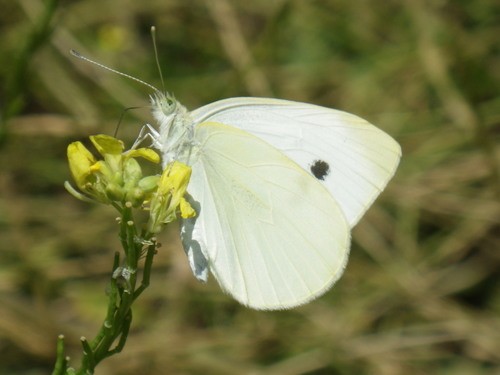
6. Cabbage white
Cabbage white (Pieris rapae) derives its common name from its habits as a caterpillar, which is a ferocious pest for cabbage, kale and broccoli farmers. In North America, it is one of the first butterflies to emerge in spring, heralding the beginning of the season.
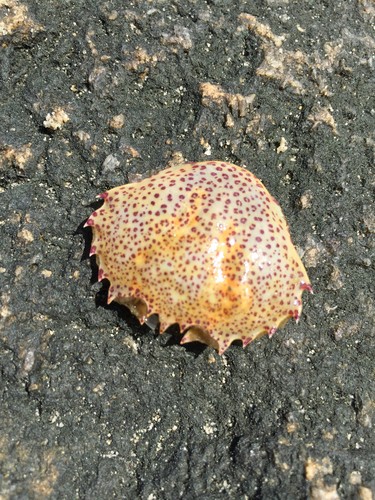
7. Lady crab
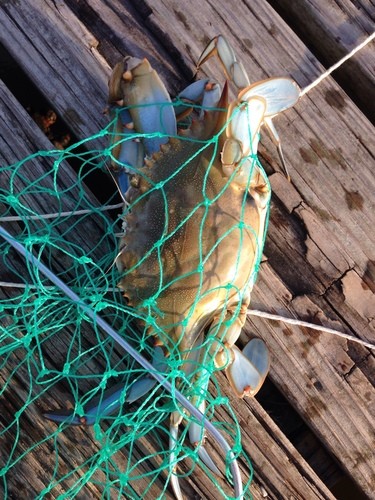
The carapace of O. ocellatus is slightly wider than long, at 8.9 centimetres (3.5 in) wide, and 7.5 cm (3.0 in) long. This distinguishes it from other crabs in the family Portunidae, which often have elongated lateral spines. The carapace is yellow-grey or light purplish, with "leopardlike clusters of purple dots", and 3–5 spines along the edge behind each eye. O. ovalipes is almost identical to O. floridanus, which lives in the Gulf of Mexico, but can be separated from the sympatric O. stephensoni by the purple spots, which O. stephensoni lacks. 
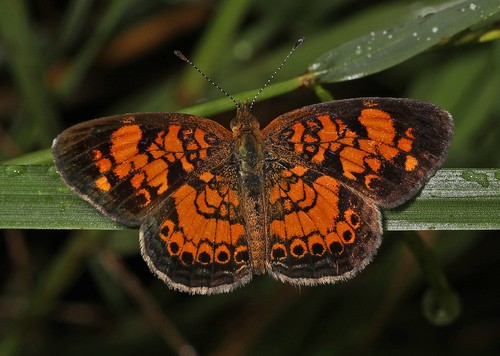
8. Pearl crescent
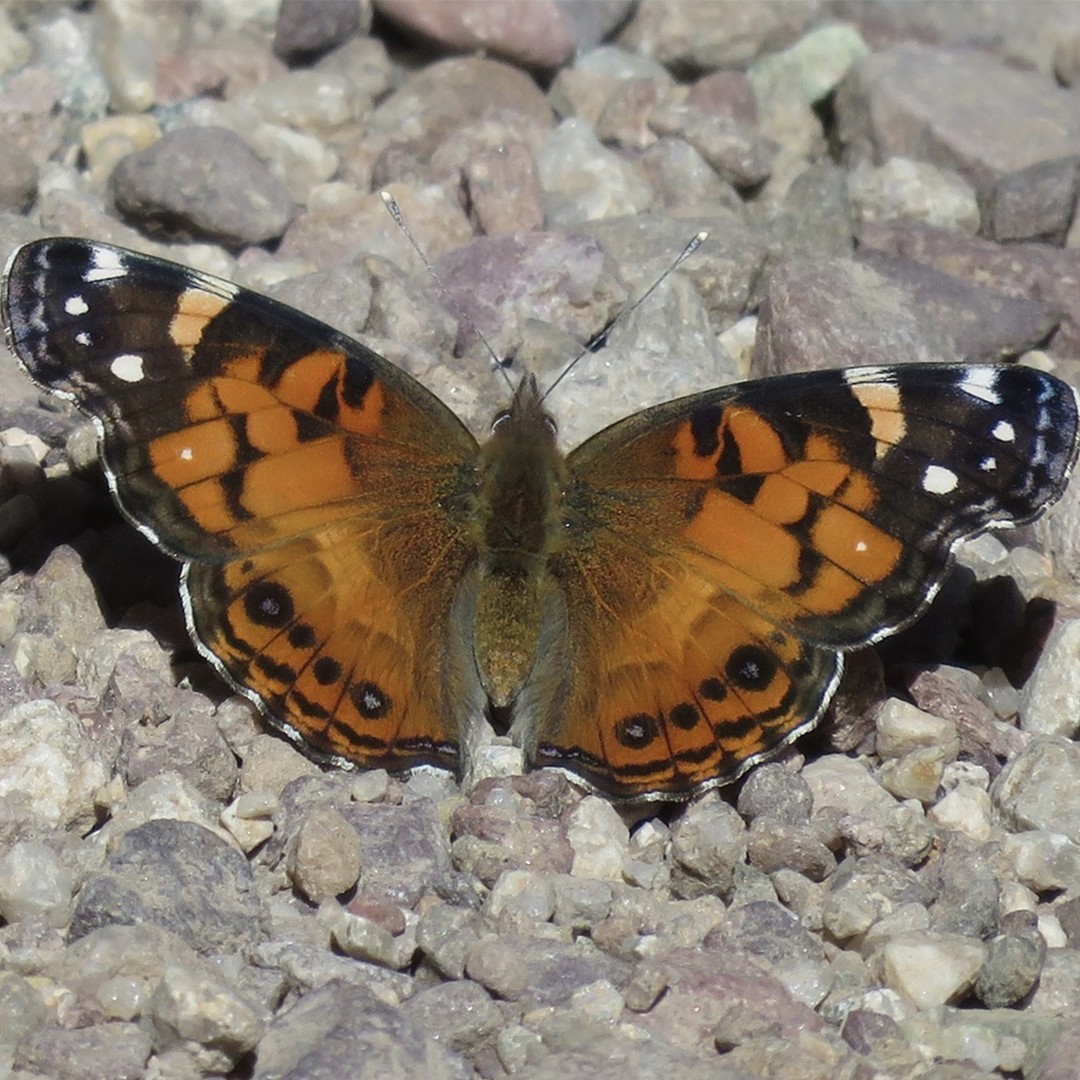
The pearl crescent (Phyciodes tharos) is an orange butterfly that lives in open areas that are generally moist and sunny. These butterflies are attracted to puddles, and the males will often fight with other male butterflies that land near the same puddle. However, females are not as aggressive and prefer to stay in groups.

9. Spicebush swallowtail
The spicebush swallowtail (Papilio troilus) is a butterfly with an extreme love for plants in the Lauraceae family, such as spicebushes. Their preference is so strong that an experiment proved they would rather die than choose another host. Their two subspecies, *T. troilus *troilus and *T. troilus *ilioneus, differ based on location. The *T. troilus *ilioneus has more bluish spots and prefers redbay and swampbay plants.

10. Multicolored asian ladybeetle
Often confused for the ladybug, multicolored asian ladybeetle (Harmonia axyridis) is a separate species that, unlike the ladybug, is a household pest. It is considered particularly annoying for its habit of returning to places from which it is removed. One of the most variable species in the world, there are many different colors and patterns multicolored asian ladybeetle may display, making identification potentially difficult.
More







