




Top 20 Most Common Insects in Oklahoma City
Insects, known for their distinctive exoskeletons and habitats ranging from skyscrapers to backyard gardens,plays vital roles in the vibrant ecosystem of Oklahoma City. These various species, encompassing both pests and beneficial insects, strongly mirror Oklahoma City's environments. Our list of top 20 most common insects showcases their significance in our urban and natural landscapes.

Most Common Insects
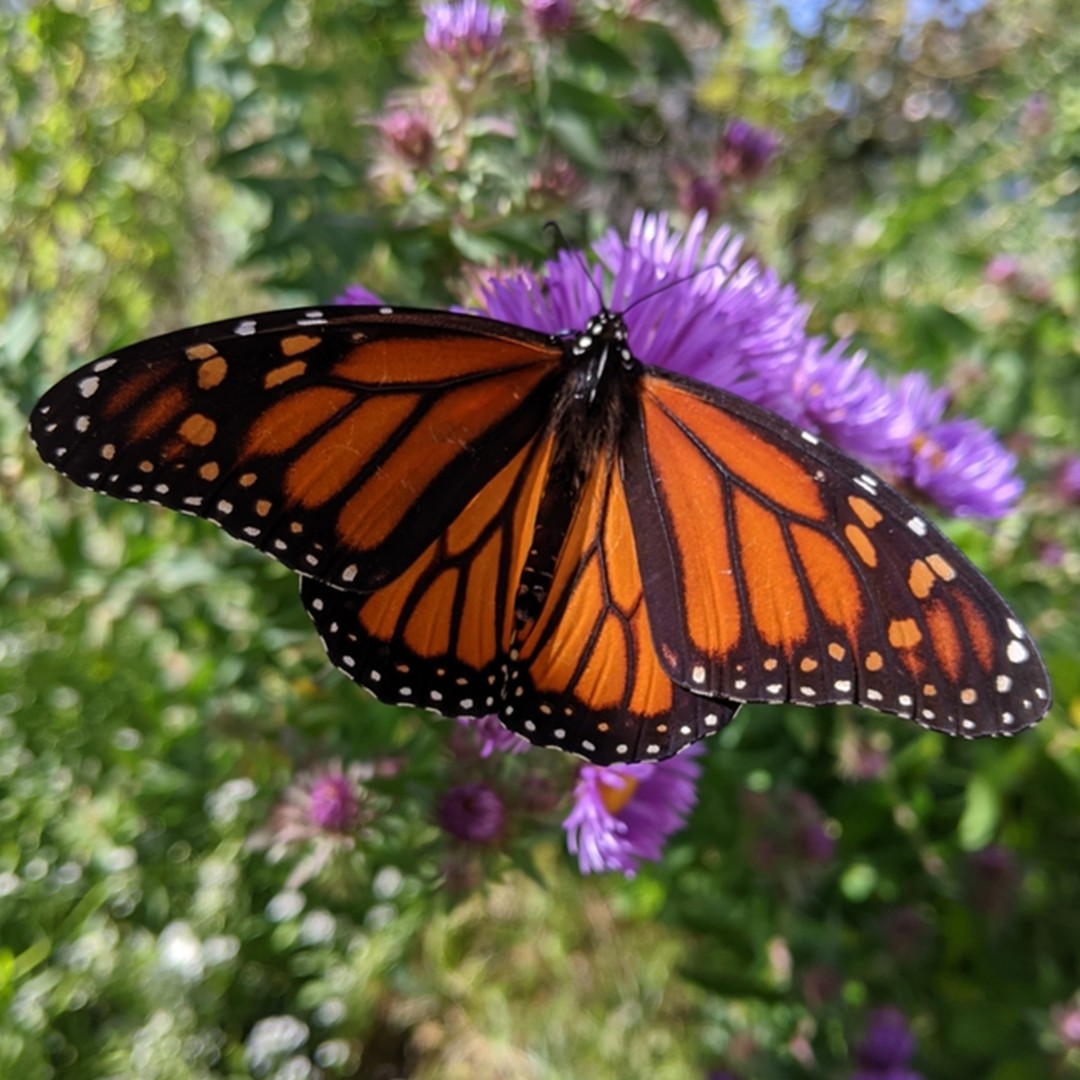
1. Monarch butterfly
The monarch butterfly (Danaus plexippus) is the most recognizable butterfly in North America. It is best known for its appearance, but should be better known for the fact that it has a 3000-mile migration that takes the butterfly 4 generations to complete. Their diet is also a natural deterrent for predators, as they eat milkweed, a poison that induces vomiting.
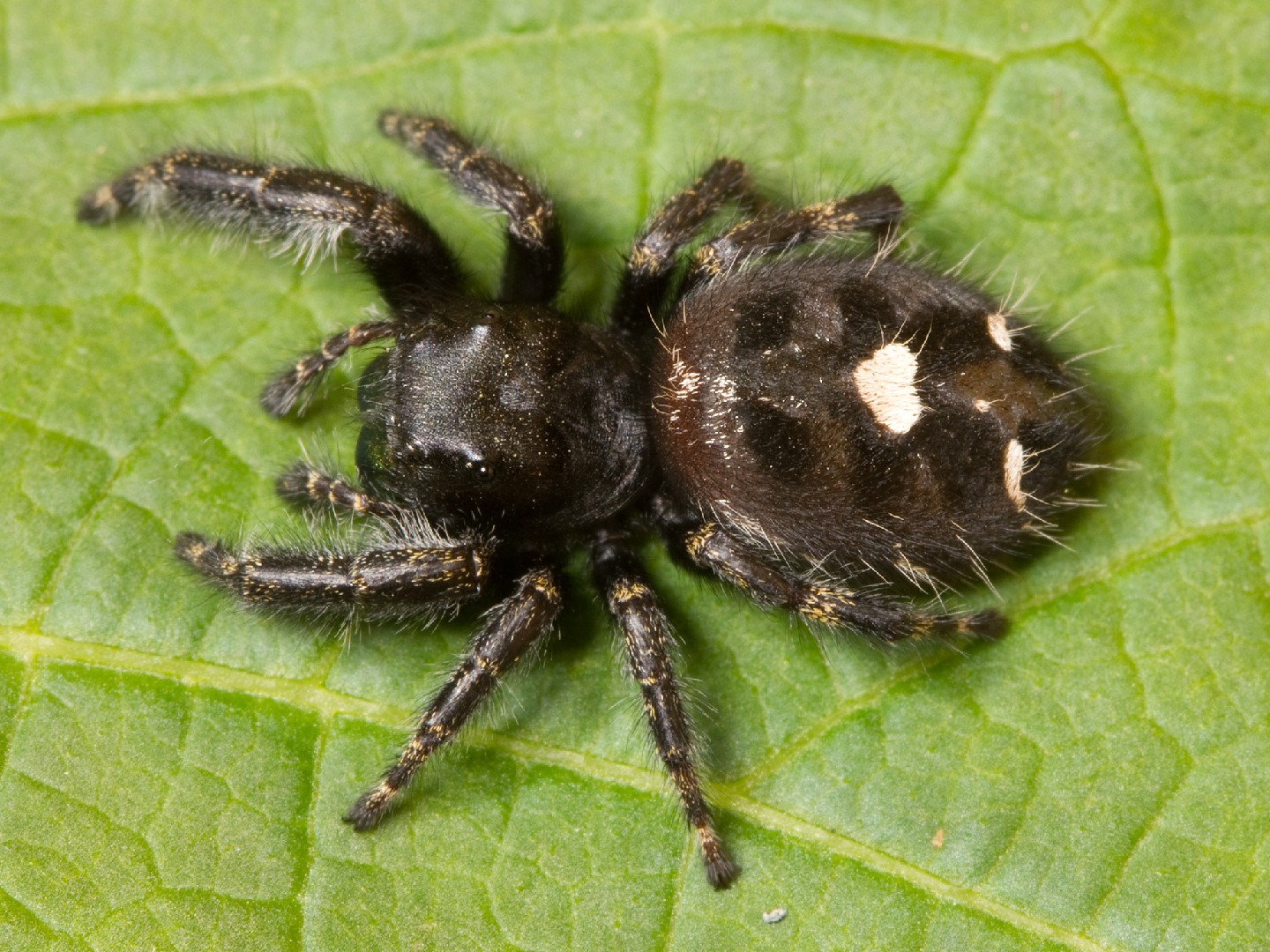
2. Bold jumping spider
The bold jumping spider (Phidippus audax) earned that name from its ability to be sneaky and jump on their prey. Their incredible eyesight allows them to spot prey from greater distances than other spiders. Another possible way it could have earned its name is due to its mating habits. If the female approaches too quickly the male can jump away.
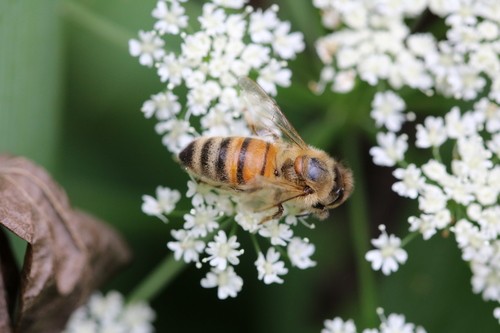
3. Western honey bee
Western honey bee(Apis mellifera) is the most common species of honeybee in the world. Among the first domesticated insects, its cultural and economic impact on humanity has been vast and far-reaching, providing honey, wax and its services as a pollinator. Western honey bee faces challenges worldwide, such as colony collapse disorder, and populations are thought to be decreasing.
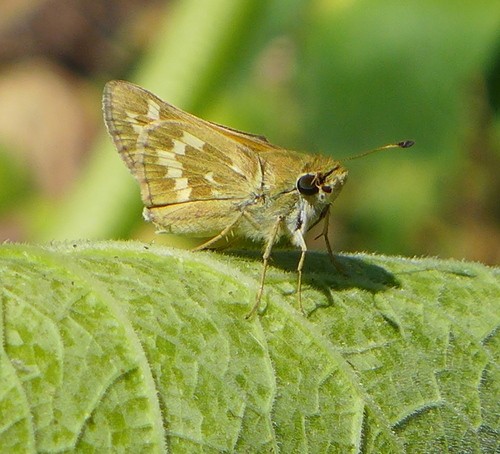
4. Sachem
The sachem (Atalopedes campestris) feeds on the nectar of many flowers, including milkweeds, peppermint, and red clovers. It often spends its time near pastures, meadows, roadsides, parks, and yards. The males spend most of their time on the ground, waiting for females to come.
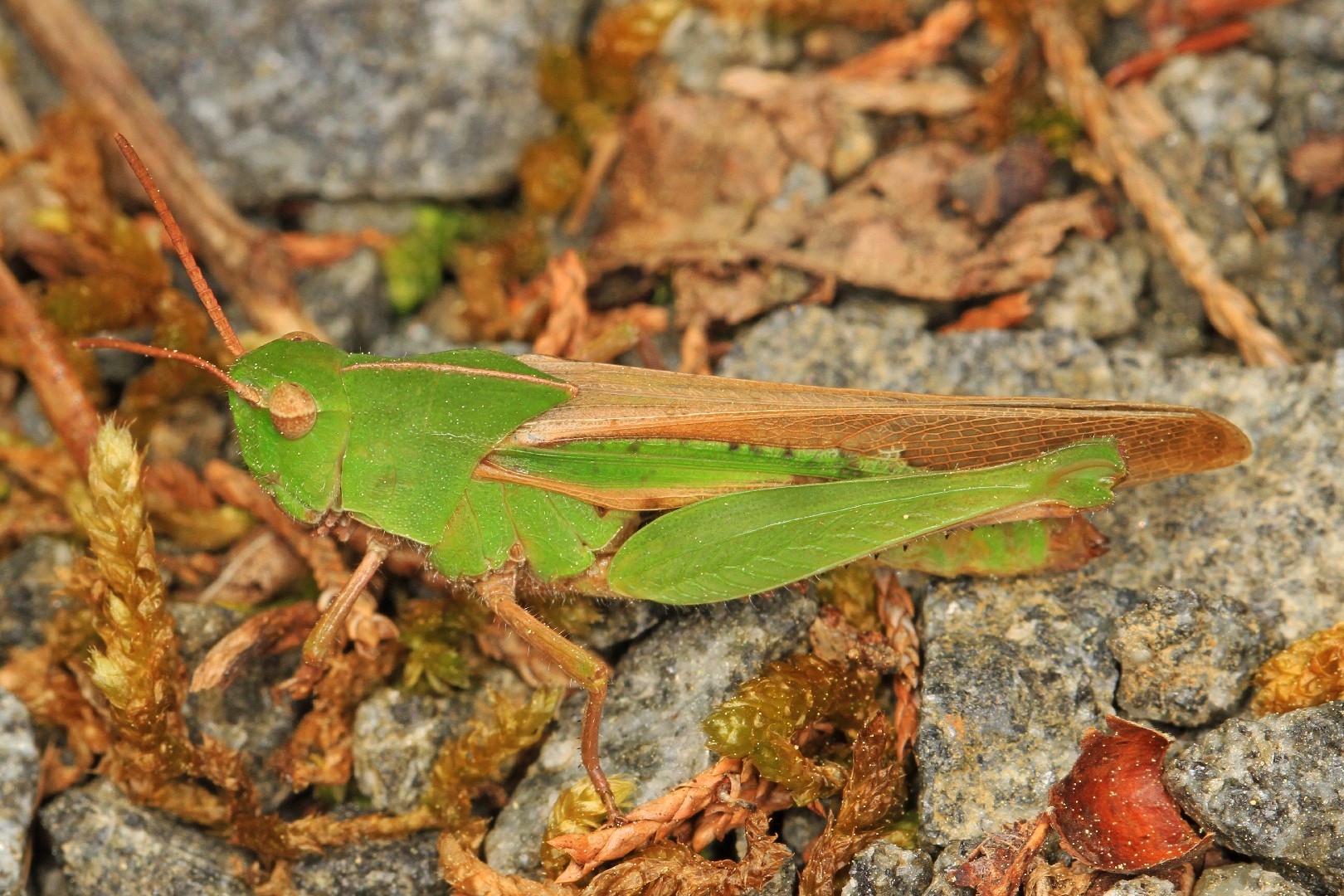
5. Green-striped grasshopper
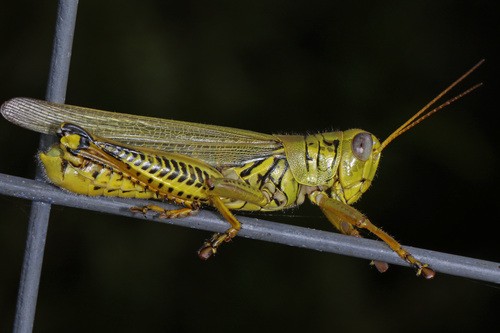
The green-striped grasshopper ( Chortophaga viridifasciata) has very powerful hind legs so that it can jump around one meter long forward. It ranges widely in North America and extends southward into Central America. They are seen most frequently in moist and sunny areas of short grass.
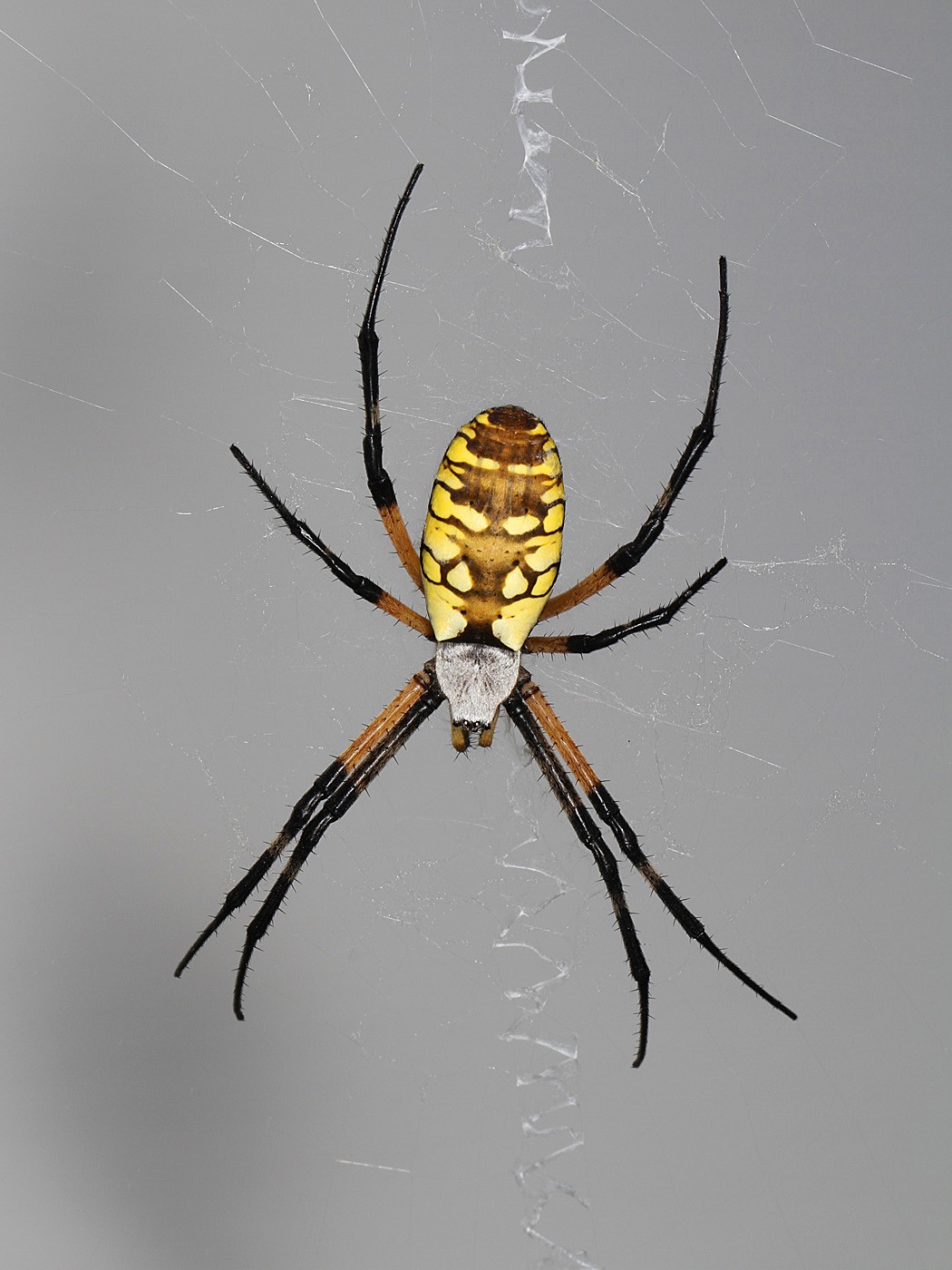
6. Yellow garden spider
The yellow garden spider (Argiope aurantia) is an arachnid that connects itself to its web to feel vibrations that signal to him prey has been caught. Its venom is harmless to humans but perfect for catching smaller insects that might cause harm to your garden. Yellow garden spiders web construction process includes bridge construction and scaffolding, making it among the more complicated web patterns.
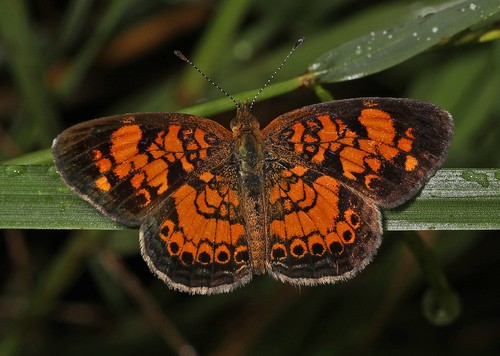
7. Pearl crescent
The pearl crescent (Phyciodes tharos) is an orange butterfly that lives in open areas that are generally moist and sunny. These butterflies are attracted to puddles, and the males will often fight with other male butterflies that land near the same puddle. However, females are not as aggressive and prefer to stay in groups.
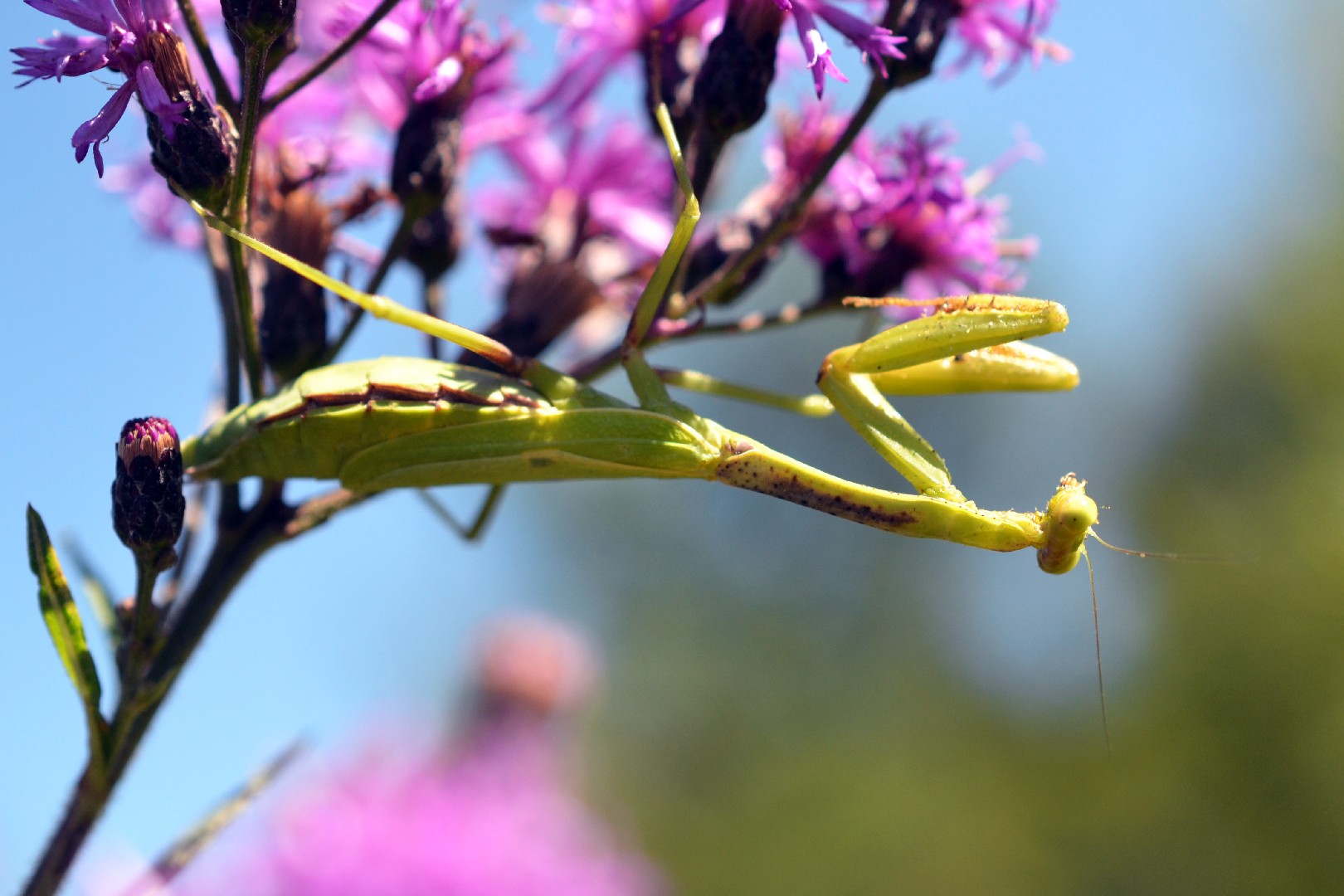
8. Carolina Mantis
The carolina Mantis (Stagmomantis carolina) is a dusty brown mantis where the females are larger than the males, but the males can fly. Under laboratory conditions, females have been observed cannibalizing their mate. However, this has not been observed under natural circumstances.
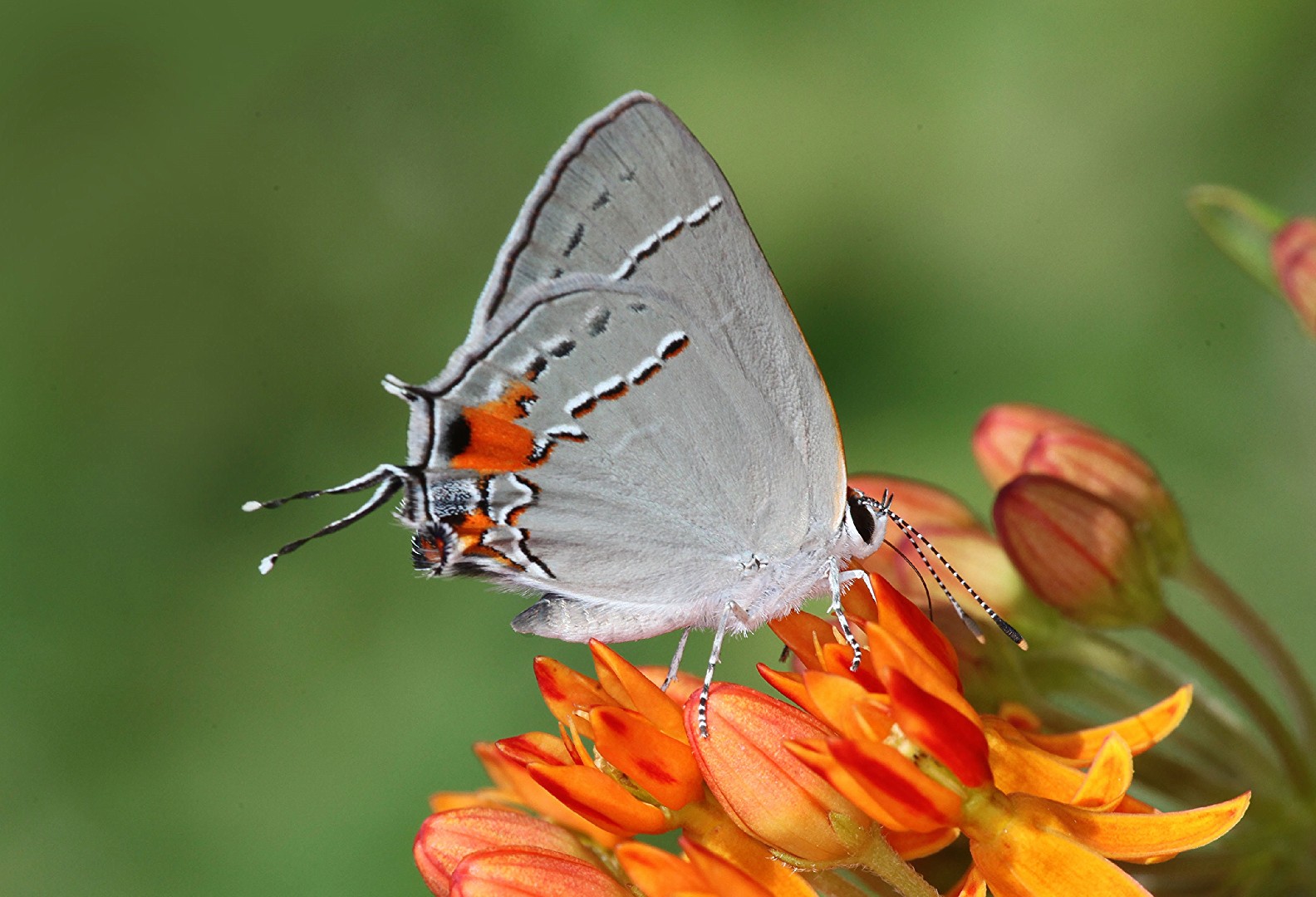
9. Gray hairstreak
Strymon melinus is a butterfly of the family Blüullingen (Lycaenidae) of the subfamily of Hairstreak (Theclinae).

10. Multicolored asian ladybeetle
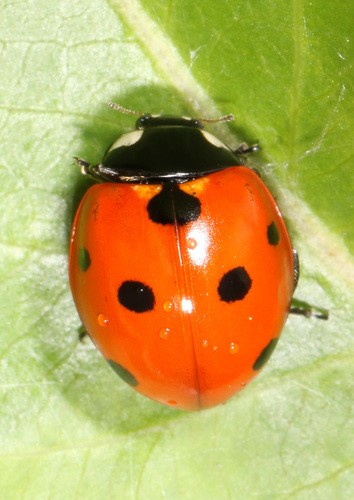
Often confused for the ladybug, multicolored asian ladybeetle (Harmonia axyridis) is a separate species that, unlike the ladybug, is a household pest. It is considered particularly annoying for its habit of returning to places from which it is removed. One of the most variable species in the world, there are many different colors and patterns multicolored asian ladybeetle may display, making identification potentially difficult.



More







