




Top 20 Most Common Insects in Salem
Insects: the unsung heroes of our ecosystem, exhibiting a range of distinctive features and diverse habitats even in urban environments of Salem. Their role is pivotal, from pests controlling waste decomposition, to beneficial pollinators maintaining our green landscapes. This roundup reveals the 20 most common insects inhabiting Salem, underscoring the unique roles they play in the ecosystem's equilibrium.

Most Common Insects
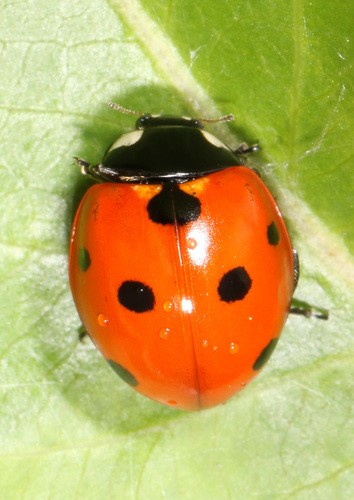
1. Seven-spotted ladybug
Seven-spotted ladybug (Coccinella septempunctata), known in North America as the "seven-spotted ladybug," is the most common species of ladybird in Europe and the official state insect of five U.S. states. While not native to North America, it has established itself there after being introduced to control aphid populations. Its bright coloring deters predators, and it may also play dead or secrete foul-smelling liquids to discourage consumption.
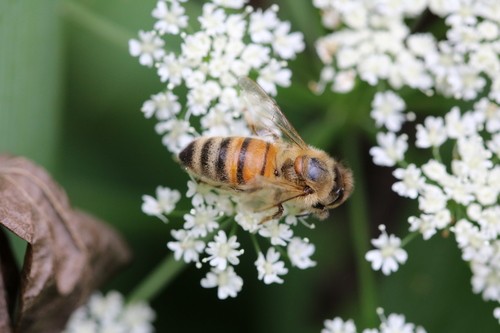
2. Western honey bee
Western honey bee(Apis mellifera) is the most common species of honeybee in the world. Among the first domesticated insects, its cultural and economic impact on humanity has been vast and far-reaching, providing honey, wax and its services as a pollinator. Western honey bee faces challenges worldwide, such as colony collapse disorder, and populations are thought to be decreasing.
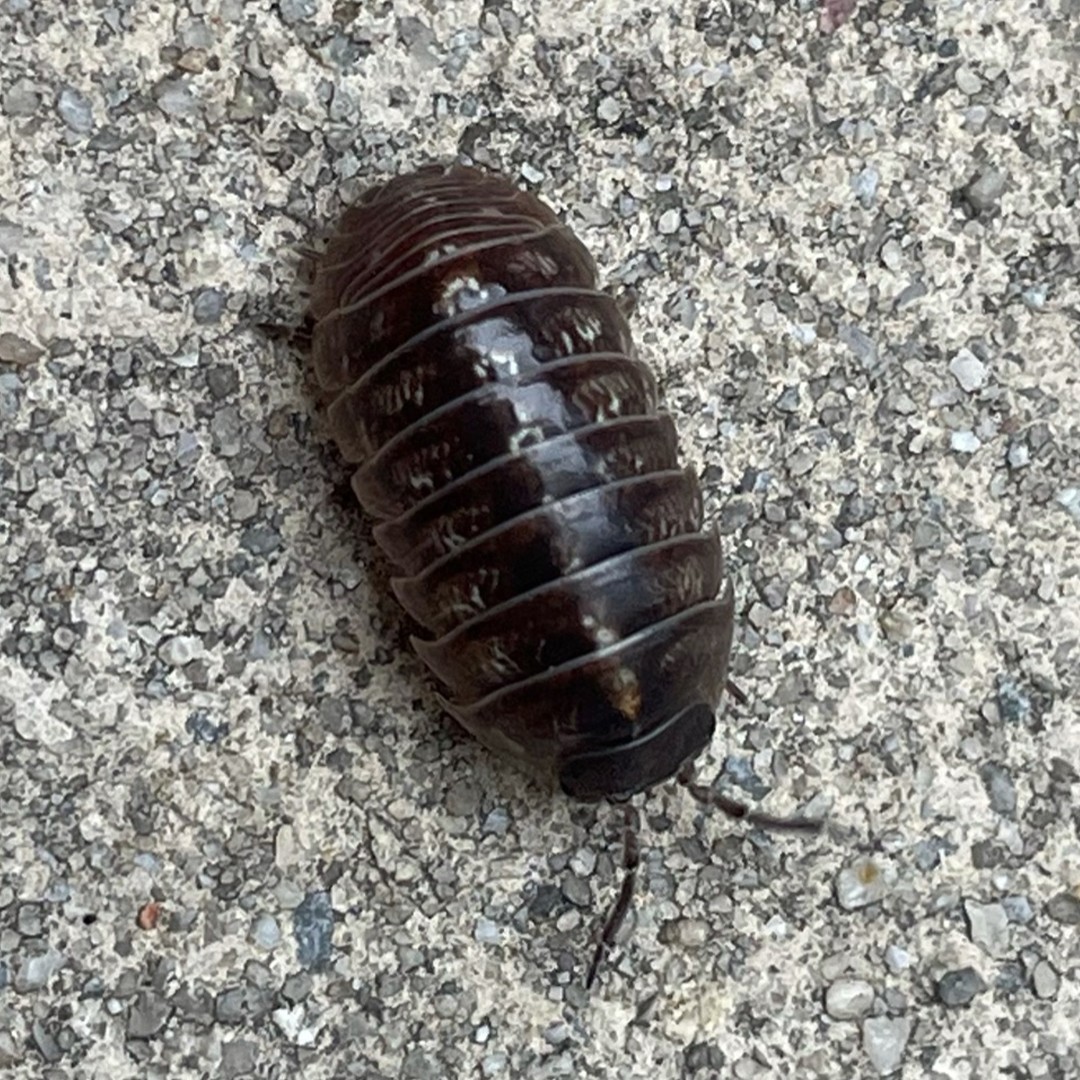
3. Common Pill-Bug
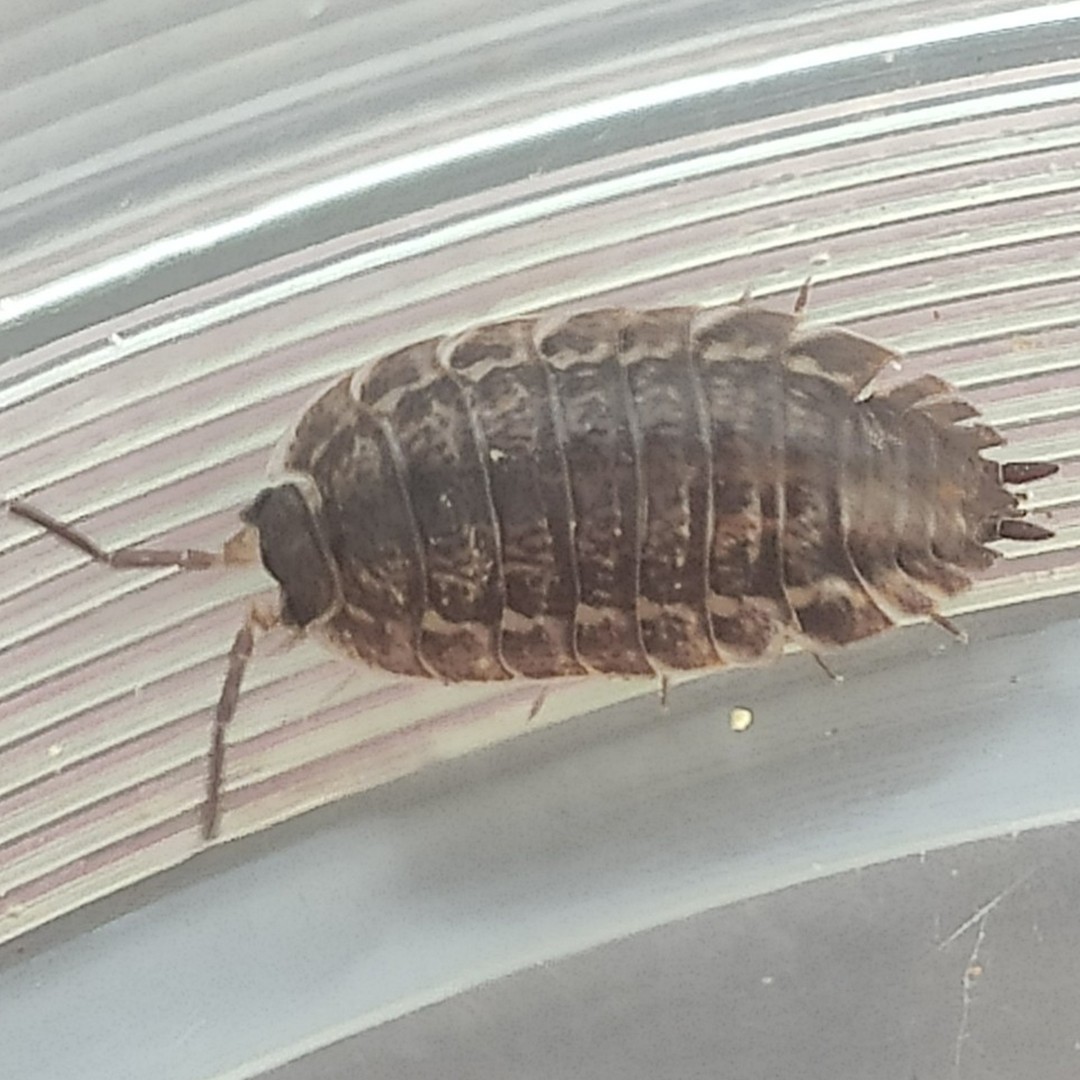
The common Pill-Bug is a nocturnal woodlouse species that's fairly popular among hobbyists and sometimes kept as a pet. When disturbed, this small bug rolls into a ball, resembling a pill or armadillo, hence both its Latin and common English names. Compared to other Armadillidium species, this one is able to withstand drought more than any other. 

4. Multicolored asian ladybeetle
Often confused for the ladybug, multicolored asian ladybeetle (Harmonia axyridis) is a separate species that, unlike the ladybug, is a household pest. It is considered particularly annoying for its habit of returning to places from which it is removed. One of the most variable species in the world, there are many different colors and patterns multicolored asian ladybeetle may display, making identification potentially difficult.
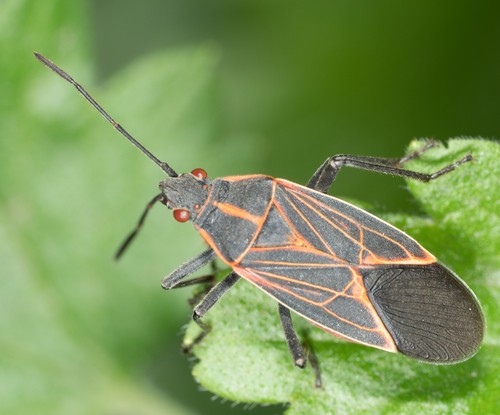
5. Western box elder bug
The western box elder bug (Boisea rubrolineata) is most recognized by the annoyance it causes during the fall, as it has a tendency to invade homes in search of warmer protection. It has a prominent red border against a dark body that makes it easily identifiable. Other than this, they are a fairly harmless insect which may only damage some commercial fruits occasionally.
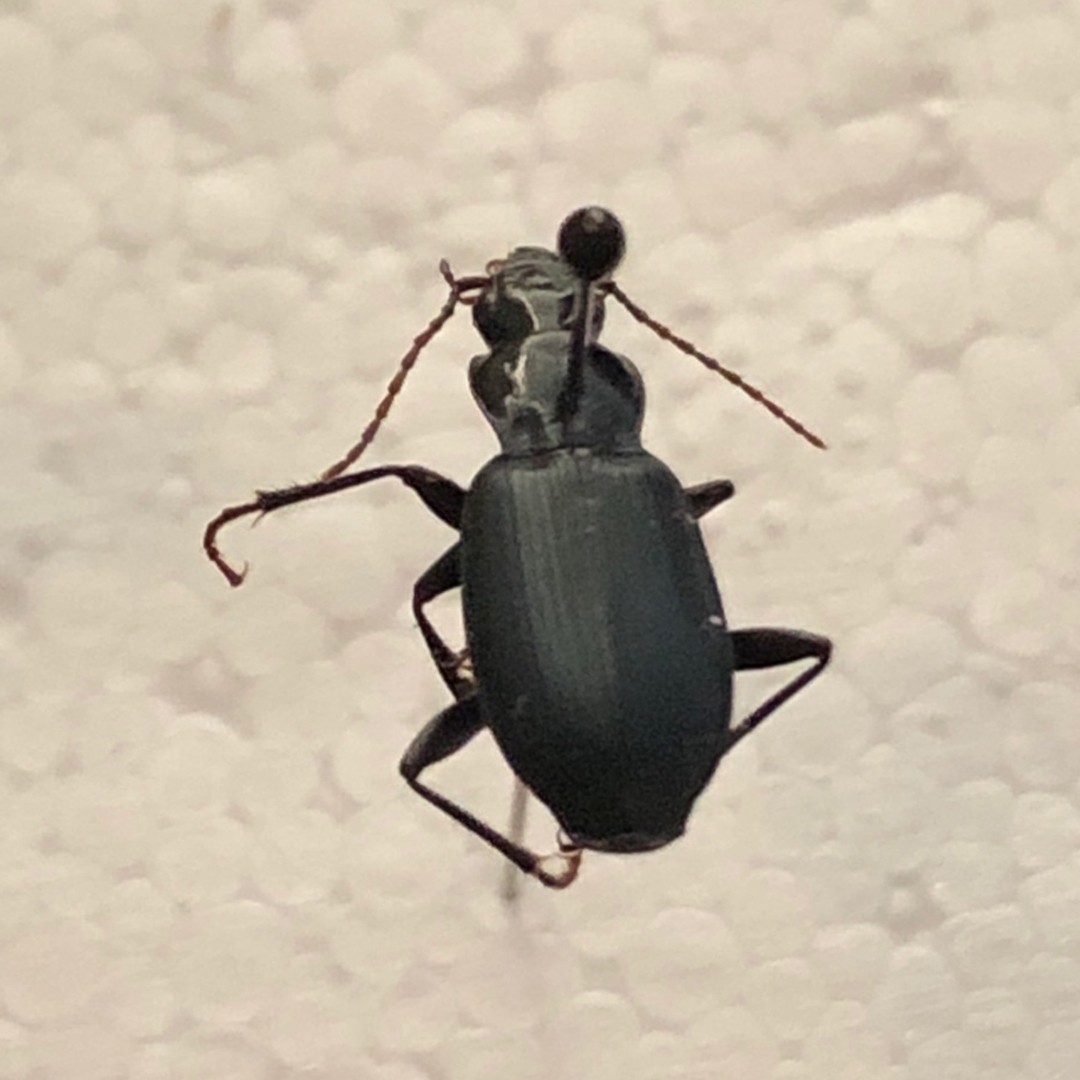
6. Common Heart-Shield
Nebria brevicollis is a species of ground beetle native to Europe and the Near East. In Europe, it is found in all countries and islands except the Azores, the Canary Islands, the Channel Islands, Franz Josef Land, Gibraltar, Madeira, Malta, Monaco, the North Aegean Islands, Novaya Zemlya, San Marino, the Selvagens Islands, Svalbard and Jan Mayen, and Vatican City. It has now been reported as introduced in western Oregon, U.S.A., where it has been found in highly disturbed sites as well as in native old-growth forest stands. It has also now been found in Washington State (see external link to BugGuide, below).
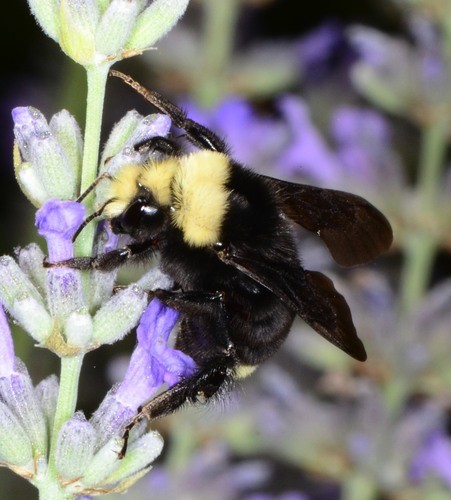
7. Yellow-faced bumble bee
The yellow-faced bumble bee (Bombus vosnesenskii) is known for its mostly black body with a yellow face. Their population is not dropping, but continued expansion of urban human populations is causing some difficulty for this bee to make nests. But what it does find it tends to monopolize due to its early arrival in the season.
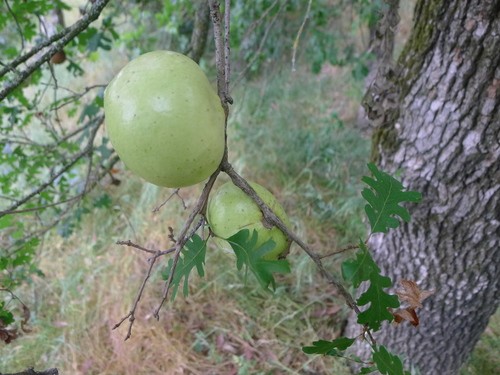
8. California Gall Wasp
The california Gall Wasp ( Andricus quercuscalifornicus ), is known for its ability to induce galls on oak tree stems. The galls form a persistent shelter for various kinds of fungi as well as many other insects. If it wasn’t for the reproduction, they would stay in the galls forever.
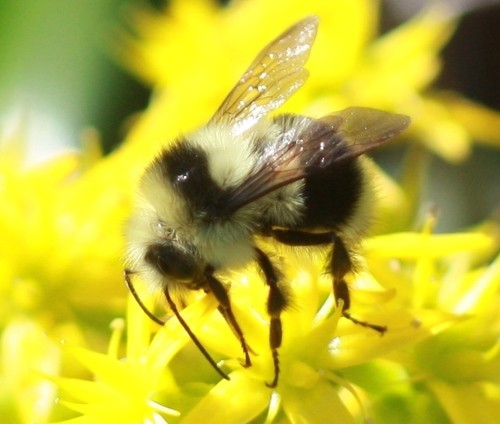
9. Black-tailed bumble bee
Bombus melanopygus is a non-woven insect from the family of bees and bumblebees (Apidae). The scientific name of the species was first validly published in 1848 by Nylander.
10. Crowned orbweaver
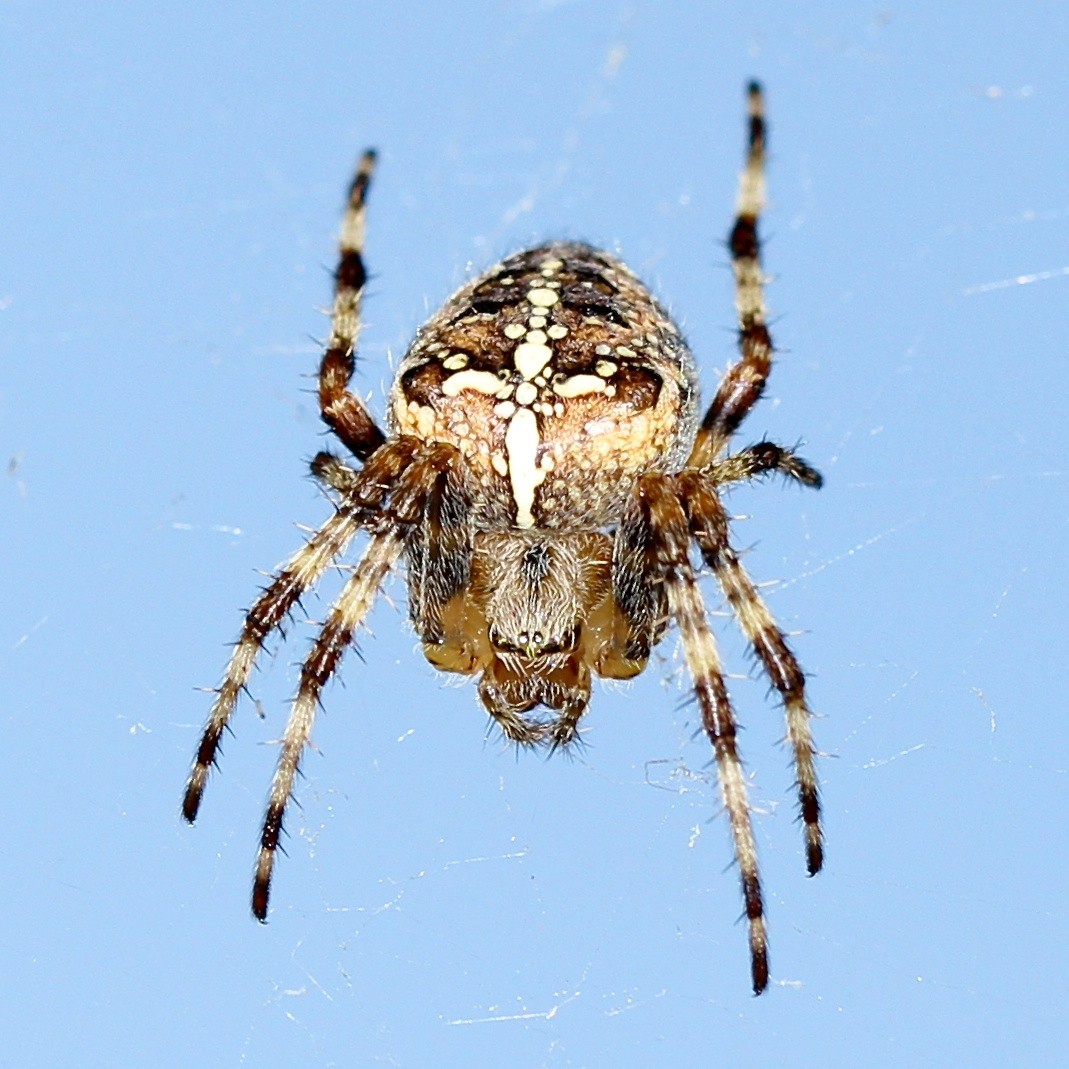
A common species of orb-weaver, crowned orbweaver (Araneus diadematus) builds large and noticeable webs. Only the females build webs, and they may prey upon their mates before, during or after engaging in sexual intercourse. Crowned orbweaver is reluctant to bite humans and will not do so unless scared or provoked. It avoids danger by vibrating in its web until it becomes a blur, confusing predators.


More







