




Top 20 Most Common Insects in Queensland
Welcome to our list of the top 20 most common insects in Queensland. This vibrant state, teeming with diverse insect life, serves as a perfect canvas for biodiversity, with geography playing a key role in this diversity. Insects, both pests and beneficial ones, are crucial players in Queensland's delicate ecosystem, highlighting the complex interplay between habitats and their inhabitants. Understanding this relationship helps us appreciate these small yet mighty creatures' roles. Stay tuned for an exciting exploration.

Most Common Insects
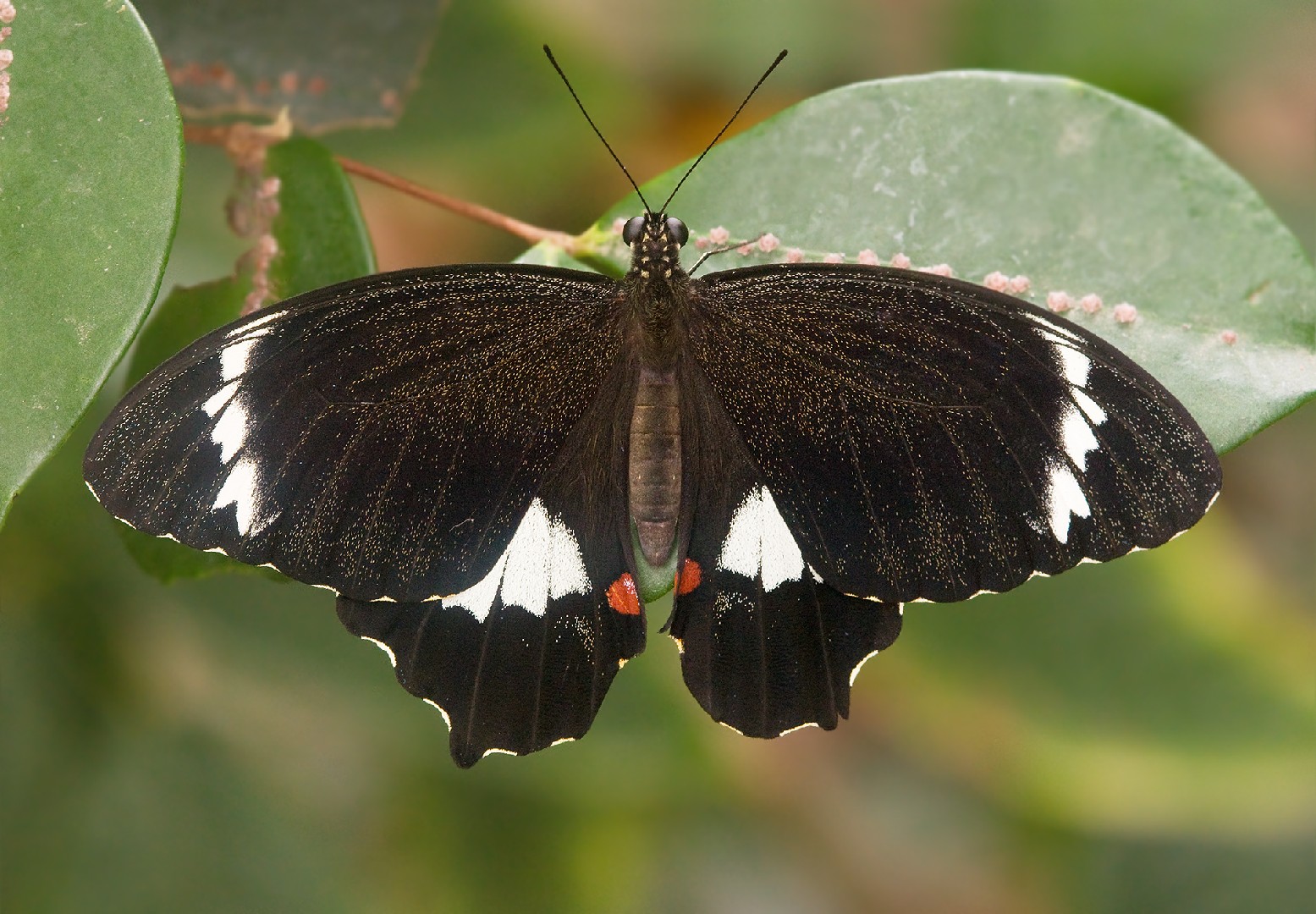
1. Orchard swallowtail
The orchard swallowtail (Papilio aegeus) is a swallowtail butterfly without the long tail. Despite the confusion, it is still a beautiful butterfly that is a combination of black, white, and orange. While they are typically in Australia, they are known to expand their territory to Victoria when citrus trees are abundant. This gives it the secondary name of the Large citrus butterfly.
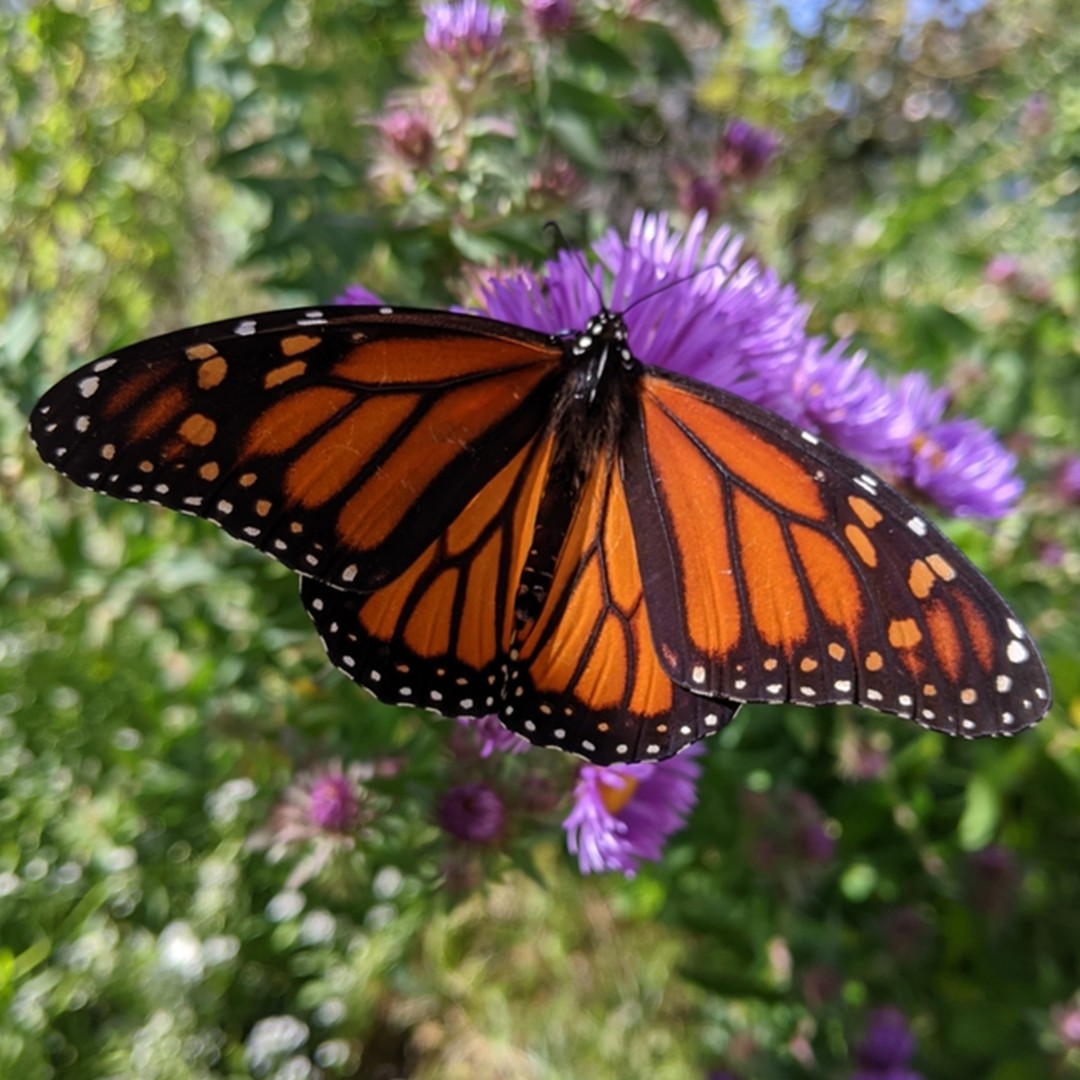
2. Monarch butterfly
The monarch butterfly (Danaus plexippus) is the most recognizable butterfly in North America. It is best known for its appearance, but should be better known for the fact that it has a 3000-mile migration that takes the butterfly 4 generations to complete. Their diet is also a natural deterrent for predators, as they eat milkweed, a poison that induces vomiting.
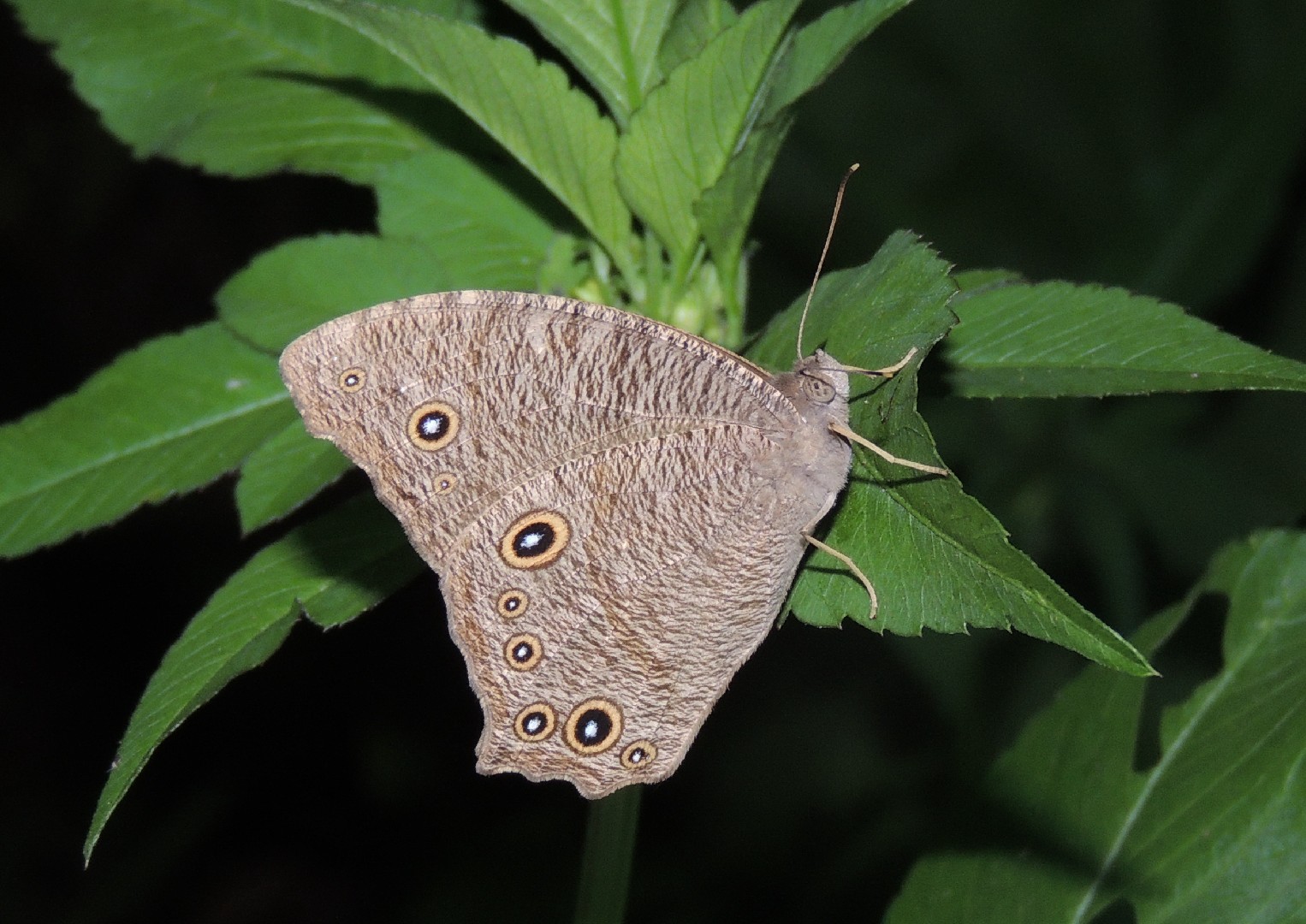
3. Common evening brown
The common evening brown (Melanitis leda) changes its appearance based on the season. During wet seasons, it has a pale brown underside and a dark brown top. Then, during dry seasons, it often has more distinguished bands or spots. It uses these neutral colors to help it blend into leaves and trees. It usually only flies during the evening, resting during daylight.

4. Blue moon butterfly
Hypolimnas bolina, the great eggfly, common eggfly or in New Zealand the blue moon butterfly is a species of nymphalid butterfly found from Madagascar to Asia and Australia. 
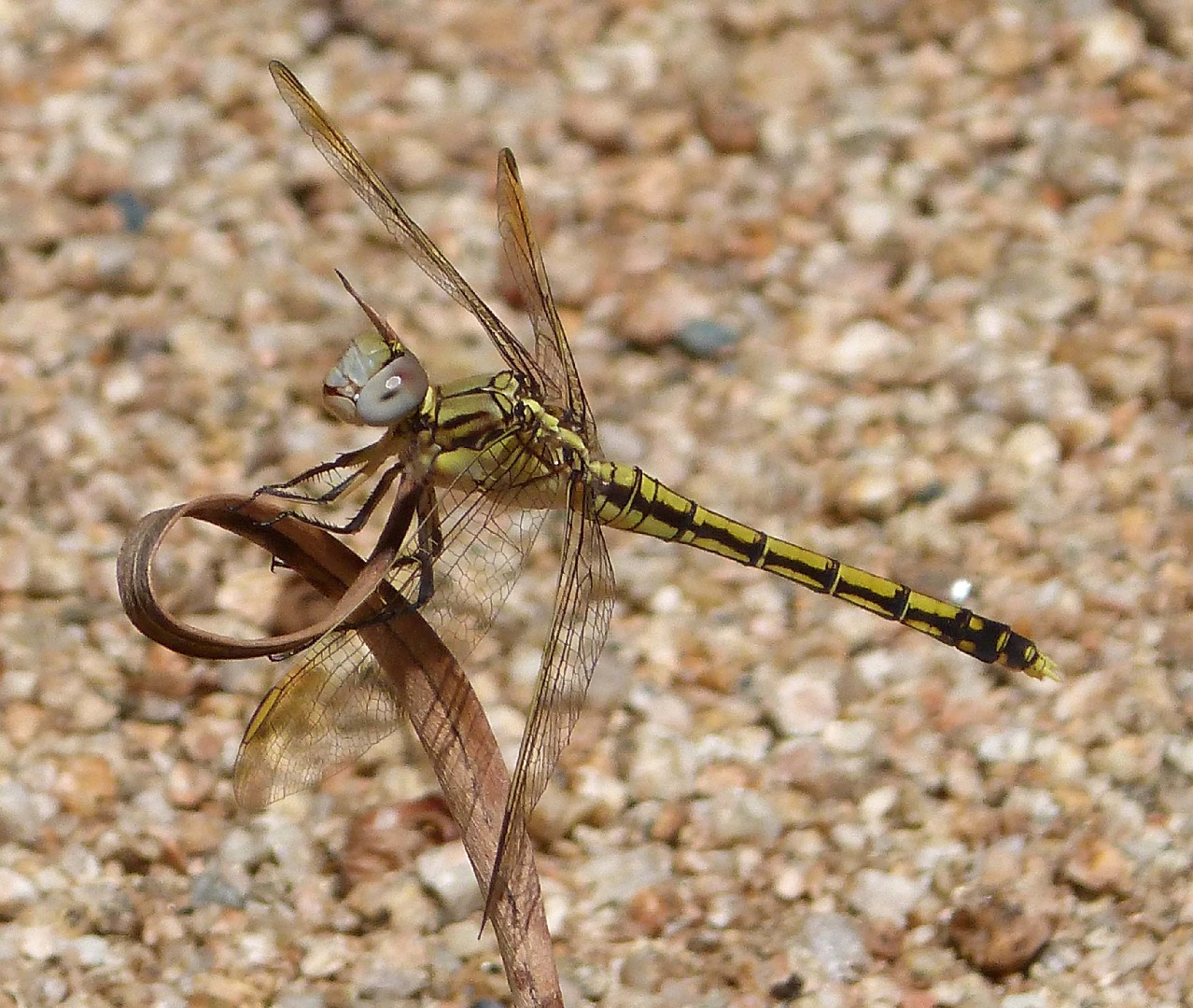
5. Blue skimmer
Males have a powder blue thorax and abdomen pruinescent blue when mature. The females are brownish grey in colour while the teneral are yellow with black markings. They are medium in size, with a body length of 5 cm and a wingspan of 8 cm.
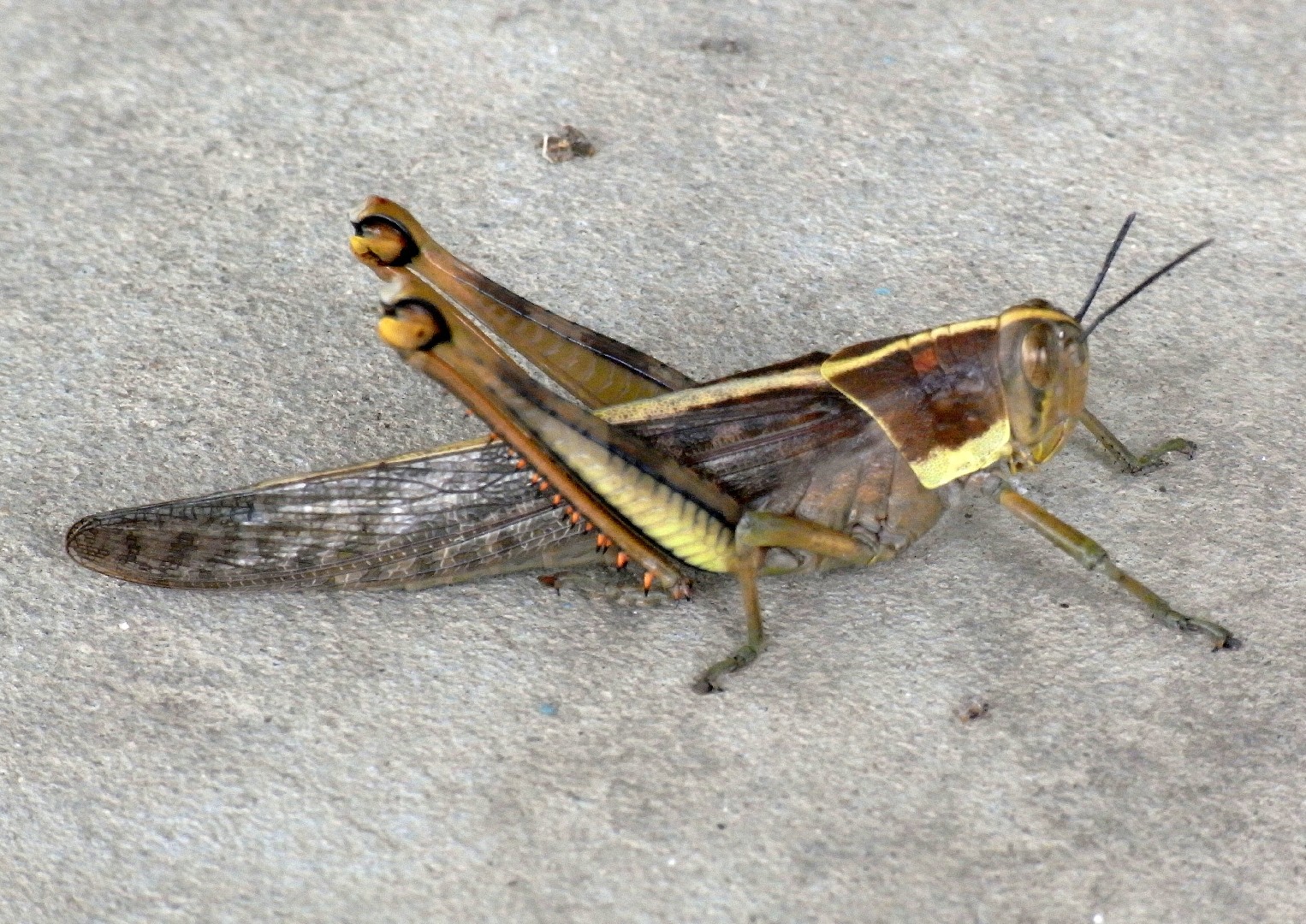
6. Giant grasshopper
The giant grasshopper (Valanga irregularis), also known as the "hedge grasshopper", is a massive insect with a brown body and dark spots. However, the nymphs are bright green. These grasshoppers have spines on their back legs, which they use to attack predators. They also have large compound eyes that can see objects from meters away.
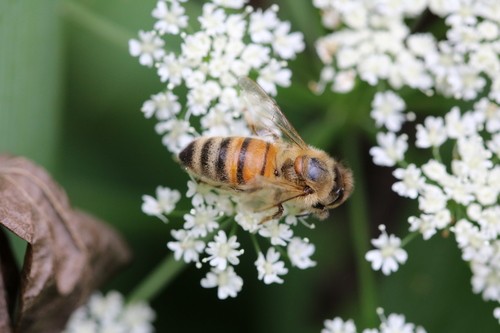
7. Western honey bee
Western honey bee(Apis mellifera) is the most common species of honeybee in the world. Among the first domesticated insects, its cultural and economic impact on humanity has been vast and far-reaching, providing honey, wax and its services as a pollinator. Western honey bee faces challenges worldwide, such as colony collapse disorder, and populations are thought to be decreasing.
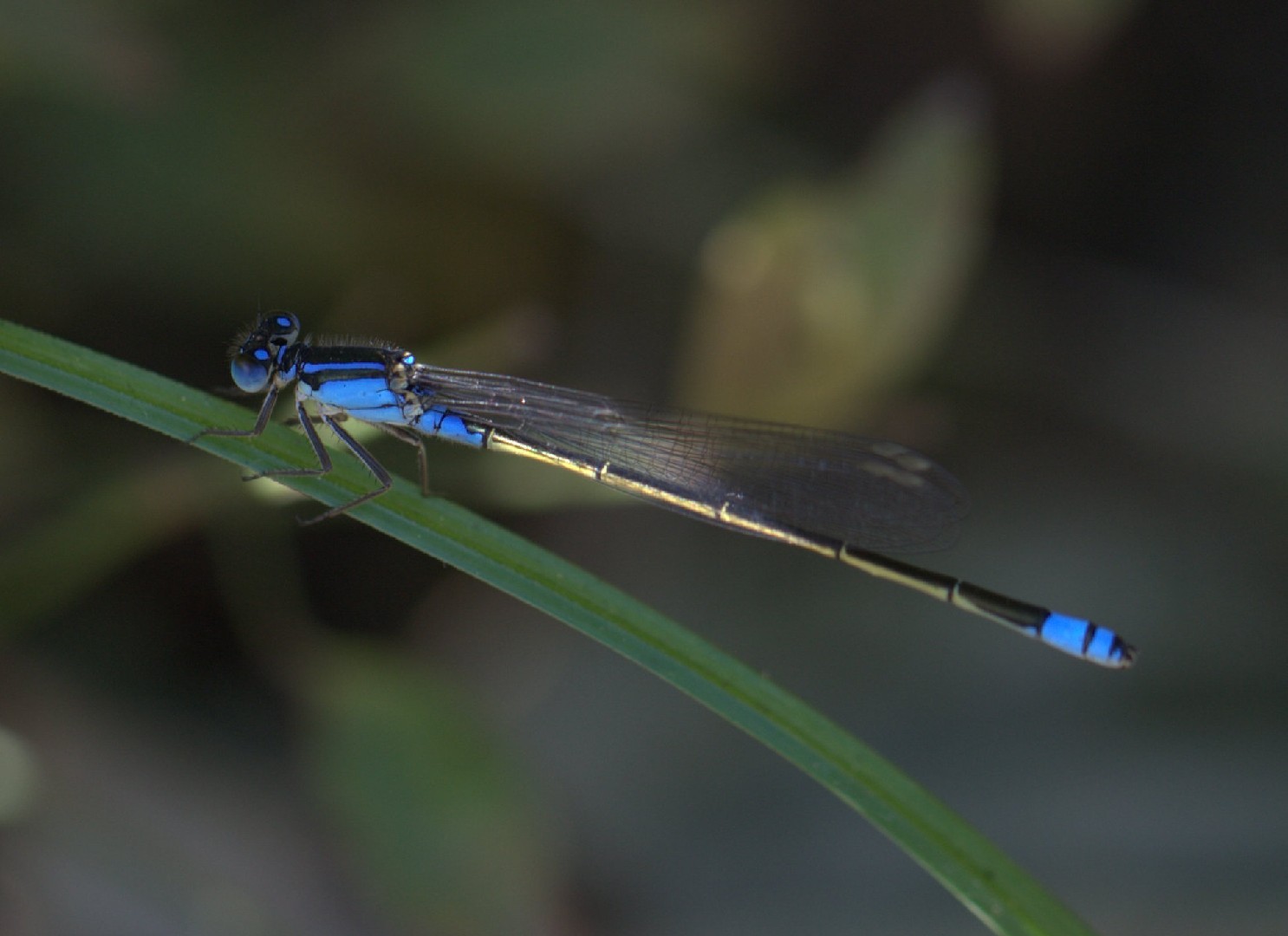
8. Common bluetail
Common bluetail is a small damselfly. Most males have blue eyes, a blue thorax, and a blue ringed tail. The females have a variety of forms including green, brown, black, and a form with very similar colourings to the male.

9. Variable ladybird
The variable ladybird (Coelophora inaequalis) is called that due to the variance of patterns one can see between lady beetles. They can be spotted or have a very distinct pattern between different adults. Much like other ladybugs, they are commonly a pest prevention tool against aphid populations, which makes them a good insect to have around.
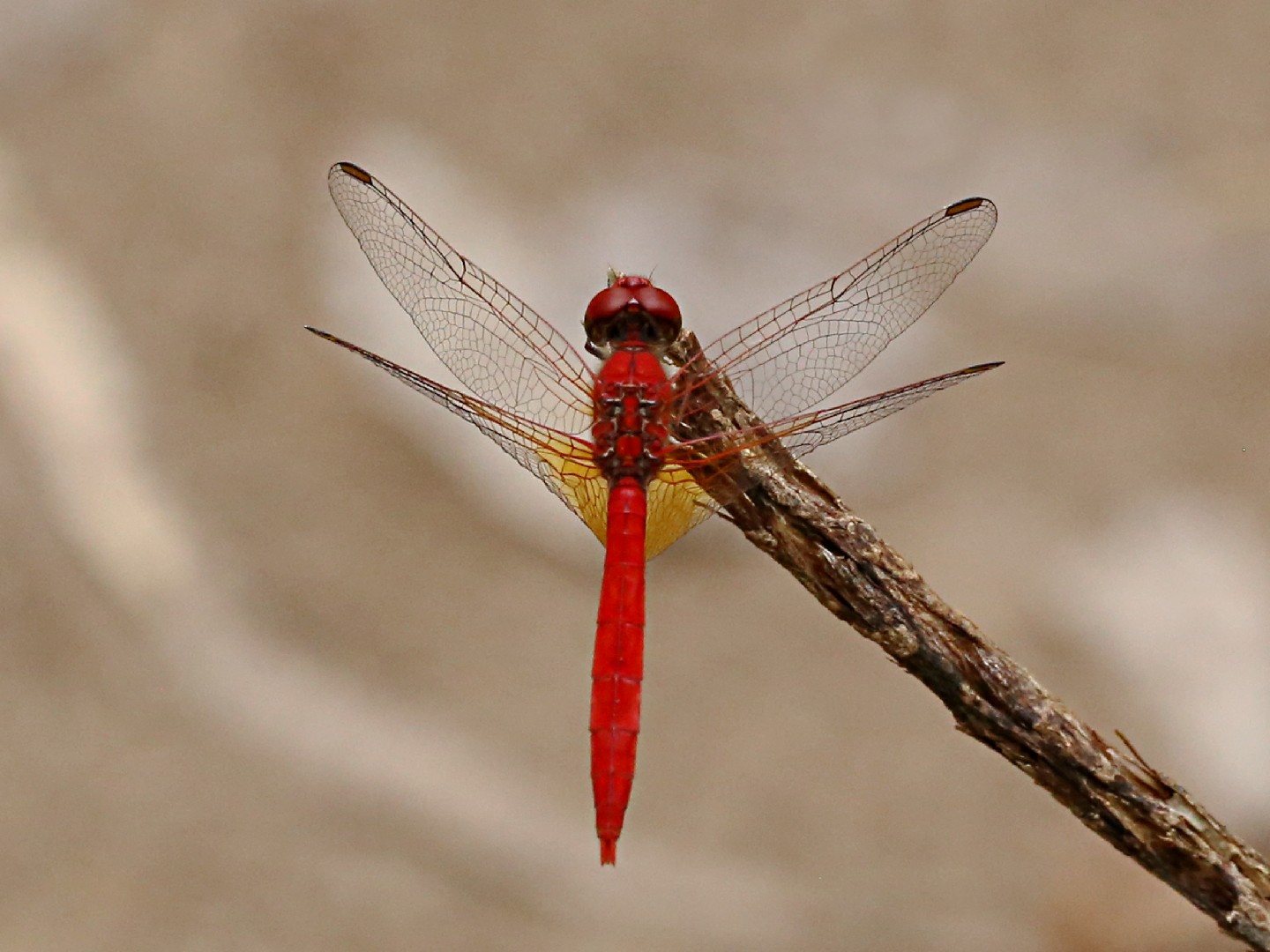
10. Scarlet percher
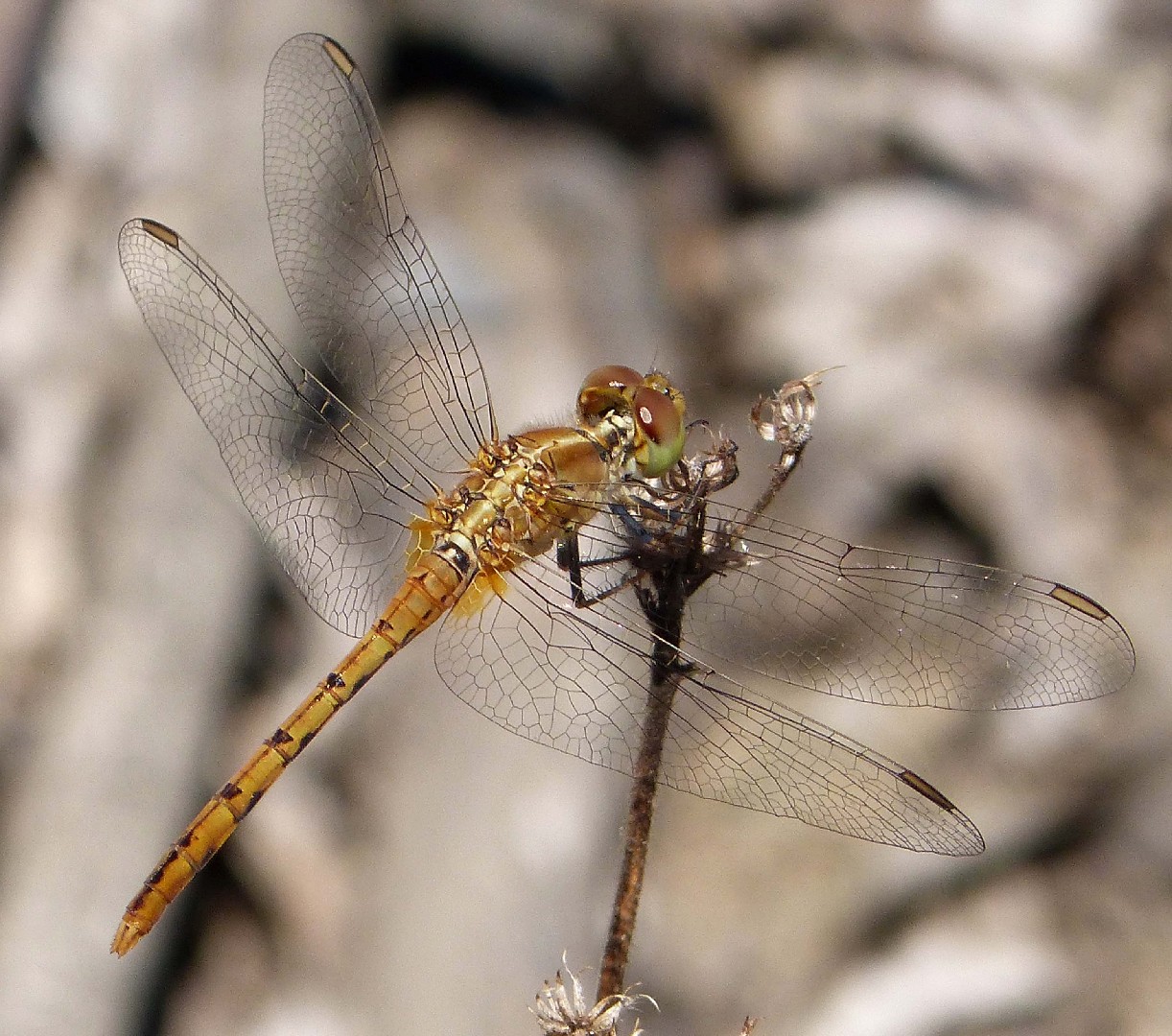
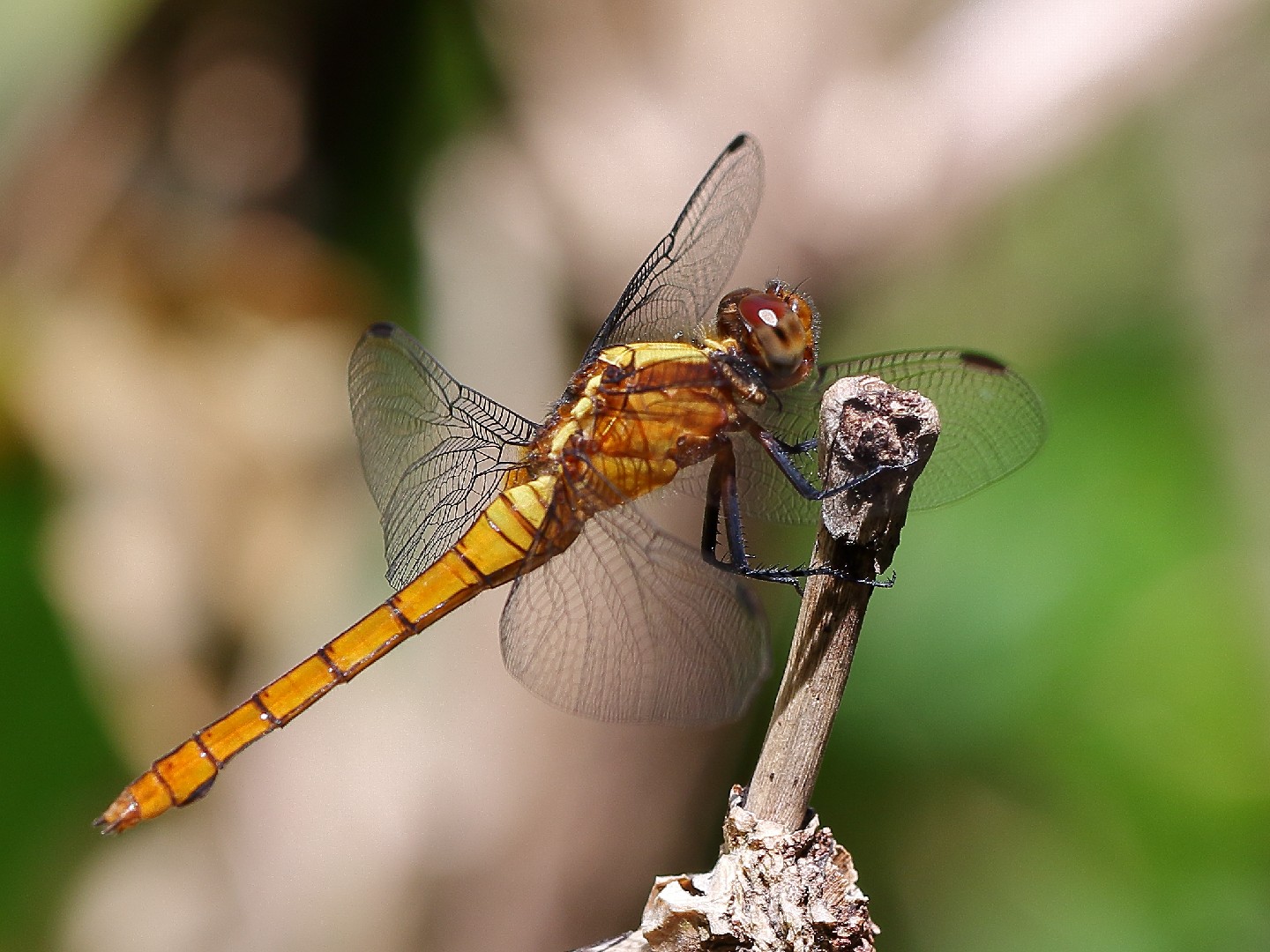
This is a spectacular species of dragonfly, although small in size (wingspan 6 cm, length 3.5 cm). The male is brilliant red, the female yellow-ochre. Females have yellow infuscation suffusing the outer wings, while the males have similar colour at the bases of the wings.

More







