




Top 20 Most Common Insects in Serbia
Insects, classified by their exoskeleton, three-part bodies and compound eyes, thrive in multifarious environments across Serbia. Each landscape, be it alpine heights, verdant plains, or bustling cities, offers unique ecosystems, placing different insects in 20 common sightings list. Interaction of climate, geography, and human intervention nurtures this diversity. Each bug, whether a pesky invader or a beneficial pollinator, underscores the complex relationship between Serbia and its tiny inhabitants.

Most Common Insects

1. Multicolored asian ladybeetle
Often confused for the ladybug, multicolored asian ladybeetle (Harmonia axyridis) is a separate species that, unlike the ladybug, is a household pest. It is considered particularly annoying for its habit of returning to places from which it is removed. One of the most variable species in the world, there are many different colors and patterns multicolored asian ladybeetle may display, making identification potentially difficult.
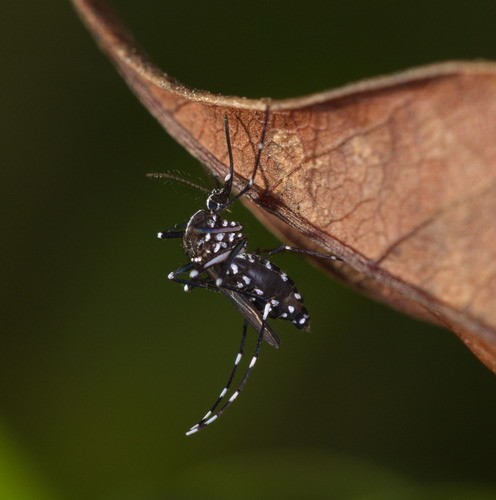
2. Asian Tiger Mosquito
The asian Tiger Mosquito (Aedes albopictus) has recently (the 1970s) infested every corner of the world through the shipment of used tired, lucky bamboo (Dracaena sanderiana), and other similar products. The asian Tiger Mosquito is known to transmit many deadly diseases that include West Nile Virus.
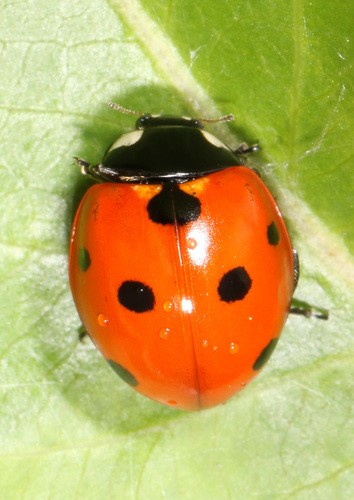
3. Seven-spotted ladybug
Seven-spotted ladybug (Coccinella septempunctata), known in North America as the "seven-spotted ladybug," is the most common species of ladybird in Europe and the official state insect of five U.S. states. While not native to North America, it has established itself there after being introduced to control aphid populations. Its bright coloring deters predators, and it may also play dead or secrete foul-smelling liquids to discourage consumption.
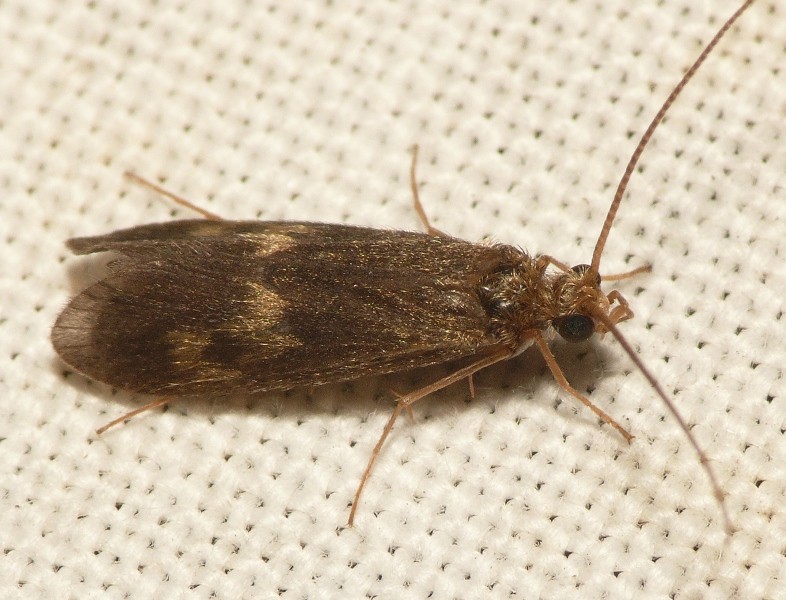
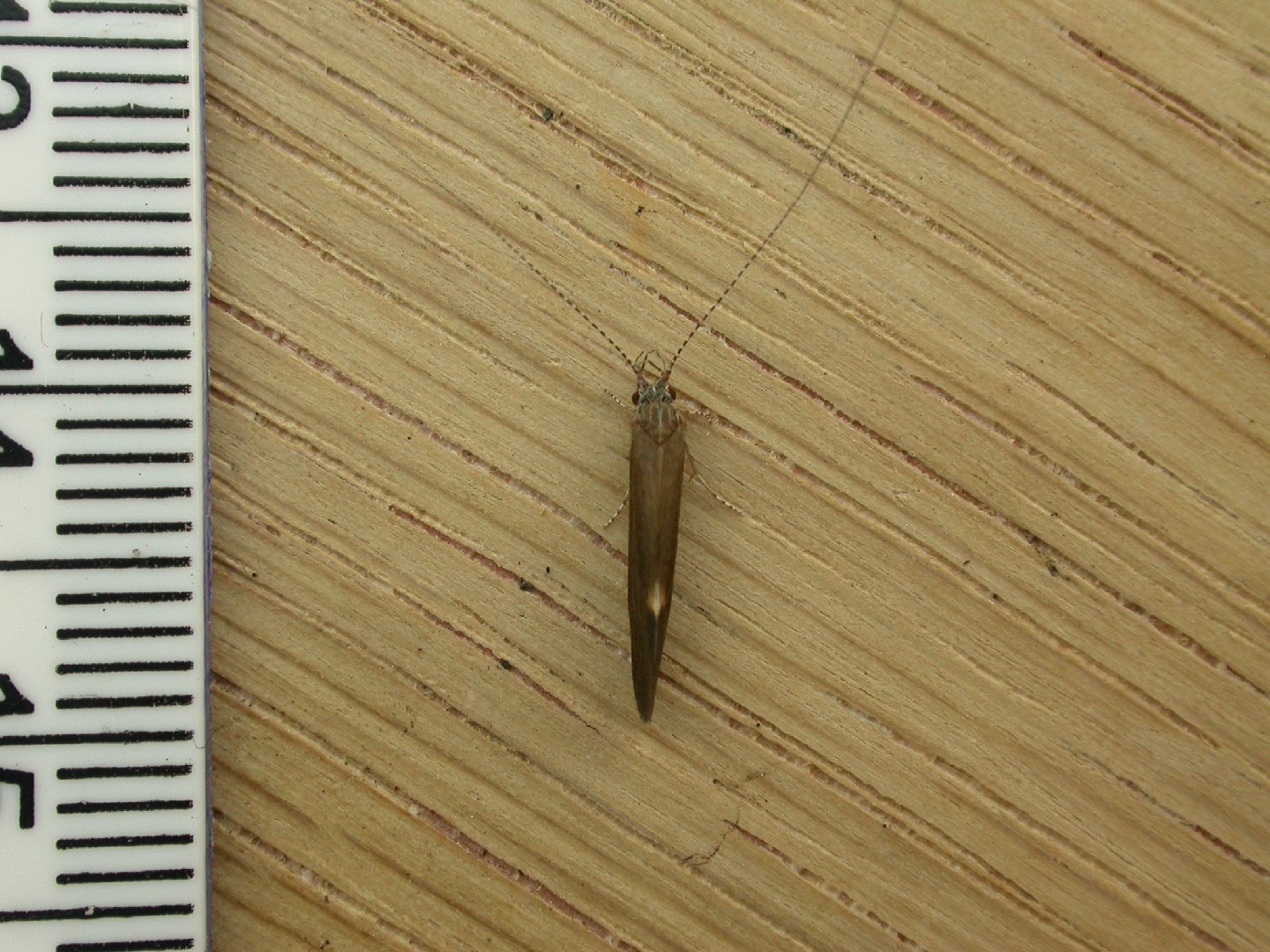
4. Neureclipsis bimaculata
Adults are a dull brownish grey. Male distal hindwing is tinted brownish grey. Female forewings are golden brown with the distal hindwing tinted golden brown. 
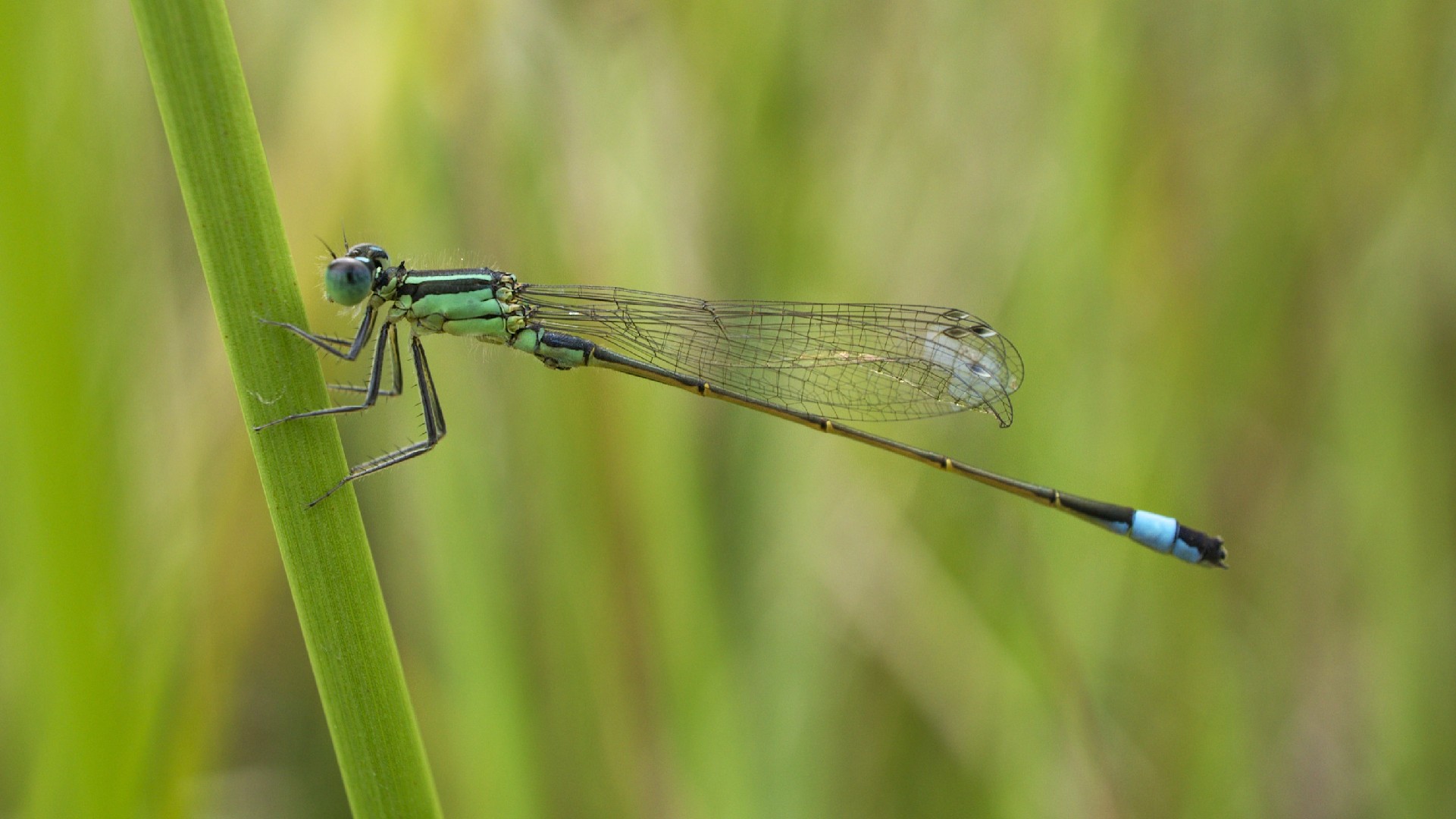
5. Blue-tailed damselfly
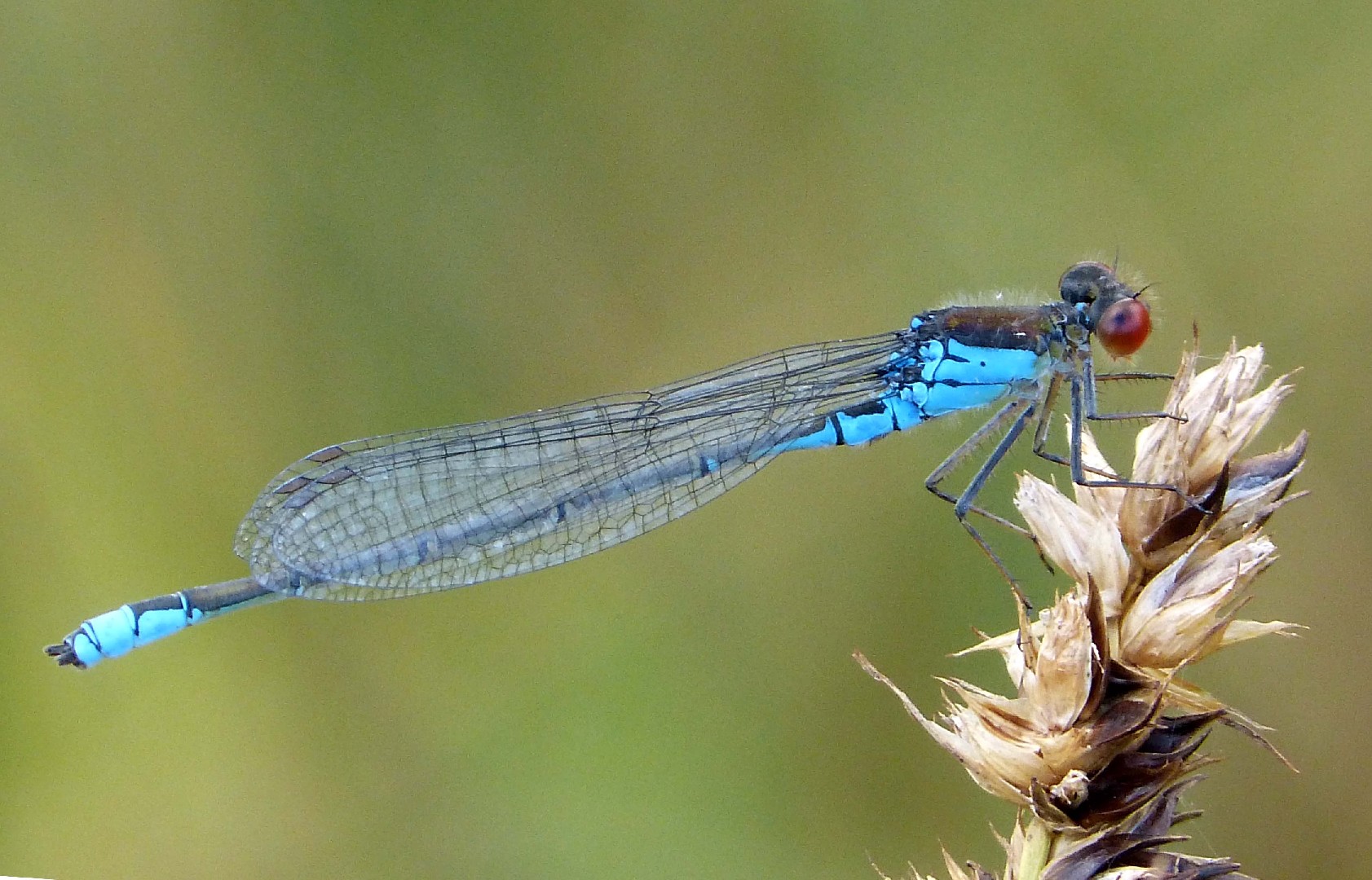
Ischnura elegans can reach a body length of 2.5 - 3.5 cm and a wingspan of about 3.5 cm. Hindwings reach alength of 1.4 - 2 cm. Adult male blue-tailed damselflies have a head and thorax patterned with blue and black. There is a bi-coloured pterostigma on the front wings. Eyes are blue. They have a largely black abdomen with very narrow pale markings where each segment joins the next. Segment eight, however, is entirely pale blue. At rest, the wings of most damselfly species are held back together, unlike dragonflies, which rest with their wings out flat. The thorax of juvenile males has a green tinge. Female blue-tailed Damselflies come in a variety of colour forms.Juveniles may be salmon pink, form rufescens; violet, form violacea and a pale green form. The colour darkens as the damselfly ages. Mature females may be blue like the male, form typica; olive green thorax and brown spot, form infuscans or pale brown thorax and brown spot, form infusca-obseleta.
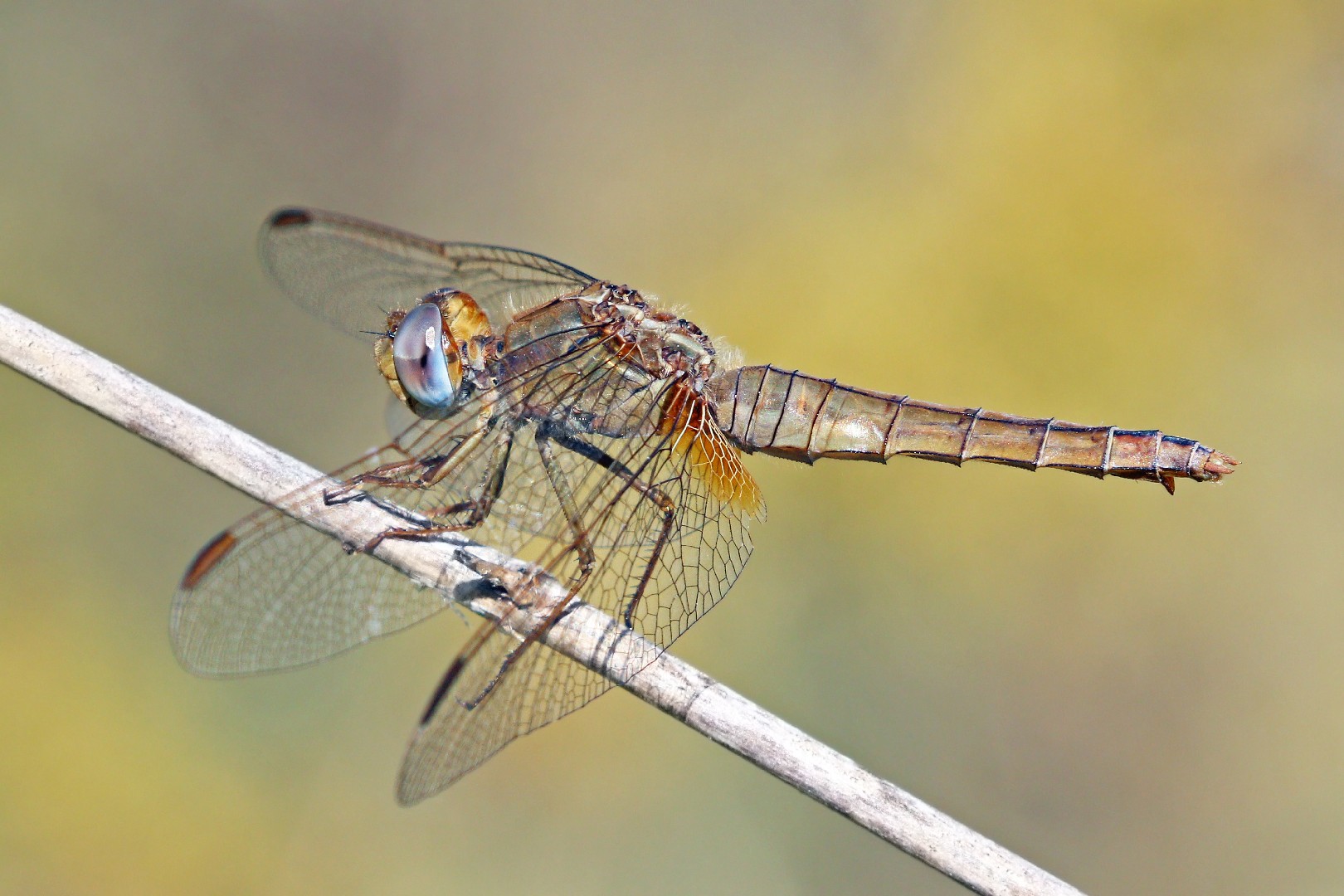
6. Scarlet dragonfly
Crocothemis erythraea can reach a length of 3.5 - 4.5 cm. These dragonflies haves a flattened and rather broad abdomen. The adult male scarlet dragonfly has a bright scarlet red, widened abdomen, with small amber patches at the bases of the hindwings. Also the veins on the leading edges of the wings are red. Females and immatures are yellow-brown and have a conspicuous pale stripe along the top of the thorax.
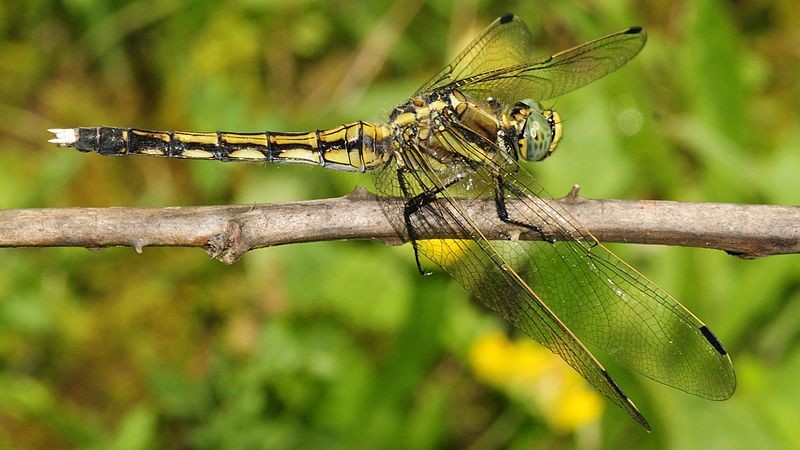
7. White-tailed skimmer
Orthetrum albistylum is a dragonfly species, which occurs from central and south Europe to China and Japan. Its distribution is often patchy but in many areas it is common. The species has recently spread its range northwards to the Baltic Sea coast in Poland. The common name for this species is white-tailed skimmer. One of the ongoing threats affecting the habitat of Orthetrum albistylum is the production of crops. The water pollution associated with crop production is also having a direct effect on the quality of the habitat of this species.
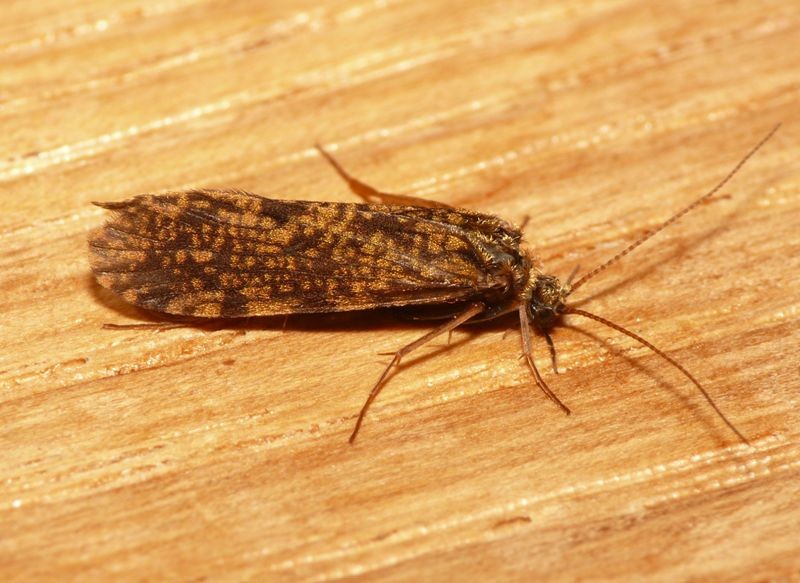
8. Ecnomus tenellus
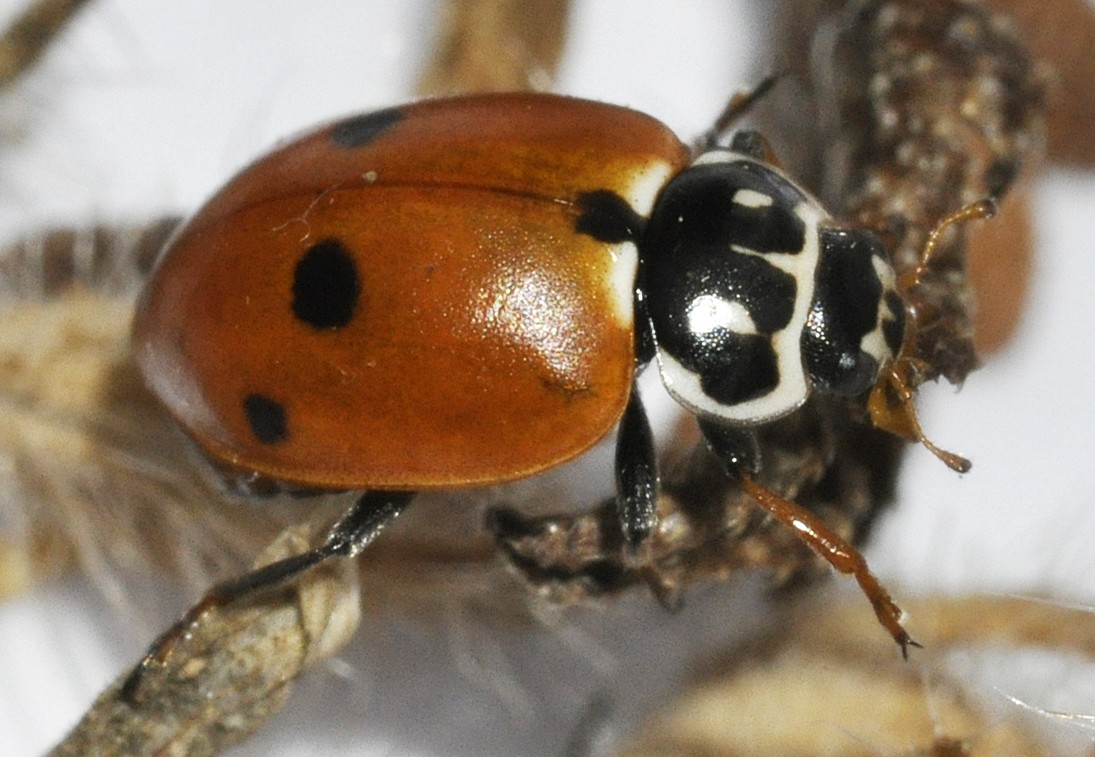
9. Adonis' ladybird
The adonis' ladybird (Hippodamia variegata) is a lady beetle that has a strong love for dry, rough vegetation. Like most ladybugs, it also acts as a pest control measure against aphids. This makes them cute and useful, which is a good combination of things to be.
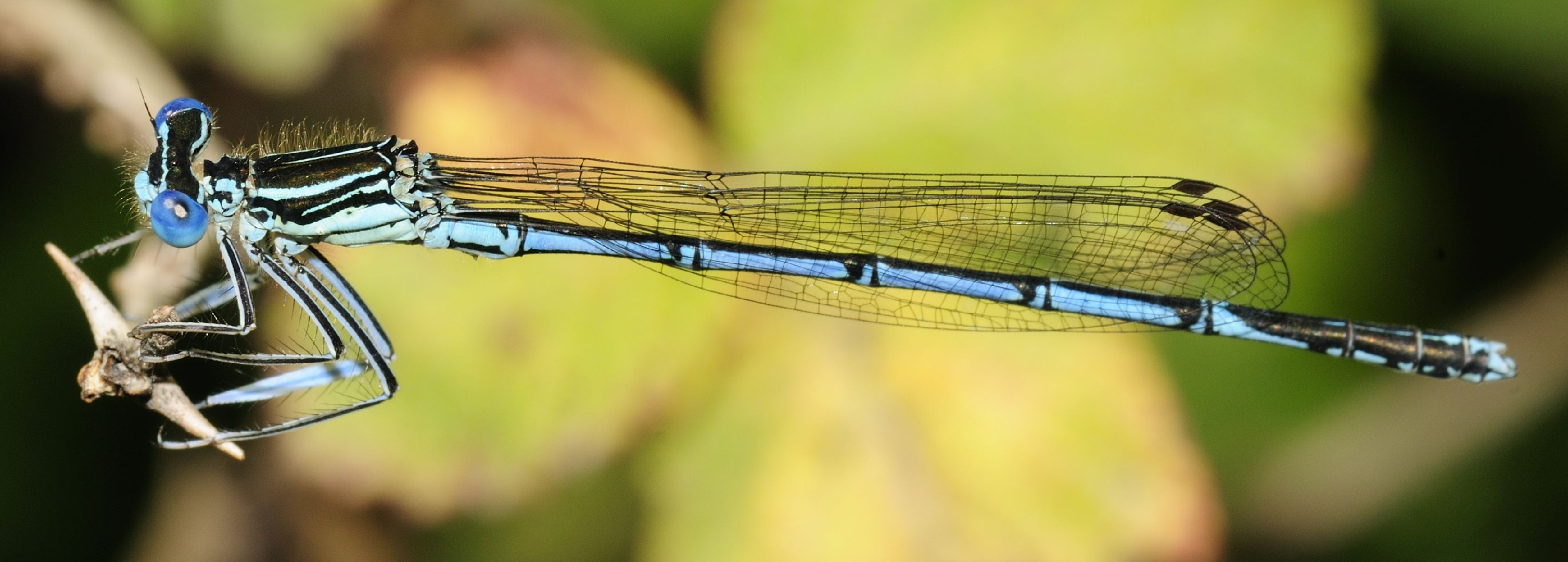
10. White-legged damselfly
The white-legged damselfly or blue featherleg (Platycnemis pennipes) is a damselfly of slow-flowing, muddy waters. It occurs from the Atlantic to Siberia and is often abundant throughout its range.

More







