




Top 20 Most Common Insects in Moscow
Insects, the ubiquitous critters with distinct features, thrive in various environments within Moscow. These diverse habitats significantly shape the insect population, giving rise to an astounding diversity. Not just nuisance 'pests', these creatures play crucial roles in local ecosystems. Understanding the intricate relationship between Moscow's environmental facets and its insect inhabitants is key to appreciating our 'Top 20 most common insects' list. Prepare to be intrigued!

Most Common Insects
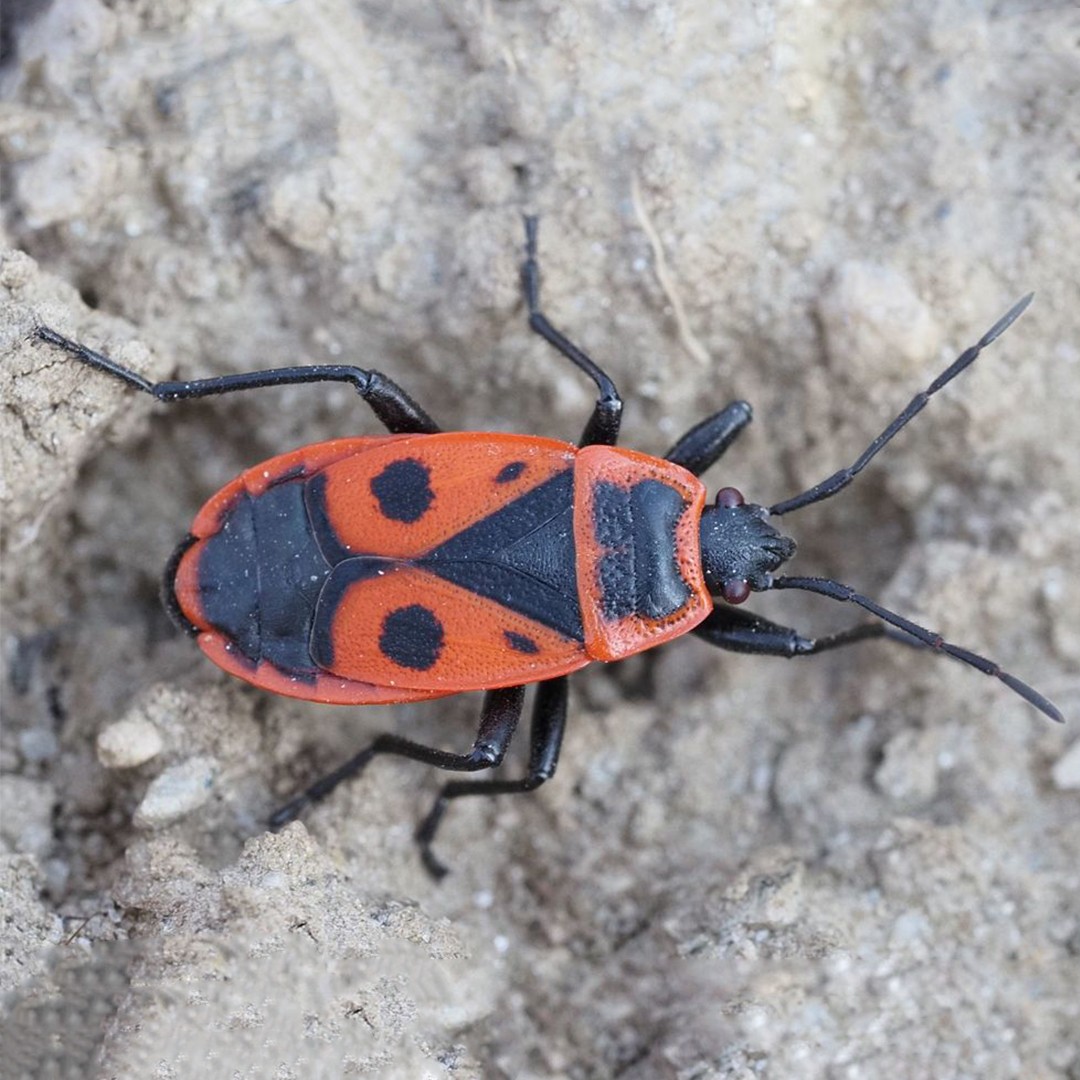
1. European firebug
Named for its striking pattern, european firebug is often described as the "firebug." It is known to congregate in large aggregations reaching as many as one hundred individuals at a time, particularly while still immature. Because they feed upon the seeds of lime trees, clusters of mating individuals can often be found at the bases of these trees in late spring.
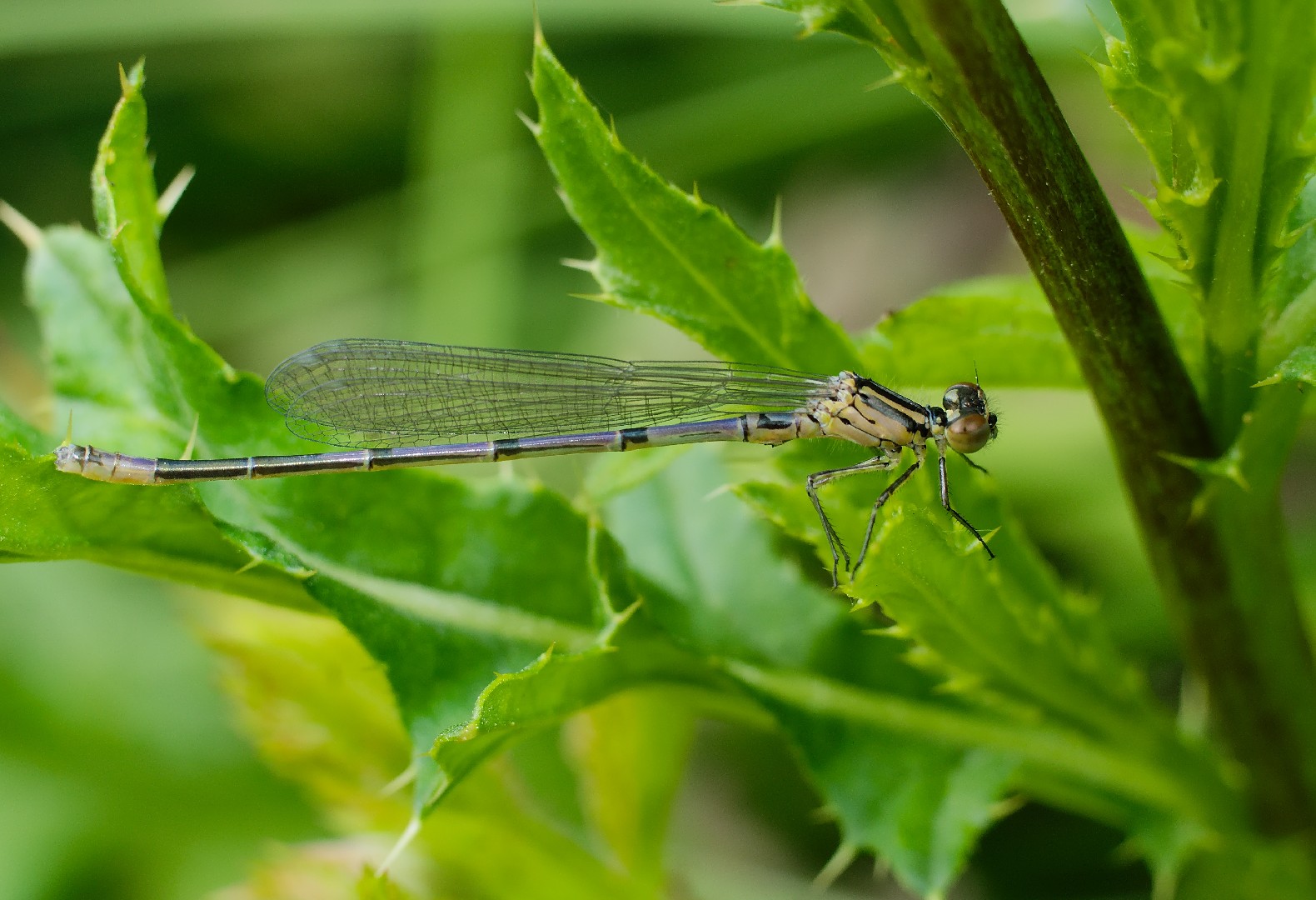
2. Azure damselfly
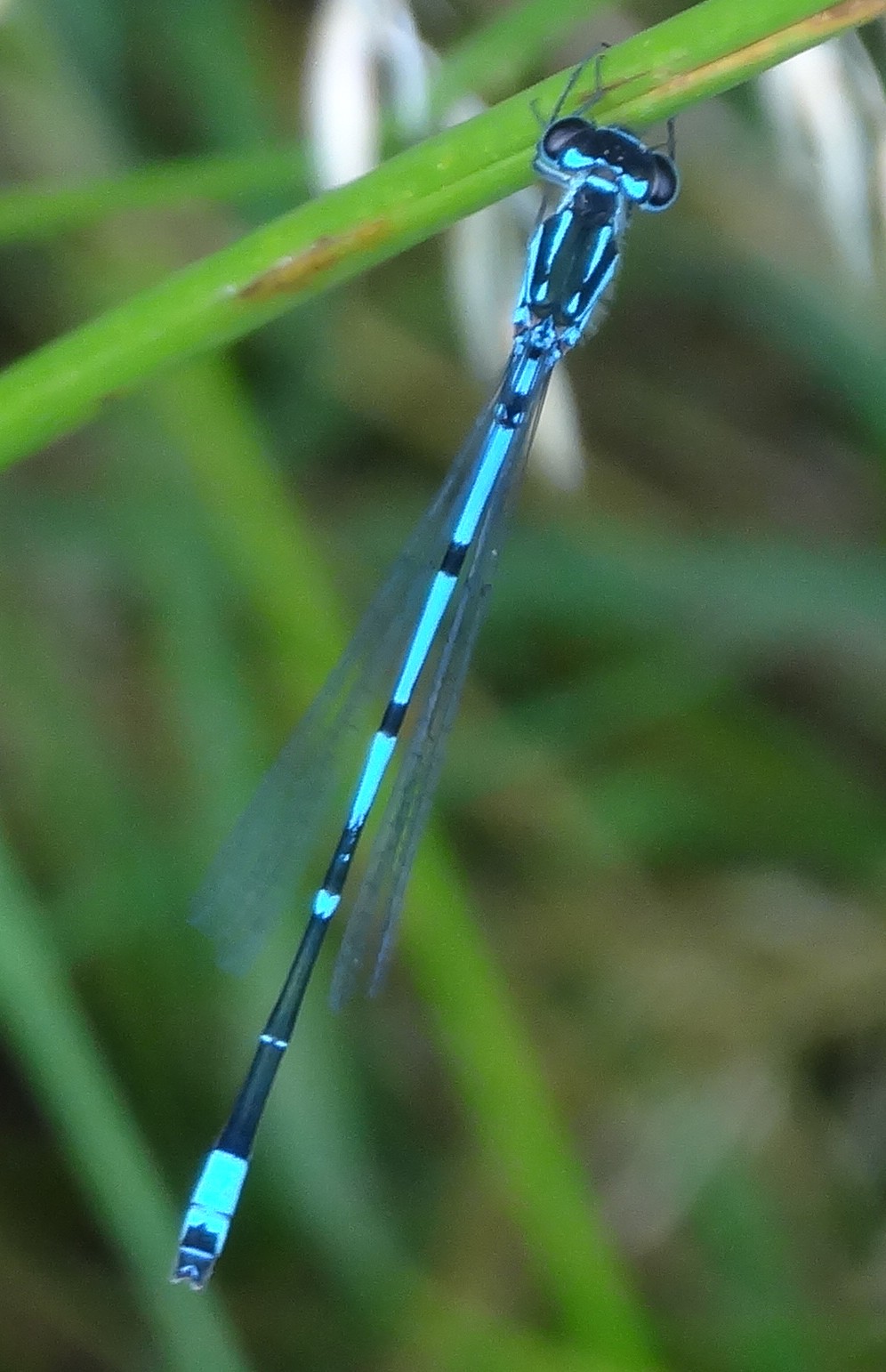
The azure damselfly (Coenagrion puella) is a species of damselfly found in most of Europe. It is notable for its distinctive black and blue colouring. They are commonly found around ponds and lakesides during the summer. 
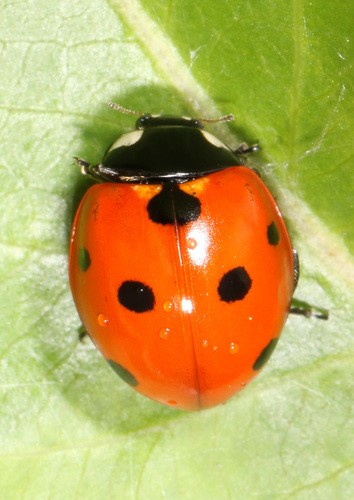
3. Seven-spotted ladybug
Seven-spotted ladybug (Coccinella septempunctata), known in North America as the "seven-spotted ladybug," is the most common species of ladybird in Europe and the official state insect of five U.S. states. While not native to North America, it has established itself there after being introduced to control aphid populations. Its bright coloring deters predators, and it may also play dead or secrete foul-smelling liquids to discourage consumption.
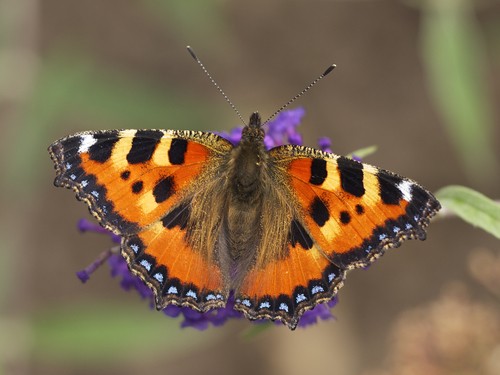
4. Small tortoiseshell
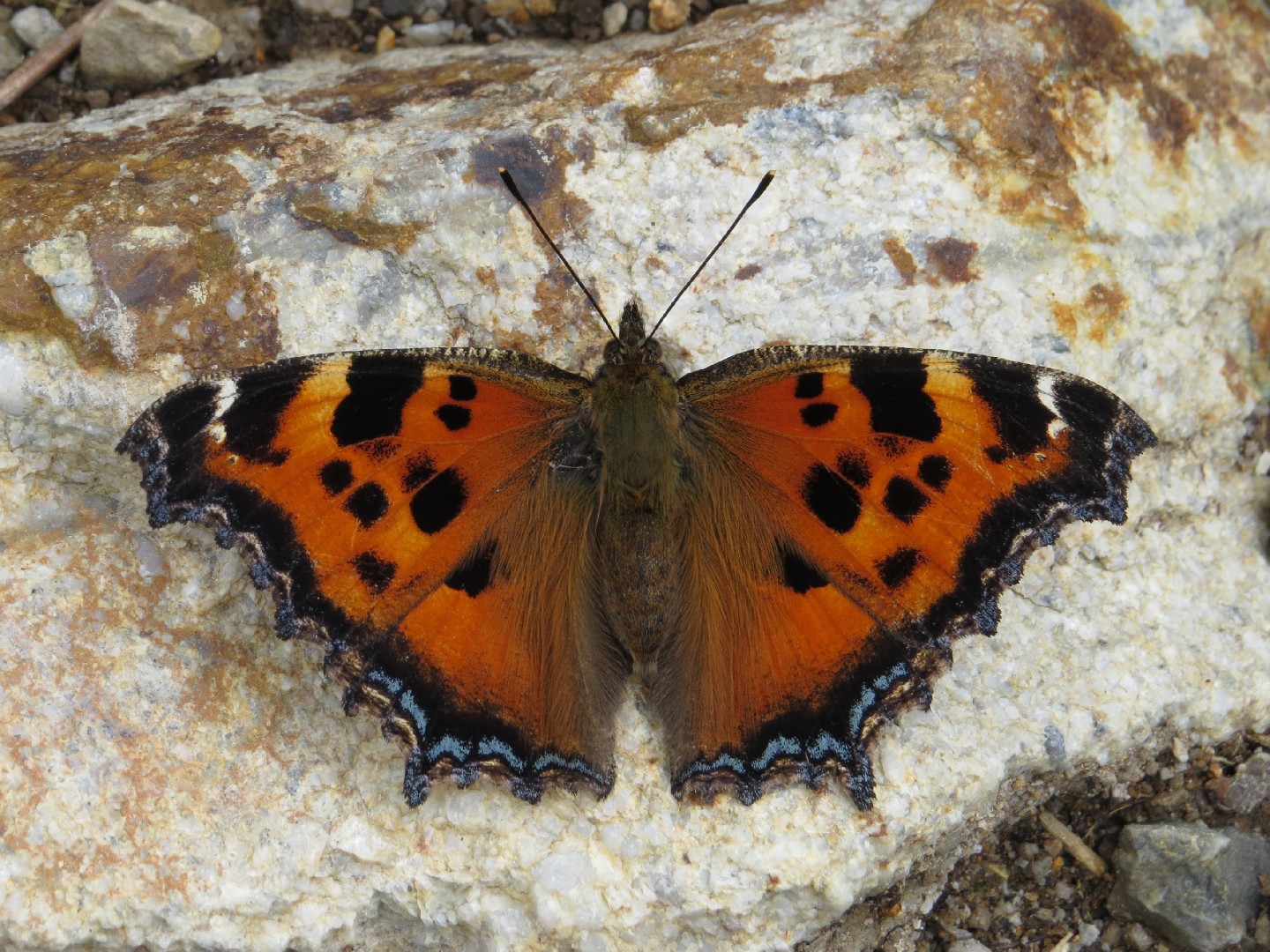
Small and colorful, small tortoiseshell (Aglais urticae) is the national butterfly of Denmark. However, it is capable of surviving anywhere the common nettle leaf may be found, which the larvae of this species depend on. Once among the most common butterflies in Europe and temperate Asia, this species is experiencing rapid declines for reasons still being investigated.
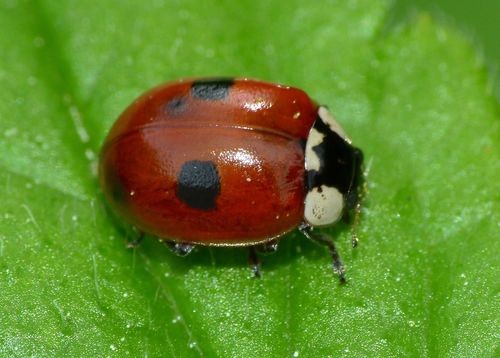
5. Two-spotted ladybug
As evidenced by its name, two-spotted ladybug (Adalia bipunctata) is best distinguished from other species of ladybug by its two black spots, of which there are commonly one of on each side of their base. However, as some specimens may display more spots, identification may remain difficult. Farmers appreciate it for its ability to eat aphids, and two-spotted ladybug was specifically introduced into Australia for this purpose.
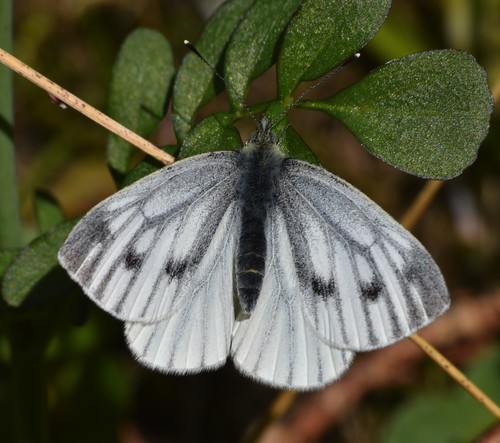
6. Green-veined white
Green-veined white (Pieris napi) is a distinctively white-winged butterfly that lays its eggs in a variety of food plants. This species displays observable differences dependent on sex: males possess only one dark spot on each forewing, whereas females display two. Unlike several of its cousin species, green-veined white prefers not to lay eggs in garden cabbages, rendering it less of a pest to farmers.

7. Multicolored asian ladybeetle
Often confused for the ladybug, multicolored asian ladybeetle (Harmonia axyridis) is a separate species that, unlike the ladybug, is a household pest. It is considered particularly annoying for its habit of returning to places from which it is removed. One of the most variable species in the world, there are many different colors and patterns multicolored asian ladybeetle may display, making identification potentially difficult.
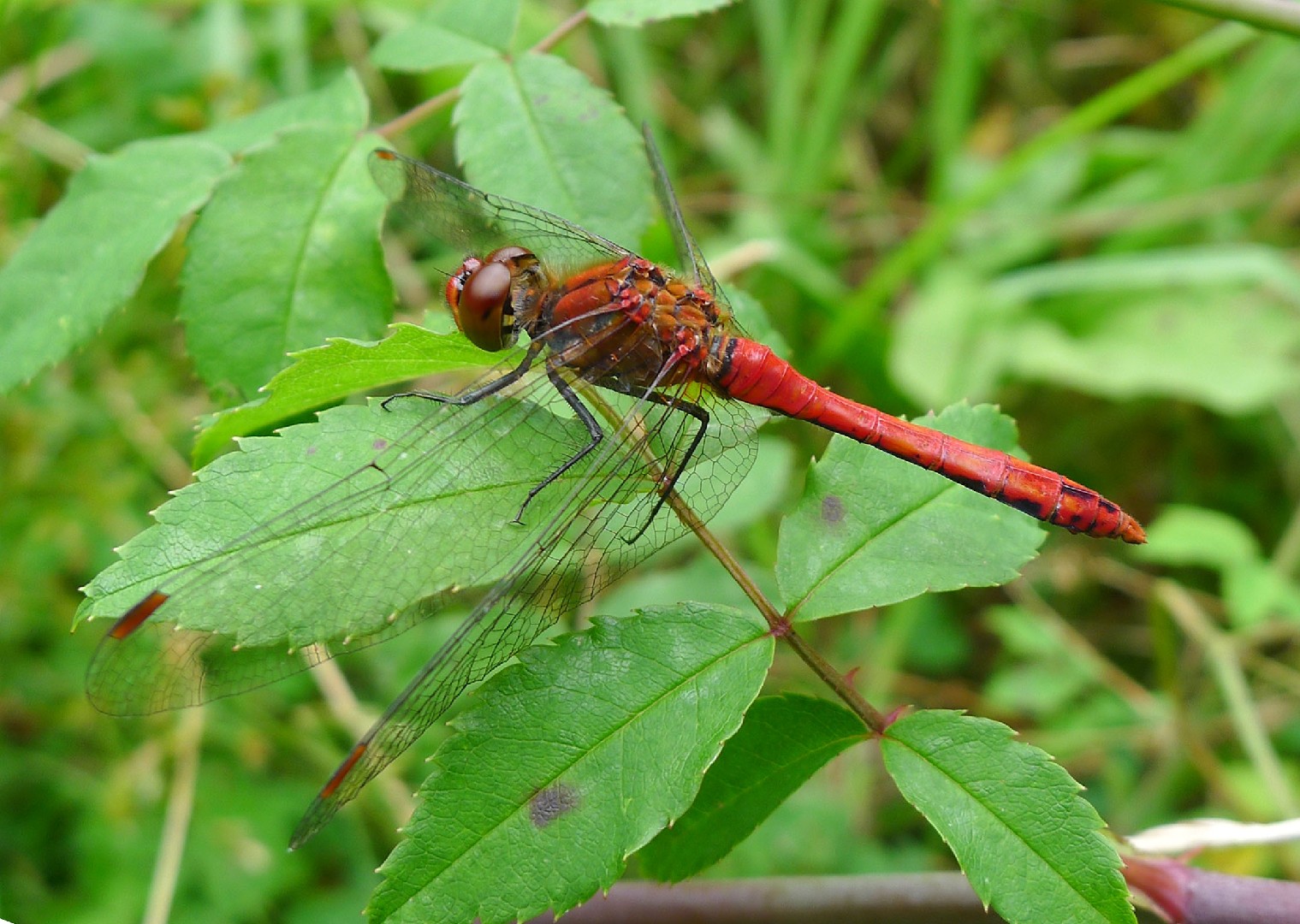
8. Ruddy darter
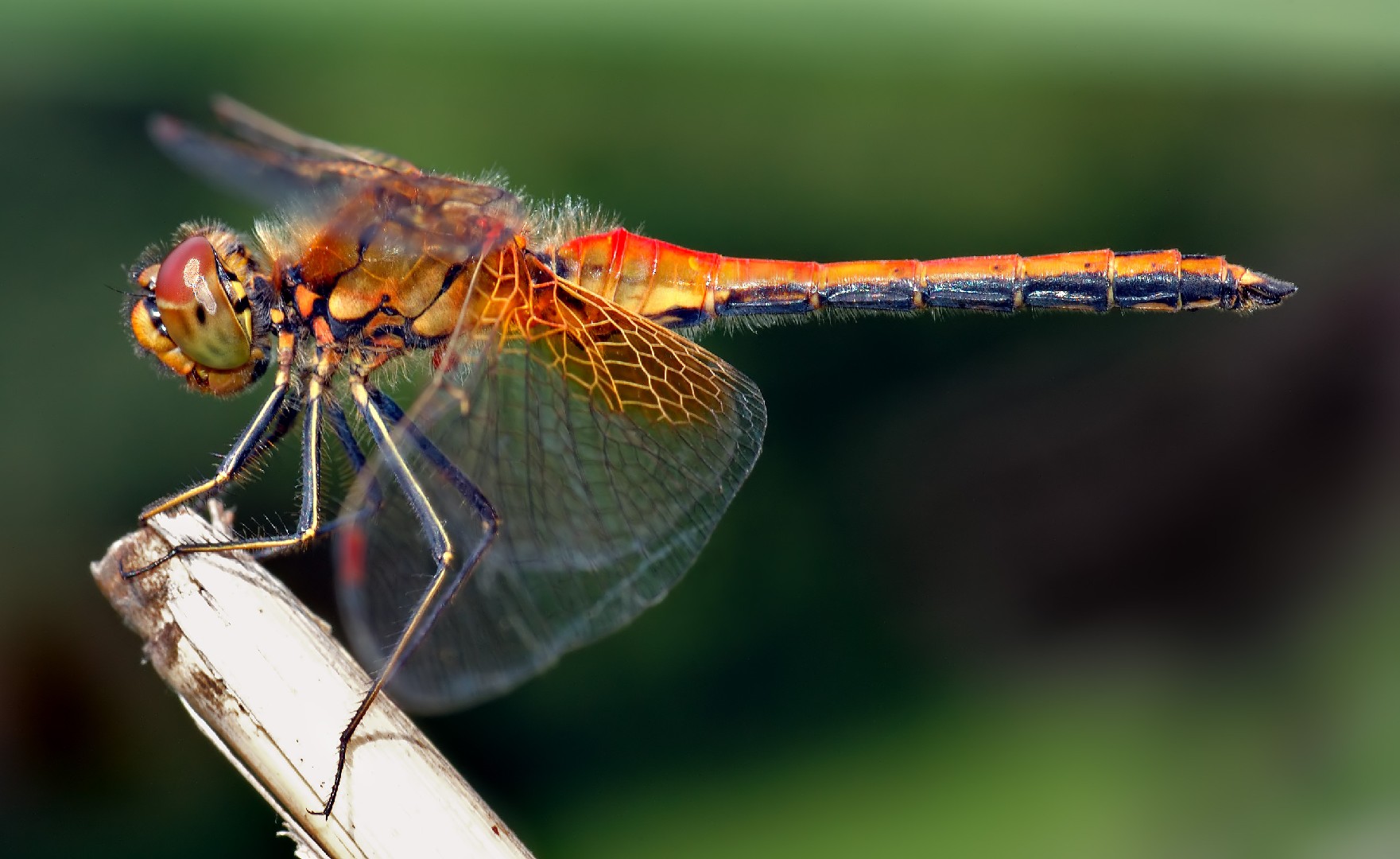
The ruddy darter can reach a body length of 3.5 - 3.5 cm and attains a wingspan of up to 6 cm. These dragonflies are smaller than the Common Darter. They have black legs and the wings show a brown pterostigma and an orange color at the base of the wings. Two evident black marks are located on segments S8 and S9 of the abdomen. The head, thorax and abdomen of the mature male are vivid red, while the female is slightly smaller, and is a golden-yellow colour with black markings. The blood-red color of the males develop with maturity, together with a red frons and a red-brown thorax. The abdomen widens for the final third of its length and shows a marked pinched section where it joins the thorax.
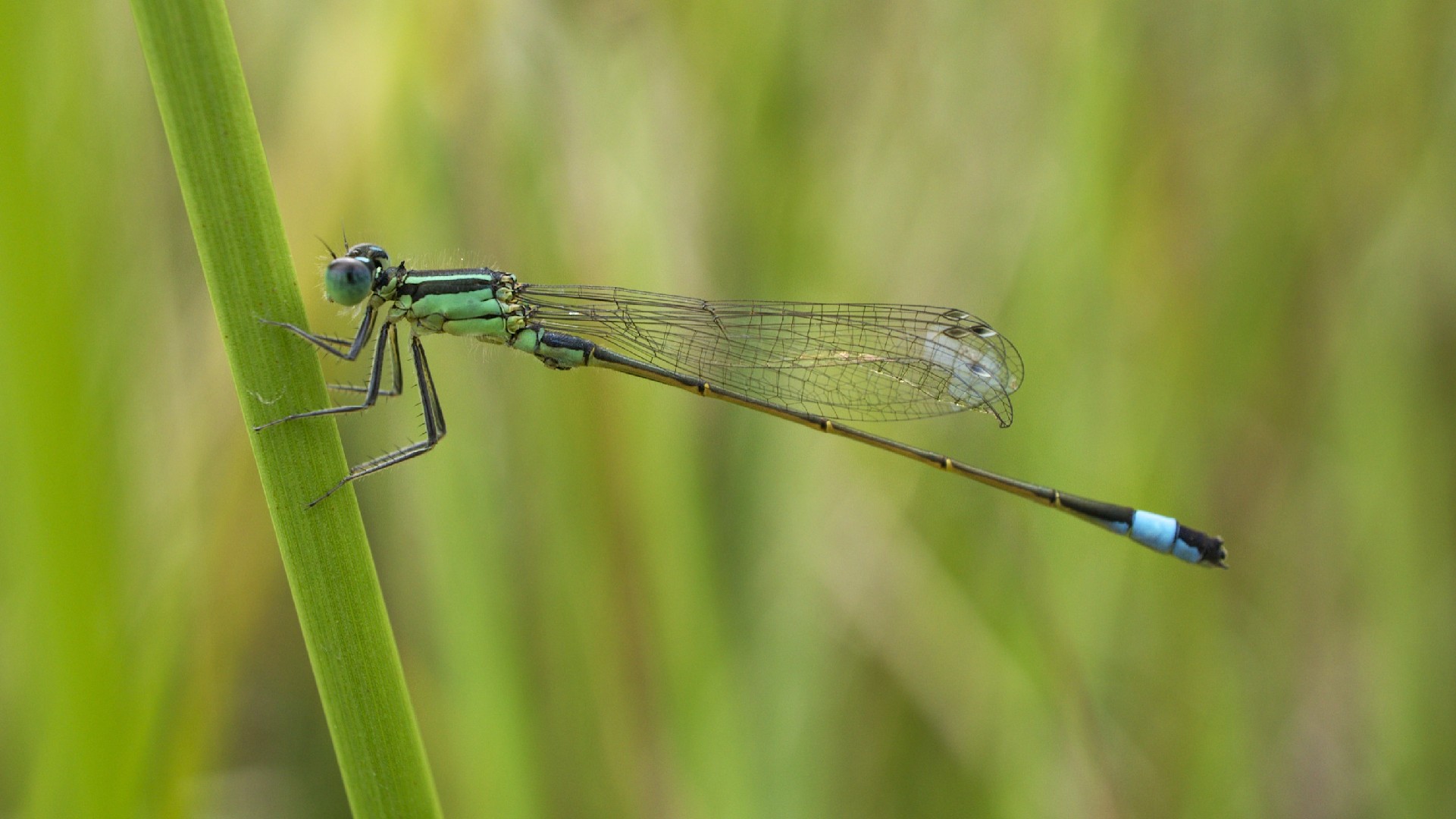
9. Blue-tailed damselfly
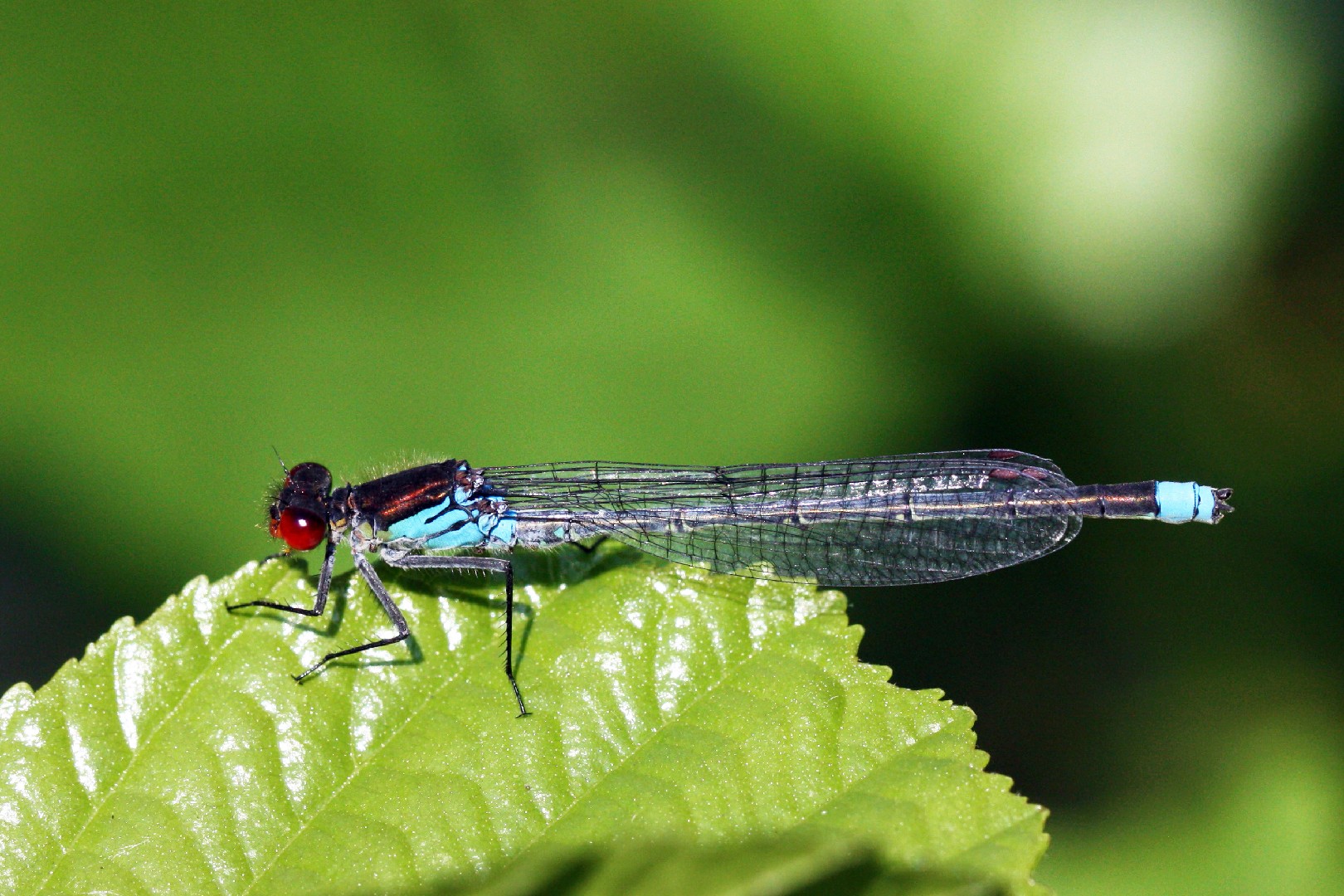
Ischnura elegans can reach a body length of 2.5 - 3.5 cm and a wingspan of about 3.5 cm. Hindwings reach alength of 1.4 - 2 cm. Adult male blue-tailed damselflies have a head and thorax patterned with blue and black. There is a bi-coloured pterostigma on the front wings. Eyes are blue. They have a largely black abdomen with very narrow pale markings where each segment joins the next. Segment eight, however, is entirely pale blue. At rest, the wings of most damselfly species are held back together, unlike dragonflies, which rest with their wings out flat. The thorax of juvenile males has a green tinge. Female blue-tailed Damselflies come in a variety of colour forms.Juveniles may be salmon pink, form rufescens; violet, form violacea and a pale green form. The colour darkens as the damselfly ages. Mature females may be blue like the male, form typica; olive green thorax and brown spot, form infuscans or pale brown thorax and brown spot, form infusca-obseleta.
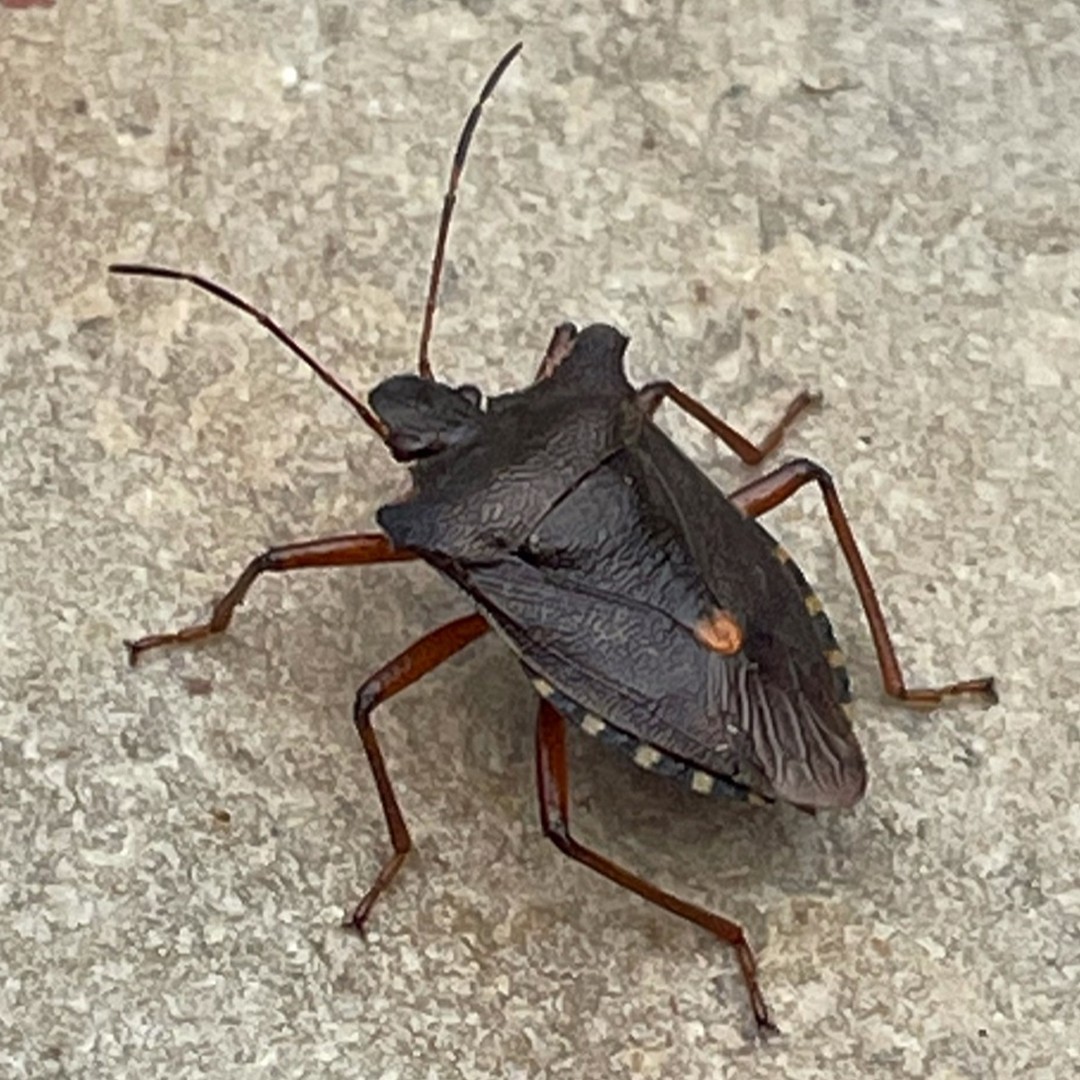
10. Forest bug
Given its name, it's no surprise that forest bug lives in woodlands, forests, and gardens. Its sharp mandibles are adapted to gain access to the sap on which it feeds, although it is also known to predate on other insects. It prefers oak trees but also feeds on fruit trees, making it an occasional agricultural pest.

More







